Semiconductor Memory Innovations Driving the Next Wave of Technology
You see semiconductor memory innovations changing the way you use electronic components and integrated circuits. These advan
You see semiconductor memory innovations changing the way you use electronic components and integrated circuits. These advances matter because they boost the speed and power of technology. The semiconductor memory market keeps growing fast, fueling new devices for AI, IoT, and advanced computing.
The market could reach $340.23 billion by 2033, with a projected CAGR of 10.4%.
| Year | Market Size (USD Billion) |
|---|---|
| 2025 | 114.981 |
| 2030 | 325.345 |
You will discover how these breakthroughs shape the future of memory and technology.
Key Takeaways
- Semiconductor memory innovations, like MRAM and 3D stacking, enhance speed and efficiency in electronic devices.
- Emerging memory technologies support the growing demands of AI, IoT, and advanced computing applications.
- Sustainable practices in semiconductor manufacturing reduce environmental impact and promote eco-friendly technology.
- Integration of memory and processing on the same chip leads to faster data access and lower energy consumption.
- The semiconductor memory market is projected to grow significantly, driven by advancements in technology and increasing demand.
Semiconductor Memory Today
DRAM and NAND
You use DRAM and NAND chips every day in your devices. These two types of semiconductor memory power most electronic components and integrated circuits. DRAM leads the semiconductor memory market with a share of 47.7% in 2024. Flash ROM also plays a big role in the industry. You find DRAM in computers, servers, and gaming consoles. NAND chips store data in smartphones, cameras, and solid-state drives.
Here is a quick look at how DRAM and NAND compare:
| Feature | DRAM | NAND |
|---|---|---|
| Speed | Very fast (nanoseconds) | Slower (microseconds) |
| Volatility | Volatile (needs power) | Non-volatile (keeps data) |
| Access Method | Random access | Block-based access |
| Endurance | High (many cycles) | Varies by type (SLC > QLC) |
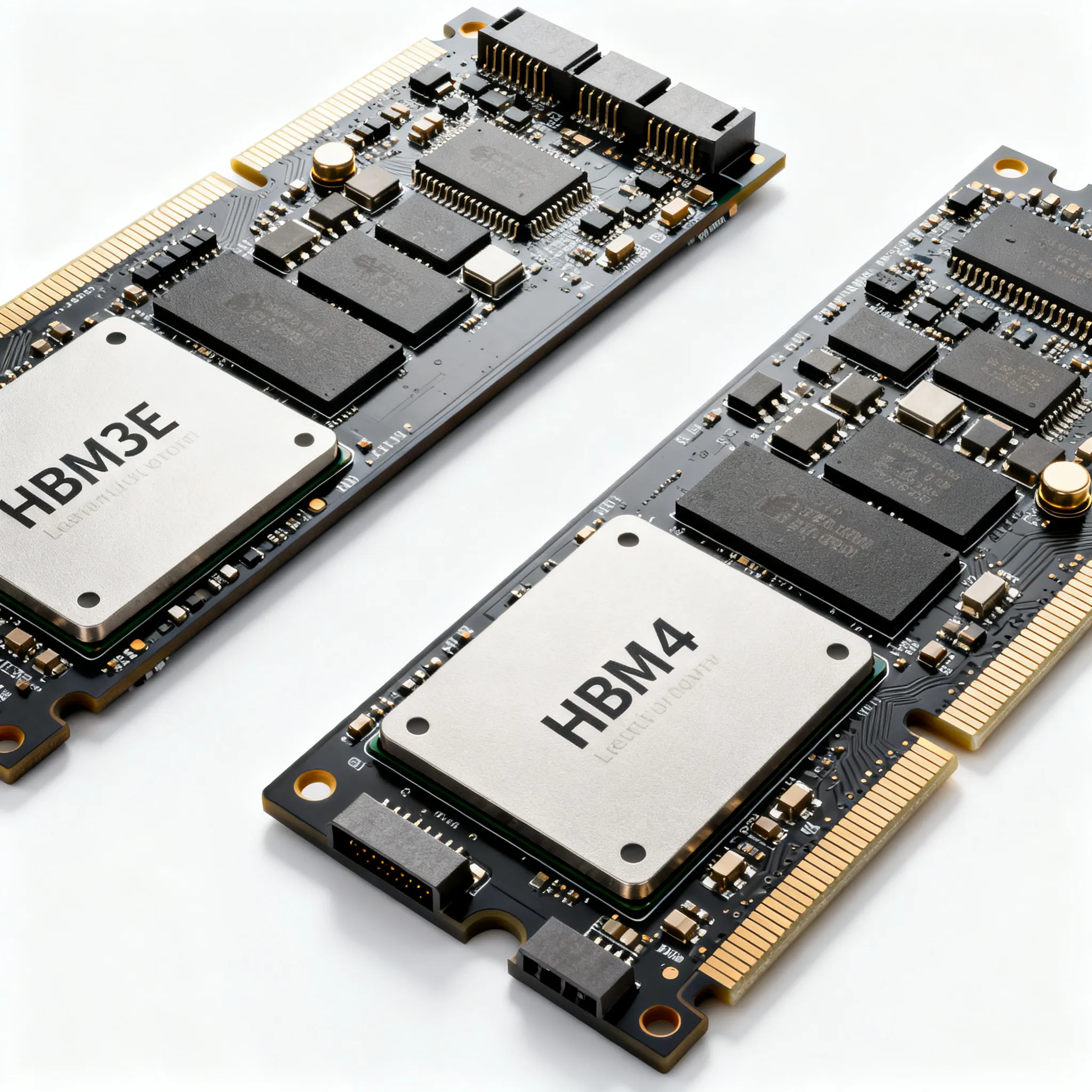
DRAM chips lose all data when you turn off the power. NAND chips keep your data safe even when the device is off. You see NAND chips with huge storage, like the PS1101 E3.L eSSD, which holds up to 245 TB. DRAM chips come in many advanced forms, such as DDR5 and HBM4, but their maximum size depends on the technology used.
Tip: DRAM gives you speed for quick tasks. NAND gives you storage for saving files.
Current Limits
You face several limits with DRAM and NAND chips. The physical size of each chip controls how much memory you can store. The number and size of memory cells, the thickness of layers, and the power needed all affect chip design. You see these limits in the semiconductor industry as companies try to make chips smaller and more powerful.
| Limitation Type | Description |
|---|---|
| Power Constraints | Higher frequencies use more power and create more heat. |
| Latency Issues | Distance between DRAM and processors causes delays. |
| Bandwidth Bottlenecks | Wider memory buses are hard to build in flat chip designs. |
You notice that the semiconductor technology behind DRAM and NAND faces challenges with power, speed, and scaling. The industry works to solve these problems so you can enjoy faster and more reliable devices in the future. As a consumer, you benefit from every improvement in memory chips and semiconductor memory.
Innovations in Chip Technology
You see new semiconductor memory technologies changing the way chips work in electronic components and integrated circuits. These innovations in chip technology help you overcome the limits of older memory types. You find them in devices that need more speed, less power, and better endurance. Let’s look at the most promising emerging memory technologies and how they shape the future of the semiconductor industry.
MRAM
You use MRAM in chips when you need fast, reliable, and energy-efficient memory. MRAM stands for Magnetoresistive Random Access Memory. It stores data using magnetic states instead of electric charge. You get near-SRAM speed and zero standby power, which means your devices use less energy when idle. MRAM chips can handle over 10^15 program/erase cycles, so they last much longer than traditional memory. Recent advancements in SOT-MRAM devices give you switching speeds as low as 300 picoseconds. Voltage-gate assisted methods help lower power use and shrink the size of each bit cell. You see MRAM in consumer electronics market products like wearables and industrial sensors. MRAM’s endurance and speed make it a strong choice for future infrastructure and cloud applications.
Tip: MRAM chips keep your data safe and use less power, which helps your devices run longer.
RRAM and ReRAM
You find RRAM and ReRAM chips in devices that need high-speed data access and low power use. RRAM stands for Resistive Random Access Memory. It stores data as resistance, not charge or magnetization. This method lets you scale memory cells to smaller sizes, which is great for ultra-thin devices. ReRAM chips are non-volatile, so they keep data even when the power is off. You get extremely fast read and write speeds, which boost AI algorithm performance. ReRAM chips use very little energy, making them cost-effective for data centers and edge computing. You can use these chips in advanced semiconductor memory technologies for smart sensors and industrial IoT. The compact MIM structure allows for high-density memory, so you fit more capacity into smaller chips.
- Key advantages of RRAM and ReRAM:
- Non-volatile data retention
- High endurance and fast access
- Low power consumption
- Advanced scaling for small devices
FeRAM
You see FeRAM chips in connected vehicles, industrial IoT, and smart city infrastructure. FeRAM stands for Ferroelectric Random Access Memory. It keeps data without power and uses very little energy. You get high endurance, which means FeRAM chips last through many write cycles. The write energy is much lower than flash memory, so your portable devices have longer battery life. FeRAM chips work well in extreme conditions, which is important for aerospace and automotive industries. The semiconductor industry now produces FeRAM chips commercially, showing that this technology is stable and ready for real-world use. You benefit from FeRAM’s balance of performance and energy efficiency in many consumer electronics market applications.
| Feature | FeRAM | Flash Memory |
|---|---|---|
| Data Retention | Non-volatile | Non-volatile |
| Power Use | Very low | Moderate |
| Endurance | High | Lower |
| Write Speed | Fast | Slower |
| Stability | Extreme conditions | Limited |
3D Stacking
You see 3D stacking as a major innovation in chip technology. This method stacks memory cells vertically, not just side by side. You get higher memory density and better performance in smaller chips. Micron’s 8-high 24GB HBM3 Gen2 memory achieves over 1.2TB/s bandwidth, which is 50% faster than older options. This helps train large AI models and speeds up high-bandwidth memory tasks. Samsung plans to mass-produce 3D stacked SoCs using hybrid bonding and TC-NCF, which improves performance and power efficiency. You find 3D stacking in chips for AI accelerators, cloud infrastructure, and advanced computing. The global market wants compact packaging, so 3D stacking helps you fit more features into smaller devices. You see 3d nand and 3D hybrid bonding growing fast, which supports the expansion of AI and machine learning.
- Benefits of 3D stacking:
- Higher memory density
- Faster data access
- Lower power use
- Smaller chip size
Note: 3D stacking lets you build chips with more power and less space, which is key for the future of semiconductor memory.
You see these advancements in semiconductor technology driving innovation across the industry. Emerging memory technologies like MRAM, RRAM, FeRAM, and 3D stacking help you solve old problems and open new possibilities for electronic components and integrated circuits. These innovations in chip technology shape the future of the semiconductor memory market and support the growing needs of consumer electronics, cloud, and infrastructure.
Applications Shaping the Future
AI
You see artificial intelligence changing how electronic components and integrated circuits work. New semiconductor memory technologies help AI systems learn faster and make better decisions. Nonvolatile memory lets AI keep data even when the power goes out. Chips now combine memory and processing logic, so AI can run on a single system. You find these improvements in many real-world AI systems.
| AI System | Description | Real-World Example |
|---|---|---|
| Recommendation Systems | Analyze user behavior and retain short-term data for refined recommendations. | Netflix |
| Autonomous Drones | Analyze environmental data in real-time to adapt to changing conditions. | Amazon Prime Air Delivery Drones |
| Fraud Detection Systems | Monitor transaction data for anomalies while referencing recent patterns. | PayPal |
| Dynamic Pricing Models | Adjust prices based on real-time demand and user activity. | Uber Surge Pricing |
| Autonomous Robots | Adapt to real-time changes in the environment. | Amazon’s Kiva Robots |
| Gaming AI | Adapt to player strategies for challenging gameplay. | OpenAI Five |
You notice that the semiconductor industry uses AI to design better chips and materials. These changes help AI work faster and smarter in many devices.
IoT
You see the Internet of Things growing quickly. Advanced semiconductor memory technologies like RRAM and optical memories make IoT devices more efficient. These chips use less energy and store more data, which helps smart sensors and edge devices work better.
- RRAM gives IoT devices non-volatile memory and low power use.
- Higher storage density supports more connected devices.
- Next Generation Memory meets the needs of smart devices and edge computing.
- Reliable memory solutions help IoT devices run longer and process more data.
You find these improvements in smart home sensors, industrial monitors, and wearable technology. The market for IoT keeps expanding as more devices connect to the cloud and infrastructure.
Automotive
You see cars using more advanced electronics every year. The demand for semiconductor memory in automotive applications grows fast. Autonomous vehicles and driver-assistance systems need more storage and faster chips. Level 3 autonomous-driving solutions use over 128 GB of NAND and 4 GB of RAM. These cars rely on high-bandwidth memory to process data from cameras, sensors, and AI systems.
Industry experts expect a threefold increase in demand for automotive semiconductors in the next eight years. Universal Flash Storage (UFS) and low-power memory help cars run complex AI tasks without overheating. Generative AI in vehicles needs high-performance chips to keep energy use low and safety high.
Data Centers
You see data centers using next-generation memory to boost performance and save energy. LPDDR5X memory gives five times higher inference throughput and 80% better latency than older DDR5 chips. It also uses 73% less energy, which lowers heat and saves money.
| Metric | LPDDR5X Memory | Traditional DDR5 Memory |
|---|---|---|
| Inference Throughput | 5 times higher | N/A |
| Latency | 80% better | N/A |
| Energy Consumption | 73% less | N/A |
Low-power memory helps data centers optimize circuit designs and reduce power use. You see these benefits in cloud infrastructure, where faster chips support AI, consumer services, and big data tasks.
Challenges in the Semiconductor Industry
Supply Chain
You face many supply chain challenges in the semiconductor industry. When you look at electronic components and integrated circuits, you see how global events can disrupt production.
- Geopolitical volatility, such as trade tensions between the United States and China, leads to tariffs and export controls.
- Natural disasters like earthquakes and tsunamis can stop manufacturing.
- The Covid-19 pandemic caused supply-demand imbalances and increased demand for chips.
- Shortages of raw materials, including silicon and germanium, slow down production.
- Obsolescence issues force you to replace aging components.
To build resilience, companies use several strategies:
- Diversify fabrication sites across regions like the U.S., Europe, Vietnam, and Mexico.
- Adopt digital twins and predictive analytics to spot risks early.
- Use AI-driven platforms and blockchain for real-time tracking.
- Invest heavily in new manufacturing capabilities.
- Raise inventory levels and use dual sourcing to avoid shortages.
- Offer incentives to suppliers for reliability.
You see these efforts helping the market respond faster to disruptions. Strong supply chains keep chips available for consumer devices, cloud infrastructure, and high-performance memory systems.
Sustainability
You notice that semiconductor memory manufacturing impacts the environment. The process uses a lot of energy and water and releases greenhouse gases. Hazardous chemicals also pose risks. Companies now work to make production more sustainable. Intel uses 100% renewable energy at new facilities. TSMC aims for net zero emissions by 2050. Manufacturers use gases with lower global warming potential and invest in emissions abatement technologies. You see recycling and reuse of chemicals and ultrapure water becoming common. Onsite recovery practices help reduce waste and conserve resources.
Note: Sustainable memory production protects the environment and supports the future of technology.
Scaling
You see scaling as a major challenge in semiconductor technology. Making memory smaller and more powerful helps electronic components and integrated circuits run faster. Companies use new innovations to overcome scaling limits.
| Memory Technology | Innovations Addressing Scaling Challenges | Key Benefits |
|---|---|---|
| DRAM | Monolithic 3D DRAM, amorphous oxide semiconductors | Enhanced performance, reduced leakage |
| NAND Flash | 3D NAND with >300 layers, TLC, QLC | High density, cost reduction |
| RRAM | High speed, endurance, low power | Suitable for IoT and embedded systems |
| MRAM | Low write voltage, high endurance | Ideal for automotive and edge computing |
| FeRAM | Non-volatility, low energy consumption | Promising for mobile and sensor applications |
You benefit from these advances in high-bandwidth memory and high-performance memory systems. Scaling supports the growth of the market and helps infrastructure and cloud applications run smoothly.
Future Trends in Semiconductor Memory
You see the future of the semiconductor industry shaped by new trends in memory and chip design. These changes help electronic components and integrated circuits work faster, smarter, and more efficiently. You notice that market growth, AI, and cloud demand push companies to create better solutions. You find that current trends in semiconductor technology open future opportunities for consumer devices and infrastructure.
Integration
You see integration changing how chips work in electronic components and integrated circuits. Companies now combine memory and logic on the same chip. This design lets you process and store data at the same time. You get lower latency and better energy efficiency. The logic-memory transistor reduces the need to move data between separate parts. You benefit from faster memory access and improved system performance. Merging DRAM with logic components uses internal bandwidth, which boosts future semiconductor performance. You find this integration in advanced chips for AI-assisted manufacturing innovations and cloud infrastructure.
- Key benefits of integration:
- Faster data processing
- Lower energy use
- Improved reliability
You see integration becoming more common in the semiconductor industry. This trend supports technological innovation and helps you use devices that respond quickly and save power.
Compute-in-Memory
You see compute-in-memory technology changing how electronic components and integrated circuits handle data. This approach lets you perform calculations directly in memory, so you do not need to move data to the CPU. You get better performance and lower power use, especially in data-intensive tasks.
| Aspect | Description |
|---|---|
| Technology | Compute-in-Memory (CIM) |
| Key Benefit | Reduces data movement bottleneck, improving performance and energy efficiency. |
| Operational Mechanism | Performs analog computations directly in memory, optimizing multiply-and-accumulate (MAC) operations. |
| Application | Beneficial for AI inference and large language models due to reliance on matrix multiplications. |
| Memory Type | Non-volatile memory (NVM) is highlighted for its high density and low leakage, crucial for efficiency. |
You use compute-in-memory in chips for AI, cloud, and infrastructure. Near Memory Compute (NMC) moves compute closer to memory, which gives you higher bandwidth and lower energy use. This method helps you solve memory economy challenges and boosts future semiconductor performance. You see non-volatile memory, such as 3d nand and nand flash memory, playing a big role in these systems. Compute-in-memory supports developments in semiconductor technology and helps you process large amounts of data quickly.
Collaboration
You see collaboration driving innovation in the semiconductor industry. Companies, research labs, and equipment makers work together to create better memory solutions for electronic components and integrated circuits. You find that partnerships help test new technologies and improve manufacturing.
| Collaboration Partners | Focus Area | Expected Outcomes |
|---|---|---|
| NY CREATES and Hprobe | Advanced testing equipment for semiconductor memory | Enhanced testing capabilities for MRAM, RRAM, and selector devices, driving innovation in memory technologies |
You benefit from these collaborations because they speed up the development of new chips and memory types. You see improved testing for MRAM, RRAM, and selector devices, which leads to more reliable products. Collaboration supports future opportunities and helps the industry meet the needs of consumer devices, cloud, and infrastructure.
Note: Working together helps companies solve problems faster and bring new technology to market.
Key Trends Shaping the Industry Through 2031
You see several trends shaping the future semiconductor performance and the market for electronic components and integrated circuits:
- Data-centric applications drive demand for advanced memory solutions.
- Cloud computing relies on efficient semiconductor memory for storage and retrieval.
- AI needs sophisticated memory architectures for fast computation.
- Energy efficiency becomes more important in semiconductor technology.
- Non-volatile memory solutions help keep data safe and accessible.
You notice that the market for AI data centers and memory chip design grows quickly. The AI data center market could reach $933.76 billion by 2030, with a CAGR of 31.6%. The AI memory chip design market may hit $1,248.8 billion by 2030, growing at 27.5%. You see these trends creating future opportunities for innovation and technological advancement.
Tip: You can expect more powerful, energy-efficient, and reliable chips in your devices as the industry follows these trends.
You see semiconductor memory innovations transforming electronic components and integrated circuits. These advances give you faster data processing, higher storage, and better energy efficiency.
- Ongoing research and development create new materials and device architectures for AI and machine learning.
- Companies focus on sustainability because data centers and AI accelerators increase energy demand and carbon emissions.
- High-capacity storage and durable memory solutions support smart devices, automotive systems, and industrial applications.
| Breakthrough Area | Description |
|---|---|
| High-Bandwidth Memory | Doubles performance for AI systems |
| Memory-Centric Architectures | Boosts efficiency by integrating processing |
| Advanced Packaging | Improves performance and integration |
You can expect the future to bring more powerful, reliable, and eco-friendly memory for all your devices.
FAQ
What is the main role of semiconductor memory in integrated circuits?
You use semiconductor memory to store and retrieve data quickly. Memory chips help your electronic components process information and run applications. Fast memory improves the performance of devices like smartphones, computers, and smart sensors.
How do new memory technologies improve electronic components?
You benefit from advanced memory like MRAM and 3D stacking. These innovations give your devices faster speeds, lower power use, and higher storage. Improved memory helps your integrated circuits handle complex tasks and support AI and IoT features.
Why does scaling matter for semiconductor memory?
You see scaling make memory chips smaller and more powerful. Smaller chips fit into compact electronic components. Scaling lets you use more advanced integrated circuits in smart devices, cars, and cloud servers.
Which memory type is best for automotive electronics?
You find NAND and low-power DRAM in modern vehicles. These memory types store large amounts of data and support fast processing. Your car’s integrated circuits rely on them for safety, navigation, and autonomous driving features.
How does sustainable memory production help the environment?
You support eco-friendly technology when companies use less energy and recycle materials. Sustainable memory manufacturing reduces waste and emissions. Your electronic components and integrated circuits become greener and safer for the planet.