The Evolution and Future Trends of the Integrated Circuit Industry
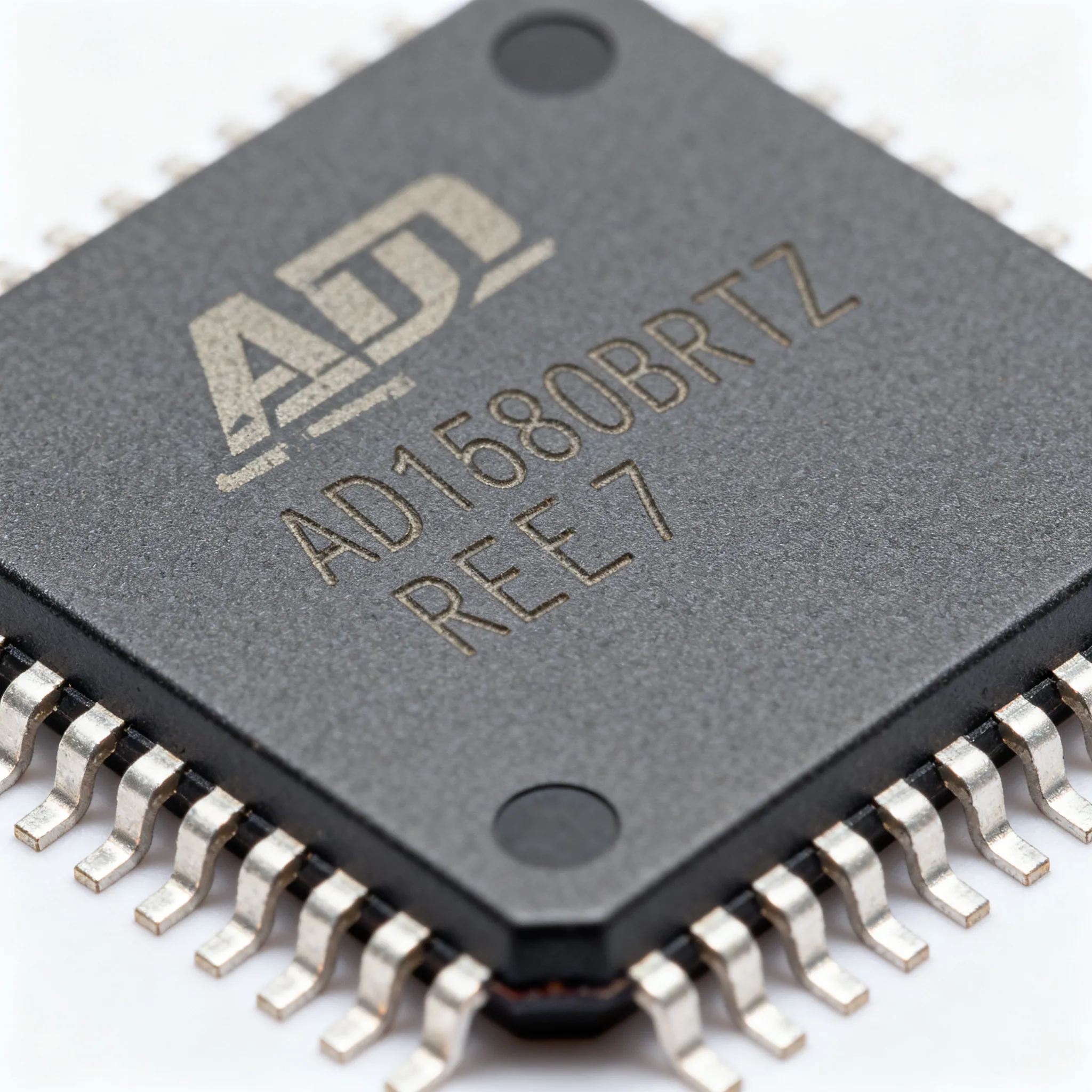
The integrated circuit industry has changed a lot since the transistor was invented in 1947. Integrated circuits are now the base for most modern electronics. They help many types of technology and uses.
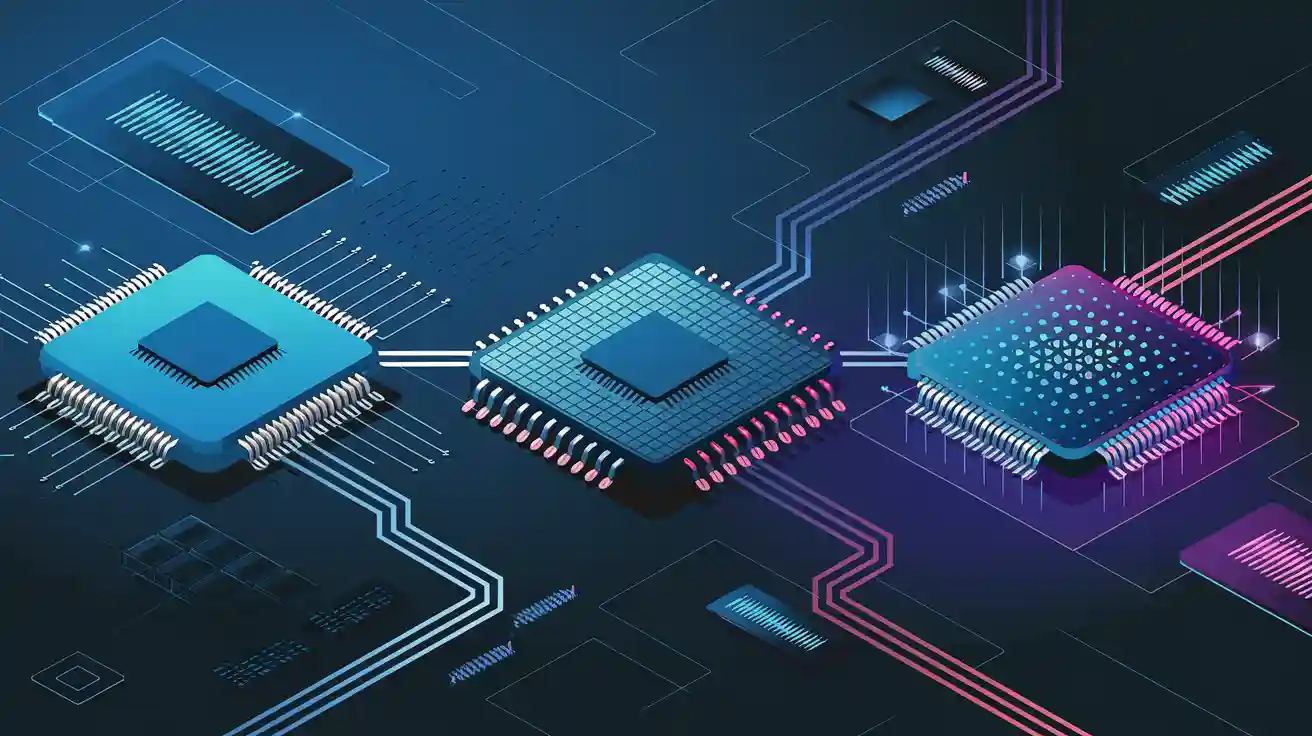
The integrated circuit industry has changed a lot since the transistor was invented in 1947. Integrated circuits are now the base for most modern electronics. They help many types of technology and uses. Semiconductors are used in data centers and smart devices. They also have a big effect on the economy. Some new trends are making things smaller, using better materials, and special uses in AI, IoT, and quantum computing.
|
Year/Period |
Event/Statistic |
Significance/Impact |
|---|---|---|
|
1947 |
Invention of the transistor |
Changed electronics with smaller and better parts. |
|
1965 onwards |
Moore's Law: transistor count doubles every 2 years |
Fast growth in how complex and strong chips are. |
|
2024-2031 (proj.) |
Semiconductor memory IP market CAGR over 7% |
Technology markets keep growing. |
Learning about changes in the integrated circuit industry helps people and companies get ready for new technology and electronics.
Key Takeaways
-
Integrated circuits changed electronics by making devices smaller, faster, and cheaper since the 1950s. - Big companies like TSMC and Intel lead new ideas but have problems like supply chain risks and climate change. - New trends are making chips smaller, stacking layers in 3D, and using materials like gallium nitride and silicon carbide for better results. - Special chips help AI and IoT devices work faster and use less energy. - In the future, quantum computing, optical interconnects, and green chip designs will help make electronics smarter, faster, and better for the environment.
Evolution of the Integrated Circuit Industry
Early Innovations
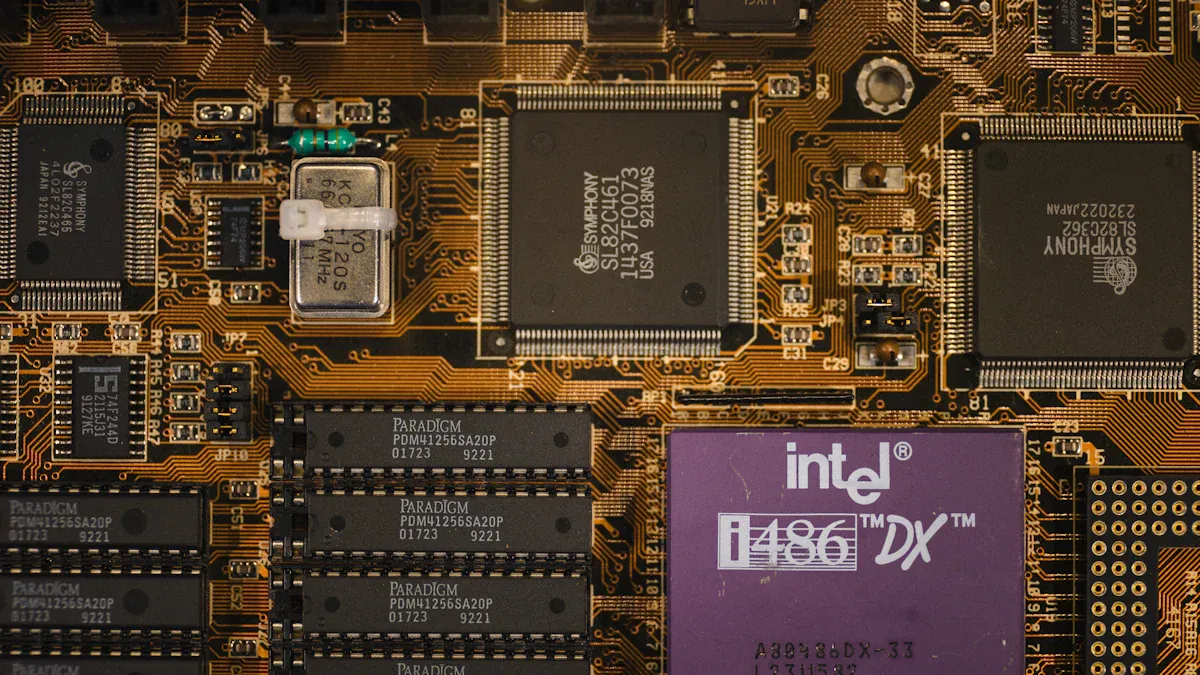
The integrated circuit industry started with big new ideas in the late 1950s. Jack Kilby at Texas Instruments made the first working integrated circuit in 1958. He used one piece of germanium to connect a transistor, resistor, and capacitor. He joined them with thin gold wires. Robert Noyce at Fairchild Semiconductor soon made a new design. He used silicon and planar technology. He connected parts with aluminum lines on a silicon dioxide layer. By 1960, Fairchild engineers built Noyce’s design. This let many electronic parts fit on one chip. These early steps in ic technology helped microelectronics and vlsi grow fast.
-
In 1958, Jack Kilby at Texas Instruments made the first working integrated circuit.
-
Robert Noyce at Fairchild Semiconductor soon suggested a monolithic integrated circuit using silicon and planar technology.
-
By 1960, Fairchild Semiconductor engineers built Noyce's design, so electronic parts could fit on one semiconductor chip.
Key Milestones
The integrated circuit industry has had many important moments. Early patents, like Werner Jacobi’s in 1949, showed first ideas of integration. Geoffrey Dummer talked about monolithic semiconductor integration in 1952. By the late 1950s, Kilby, Lehovec, and Fairchild fixed big problems in ic design. Jean Hoerni’s planar process in 1960 made it possible to make many chips at once. Transistor-transistor logic (TTL) and analog ICs came in the 1960s. These helped ic technology and vlsi get better. These changes made it possible to put millions of transistors on one chip.
|
Milestone |
Date |
Inventor(s) / Company |
Description |
|---|---|---|---|
|
Early patent for integrated transistor amplifier |
1949 |
Werner Jacobi (Siemens AG) |
Patent showed five transistors on one base, early idea of integration |
|
Proposal to integrate components in monolithic semiconductor |
1952 |
Geoffrey Dummer |
Talked about putting electronic parts into one crystal |
|
Patent for prototype IC |
1953 |
Harwick Johnson |
Filed patent for integrated circuit prototype |
|
Solutions to fundamental IC problems (integration, isolation, connection) |
1958-1959 |
Jack Kilby (Texas Instruments), Kurt Lehovec (Sprague Electric), Fairchild Semiconductor |
Kilby made first hybrid IC prototype; Lehovec made p–n junction isolation; Fairchild mixed methods for monolithic IC making |
|
First planar monolithic IC chip demonstration |
1960 |
Jean Hoerni (Fairchild Semiconductor) |
Made planar transistor and planar process, so chips could be made in large numbers |
|
Introduction of transistor-transistor logic (TTL) ICs |
1961-1964 |
James L. Buie (Sylvania), Fairchild, Texas Instruments |
TTL logic was invented and sold, and became the main IC technology in the 1970s and 1980s |
|
Breakthrough in analog ICs (operational amplifiers) |
1964-1965 |
Bob Widlar (Fairchild) |
Made analog ICs that helped integrated circuit uses grow |

Impact on Technology
The integrated circuit industry has changed technology and our lives. New ic technology made electronics smaller, faster, and cheaper. The semiconductor market now helps many areas, like consumer electronics, cars, IoT, AI, and telecommunications. The world market for integrated circuits may reach $602 billion by 2025. China and the United States are growing fast. vlsi and microprocessor design power things like smartphones and cloud computing. These changes make people want more new chips. They also push what technology can do. The integrated circuit industry keeps leading new ideas and shapes the future of electronics.
Semiconductor Industry Today
Market Leaders
A few big companies make most of the world’s semiconductors. These companies help create new technology. They also decide how fast technology grows. The table below shows the top companies in semiconductor manufacturing:
|
Company |
Market Share |
Industry Segment |
Notes |
|---|---|---|---|
|
TSMC |
35% |
Foundry 2.0 |
Largest chipmaker; leads in AI, photomask, and packaging |
|
Intel |
2nd largest |
Foundry 2.0 |
Gained market share; second biggest chipmaker |
|
Samsung |
N/A |
Foundry 2.0 |
Has problems with yield, even with advanced 3nm chips |
TSMC is the leader with 35% of the market. It is very good at making photomasks and packaging chips. TSMC will soon start making 2nm chips. Intel is still the second biggest chipmaker. Samsung tries to make better chips but has trouble with yield. The need for AI chips and new microprocessors makes these companies spend money on new ways to make chips.
Current Challenges
The semiconductor industry has many problems right now. Many companies have trouble with their supply chains. These problems are still not fixed since the pandemic. Fights between countries and new rules make supply chains risky. Bad weather and disasters can hurt important factories, like those in Taiwan. For example, TSMC uses water trucks and treatment plants to keep working during droughts.
Note: In 2023, more than half of semiconductor CEOs said climate change is a big risk for their supply chains.
Other problems are factory shutdowns from fires or accidents. Parts also become outdated much faster now. In 1970, a chip could last 30 years. By 2014, it lasted about 10 years. In 2023, almost 474,000 parts were no longer made. Companies must change fast and find strong ways to keep making chips.
|
Challenge Category |
Description |
|---|---|
|
Supply Chain Disruptions |
Ongoing risks from country fights, sanctions, and slowdowns. |
|
Climate Change & Natural Disasters |
Bad weather can stop factories from working. |
|
Geopolitical Tensions & Regulations |
Trade fights and new rules make supply chains less safe. |
|
Factory Shutdowns |
Fires and accidents can stop chip production. |
|
Component Obsolescence |
Chips do not last as long, so parts go out of use quickly. |
Trends in the Integrated Circuit Industry
Miniaturization and Moore’s Law
Making things smaller has changed the integrated circuit industry for many years. Engineers try to put more transistors on each chip. This follows Moore’s Law. This makes electronics smaller, faster, and cheaper. Intel leads with new ways to make chips, like RibbonFET and PowerVia. These new methods help fit more transistors and save power. But there are problems. When transistors get tiny, strange things happen, like quantum tunneling. Chips also get hot. Factories to make these chips cost a lot of money. Only a few companies can keep up.
Even with these problems, people keep inventing new things. Companies use new materials and 3D designs to keep making smaller devices. They stack transistors and use chiplets to build better chips. This means they do not only make things smaller. They also use new ways to build chips. Moore’s Law is still important, but now it is about new designs and ways to make chips. Making things smaller is still a big part of vlsi and the future of ics.
3D IC Stacking
3D IC stacking is a new way to build chips. Instead of putting all parts next to each other, engineers stack them on top. This lets them fit more transistors in less space. Signals do not have to travel as far. This makes chips faster and saves energy. 3D stacking also lets different kinds of technology, like memory and logic, go on one chip. This helps make complex systems-on-chip and helps vlsi grow.
Engineers use through-silicon vias, or TSVs, to connect the layers. This makes chips work better and use less power. 3D IC stacking helps solve problems with old ways of making chips. It also helps meet the need for faster computers. This trend matches new ic technology. It lets people build stronger and smaller devices.
Note: 3D IC stacking helps chips work better and lets them do more things. It helps new technology in AI, IoT, and data centers.
New Materials
Finding new materials is now very important in the integrated circuit industry. Silicon cannot always keep up with speed, power, and heat. Engineers use materials like gallium nitride (GaN) and silicon carbide (SiC) to make better chips. GaN is very good for saving energy and works well in 5G and radar. SiC is strong and saves power, so it is used in electric cars and factories.
Reports say SiC wafer making will be five times bigger by 2028. The power electronics market, which uses SiC and GaN, could be worth $45 billion by 2030. GaN’s market grows fast, over 20% each year. It can handle more power and heat with less energy loss. AI and high-performance computers also need these new materials. These changes help vlsi and let people make new kinds of electronics.
-
GaN and SiC work better than silicon for saving energy and handling heat.
-
GaN-on-Silicon mixes good performance with lower costs.
-
SiC is great for cars and factories because it is strong and saves power.
Using new materials is a big step forward. It helps make things smaller and better.
Specialized ICs for AI and IoT
Specialized ICs are now very important for AI and IoT. These chips do special jobs, like looking at pictures or learning. GPUs can do many things at once, so they are good for AI. ASICs are fast and save energy for certain AI jobs. Studies show that using different types of processors together saves energy. This is important for AI and IoT devices.
|
Evidence Aspect |
Description |
Link to Performance Improvement |
|---|---|---|
|
Specialized ICs for AI |
GPUs do many jobs at once for AI; ASICs are fast and save energy for AI. |
These chips give the power needed for AI and IoT, making them work better. |
|
Research on Energy Efficiency |
Using different processors together saves energy. |
Saving energy helps chips work better by balancing power and speed. |
|
Advances in IC Technology |
More transistors, faster speeds, and bigger memory make chips stronger. |
These things help chips do hard AI jobs faster and better. |
|
AI in IC Manufacturing |
AI helps check chips and find problems. |
Better quality means fewer mistakes in AI and IoT devices. |
Specialized ICs help vlsi grow and make ic technology better. These chips help new technology and hard jobs in AI and IoT. Making special ICs helps devices stay strong, fast, and reliable.
Emerging Trends in IC Technology
Quantum and Neuromorphic Computing
Quantum computing is a big new trend in IC technology. Scientists think quantum can solve problems that normal computers cannot. New studies show quantum computing helps with things like quantum artificial intelligence and quantum machine learning. It also helps with quantum cloud computing. These new ideas make quantum programming more important. Both governments and companies support quantum technology. Many people think quantum will change how we use computers, talk to each other, and sense things. Quantum chips use special parts of matter to work in new ways. Quantum uses could help electronics and computers get much faster and stronger. Quantum computing is leading right now. Neuromorphic computing is also interesting for future chips, but most research is about quantum right now.
Optical Interconnects
Optical interconnects are another important trend in IC technology. These systems use light to send data inside a chip or between chips. Optical interconnects move data faster than regular wires. They also use less energy, which is good for new electronics and computers. Many companies are looking at optical technology for fast computers and big data centers. Optical interconnects help chips handle more data and work better for new uses. This technology helps new ideas grow and gets the industry ready for the future.
Energy Efficiency and Green ICs
Saving energy is very important for new chip designs. Green ICs use less power and make less heat. Companies want to make chips that save energy for all kinds of uses. These changes help lower the harm technology does to the environment. Chips that save energy help devices last longer and make data centers cheaper to run. Green ICs are a big part of the future for IC technology. They help the industry make better electronics and computers while also helping the planet.
Future of the Integrated Circuit Industry
Supply Chain and Geopolitics
The supply chain for integrated circuits is very big and complicated. Many countries work together to make and build these chips. Taiwan, China, Japan, South Korea, and the United States are the main places for making chips. Over 95% of chip assembly and testing happens in these countries. In 2021, China had 28% of these factories. The chip supply chain goes through more than 70 countries. It uses thousands of different suppliers.
Making new chip factories costs a lot of money. For example, TSMC’s 3 nm factory costs over $20 billion.
Japan is the top country for making chip assembly and test machines. These machines help factories in Taiwan, China, South Korea, and the United States. The United States designs over 40% of all chips in the world. No country can make every part of a chip by itself. Governments are making new rules and plans to help their own chip factories. The U.S. CHIPS Act, South Korea’s K-Chips Act, and other programs in Japan, India, and the EU want to help local chip makers.
-
Countries now want stronger and safer chip supply chains.
-
Countries in the Indo-Pacific work together to lower risks.
-
Working with other countries is still very important for chips.
Business Strategies
Companies that make chips must keep up with fast changes. They spend a lot of money on research to stay ahead. They want to be leaders in quantum computing and new ways to make chips. Many companies work together and share what they know. This helps them pay for expensive new factories and tools.
Companies also care about the environment. They try to use less energy and make less pollution. Recycling old chips can cut pollution from electronics by more than half. Companies that care about the planet can do better in business. People and governments want products that are better for the earth.
Here is a table that shows important business plans for the future:
|
Strategy |
Description |
|---|---|
|
R&D Investment |
Focus on quantum, AI, and advanced computing technologies |
|
Global Partnerships |
Share resources and expertise to manage costs and risks |
|
Supply Chain Resilience |
Build alliances and diversify suppliers to reduce disruptions |
|
Sustainability |
Adopt green manufacturing practices and promote recycling |
|
Talent Development |
Train workers in quantum and advanced computing skills |
Consumer Impact
New chip technology keeps changing our lives. In the last five years, people use 50% more chips in their devices. This is because people want smarter and better gadgets. Smartwatches, smartphones, and other cool electronics need strong chips to work.
Making chips for big devices uses a lot of energy and makes more pollution. In simple things like TV remotes, other parts matter more. Recycling chips can cut pollution from electronics by more than half.
-
People get faster and better devices because of new chips.
-
Caring for the planet means recycling and throwing away electronics the right way.
-
In the future, chips will make devices even stronger and save more energy at home, school, and work.
When quantum computing and new materials become normal, people will get faster, safer, and smarter devices. The future of electronics will depend on new ideas in chip design and making.
The integrated circuit industry has changed technology a lot. Integrated circuits are inside many things we use every day. New ideas like quantum computing and green chips will be important soon. Companies and people need to pay attention to these changes. Learning new things helps everyone use new technology and make good choices.
FAQ
What is an integrated circuit (IC)?
An integrated circuit, or IC, is a tiny chip. It has many electronic parts inside. These parts work together in one place. ICs help run things like computers, phones, and cars. They make electronics smaller and faster. ICs also help devices work better and last longer.
Why do companies use new materials like GaN and SiC?
Companies pick gallium nitride (GaN) and silicon carbide (SiC) for chips. These materials handle heat and power better than silicon. Devices can run faster and save more energy with them. GaN and SiC are used in electric cars and 5G networks. They help these devices work well and stay cool.
How does 3D IC stacking improve chip performance?
3D IC stacking puts chip layers on top of each other. This makes signals travel a shorter distance. Chips can work faster and use less energy. Engineers use this to build strong devices for AI and data centers. It helps make computers better and more powerful.
What role do ICs play in artificial intelligence (AI)?
ICs help AI by working with lots of data quickly. Special chips like GPUs and ASICs do hard jobs for AI. They help computers learn and see pictures. These chips help computers make smart choices. ICs make AI tools faster and smarter.
How can consumers support green IC technology?
People can recycle old electronics to help the planet. They can also pick devices that save energy. These choices help cut down on waste. They support companies that care about the earth. Every small action helps protect nature.