Application-Specific Integrated Circuits: Shaping the Future of Electronics
Application-Specific Integrated Circuits: Shaping the Future of Electronics
Imagine a world where gadgets are made just for you. Application-Specific Integrated Circuits (ASICs) make this happen. Unlike regular chips, ASICs handle one job really well. They are faster, cheaper, and save more energy. For example, ASICs for the AV1 codec help videos look better. They also cut internet costs by using less data. These chips make live videos smoother by reducing delays. Companies like HiSilicon Solution use ASICs for high-quality videos. This helps create amazing 8K content. With Application-Specific Integrated Circuits, technology becomes smarter and works better for everyone.
Key Takeaways
-
ASICs are special chips made for specific jobs. They work faster and use less energy than regular chips.
-
Using ASICs can save money in big productions. They need fewer parts and use less power.
-
New ASICs help improve technology like AI, IoT, and 5G. They give high performance and save energy.
-
Better ASIC designs now include features to save power and reduce writing tasks. This makes them useful in many fields.
-
Picking ASICs can improve important tasks like mining cryptocurrency or encoding videos. They also help the environment.
Understanding Application-Specific Integrated Circuits
What Is an Application-Specific Integrated Circuit?
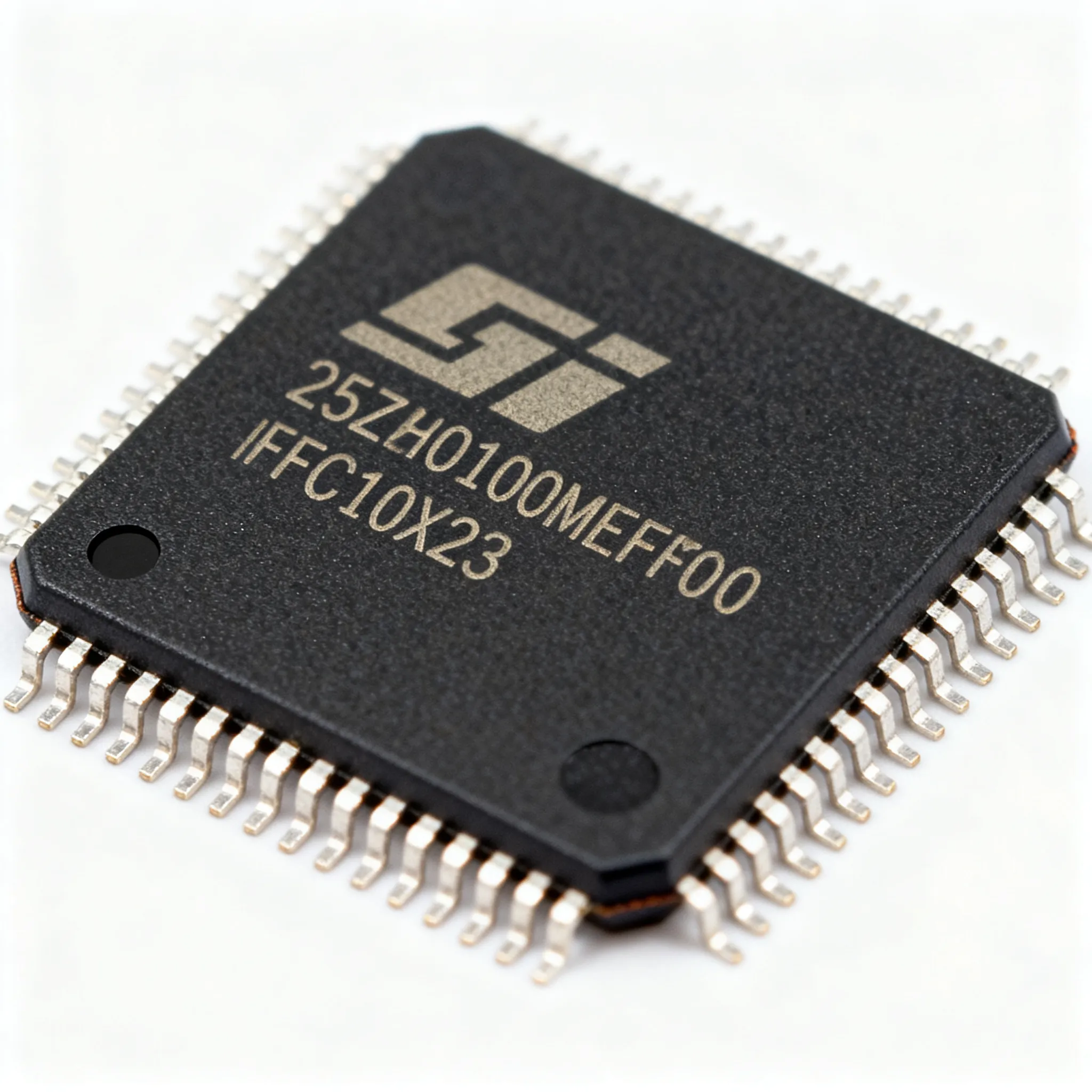
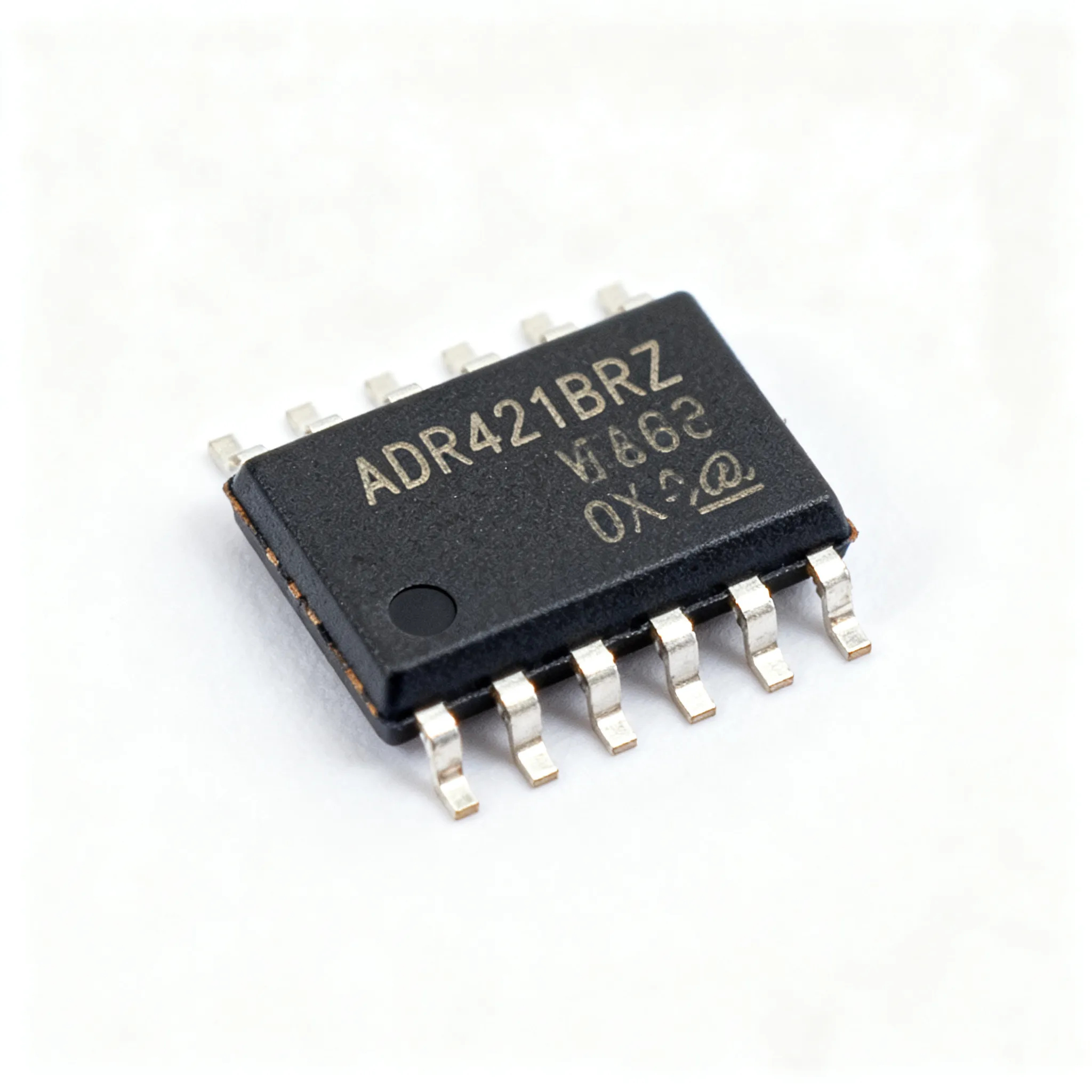
An application-specific integrated circuit (ASIC) is a chip made for one job. Unlike general-purpose processors, which do many tasks, ASICs focus on one. This makes them faster and use less power. For example, ASICs are used in cryptocurrency mining. They solve puzzles quicker and better than other devices.
ASICs combine many features into one chip. These include processors, memory, and other parts. Their design is custom-made to do tasks like video encoding or running mobile devices. Newer ASICs, called structured ASICs, are faster to make. They use pre-made layers to save time. This method balances flexibility and efficiency.
Tip: Use ASICs when you need speed, low energy use, and low cost. They can handle special tasks with great performance.
ASIC vs. General-Purpose Chips
ASICs and general-purpose chips work differently. General-purpose chips, like CPUs, can do many things but are slower for specific jobs. GPUs, used for videos, need more power and get hotter than ASICs. FPGAs can be customized but are not as efficient as ASICs.
ASICs are better in speed, power use, and efficiency. In cryptocurrency mining, ASICs solve problems faster and save energy. This makes mining cheaper. For video encoding, ASICs work faster and give better quality than CPUs or GPUs. Their design focuses more on the task, improving results.
Here’s a table comparing power use and performance:
|
Chip Type |
Power Use (watts per unit computing power) |
Performance |
|---|---|---|
|
GPU |
0.4 |
- |
|
ASIC |
0.2 |
14-16 times better than GPU (TPU v1), 118 times better (NPU) |
ASICs are perfect for jobs needing high speed and low energy. They are great for cryptocurrency, video work, and mobile tech.
The Evolution of ASIC Design
Early Developments in ASICs
ASICs started as a move from basic parts to custom chips. This change began in the late 1980s and early 1990s. It was the first step toward making chips for specific tasks. Early ASICs were simpler than today’s but set the stage for progress.
In 1991, Dr. Tsugio Makimoto found a pattern called Makimoto’s Wave. He noticed chip design switches between standard and custom every ten years. This helped engineers plan and create better designs. Early ASICs aimed to save money and work more efficiently. They led to the advanced chips we use now.
Key Milestones in ASIC Design
ASIC design has grown through big achievements. Each step improved technology and performance. Here’s a table showing major advancements:
|
Year |
Milestone |
Description |
|---|---|---|
|
1991 |
Found a cycle between standard and custom designs. |
|
|
Late 1980s-90s |
Rise of ASICs |
Switched from basic parts to custom chips. |
|
2000s |
Advanced Packaging |
Used new methods like 3D stacking for better chips. |
|
2017-2027 |
Emergence of Chiplets |
Made modular chips for easier upgrades and better efficiency. |
These milestones show how ASICs keep improving to meet new tech needs. For example, 3D stacking in the 2000s made chips smaller and faster. Today, chiplets allow flexible designs for modern devices.
Modern Innovations in ASIC Technology
Today’s ASICs are breaking new ground. Write reduction technology changes how data is stored. It reduces SSD writes, boosting speed and lifespan. This is vital for tasks like fast trading, where reliability matters.
Other advances include energy-saving ASICs for AI and ML. These chips are stronger but use less power. They help in areas like healthcare and self-driving cars. In 5G networks, ASICs manage fast data and low delays. This makes them key for modern communication.
Here’s a quick list of recent breakthroughs:
-
AI and ML ASICs are more powerful and energy-efficient.
-
Write reduction technology improves SSD speed and durability.
-
5G ASICs handle fast data and reduce delays.
These innovations show how ASICs are shaping the future. They make electronics faster, smarter, and more efficient.
Advantages of ASICs in Electronics
Performance Benefits of ASICs
ASICs are made to do one job really well. Unlike regular chips, they are designed for specific tasks. This makes them faster and more efficient. They are great for jobs like mining cryptocurrency, encoding videos, or running AI programs. With ASICs, tasks are done quicker and smoother.
-
ASICs are built for specific tasks, saving energy and working better.
-
They cost less over time by using fewer parts and less power.
For example, in AI, ASICs make machine learning faster and use less energy. This is important for industries needing strong computing without wasting power. Using ASICs gives you better performance for important tasks.
Cost-Effectiveness in ASIC Design
ASICs save money, especially when making many products. Their custom design means fewer extra parts are needed. This lowers the cost to make each unit. Businesses can save more money by using ASICs in large-scale production.
Here are some examples:
-
In cars, replacing parts with an ASIC cut the price to $1.46 per unit. With 40,000 units sold monthly, costs were recovered in nine months.
-
In medical devices, an ASIC lowered the price to $2.30 per unit, compared to $7.56 for other parts. It took 1 million units to break even, but long-term savings were huge.
These examples show how ASICs save money and help industries grow. Choosing ASICs means spending less and planning for future success.
Energy Efficiency of Application-Specific Integrated Circuits
ASICs are very energy-efficient. Their special design uses less power, which is great for devices needing low energy. Whether for phones, data centers, or IoT, ASICs do more while using less energy.
ASICs use less power than general chips like GPUs or FPGAs. For example, in cryptocurrency mining, ASICs need only 0.2 watts per computing unit. GPUs, however, need 0.4 watts. This saves money and helps the environment.
Note: Using ASICs helps the planet. They save energy and support eco-friendly technology.
Modern ASICs also have new energy-saving features for AI and machine learning. These features let you do hard tasks without wasting resources. With ASICs, you get great performance and help the environment. They are key to the future of electronics.
Applications of ASICs Across Industries
ASICs in Consumer Electronics
You use ASICs every day in your gadgets. They power phones, tablets, smart TVs, and wearables. These chips help devices work faster while using less energy. In 2023, over 36.8% of the ASIC market came from consumer electronics. This is because smart devices need quick processing and strong connectivity.
Smart homes also increase the use of ASICs. These chips make devices connect and work together smoothly. For instance, HiSilicon Solution creates ASICs for better video quality. Their chips improve 8K streaming and reduce delays, making entertainment better. Check out their work here.
As technology improves, gadgets need better chips. ASICs are perfect because they save energy, are small, and handle more data. This makes them essential for today’s electronics.
Role of ASICs in Industrial and Automotive Sectors
ASICs are important in industries like cars and factories. In vehicles, they make safety systems like ADAS work better. These systems use ASICs to process data quickly, helping avoid crashes and stay in lanes. Tesla uses ASICs to improve car performance and battery life.
Entertainment systems in cars also use ASICs. These chips combine audio, video, and internet features into one. This lowers costs and makes systems work better. They also handle extreme temperatures, showing their durability.
|
Case Study |
Description |
Impact |
|---|---|---|
|
Processes real-time data |
Improves car performance and battery life |
|
|
Safety-critical ASIC for ADAS |
Handles sensor inputs for safety |
Helps avoid accidents |
|
Infotainment system ASIC |
Combines many features into one chip |
Cuts costs and boosts performance |
In factories, ASICs make machines more efficient. They combine many functions into small chips, saving energy and improving productivity.
Application-Specific Integrated Circuits in Emerging Technologies
New tech like IoT, AI, and 5G depends on ASICs. IoT devices need energy-saving chips for data tasks. ASICs are designed to handle this without wasting power.
In AI, ASICs give the power needed for tough tasks. They process data faster and use less energy. This makes them great for healthcare and self-driving cars.
5G networks also rely on ASICs. These chips handle fast data and reduce delays, ensuring smooth connections. North America is expected to lead in ASIC growth, driven by IoT and 5G advancements.
Note: ASICs are changing technology by making devices smarter, faster, and more efficient across all industries.
Challenges and Future Trends in ASIC Design
Tackling Design Challenges
Making ASICs is hard and needs special skills. High costs and long development times stop smaller companies from joining the market. Designing these chips is tricky and takes careful checking. Even small mistakes can cause big delays and extra costs.
Here are the main challenges:
|
Problem |
Explanation |
|---|---|
|
High Costs |
Making ASICs costs a lot upfront and takes time, slowing growth for smaller companies. |
|
Slow Production |
Designing, testing, and making ASICs takes a long time, which is tough for fast-moving industries. |
|
Complex Design Steps |
The design process is detailed and needs experts. Mistakes can lead to delays and extra work. |
To solve these problems, companies can use modular designs and simulation tools. Modular designs break big tasks into smaller parts, making them easier to handle. Simulation tools help test designs before making them, saving time and avoiding errors.
Future Changes in ASIC Technology
ASICs are getting better and more focused on specific tasks. Custom designs now improve speed and save energy. For example, the LATIC1 prototype ASIC uses advanced technology to measure time with great accuracy. It combines circuits and converters to achieve precision better than 25 picoseconds. This shows how ASICs can be used for very specific jobs.
New ideas also focus on safety and flexibility. Some ASICs protect important data while letting users adjust them for special needs. But making custom chips is still hard and takes years to finish. It needs a lot of money and expert knowledge.
Here’s a look at the good and bad sides of future ASICs:
|
Advantage/Problem |
Explanation |
|---|---|
|
Better Performance |
Custom designs make chips faster for specific tasks. |
|
Energy Saving |
Chips use less power, which is great for battery devices. |
|
Lower Costs |
Good for high-speed or low-energy tasks. |
|
Improved Security |
Keeps sensitive data safe. |
|
Flexible Designs |
Can be adjusted for different uses. |
|
Hard to Develop |
Making custom chips is slow and needs lots of resources. |
As ASICs improve, they will help AI, IoT, and 5G grow. These changes will make electronics smarter, faster, and better for the future.
The story of ASIC technology shows how it has grown over time. From simple beginnings to advanced designs, these chips now power many industries. They offer great speed, save money, and use less energy. ASICs are used in gadgets, cars, and new tech like AI and 5G. These uses show how they can change the way we use technology. In the future, ASICs will keep improving electronics, making devices smarter and faster. These chips are more than just parts—they are the building blocks of future inventions.
FAQ
What makes ASICs different from other chips?
ASICs are made for one specific job. Unlike general-purpose chips like CPUs or GPUs, they are faster and use less energy for their task. For example, ASICs built for cryptocurrency mining work quicker and save more power than GPUs.
Can small businesses afford to use ASICs?
Yes, but only in some situations. ASICs cost a lot to make at first. However, they save money when making many products. If your business makes thousands of items, ASICs can lower costs by using less energy and simpler designs.
Are ASICs environmentally friendly?
Yes, ASICs use less energy than general-purpose chips. This helps lower carbon emissions, especially in places like data centers and IoT devices. By choosing ASICs, you save energy and support eco-friendly technology.
How do ASICs improve AI performance?
ASICs handle AI tasks faster by focusing on specific processes. They use less power but still deliver strong computing. This makes them great for things like machine learning, medical tools, and self-driving cars.
What industries benefit the most from ASICs?
Industries like electronics, cars, and communication depend on ASICs. They make phones faster, improve car safety, and help 5G networks run smoothly. New areas like AI and IoT also need ASICs for better performance and innovation.
Tip: Thinking about using ASICs? Check your production size and energy needs first.