What You Need to Know About AC DC Converters in Modern Electronics
An ac-dc converter changes alternating current (AC) from a wall outlet into direct current (DC) that powers electronic devic
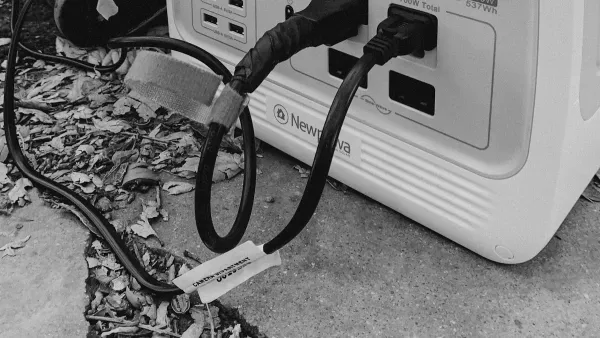
An ac-dc converter changes alternating current (AC) from a wall outlet into direct current (DC) that powers electronic devices. Most electronics need DC to work safely and efficiently. The ac dc convert process supports everything from smartphones to industrial machines. Over the past decade, the electronics industry has seen a sharp rise in demand for ac dc convert technology.
Experts note that ac/dc power converters have become more advanced, reliable, and energy-efficient as electronics continue to evolve. Understanding how an ac-dc converter works helps designers and users improve device performance and reliability.
- The market for ac-dc converter solutions grows as electronic devices become smarter and more connected.
Key Takeaways
- AC-DC converters change alternating current from the power grid into direct current that electronic devices need to work safely and efficiently.
- These converters protect devices by providing stable voltage, preventing damage from AC power's fluctuations and noise.
- Key parts of AC-DC converters include transformers, diodes, capacitors, and voltage regulators that work together to convert, smooth, and control power.
- Switching converters offer higher efficiency and smaller size, while linear converters produce less noise and suit sensitive devices.
- Choosing the right converter means matching voltage and current needs, checking efficiency ratings, and ensuring safety certifications for reliable performance.
AC-DC Converter Basics
What Is an AC-DC Converter?
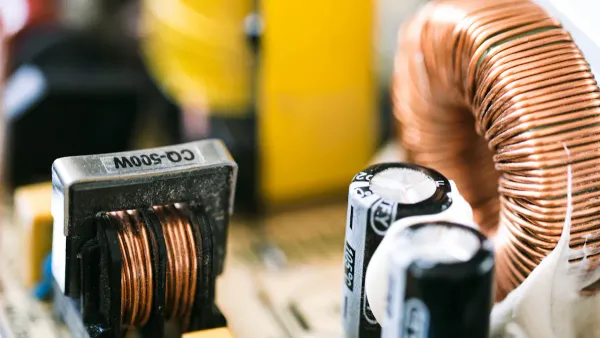
An ac-dc converter changes alternating current from the power grid into direct current for electronic devices. Leading electronics textbooks and standards organizations define an ac-dc converter as a device that converts AC voltage to DC voltage. Homes and businesses receive AC voltage, usually at 100V or 200V, because AC travels long distances with less energy loss. Most electronics, such as computers and smartphones, need DC voltage like 3.3V or 5V to operate safely. The ac dc convert process allows devices to use the electricity supplied by the grid.
The ac/dc converter performs several important functions in electronic circuits. The table below shows the main roles of ac-dc converters:
| Function | Description |
|---|---|
| Conversion | Converts AC voltage to DC voltage by steering AC through reactive elements (inductors, capacitors) to separate positive and negative potentials. |
| Filtering | Uses capacitors and inductors to smooth the rectified output, creating a stable DC source. |
| Rectification | Employs semiconductor devices (diodes, thyristors) to allow current flow in one direction, converting AC to DC. |
| Regulation | Maintains constant output voltage despite load changes by dynamically controlling energy stored in reactive elements via feedback and switching (PWM). |
| Power Stage Control | Uses high-frequency switching controlled by PWM to efficiently deliver power and reduce transformer size. |
| Isolation | Utilizes transformers to provide galvanic isolation from mains, enhancing safety and noise reduction. |
| Noise Suppression | Input filters prevent noise from power supply switching elements from affecting mains and subsequent circuits. |
| Efficiency Enhancements | Implements soft switching, synchronous rectification, and advanced control modes to reduce losses and improve efficiency. |
The ac dc convert process supports power conversion for many devices, making sure they receive the correct voltage and current.
Why AC DC Convert Is Needed
Most electronic devices require a stable, unidirectional DC voltage to function correctly. AC power changes direction and magnitude many times per second. Sensitive components like transistors, LEDs, and microprocessors can malfunction or become damaged if exposed to AC. Many devices use rechargeable batteries, which need DC power for charging. The power grid supplies AC because it is efficient for long-distance transmission, but electronic devices operate on lower DC voltages. The ac-dc converter ensures compatibility, power stability, and reliable operation for modern electronics.
Tip: Using AC power directly in devices designed for DC operation can cause serious problems. AC voltage introduces higher peak voltages, reverse cycles, and fluctuations that may destroy components such as electrolytic capacitors and semiconductors. The alternating nature of AC causes humming noise in audio equipment and chatter in relays. DC devices may fail to operate properly or reset during the low voltage periods of AC.
Some consequences of using AC power directly in DC devices include:
- Destruction of electronic components like transistors and capacitors, sometimes causing burning or fire.
- Batteries designed for DC charging will not charge on AC and may explode.
- AC signals cause humming noise in relays and audio devices.
- Microcontrollers and microprocessors malfunction because AC causes rapid ON/OFF signals.
- Components may fail to reset or operate properly due to the alternating polarity of AC.
- Protective devices like fuses may blow to prevent further damage, often with sparks or smoke.
The ac dc convert process protects devices from these risks. Ac-dc converters maintain steady output voltage and efficient power transfer in many electronic systems. Power conversion technology enables renewable energy systems, uninterruptible power supplies, and industrial motor drives to work safely and reliably.
How AC/DC Power Converters Work
Key Components
An ac-dc converter uses several main parts to change alternating current into direct current. Each part plays a unique role in the power conversion process. A typical ac/dc converter includes the following components:
- Step-down transformer: This device lowers the high AC voltage from the power grid to a safer, lower level for further conversion.
- Diode bridge: Four diodes work together to convert AC into pulsating DC by allowing current to flow in only one direction.
- Filter capacitor: This large capacitor smooths the pulsating DC output, reducing voltage ripple and making the DC more stable.
- Voltage regulator: This part keeps the DC output steady, even when the input or load changes.
These components form the core of a traditional power conversion unit. Designers select each part based on the needs of the device and the quality of power required. Diodes and capacitors are essential for the conversion process, as they help change AC to DC and smooth the output.
Rectification and Filtering
Rectification is the first step in the conversion process. The rectifier uses diodes to allow current to flow in only one direction. This action changes the AC input into pulsating DC. The most common rectifier types include half-wave, full-wave, and bridge configurations. The bridge rectifier uses four diodes and does not need a center-tapped transformer, making it efficient and compact.
| Aspect | Explanation |
|---|---|
| Rectification Process | Diodes conduct during positive half-cycles and block during negative half-cycles, converting AC to pulsating DC. |
| Half-Wave Rectifier | Uses one diode; conducts only during positive half-cycle; output is pulsating DC with high ripple and low efficiency. |
| Full-Wave Rectifier | Uses two (center-tapped) or four (bridge) diodes; converts both AC half-cycles to DC; output has higher average voltage and lower ripple. |
| Bridge Full-Wave | Uses four diodes in bridge; efficient, compact, and produces stable DC output. |
| Ripple Voltage | Fluctuations in output voltage; higher in half-wave rectifiers; reduced in full-wave rectifiers due to doubled ripple frequency. |
| Smoothing Capacitors | Reduce ripple by charging and discharging to smooth output voltage; larger capacitors reduce ripple more effectively. |
| Filters (RC, LC) | Further reduce ripple and stabilize DC output, improving power supply quality and reliability. |
After rectification, the output still contains ripples. Filtering removes these ripples and makes the DC output more stable. AC-DC converters use passive components such as capacitors and inductors arranged in filter topologies like LC, RC, and pi filters. Capacitor input filters work well for stable, low current loads, while choke input filters suit higher currents and variable loads. Large electrolytic capacitors and iron-core chokes handle high ripple currents before the voltage regulator or load. Ripple filters act as low-pass filters, using shunt capacitors and series chokes to smooth the output. In switched-mode power conversion units, high-frequency ripple allows easier filtering.
Note: Increasing output capacitance and using low-ESR capacitors help reduce ripple. Designers also optimize PCB layout and use low-noise voltage regulators to minimize ripple propagation.
Voltage Regulation
Voltage regulation is the final step in the conversion process. The voltage regulator keeps the DC output steady, even when the input voltage or load changes. Linear voltage regulators maintain a steady output by controlling resistance and dissipating excess voltage as heat. These regulators offer simplicity and low noise but have lower efficiency. Switching voltage regulators use high-frequency switching and energy storage elements like inductors and capacitors. These regulators support buck, boost, and buck-boost topologies, making them efficient and versatile.
- Linear voltage regulators provide fast response and low noise but generate more heat.
- Switching voltage regulators use transistors and energy storage components to efficiently convert input voltage to the desired output.
- Buck converters step down voltage, boost converters step up voltage, and buck-boost converters can do both.
- Advanced techniques like soft-switching reduce losses and improve efficiency.
Voltage regulation is vital for device safety. It prevents damage from unstable voltage levels and ensures reliable operation. In medical devices, precise voltage regulation supports accurate diagnostics and protects patients and equipment. Automatic voltage stabilizers use transformers, sensors, and control circuits to maintain constant voltage levels. Solid-state voltage regulators use semiconductor devices for quick and reliable adjustments.
Tip: Proper voltage regulation extends equipment lifespan, ensures data integrity, and safeguards users by maintaining consistent and safe operating conditions.
Types of AC/DC Converter
Linear AC-DC Converters
Linear ac-dc converters use a simple design to change AC power into DC power. These converters step down the voltage using a transformer, then use a rectifier and filter to produce a smooth DC output. A transistor controls the voltage by turning extra energy into heat. This method creates very little electrical noise, so linear ac-dc converters work well in sensitive devices like audio equipment and medical tools.
The table below compares linear ac-dc converters with switching converters:
| Characteristic | Linear AC-DC Converters | Switching Converters |
|---|---|---|
| Efficiency | Low, drops with higher voltage difference | High, often 85-95% |
| Voltage Conversion | Step-down only | Step-up or step-down |
| Noise | Very low | More switching noise |
| Complexity | Simple | More complex |
| Cost | Low | Higher |
| Heat Generation | High | Low |
Linear ac-dc converters are best for low-power or noise-sensitive uses. However, they waste more energy as heat and cannot increase voltage.
Switching AC-DC Converters
Switching ac-dc converters use high-frequency switching to control power flow. They first change AC into DC, then use a transistor to rapidly turn the current on and off. This process creates high-frequency pulses, which pass through a small transformer and then get smoothed into DC again. High-frequency switching allows these converters to be smaller and lighter than linear types.
Switching ac-dc converters can both step up and step down voltage. They work with higher efficiency and generate less heat. However, they produce more electrical noise and have a more complex design. Modern switching converters can reach up to 98% efficiency in some cases. Devices like computers, TVs, and battery chargers often use these converters.
Note: The use of gallium nitride (GaN) transistors in switching ac-dc converters has made them even smaller and more efficient.
Specialized AC/DC Converter Designs
Some ac-dc converters are designed for special uses, such as medical devices or aerospace systems. These converters must meet strict safety and reliability standards. For example, medical-grade converters follow FDA rules and provide stable power for sensitive equipment. Aerospace converters focus on being lightweight, reliable, and able to handle harsh conditions.
Specialized ac-dc converters often use digital control, wide bandgap semiconductors, and single-stage power factor correction. These features help improve efficiency and reduce heat. Engineers measure their performance by checking voltage control, efficiency, and total harmonic distortion. Some advanced designs reach up to 95% efficiency and keep voltage steady even when the load changes.
- Key performance metrics include:
- Output voltage control
- Efficiency
- Harmonic distortion
- Power factor
Specialized ac-dc converters support mission-critical systems by providing clean, reliable power.
Applications of AC-DC Converters
Consumer Electronics
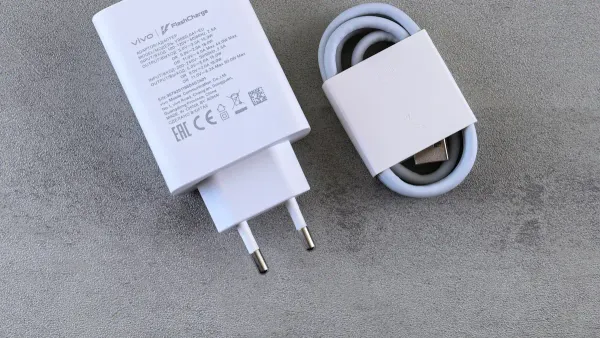
AC-DC converters play a key role in powering everyday electronic devices. Most devices with electronic circuits need low voltage DC power. Larger products, such as televisions and desktop computers, often have internal AC-DC converters. Smaller devices, including smartphones and laptops, use external adapters for safety and size reasons. Modern LED and CFL lights also contain internal converters to operate efficiently.
- Common devices using AC-DC converters:
- Computers
- Televisions
- Smartphones
- LED lights
- Gaming consoles
These converters help devices run efficiently by providing stable, regulated DC power. Advanced designs use wide-bandgap semiconductors, such as silicon carbide and gallium nitride, to improve efficiency and reduce heat. This technology supports longer device lifespans and lower energy use. The table below shows how AC-DC converters boost energy efficiency in consumer electronics:
| Aspect | Explanation |
|---|---|
| Efficiency Gains | DC systems with AC-DC converters show 4% to 10% higher efficiency than AC-only systems. |
| Conversion Stage Reduction | Fewer conversion steps lower energy loss by about 1%. |
| Modern Load Compatibility | Devices like LED lighting benefit from direct DC supply, reducing conversion losses. |
Tip: Smaller, more efficient converters also help reduce material use and support sustainability.
Industrial Uses
Factories and other industrial settings depend on AC-DC converters for automation and control. These converters power DC motors, sensors, and controllers in manufacturing. The medical field uses them to supply stable power to imaging devices and life-saving equipment. The transportation sector relies on them for charging electric vehicle batteries and powering railway systems. Telecommunication companies use AC-DC converters to keep servers and switches running without interruption.
- Key industrial applications:
- Motor drives for smooth starting and speed control
- Powering control modules like PLCs and DCS
- Supplying sensors for temperature, pressure, and flow
Industrial converters must meet strict reliability standards. They need to handle high voltage, manage heat, and use special components to ensure long-term operation. Careful design and strong packaging help these converters work well in harsh environments.
High-Fidelity Audio Equipment
High-fidelity audio equipment needs clean, stable, and low-noise power for the best sound quality. AC-DC converters in these systems filter out electrical noise and voltage fluctuations. Some advanced audio devices use special AC regeneration technology. This process converts AC to DC, then rebuilds a pure AC signal, removing interference from the power grid. The result is a power source that supports clear and accurate sound.
- Important features for audio converters:
- Low noise output, often under 50μV
- Fast response to load changes
- Strong filtering to reduce ripple and high-frequency noise
- Careful PCB layout to prevent interference
Note: High-quality AC-DC converters help audio equipment deliver superior sound by keeping power clean and stable.
Choosing AC-DC Converters
Efficiency and Performance
Selecting the right AC-DC converter starts with understanding the device’s voltage and amperage needs. Devices like smartphones need low voltage, while industrial machines require higher voltage. The converter must match these requirements to work safely. Efficiency ratings matter because they show how much energy the converter wastes. A converter with 90% efficiency uses less power and produces less heat than one with 80%. High efficiency also helps lower electricity bills and supports renewable energy systems. Key performance factors include rectification efficiency, ripple factor, and power factor. Low ripple and harmonic distortion are important for sensitive electronics, such as audio equipment. The choice between linear and switching converters depends on the application. Linear converters offer low noise but less efficiency. Switching converters provide higher efficiency and smaller size, which suits most modern devices.
Tip: Always check the efficiency rating. A rating above 85% means less wasted energy and better performance.
Safety and Reliability
Safety features protect both the device and the user. Reliable converters include short circuit and thermal overload protection. These features stop the converter from overheating or causing fires. International standards, such as IEC 62368-1 and UL 60950, set rules for insulation, fire resistance, and leakage current. Medical devices follow stricter standards, like IEC 60601-1, to keep patients safe. Manufacturers test converters for durability, voltage control, and environmental resistance. They use tools like multimeters, oscilloscopes, and thermal cameras to check for faults. Certification agencies review test results and approve converters for use. Regular audits and retesting help maintain reliability over time.
| Category | Standard / Certification | Key Requirement |
|---|---|---|
| Consumer | UL 60950, CE | Fire safety, insulation, leakage |
| Medical | IEC 60601-1 | Dual insulation, low leakage |
| Industrial | IEC 61010-1 | Vibration, over-voltage safety |
Compatibility and Sizing
Compatibility ensures the converter fits and works with the device. The input voltage range must match the device’s needs. Electromagnetic compatibility (EMC) prevents interference with other electronics. Safety insulation grades protect against electric shock. The physical size and mounting type must fit the available space. Small devices use compact adapters, while industrial machines need larger, rugged units. Medical devices require adapters that meet strict safety standards. Output voltage, current rating, and connector type must match the device to prevent damage. Over-current and over-voltage protection features add extra safety.
- Small devices use wall adapters with fixed outputs.
- Laptops need desktop adapters with higher power.
- Industrial equipment uses DIN rail adapters for harsh environments.
- Medical devices require medical-grade adapters with strict safety features.
Note: Always check the converter’s certifications and make sure it matches the device’s power and safety needs.
AC-DC converters power many modern devices. They help electronics run safely and efficiently. Designers and users should focus on choosing converters with high efficiency and strong reliability. Proper selection improves device performance and extends lifespan.
Remember: Understanding how AC-DC converters work helps everyone make better choices for their electronics.
A smart choice leads to safer, longer-lasting devices at home, in industry, and in medical settings.
FAQ
What is the main job of an AC-DC converter?
An AC-DC converter changes electricity from alternating current (AC) to direct current (DC). Most electronic devices need DC power to work safely and correctly.
Can one AC-DC converter work with all devices?
No, each device needs a converter that matches its voltage and current needs. Using the wrong converter can damage the device or cause it to stop working.
Why do some converters get hot during use?
Heat comes from energy lost during the conversion process. Linear converters lose more energy as heat. Switching converters stay cooler because they work more efficiently.
How can someone tell if a converter is safe?
Look for safety marks like UL, CE, or IEC on the label. These marks show the converter passed safety tests and meets important standards.
Do AC-DC converters waste a lot of energy?
Most modern converters work efficiently. Switching converters can reach up to 95% efficiency. Choosing a high-efficiency converter helps save energy and lower electricity costs.