How SPI Keys Enhance Flexibility in Modern Electronics
You experience more flexibility in modern electronics thanks to the spi key. The serial peripheral interface gives you fast
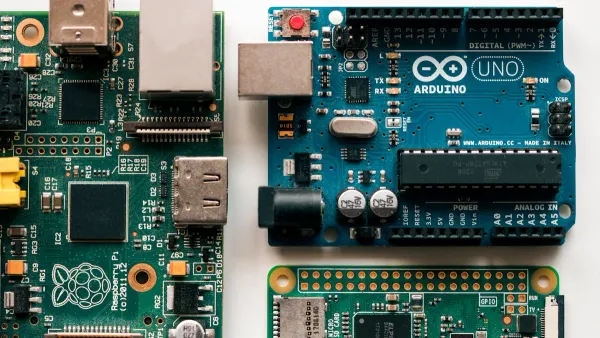
You experience more flexibility in modern electronics thanks to the spi key. The serial peripheral interface gives you fast and reliable communication, which supports modular design and real-time updates. Many sectors now rely on spi for high-performance connections and efficient data transfer.
- The SPI NAND flash market reached about USD 1.2 billion in 2023.
- Experts expect it to grow to around USD 2.8 billion by 2033 with a 9.64% CAGR.
- Consumer electronics, automotive, and industrial fields drive this growth.
| Aspect | Details |
|---|---|
| Market Growth Rate | Projected growth of approximately 7.5% annually through 2025 in the semiconductor and electronics manufacturing industry. |
| Market Value | Expected to reach USD 1.12 billion by 2026, driven by demand for efficient communication protocols. |
| Application in Industries | Used in automotive for sensor connections, healthcare for real-time data transmission, and consumer electronics for faster communication. |
| Importance of Data Transfer | Enhances device functionality and contributes to energy savings, crucial for modular design and real-time updates. |
Key Takeaways
- SPI keys enable fast data transfer, making your devices respond quickly and efficiently.
- You can connect multiple devices to one master using SPI, allowing for easy system expansion.
- The simple hardware setup of SPI makes it easy to add new components without complications.
- SPI supports full-duplex communication, allowing simultaneous data sending and receiving for improved performance.
- Using SPI in IoT devices enhances real-time data sharing, making your technology smarter and more adaptable.
SPI Key Basics
What Is a SPI Key
You often see the term "spi key" when you work with digital devices. A spi key refers to the main signals that make up the spi protocol. These signals help devices talk to each other quickly and reliably. Each spi key has a special job in the communication process.
Here is a simple table that shows the four main spi keys and what they do:
| SPI Key | Description | Function |
|---|---|---|
| SCLK | Serial clock (Output from master) | Provides the clock signal for synchronization |
| MOSI | Master Out Slave In | Carries data from master to slave |
| MISO | Master In Slave Out | Carries data from slave to master |
| SS/CS | Slave Select/Chip Select | Selects which slave device to communicate with |
You use these keys to send and receive data between a master device and one or more slave devices. The master controls the clock and chooses which slave to talk to. The MOSI and MISO lines move data back and forth. This setup makes spi fast and reliable for many tasks.
Tip: When you design a circuit, always check that each spi key connects properly. This helps prevent errors and keeps your system running smoothly.
Role in Serial Peripheral Interface
The serial peripheral interface uses spi keys to create a simple way for devices to share information. You can connect sensors, screens, or memory chips using spi. The protocol works well for fast data transfer and supports full-duplex communication, which means you can send and receive data at the same time.
SPI stands out for speed, but you should know how it compares to other protocols. For example, I2C lets you connect more devices on one bus, supporting up to 1,024 addresses. This makes I2C better for large systems. However, spi gives you higher data rates. You need a separate slave select line for each device, which can make wiring more complex as you add more devices. You must balance speed and scalability when you choose between spi and other options.
You see spi in many electronics because it offers flexibility and strong performance. The spi key signals make it easy to build systems that need quick and reliable communication.
SPI Advantages
Fast Data Transfer
You want your electronics to work quickly and smoothly. The spi key helps you achieve high-speed data transfer between devices. SPI stands out because it moves data much faster than other protocols like I2C and UART. You can see the difference in the table below:
| Protocol | Max Speed | Communication Type | Data Transfer Method |
|---|---|---|---|
| SPI | 10 Mbps | Full-duplex | Synchronous |
| I2C | 1 Mbps | Half-duplex | Asynchronous |
| UART | 1 Mbps | Half-duplex | Asynchronous |
SPI is designed for high-speed applications. Some modern devices reach speeds up to 60 Mbps, which makes spi perfect for tasks that need rapid data exchange. You often find spi in microcontrollers that control sensors, screens, and memory chips. These devices need to send and receive data quickly to keep up with user demands.
- SPI supports very high speeds and throughput. You can use it for data-intensive sensors like fingerprint readers.
- Typical spi bus speeds are around 50 MHz, which means you get fast bit rates.
- There is no strict standard for spi speeds, so different devices may offer different maximum rates.
Note: SPI-based systems use less power than UART and I2C. This makes spi a smart choice for battery-powered devices like wearables. If you add Direct Memory Access (DMA), you can save even more energy because the CPU does not need to manage every data transfer.
Full-Duplex Communication
You need reliable and efficient communication in your electronics. SPI gives you full-duplex communication, which means you can send and receive data at the same time. This feature boosts performance and makes your system work faster.
- SPI supports full-duplex communication, so your master and slave devices can talk to each other without waiting.
- This capability increases data transfer efficiency compared to I2C and UART, which only allow half-duplex communication.
The simultaneous data transmission and reception in spi's full-duplex mode improves system performance. You get quick and continuous data flow, which is important for applications that need fast responses. For example, when you use spi in sensor hubs or engine control units, you can process information in real time. This reduces delays and helps your electronics react instantly.
In practical applications, full-duplex communication lets you handle more data in less time. You see this advantage in high performance systems, such as industrial automation and consumer devices. SPI makes integration easier because you do not have to wait for one side to finish before the other starts.
Multiple Device Support
You often need to connect several devices to one interface. SPI offers multiple device support, so you can link many components on a single bus. This flexibility helps you build complex systems without losing reliability.
| Evidence Description | Explanation |
|---|---|
| Multimaster SPI architecture | You can connect multiple devices and ensure reliable communication. |
| Flow control mechanism | SPI manages transmission rights to prevent data loss during concurrent writes. |
| Reduced line requirements | You only need CLK and MOSI lines for communication, which simplifies setup. |
You can use spi to connect sensors, displays, and memory chips to one microcontroller. The spi key signals make it easy to select which device you want to talk to. You get strong integration across different technologies, which is important for modern electronics.
However, you should know about some challenges. In high-density device networks, spi needs a separate chip select line for each device. This increases GPIO usage and makes hardware design more complex. You can solve this by using decoders to manage chip select lines or by daisy chaining devices. You can also add error-checking methods like CRC to improve reliability.
Tip: When you design with spi, plan your chip select lines carefully. This helps you avoid wiring problems and keeps your system flexible.
Recent advancements in spi technology have improved performance and reliability. You now see features like AI and machine learning for better defect detection, multi-projector systems for faster inspection, and IoT connectivity for real-time data sharing. These improvements help you build smarter and more adaptable electronics.
Applications of SPI
SPI TFT LCD
You see spi tft lcd modules in many modern electronics. These displays use the spi key to connect with microcontrollers. The spi interface reduces the number of pins you need, which helps with integration in compact designs. You get rapid data transmission, so your tft lcd responds quickly when you touch or send commands. Advanced features like dynamic backlight adjustment help you save power. You also find strong software support, which makes it easier for you to develop and connect spi tft lcd modules to different systems.
| Aspect | Description |
|---|---|
| Efficient Communication | SPI reduces the number of pins required for operation, enhancing integration in compact designs. |
| Rapid Data Transmission | The SPI interface allows for high-speed data transfer, improving display responsiveness. |
| Power Management | Advanced features like dynamic backlight adjustment help minimize power consumption. |
| Software Support | Comprehensive library support simplifies development and integration with various microcontrollers. |
You can rely on high-quality spi tft lcds for optimal performance in your projects. These modules give you clear images and fast updates, which are important for interactive applications.
Consumer Devices
You use spi in many consumer devices every day. The spi key helps connect sensors, memory devices, clocks, and lcd screens. You also find spi in home thermometers, automotive thermometers, vehicle tire pressure sensors, and video game controllers.
- Sensors
- Memory devices
- Clocks
- LCD screens
- Home thermometers
- Automotive thermometers
- Vehicle tire pressure sensors
- Video game controllers
In smartphones and wearables, spi tft lcd modules offer high-performance capabilities. Traditional spi reaches speeds up to 50 Mbps, but new XSPI and PSRAM technologies go beyond 200 Mbps. You get lower latency and better power efficiency, which means your devices work faster and last longer.
| Feature | Traditional SPI | XSPI/PSRAM |
|---|---|---|
| Speed | Up to 50 Mbps | Exceeds 200 Mbps |
| Latency | Higher | Reduced |
| Power Efficiency | Standard | Lower |
| Application in Devices | Limited | Enhanced for smartphones and wearables |
Industrial Automation
You find spi tft lcd modules in industrial automation systems. SPI provides a reliable, high-speed communication interface. You get fast data exchange between components in sensor hubs and engine control units. SPI supports safety and comfort features in automotive designs by enabling low latency and consistent performance.
- SPI provides a reliable, high-speed communication interface.
- It ensures fast data exchange between components in sensor hubs and engine control units.
- SPI supports safety and comfort features in automotive designs by enabling low latency and consistent performance.
SPI is favored in industrial environments because it offers high-speed data transfer for real-time applications. The master-slave architecture makes integration simple. Full-duplex communication lets you exchange data efficiently. You can connect multiple slave devices, which gives you scalability and flexibility. High-performance memory solutions like SPI Flash help you store and retrieve data quickly, maintain system stability, and expand your operations.
IoT Systems
You see spi tft lcd modules in many iot systems. SPI is a high-speed, synchronous serial communication protocol. You use it to transfer data efficiently between microcontrollers and peripheral devices. The master-slave architecture gives you precise timing and control over multiple devices. Dedicated chip select lines provide reliable communication, almost like having a direct connection to each sensor. Synchronous operation ensures data transfers match the clock signal, so you avoid timing problems.
- SPI is a high-speed, synchronous serial communication protocol.
- It enables efficient data transfer between microcontrollers and peripheral devices.
- The master-slave architecture allows for precise timing and control over multiple devices.
- Dedicated chip select lines provide reliable communication, akin to having a direct connection to each sensor.
- Synchronous operation ensures data transfers are timed with the clock signal, reducing timing uncertainties.
You benefit from spi tft lcd modules in iot applications because they offer fast, reliable, and scalable integration for real-time communication.
Design with SPI Keys
Best Practices
You want your design to deliver high performance and versatility. Start by choosing the right materials. Polyimide substrates offer strong thermal resistance and durability. Rolled Annealed copper works well for dynamic flexing in embedded systems and microcontrollers. You should optimize the bend radius based on the layer count. This step prevents fatigue fractures and keeps your interface reliable.
Use hatched polygons for trace routing. This method improves flexibility and signal integrity. Avoid placing vias in bend areas. Add stiffeners in critical spots to protect your spi key connections. Collaborate with fabricators early in the process. This teamwork helps you align your design with manufacturing capabilities.
Testing is important for reliability. You need to check your design against IPC standards and performance requirements. Follow these steps for robust validation:
- Define validation criteria.
- Design test cases.
- Execute tests.
- Analyze results.
- Implement fixes and revalidate.
- Maintain documentation.
| Best Practice | Description |
|---|---|
| Material Selection | Use Polyimide and Rolled Annealed copper for durability and flexing. |
| Optimize Bend Radius | Calculate minimum bend radius to prevent fractures. |
| Design Traces for Flexibility | Use hatched polygons and avoid vias in bend areas. |
| Incorporate Stiffeners | Add rigidity in critical areas. |
| Collaborate with Fabricators | Work with manufacturers early in the design process. |
| Test for Reliability | Validate against IPC standards and performance needs. |
Oversize connectors if you plan future expansion. This strategy supports modular integration and scalability. Software-upgradable features let you enhance your technology without hardware changes. Design for backward compatibility so new modules work with older systems. You get greater noise immunity and faster data rates, which are important for high-resolution performance in thin film transistor and liquid crystal display applications.
Tip: Always validate your customizable displays in real-world scenarios. This step ensures your product meets user needs and regulatory standards.
Common Challenges
You may face challenges when you implement spi in microcontrollers. Signal integrity issues can cause data corruption. Electrical noise, long wires, or poor grounding often lead to problems. You can solve these by routing spi lines over a ground plane and using wider traces. If you use a two-layer board, place ground pour around your spi lines.
Configuration mismatches happen when clock polarity or phase settings are incorrect. Test and verify your settings to avoid communication errors. Managing multiple slave devices increases wiring complexity. Multiplexers or suitable microcontrollers help you organize connections.
Lack of error-checking mechanisms can result in data inaccuracies. Add error detection protocols or checksums to your design. You should also conduct reliability, functional, and validation testing. These tests confirm your product’s durability, functionality, and compliance.
| Challenge | Description | Solution |
|---|---|---|
| Signal Integrity | Electrical noise causes data corruption. | Use shielded cables and proper grounding. |
| Configuration Mismatches | Incorrect clock settings disrupt communication. | Test and verify all settings. |
| Managing Multiple Slave Devices | Complex wiring and pin allocation. | Use multiplexers or suitable microcontrollers. |
| Lack of Error-Checking Mechanisms | Data inaccuracies due to missing error detection. | Implement error detection protocols. |
You improve your spi key design by following these guidelines. You achieve reliable integration and high performance in your applications.
You see how SPI keys and the serial peripheral interface protocol make modern electronics flexible and adaptable.
- SPI lets you exchange data quickly, which helps your devices respond in real time.
- You can connect many components with one master, so your system grows easily.
- The simple hardware setup means you can add new parts without trouble.
- AI edge devices and smart sensors use SPI for learning and fast decisions near the source, making your technology smarter.
FAQ
What is a SPI key and why do you need it?
You use a SPI key to connect devices like sensors and displays. It helps your electronics share data quickly and reliably. SPI keys make your system flexible and easy to upgrade.
How does SPI improve communication in iot devices?
SPI gives you fast and stable data transfer. You can connect many sensors and controllers. This helps you build smart systems that respond in real time.
Can you connect more than one device with SPI?
You can link several devices to one master. Each device gets a chip select line. You control which device talks at any time. This setup makes your system scalable.
What problems might you face when using SPI?
You may see signal noise or wiring issues. You solve these by using short wires and good grounding. Always check your settings before you start your project.
Is SPI better than I2C for speed?
SPI works faster than I2C. You get higher data rates and full-duplex communication. Choose SPI if you need quick responses and real-time updates.