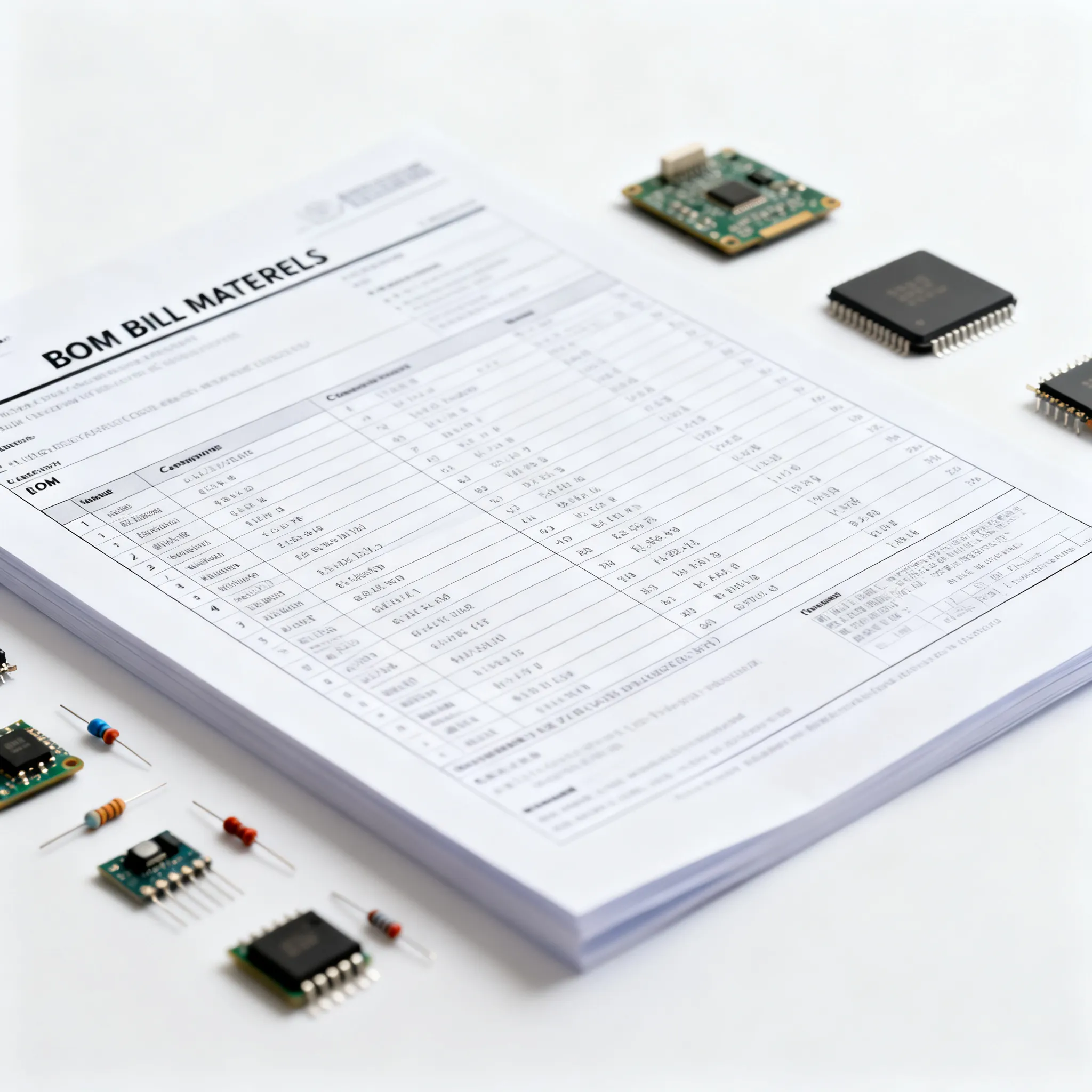
What Integrated Circuit Technology Is Best for Your Next Product Development?
Choosing what integrated circuit to use for your design is crucial. Every product has unique requirements. You should consider performance, price, and scalability options. New technology ensures your product operates efficiently and meets user expectations. A well-thought-out design helps your product align with market demands and succeed.
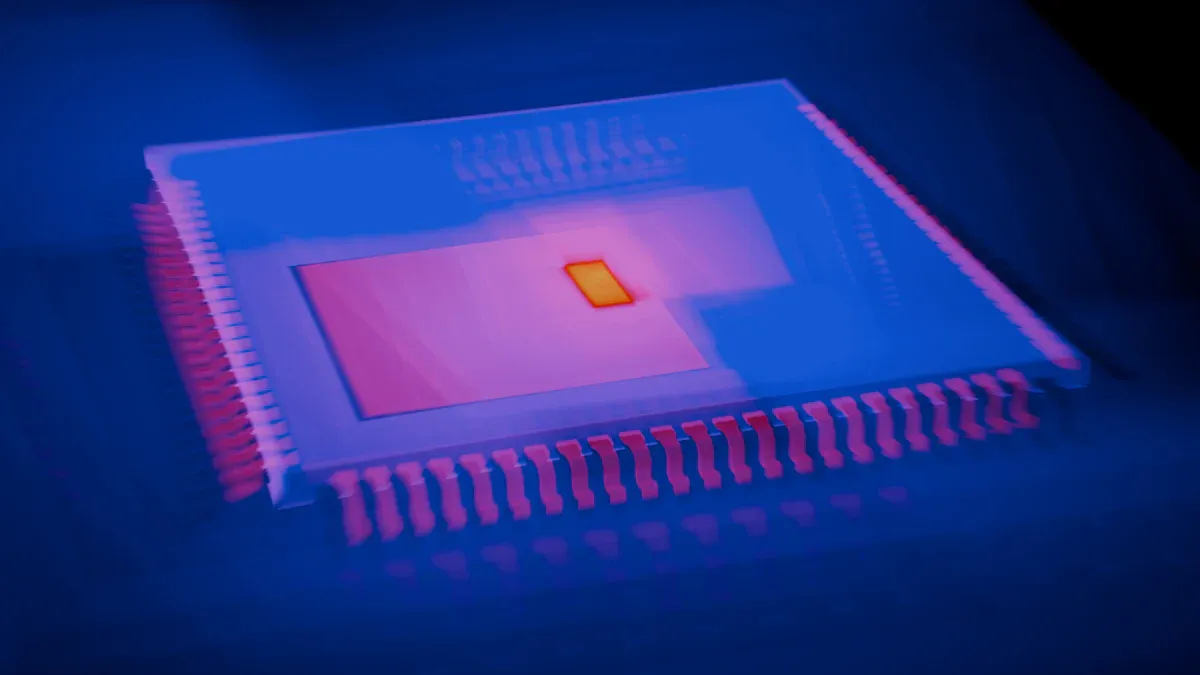
Choosing what integrated circuit to use for your design is crucial. Every product has unique requirements. You should consider performance, price, and scalability options. New technology ensures your product operates efficiently and meets user expectations. A well-thought-out design helps your product align with market demands and succeed.
Key Takeaways
-
Picking the right IC is key for product success. Think about how it performs, uses power, and grows with demand.
-
Analog, digital, mixed-signal, ASICs, and FPGAs do different jobs. Learn their benefits to choose the best one for your product.
-
Power use affects battery life and efficiency. Use low-power ICs in portable gadgets to save energy and work better.
-
Managing costs is important. Match IC price with performance to get good quality without spending too much. Plan for production size and launch time.
-
Choose ICs that can grow with new tech. This helps your product stay useful as technology changes.
Types of Integrated Circuit Technologies
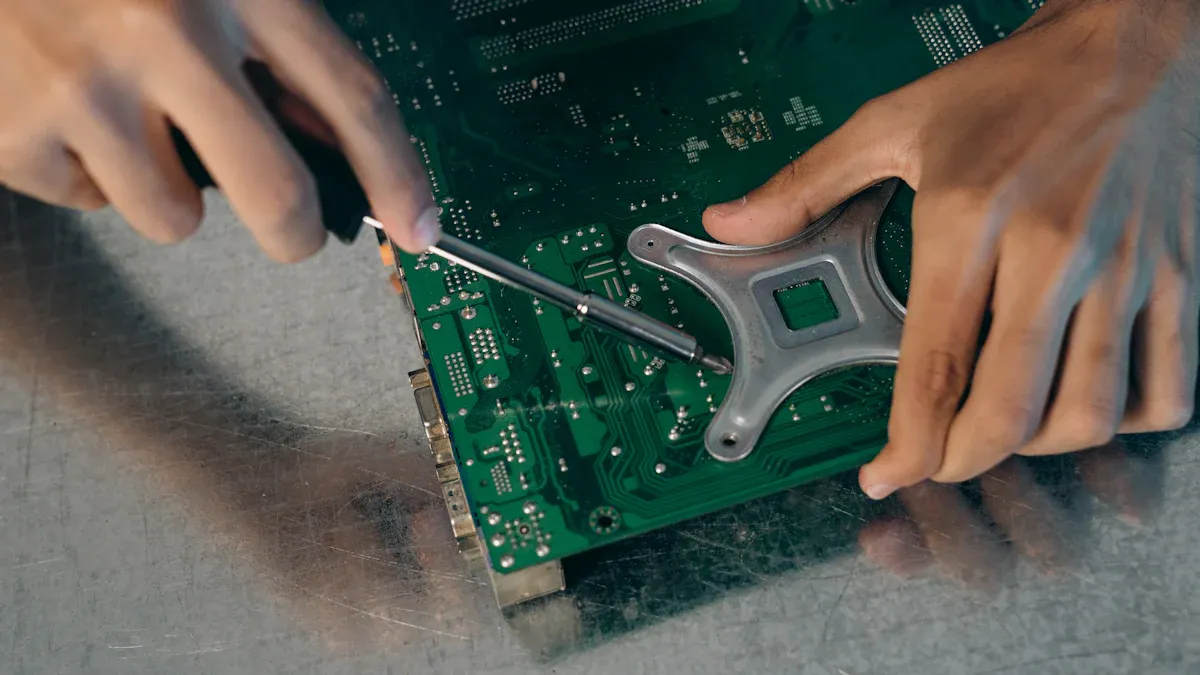
Integrated circuits are important in modern semiconductor design. Each type has a special use, so knowing their differences is key. Picking the right one helps your product work well and stay affordable. Whether it's for gadgets or industrial tools, the right choice boosts performance.
Analog ICs
Analog ICs handle signals that change smoothly over time. They are great for tasks like amplifying sound or reading sensor data. These chips are perfect for jobs needing accuracy and quick signal handling. For example, they are used in medical tools to track health data. Designing analog ICs needs careful planning to get the best results. They may not be as fast as digital ICs, but they are vital for working with real-world signals.
Digital ICs
Digital ICs use signals made of 0s and 1s. They are key parts of computers and communication devices. These chips are great for storing data, doing logic tasks, and processing information. Digital ICs are common in gadgets like phones and laptops because they can grow and adapt easily. New technology has made them faster and better, making them essential in semiconductor design.
Mixed-Signal ICs
Mixed-signal ICs combine analog and digital functions. They can handle both smooth and binary signals, making them useful for things like smart devices and car systems. For example, they might read sensor data (analog) and send it wirelessly (digital). Designing these chips is tricky and needs advanced tools to work well. Mixed-signal ICs are popular for products that need many features in small spaces.
Tip: Think about your product's needs, like speed, power use, and growth options, when picking an IC type.
Application-Specific Integrated Circuits (ASICs)
Application-specific integrated circuits (ASICs) are chips made for one task. They work best when your product needs high speed and efficiency. ASICs are used in things like cryptocurrency mining and video processing. These chips focus on one job, making them fast and reliable.
High-performance ASICs are great for products needing accuracy and steady results. For example, they are used in medical imaging tools and car safety systems. But designing ASICs takes a lot of money and time. They are best for products with big production needs or special features.
Note: ASICs can't be changed after they are made. Make sure your product's needs won't change before choosing this chip.
Field-Programmable Gate Arrays (FPGAs)
Field-programmable gate arrays (FPGAs) are flexible and can be updated. Unlike ASICs, you can reprogram FPGAs even after they are built. This makes them useful for testing and products needing updates. FPGAs are used in signal processing, machine learning, and space systems.
FPGAs balance performance and customization. You can test designs before finalizing them. But they aren't as efficient as ASICs for making many products. If your product needs flexibility and growth, FPGAs are a good choice.
Tip: FPGAs are great for projects where needs might change. They let you adjust without making new hardware.
System-on-Chip (SoC)
System-on-Chip (SoC) combines many parts into one chip. It includes processors, memory, and input/output systems. SoCs are common in phones, tablets, and smart devices. They save power and space, making them perfect for portable gadgets.
Choose SoCs if your product needs small size and low power use. They make design and production easier, speeding up delivery. But SoCs can be hard to create and need special tools. Experts are often needed to design them well.
Callout: SoCs are ideal for modern devices needing compact and smooth performance.
Key Factors to Consider for Product Development
When picking an integrated circuit (IC) for your product, it's important to know what makes it successful. These factors help your design meet goals and market needs.
Performance Requirements
Performance is key to making your product work well. You should check how fast and efficiently the ICs handle tasks and data. For example, fast ICs are needed for gaming consoles, artificial intelligence, and communication devices.
Studies show performance improves with better semiconductor designs over time. Research across 28 fields, including ICs, proves this trend. Tools like fuzzy neural networks help predict performance and fix supply chain problems. This ensures your ICs meet your product's needs.
Think about your product's specific needs when checking performance. For instance, an ASIC for video processing focuses on speed and accuracy. An IC for IoT devices may need low power use and good connectivity. Matching your ICs to your product ensures the best results.
Tip: Use design tools to test performance early. This helps find problems before production starts.
Power Consumption
Power use is very important for portable or battery-powered devices. Good power management makes batteries last longer and keeps products reliable.
Different products need different power solutions:
-
Phones and tablets need PMICs to save battery while doing many tasks.
-
Cars use PMICs to improve safety and performance, especially electric ones.
-
Machines need ICs to save power and cut costs.
|
Product Type |
Power Use Details |
|---|---|
|
Consumer Electronics |
Phones and tablets need PMICs for better battery life. |
|
Automotive |
Cars use PMICs for safety and better performance. |
|
Industrial Applications |
Machines need ICs to save energy and work efficiently. |
Knowing your product's power needs helps you pick the right ICs. For example, IoT devices need low-power ICs, while factory machines may need high-power ones.
Callout: Choose ICs with smart power-saving features to use less energy without losing performance.
Cost and Budget Constraints
Cost matters a lot in product design. You need to balance IC price with how well it works. High-performance ASICs are fast but cost more to make. FPGAs are cheaper upfront but less efficient for big projects.
When planning costs, think about:
-
Production size: ASICs are good for making many products, while FPGAs fit smaller batches.
-
Time to market: Custom ASICs take longer to design, raising costs. If you're in a hurry, use ready-made ICs or FPGAs.
-
Growth options: Pick ICs that can grow with your product. SoCs combine many parts, saving money and space.
By planning your budget carefully, you can save money while keeping quality and performance high.
Note: Work with semiconductor experts to pick the best ICs and avoid extra costs.
Scalability and Future-Proofing
Scalability helps your product grow with market needs. Future-proofing prepares it for new technology. When picking ICs, check if they handle more work or features. For example, FPGAs can be reprogrammed, making them great for updates. SoCs combine parts into one chip, saving space and helping small devices grow.
Future-proofing means planning for future trends in semiconductor design. New ideas like AI in ICs improve speed and save time. Techniques like 3D packaging make smaller and stronger devices. Eco-friendly materials and energy-saving ICs are becoming popular. Working with suppliers helps create better products that stay competitive.
Tip: Pick ICs that match your product's long-term plans. Scalability and future-proofing prevent expensive redesigns later.
Time-to-Market Considerations
Launching your product fast gives you an advantage. Your choice of ICs affects how quickly you can finish. ASICs are powerful but take a long time to design. FPGAs are quicker for testing, making them good for tight schedules.
Modern tools help speed up the design process. These tools let you test and improve ICs before production. Using ready-made parts like SoCs also saves time by reducing custom work.
Callout: Balance speed and quality carefully. Choose ICs that meet your needs without delaying your launch.
Compatibility with Industry Standards
Your ICs must follow rules for safety, reliability, and approval. Meeting standards avoids legal problems and keeps your product safe. For example, electromagnetic compatibility rules stop devices from interfering with others.
Certifying your product involves steps like studying rules and testing. Designing with rules in mind avoids costly fixes later. The table below shows key compliance areas and certification steps:
|
Compliance Aspect |
Description |
|---|---|
|
Safety Regulations |
Covers safety checks for ICs and electronic devices. |
|
Electromagnetic Compatibility |
Ensures devices don’t interfere with other systems. |
|
Environmental Standards |
Focuses on eco-friendly design and testing. |
|
Certification Process Step |
Description |
|---|---|
|
Market Determination |
Find the market and rules for your product. |
|
Regulation Study |
Learn the standards for your product type. |
|
Product Design |
Design with rules to avoid fixes after testing. |
|
Testing |
Test in-house or use labs for certification. |
|
Certification Submission |
Submit test results to get certified. |
Note: Work with experts to handle compliance easily. This ensures your product meets rules and launches on time.
Recommendations for IC Technology by Application
IoT Devices
Integrated circuits are key for making IoT devices work well. These chips help process data, manage power, and connect to networks. Low-power ICs are important for long-lasting batteries and smooth operation. Mixed-signal ICs are great because they handle both sensor inputs and digital tasks.
In healthcare, IoT devices like Internet of Medical Things (IoMT) systems show how useful ICs are. A study on the MEDBIZ platform explains how IoMT devices use sensors and circuits to track health in real-time. Tests show big improvements in managing health issues like arrhythmia and metabolic syndrome. These findings prove ICs make healthcare better with accurate and remote tracking.
When creating IoT devices, pick ICs that balance speed and energy use. System-on-Chip (SoC) solutions combine many functions into one chip. This saves space and uses less power, making them perfect for small IoT gadgets.
Tip: Select ICs with built-in wireless features to make IoT designs easier and faster.
Automotive Applications
Cars need ICs that are fast, reliable, and efficient. Electric vehicles (EVs) and advanced driver assistance systems (ADAS) depend on advanced ICs. Silicon Carbide (SiC) and Gallium Nitride (GaN) ICs are excellent for handling power and saving energy. These materials improve energy use, which is vital for EVs and other high-power car systems.
New semiconductor technology allows more features in one chip. This boosts performance and makes ICs essential for modern cars. SiC and GaN materials are especially good because they save energy and fit more power into small spaces. The market for SiC and GaN ICs is growing, with revenue expected to hit USD 2.4 billion by 2024.
When designing ICs for cars, think about future needs and scalability. Cars are getting smarter, so ICs must handle real-time data and wireless features. Field-Programmable Gate Arrays (FPGAs) are useful for testing, while ASICs are better for large-scale production.
Callout: SiC and GaN ICs are perfect for EVs and ADAS, offering top efficiency and reliability.
Consumer Electronics
Consumer electronics need ICs that are fast, small, and energy-saving. Devices like phones, smartwatches, and tablets benefit from Application-Specific Integrated Circuits (ASICs). These chips improve speed while using less power, making them ideal for gadgets.
The consumer electronics IC market is growing quickly. By 2024, it could reach USD 17.65 billion, with a growth rate of 6.1% from 2025 to 2030. ASICs are driving this growth by improving smart devices. The overall IC market is also expected to grow, reaching USD 1689.86 billion by 2031, with a 13% growth rate. This shows the rising need for ICs in IoT-enabled electronics.
When designing ICs for electronics, consider using SoCs to combine many functions into one chip. This saves space and energy, making it great for portable devices. Also, make sure your ICs meet industry rules for safety and compatibility.
Note: ASICs are ideal for electronics needing high speed and low energy use.
Industrial Automation
Factories use ICs to make machines work better and faster. These circuits help control equipment, check processes, and keep things running smoothly. Picking the right ICs can save money and improve how well systems work.
In automation, ICs do jobs like motor control and data collection. Mixed-signal ICs turn sensor signals into digital data for computers. FPGAs are helpful because they can be changed to fit new needs. This makes them great for testing and updating systems without making new hardware.
The market for industrial ICs is growing quickly. By 2035, it could grow from $36.49 billion to $60.0 billion. Automation ICs are expected to rise from $11.5 billion in 2024 to $19.0 billion by 2035. This shows how important ICs are for modern factories.
When designing ICs, think about durability and how they fit with current systems. Factories can be tough places, so ICs must handle heat, vibrations, and interference. Scalability is also key to help systems grow as businesses expand.
Tip: Choose strong ICs that last long in tough factory conditions.
Medical Devices
Medical tools need ICs to work accurately and reliably. These circuits make devices like monitors and diagnostic tools more advanced. Using ICs improves patient care and makes healthcare easier.
Mixed-signal ICs are useful for medical devices. They change sensor signals, like heartbeats, into digital data for analysis. SoCs are also common in portable devices. They combine many functions into one chip, saving space and power.
The need for ICs in healthcare is growing fast. Wearable monitors and IoMT devices use ICs to track health and send data instantly. These tools help find problems early and keep track of patients all the time.
When picking ICs for medical tools, focus on low power use and accuracy. Many devices run on batteries, so energy-saving ICs are important. Following safety rules ensures devices meet standards and get approved.
Callout: Pick ICs with security features to protect patient data and meet healthcare rules.
Emerging Trends in Integrated Circuit Technology
AI Accelerators
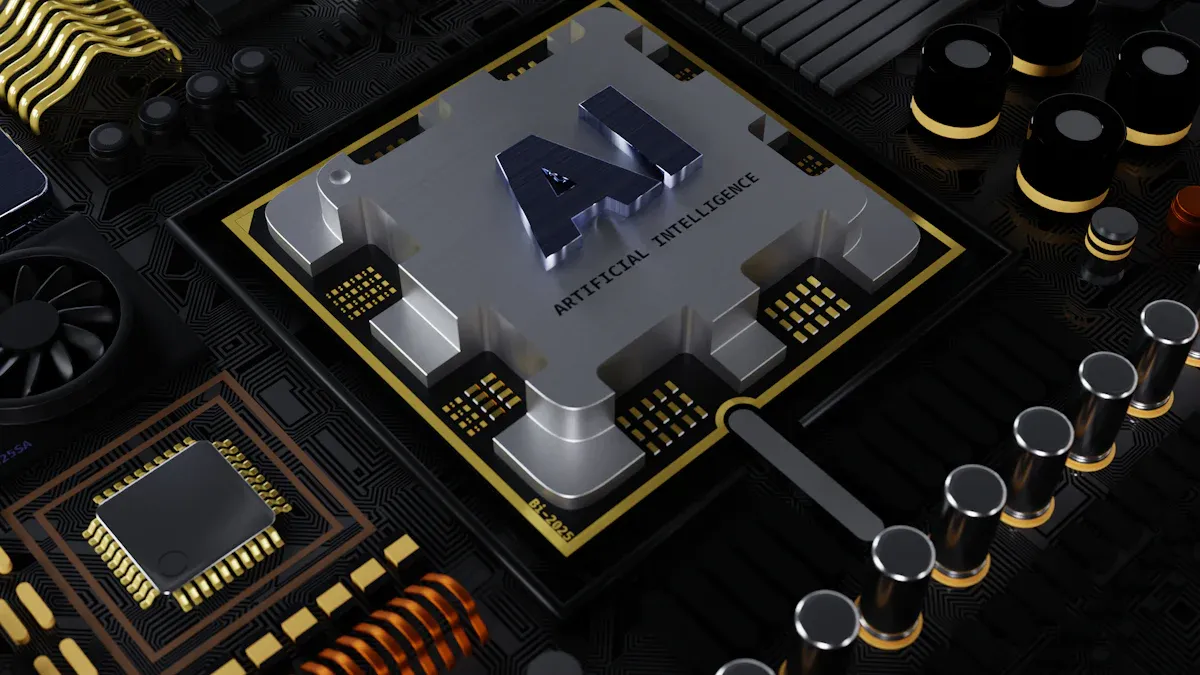
AI accelerators are changing how integrated circuits handle hard tasks. These chips improve performance for AI and machine learning jobs. They are used in self-driving cars, health tools, and smart cities. These chips process big data quickly, making them important for new technology.
The market for AI accelerators is growing fast. By 2024, it may reach $16.55 billion, growing at 26.6% yearly. By 2029, it could grow to $53.23 billion. This growth comes from more demand for AI tools, government funding, and better chip designs. Companies are adding AI accelerators to everyday gadgets, improving retail and smart city systems.
Tip: Use AI accelerators for tasks needing fast data handling and quick decisions.
Low-Power ICs
Low-power ICs help save energy in modern designs. These chips use less power, making them great for portable gadgets and IoT devices. You’ll find them in phones, wearables, and battery-powered health tools. They make batteries last longer while keeping devices working well.
New technology has made low-power ICs even better. They now support AI tasks while using less energy. This matches the need for eco-friendly tech. Companies are focusing on these chips to meet green goals and cut costs.
Callout: Low-power ICs are best for devices needing energy savings, like IoT gadgets and portable electronics.
3D ICs and Advanced Packaging
3D ICs and advanced packaging are changing how chips are made. These methods stack parts vertically, saving space and boosting performance. They are used in high-speed computers, 5G networks, and self-driving cars. These chips process data faster and use less power, making them great for new tech.
|
Sector |
Benefits |
|---|---|
|
High-Speed Computers |
Adds more transistors and memory in one chip. |
|
5G and 6G Networks |
Improves radio systems with antenna-in-package designs. |
|
Self-Driving Cars |
Combines sensors and computing for better data handling. |
|
Consumer Gadgets |
Makes devices like phones and AR/VR tools smaller and better. |
The need for 3D ICs is growing because they save space and work efficiently. Companies are spending money on research to fix heat and cost problems. These improvements make 3D ICs a smart choice for compact and powerful designs.
Note: 3D ICs are great for small, high-performing devices like self-driving cars and fast computers.
Neuromorphic Computing ICs
Neuromorphic computing ICs change how machines handle information. These chips copy how the brain works to solve problems. They use special hardware for tasks like recognizing patterns and making choices. Unlike regular processors, neuromorphic ICs use brain-like methods to work faster. This makes them great for artificial intelligence and machine learning.
Since the 1980s, experts have tried to mix brain-like ideas with hardware. Chips like BrainScaleS and TrueNorth act like human brains. These chips have improved how computers see and understand pictures and videos. Neuromorphic ICs fix problems with older computing methods. They help create smarter products for the future.
A new idea in this field is neuromorphic photonics. It uses light-based parts to act like brain cells. This technology processes data faster and saves energy. It’s useful for solving hard problems and spotting patterns quickly. For example, these chips help self-driving cars see better and make quick decisions.
If your product uses AI or machine learning, neuromorphic ICs can help. They work like the brain, making them fast, accurate, and energy-saving.
Tip: Use neuromorphic ICs for projects needing quick decisions or computer vision. They combine speed and efficiency.
Quantum Computing ICs
Quantum computing ICs are the future of technology. These chips use qubits to solve problems regular computers can’t handle. They are great for cryptography, simulations, and improving systems like supply chains.
Quantum ICs work differently from regular chips. They use superposition and entanglement to check many options at once. This lets them solve problems much faster. For example, they can study chemicals or improve delivery routes in less time than normal computers.
Quantum ICs are still new, but progress is happening fast. Companies and researchers are spending money to make them better. Soon, quantum ICs may be used in healthcare, banking, and shipping.
If your product needs advanced computing, quantum ICs are a good choice. But they need special tools and knowledge, so they might not fit every project yet.
Note: Quantum ICs are best for solving hard problems regular computers can’t. Watch this technology as it grows.
Picking the right integrated circuit is key for product success. It affects how hard the design is, how well it works, and how easy it is to make. A good choice helps parts fit together and ensures smooth testing. For example, better performance makes your product work well, while easy manufacturing lowers costs.
Knowing new tech trends like AI accelerators or low-power ICs can help. Talking to experts makes sure your choices match your product's needs. By thinking about cost, energy use, and specific tasks, you can build a product that stands out in the market.
Tip: Check the table below to see how each factor helps your product succeed:
|
Factor |
How It Helps Your Product |
|---|---|
|
Design Complexity |
Makes integration easier and improves design quality. |
|
Performance |
Boosts how well your product works and solves tasks. |
|
Manufacturability |
Helps make products cheaply and in large amounts. |
|
System Integration |
Ensures all parts work well together in the system. |
|
Testing Methodologies |
Makes sure the product is reliable and works as planned. |
FAQ
What makes ASICs different from FPGAs?
ASICs are made for one job, offering speed and efficiency. FPGAs can be changed and reused, making them great for testing. Use ASICs for big production needs and FPGAs for flexible projects.
Why are low-power ICs good for portable devices?
Low-power ICs help batteries last longer and save energy. They keep devices working well without needing constant charging. These ICs are great for wearables, IoT tools, and battery gadgets.
Can SoCs be used in factory automation?
Yes, SoCs combine many functions into one small chip. They save space and improve how systems work. Make sure they are strong enough for tough factory conditions.
Are 3D ICs good for small electronics?
Yes! 3D ICs make devices smaller and work better. They fit more features into gadgets like phones and AR/VR tools, boosting speed and performance.
What should I think about when picking ICs for medical tools?
Look for accuracy, low energy use, and healthcare rule compliance. Mixed-signal ICs and SoCs are great for portable medical devices. Always ensure patient data is safe and tools are reliable.