How to Distinguish Positive and Negative in Capacitor Symbols
You can quickly spot the polarity of capacitor symbol by checking for plus (+) and minus (-) signs, longer or shorter leads,
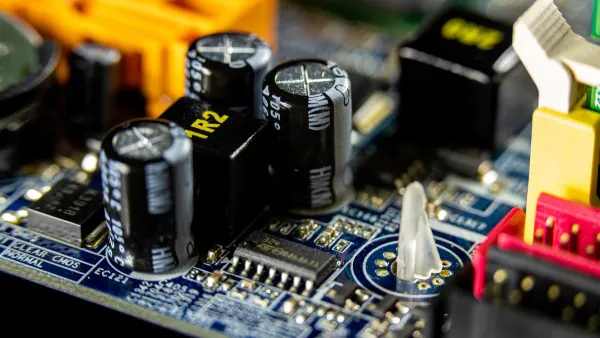
You can quickly spot the polarity of capacitor symbol by checking for plus (+) and minus (-) signs, longer or shorter leads, and the use of curved or straight lines. Look for a stripe or band on the negative side of an electrolytic capacitor, while a colored band or plus sign marks the positive end of a tantalum capacitor. Printed circuit boards often show a plus sign next to the positive pad. Identifying capacitor polarity helps you avoid damaging the component. Always connect the positive side of the capacitor to the positive voltage, just like filling a container from the correct direction.
Key Takeaways
- Always check for plus (+) and minus (-) signs on capacitors. These markings indicate the positive and negative terminals, helping you connect them correctly.
- Use lead lengths as a quick guide. The longer lead usually indicates the positive terminal, while the shorter lead marks the negative side.
- Recognize the symbols in circuit diagrams. A straight line represents the positive terminal, while a curved line shows the negative terminal, aiding in proper installation.
- Double-check capacitor polarity before soldering. This habit prevents costly mistakes and protects your electronic projects from damage.
- Be aware of the risks of incorrect polarity. Connecting a capacitor backward can lead to overheating, leakage, or even explosions, jeopardizing your circuit's safety.
Polarity of Capacitor Symbol
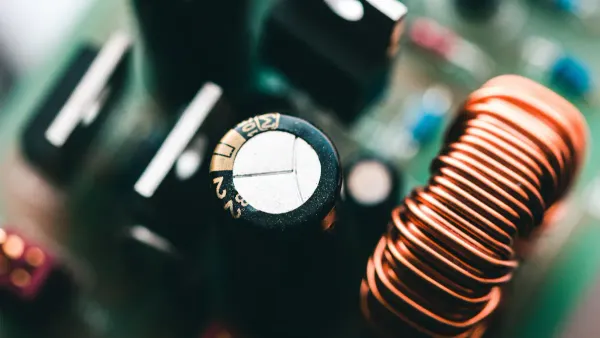
Understanding the polarity of capacitor symbol is essential for anyone working with electronics. You need to recognize the correct orientation to ensure your circuit works safely and efficiently. The following sections will help you identify capacitor polarity using common visual cues found in both schematic diagrams and physical components.
Plus and Minus Signs
You often see plus (+) and minus (-) signs on both the capacitor symbol in circuit diagrams and on the actual capacitor body. These signs show you which terminal is positive and which is negative.
- The plus sign (+) marks the positive terminal.
- The minus sign (-) marks the negative terminal.
- In many circuit diagrams, you will find a plus sign next to the straight line of the capacitor symbol.
- On physical capacitors, especially electrolytic types, the negative side may have a stripe or a minus sign.
- Printed circuit boards sometimes show a plus sign next to the positive pad for the capacitor.
Tip: Always match the plus and minus signs on the capacitor with those on the circuit board. This step helps prevent damage from incorrect capacitor polarity.
The polarity of capacitor symbol plays a crucial role in power supply circuits. If you connect a polarized capacitor the wrong way, you risk damaging the component or causing hazards. Recognizing these symbols helps you maintain the safety and functionality of your electronic devices.
Lead Lengths
When you look at a physical capacitor, especially an axial or radial type, you can use the length of the leads to determine capacitor polarity.
- The longer lead usually indicates the positive terminal.
- The shorter lead marks the negative terminal.
- Some capacitors also have a black stripe or a minus sign on the negative side.
- On surface-mount capacitors (SMD), you might see a small marking or a different pad shape to show polarity.
- The positive pad on the circuit board is often larger than the negative pad.
Note: Lead length is a quick way to check capacitor polarity, but always double-check with other markings to avoid mistakes.
Using lead lengths is a reliable method, but you should not rely on it alone. Manufacturers sometimes change the design, so always look for other signs of polarity of capacitor symbol before installation.
Curved and Straight Lines
In schematic diagrams, the polarity of capacitor symbol often uses a combination of straight and curved lines.
- The straight line represents the positive terminal.
- The curved line shows the negative terminal.
- This style appears in both American and European standards for polarized capacitors.
- Sometimes, a plus sign appears next to the straight line to make the polarity even clearer.
| Symbol Feature | Meaning |
|---|---|
| Straight Line | Positive Terminal |
| Curved Line | Negative Terminal |
| Plus Sign (+) | Positive Terminal |
| Minus Sign (-) | Negative Terminal |
You will see this symbol in many schematic diagrams. The straight line always points to the positive side, while the curved line or shorter line points to the negative side. This method helps you quickly identify capacitor polarity and avoid errors during assembly.
Remember: Non-polarized capacitors use two straight, parallel lines. You can connect these in any direction because they do not have polarity.
By learning to spot these visual cues, you can confidently identify the polarity of capacitor symbol in any circuit. This skill will help you prevent mistakes and keep your electronic projects running smoothly.
Why Capacitor Polarity Matters
Circuit Functionality
When you work with polarized capacitors, you must pay close attention to polarity. The correct orientation of each capacitor ensures your circuit works as designed. If you install a capacitor with the right polarity, you protect the circuit and maintain its performance. Many consumer electronics rely on polarized capacitors for stable voltage and signal filtering. You will see that correct capacitor orientation is essential for both security and performance.
If you place a capacitor backward, you risk component failure and low performance. Misaligned polarized capacitors may cause the circuit to malfunction or even damage other parts. Reversed polarity can lead to overheating, leakage, or explosion, which affects sensitive subcomponents. Understanding capacitors and their polarity is crucial for the reliability of every electronic circuit you build.
Tip: Always double-check the polarity of each capacitor before soldering it into your project. This habit saves you time and prevents costly mistakes.
Risks of Incorrect Polarity
Incorrect polarity in polarized capacitors can cause serious problems. You might see the following issues if you reverse the polarity of a capacitor:
- Dielectric breakdown happens when reversed voltage stresses the oxide layer inside the capacitor.
- Heat generation increases due to leakage current, which can make the capacitor hot.
- Physical damage may occur, such as swelling, leaking, or even explosions.
- Circuit failure often results when a damaged capacitor disrupts the flow of electricity.
- Short circuits and explosions can happen because of excessive heat from reversed polarity.
- Reduced circuit efficiency may appear as distorted signals or poor voltage regulation.
| Type of Damage | Cause of Damage |
|---|---|
| Explosion | Excessive current flow from reverse polarity leads to rapid heating. |
| Internal Pressure Buildup | Decomposition of electrolyte generates gas, increasing internal pressure. |
| Overvoltage | Applying voltage higher than rated value causes failure. |
You may also face common mistakes when working with polarized capacitors. Many people confuse capacitor types, especially between polarized and non-polarized capacitors. Improper orientation during assembly often leads to incorrect installation. Sometimes, unclear markings from suppliers make it hard to identify polarity. Forgetting to leave space for correct orientation or assuming all capacitors are non-polarized can also cause errors. Placing capacitors too close to heat-sensitive components increases the risk of damage.
Note: Always check the markings and orientation of every polarized capacitor before installation. Careful attention to polarity keeps your circuits safe and reliable.
Common Capacitor Symbols
Understanding common capacitor symbols helps you read circuit diagrams and assemble electronic projects correctly. You will see different capacitor symbols for each type of capacitor. Each symbol gives you clues about polarity and how to connect the capacitor in your circuit.
Electrolytic Capacitor
Electrolytic capacitors appear often in circuit diagrams because they offer high capacitance. You can spot these capacitor symbols by looking for two parallel lines. One line is straight, and the other may be curved. The straight line shows the positive terminal. Many capacitor symbols for electrolytic capacitors also include a plus sign (+) on the positive side. This makes it easy to match the symbol to the correct orientation on your board.
| Symbol Type | Description |
|---|---|
| IEC 60617 Symbol | Two parallel plates with a '+' on the positive plate for polarized capacitors. |
You will notice that the positive pole is essential for correct soldering. Distinguishing between the two poles is crucial for proper function. The symbol indicates both positive and negative poles. These capacitors typically have higher capacitance than other types. On physical capacitors, the longer lead marks the positive side, and a stripe or minus sign shows the negative side. When you look at circuit diagrams, always check the capacitor symbols for these polarity indicators.
Tip: Always double-check the orientation of electrolytic capacitors before soldering. Incorrect placement can damage your circuit.
Tantalum Capacitor
Tantalum capacitors use different capacitor symbols, but you still need to watch for polarity. In circuit diagrams, you will see a bar or a plus sign (+) marking the positive terminal. Unlike electrolytic capacitor symbols, tantalum capacitor symbols do not mark the negative side with a bar or minus sign. This difference can cause confusion if you use both types in one project.
| Capacitor Type | Positive Terminal Marking | Negative Terminal Marking |
|---|---|---|
| Tantalum Capacitor | Bar or '+' | N/A |
| Electrolytic Capacitor | N/A | Bar or '-' |
Tantalum capacitors mark the positive terminal with a stripe or a plus sign on the casing. On a printed circuit board, the smaller pad usually shows the positive side. Always match the capacitor symbols in your circuit diagrams with the markings on the actual capacitor.
- Tantalum capacitor symbols highlight the positive terminal.
- Electrolytic capacitor symbols often show the negative terminal.
- This can lead to mistakes if you do not pay close attention.
Non-Polarized Capacitor
Non-polarized capacitors use simple capacitor symbols in circuit diagrams. You will see two straight, parallel lines with no plus or minus signs. These capacitor symbols show that you can connect the capacitor in any direction. Non-polarized capacitors include ceramic capacitors, which do not have distinct positive or negative terminals.
Non-polarized capacitor symbols make it easy to spot these components in circuit diagrams. You do not need to worry about polarity. The symmetrical symbol tells you that the capacitor works the same way in either direction.
- Non-polarized capacitor symbols have two straight lines.
- You can install these capacitors without checking for polarity.
- Ceramic capacitors are a common example.
Note: Always check the capacitor symbols in your circuit diagrams before installing any capacitor. This step helps you avoid mistakes and keeps your circuit safe.
Troubleshooting Capacitor Polarity
Ambiguous Markings
Sometimes, you may find a capacitor with unclear or missing polarity markings. This situation can make it hard to know the correct way to install the capacitor. If you cannot see a plus or minus sign, a colored band, or a difference in lead length, you need to use other methods to check the polarity.
Here are some steps you can follow to solve this problem:
- Visual Identification: Compare the markings on the capacitor with the information in the manufacturer’s datasheet. Look for any small signs, colored bands, or changes in lead length that might show the polarity.
- Multimeter Testing: Set your multimeter to the right mode. Connect the leads to the capacitor and check the readings. Make sure you connect the leads correctly to avoid mistakes.
- Oscilloscope Testing: Use an oscilloscope to watch how the capacitor behaves in a circuit. This tool can help you see if the polarity is correct.
- Consult Manufacturer Documentation: Always check the datasheet or manual from the manufacturer. This document gives you the most reliable information about the capacitor’s polarity.
Tip: If you still feel unsure about the polarity, do not install the capacitor until you find clear information. Installing a capacitor with the wrong polarity can damage your circuit.
Quick Reference Checklist
Before you install any capacitor, use this checklist to make sure you have the proper orientation and correct polarity. This table helps you double-check every step:
| Step | Action | Notes |
|---|---|---|
| 1 | Check the capacitor body for markings like stripes, plus (+), or minus (-). | Essential for initial identification. |
| 2 | Assess lead lengths; longer leads are typically positive. | A quick physical check. |
| 3 | Utilize a multimeter or capacitor tester for confirmation if needed. | Ensures accuracy in polarity verification. |
| 4 | Refer to the datasheet for the most reliable information. | Provides manufacturer specifications. |
You should always follow this checklist when working with any capacitor. Checking the polarity before installation helps you avoid mistakes and keeps your circuit safe. Remember, the proper orientation of each capacitor protects your project from damage.
Note: Never guess the polarity of a capacitor. Always use the steps above to confirm the correct direction.
You can identify capacitor polarity by following a few simple steps:
- Look for plus and minus signs on both the capacitor and the circuit symbol.
- Check for embossing or markings on the contacts, such as a stripe, a black half, or a silver lace with a '–' for the negative pole.
- Examine lead lengths, as the longer lead usually shows the positive side.
- Always connect the positive and negative terminals correctly, since incorrect polarity can damage the capacitor and the circuit.
Using the quick-reference checklist helps you avoid mistakes and keeps your projects safe. Make polarity checks a habit every time you work with a capacitor.
FAQ
How do you know if a capacitor is polarized?
You can check for plus (+) or minus (–) signs, a stripe on the body, or different lead lengths. The longer lead usually means positive. Always look for these clues before installing the capacitor.
Can you use a non-polarized capacitor in place of a polarized one?
No, you should not swap them. Polarized capacitors handle higher capacitance and specific voltage directions. Non-polarized types work in either direction but may not perform well in circuits needing polarity.
What happens if you connect a capacitor backward?
If you connect a polarized capacitor backward, it may heat up, leak, or even explode. This mistake can damage your circuit. Always double-check the markings before you solder.
Why do some capacitor symbols have a curved line?
A curved line in the symbol shows the negative terminal. The straight line marks the positive side. This design helps you quickly spot the correct orientation in circuit diagrams.
Do all capacitors have polarity?
No, only some capacitors have polarity. Electrolytic and tantalum capacitors are polarized. Ceramic and film capacitors are non-polarized. You can connect non-polarized capacitors in any direction.