A Simple Guide to AC to DC Electrical Conversion
Ac to dc electrical conversion means changing alternating current (ac) into direct current (dc). You use this process every

Ac to dc electrical conversion means changing alternating current (ac) into direct current (dc). You use this process every day, often without even noticing. Most electronic devices like laptops and TVs cannot run on ac power alone. They need dc power to work safely and efficiently. According to experts, more than 70% of devices in a building require dc power. Almost all your home electronics have an ac to dc electrical converter inside or use an external ac to dc converter.
AC to dc conversion happens in chargers, adapters, and even inside your favorite gadgets. Without it, many household electronics would not function or could get damaged.
You do not need to be an engineer to understand how an ac to dc electrical converter works. This guide will help you see just how common and essential ac to dc conversion is in your daily life.
Key Takeaways
- AC power changes direction and is used in homes, while DC power flows steadily and powers most electronics safely.
- AC to DC conversion uses transformers, rectifiers, capacitors, and voltage regulators to provide stable power for devices.
- Most everyday electronics like phones and laptops need AC to DC converters to work properly and protect their circuits.
- Choosing the right AC to DC adapter means matching voltage and current to your device and using regulated, safe products.
- Following safety tips and proper setup helps prevent damage, keeps devices running longer, and ensures reliable power.
AC vs. DC Power

What Is AC?
You use alternating current every day when you plug devices into wall outlets. AC stands for alternating current, which means the flow of electricity changes direction many times each second. Most homes and buildings receive ac from the power grid. The voltage and frequency of ac can vary depending on where you live. For example:
- South Korea: 220 V, 60 Hz
- India: 230 V, 50 Hz
- North America: 115 V, 60 Hz
The main reason for using ac in power lines is that you can easily change its voltage with a transformer. This makes ac efficient for sending electricity over long distances. The frequency of ac is usually either 50 Hz or 60 Hz, depending on your country.
Here is a table showing the main differences between ac and dc power:
| Characteristic | AC Power | DC Power |
|---|---|---|
| Direction of Current | Alternates direction periodically | Flows in one constant direction |
| Voltage and Current | Varies in a wave | Constant and steady |
| Polarity | No fixed polarity | Fixed positive (+) and negative (-) signs |
| Frequency | Has frequency (50 or 60 Hz) | Frequency is zero |
| Circuit Impedance | Complex impedance | Purely resistive loads |
| Voltage Conversion | Easily transformed | Difficult to convert |
| Transmission Efficiency | Efficient for long distances | Less efficient for long distances |
| Safety | Less dangerous at high voltages | More hazardous due to constant flow |
What Is DC?
Direct current flows in only one direction. You find dc in batteries, solar panels, and most electronic circuits. DC power stays steady, which helps devices work safely and reliably. Batteries supply dc for portable devices like phones and laptops. Solar panels also produce dc, which you can use for charging or powering devices.
Consumer electronics need dc because their circuits require a constant voltage. When you use a charger or adapter, it converts ac from the wall into dc for your device. You cannot store ac in batteries, so dc is the main choice for portable power.
Why Convert AC to DC?
You need ac to dc conversion for almost every electronic device. Most devices use dc inside, but the power grid supplies ac. Converting ac to dc lets you power laptops, phones, and TVs safely. Here are some reasons for converting ac to dc:
- Digital circuits work only with dc.
- Charging batteries requires dc.
- Using ac inside devices would make them heavier and less efficient.
- Safety improves when you keep ac outside the device and use dc inside.
You find many types of ac to dc converters in chargers, adapters, and power supplies. Some use a rectifier to change ac into dc. Others use more advanced circuits for stable power conversion. You rely on ac vs dc power differences every time you use electronics at home.
AC to DC Conversion Process
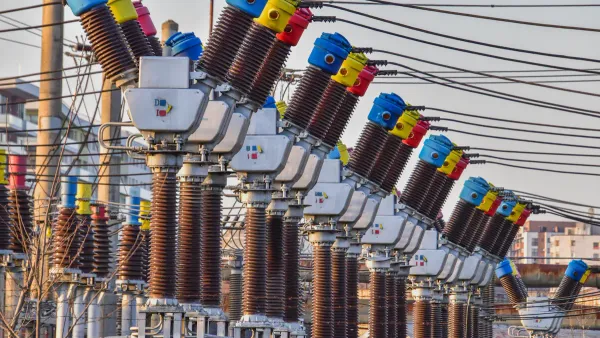
Step-by-Step AC to DC Conversion
You use an ac to dc electrical converter every time you plug in a phone charger or power your laptop. The process of converting ac to dc involves several important steps. Here is a simple breakdown:
-
Step Down the AC Voltage
The ac from your wall outlet is usually too high for most devices. A transformer reduces this voltage to a safer level, such as 12V or 5V. This step protects your electronics and prepares the ac for further conversion. -
Rectify the AC Signal
The rectifier changes the ac into dc. Most ac to dc electrical converters use a diode bridge rectifier. This device allows current to flow in only one direction, turning the alternating signal into a pulsating dc signal. -
Smooth the DC Output
The pulsating dc is not steady enough for sensitive electronics. A capacitor acts as a filter, smoothing out the voltage and reducing fluctuations. This step creates a more stable dc output. -
Regulate the DC Voltage
A voltage regulator ensures the dc output stays consistent, even if the input or load changes. Devices like the 7805 regulator keep the voltage within safe limits for your electronics.
Tip: You can see the changes in the electrical signal at each stage using an oscilloscope. The waveform becomes smoother and more stable as you move from ac to dc.
Key Components in AC to DC Electrical Converters
You find several key parts inside every ac to dc electrical converter. Each part plays a special role in power conversion:
| Component | Function |
|---|---|
| Transformer | Steps down the high ac voltage to a lower, safer level |
| Rectifier | Converts ac to pulsating dc using diodes |
| Capacitor | Smooths the pulsating dc and reduces voltage ripple |
| Voltage Regulator | Keeps the dc output steady and safe for your device |
- Transformer: This part adjusts the ac voltage and provides isolation from the power source. You need it to make sure the voltage matches your device’s requirements.
- Rectifier: Diodes inside the rectifier allow current to flow in only one direction. You can use a half-wave rectifier for simple tasks, but most ac to dc converters use a full-wave or bridge rectifier for better efficiency.
- Capacitor: After rectification, the capacitor filters the output. It stores energy during peaks and releases it during gaps, smoothing the dc voltage.
- Voltage Regulator: This part keeps the dc voltage stable, even if the input voltage or device load changes.
Note: Some advanced ac to dc electrical converters use inductors or switching regulators for even better performance.
How Rectifiers, Transformers, and Capacitors Work
You can understand the ac to dc conversion process better by looking at how each main part works:
-
Rectifiers
Rectifiers use diodes to control the direction of current. When you use a diode bridge rectifier, four diodes work together to convert both halves of the ac cycle into dc. During the positive half-cycle, two diodes conduct and direct current through the load. During the negative half-cycle, the other two diodes conduct, keeping the current flowing in the same direction. This full-wave rectification produces a smoother and more efficient dc output than half-wave rectification. -
Transformers
Transformers change the voltage level of ac before it reaches the rectifier. You need a transformer to step down the high voltage from the wall to a level your device can handle. This step also provides electrical isolation, which keeps you safe. -
Capacitors
Capacitors act as filters after rectification. When the rectifier produces a pulsating dc, the capacitor charges up during voltage peaks and discharges during gaps. This process fills in the dips and creates a more constant dc voltage. The size of the capacitor affects how smooth the output is. Larger capacitors reduce ripple, but practical limits exist.
Did you know? Schottky diodes in rectifiers can improve efficiency because they have lower voltage drops than standard silicon diodes.
You see ac to dc electrical converters in many devices, from phone chargers to LED lights. The combination of transformer, rectifier, and capacitor ensures safe and reliable power conversion. When you use an ac-dc converter, you get steady dc power for your electronics.
Applications of AC to DC Converters
Everyday Electronics
You use ac-dc power adapters every day without even thinking about it. These adapters help your devices get the right kind of power. Here are some common applications:
- Smartphones, tablets, and laptops rely on ac dc power chargers to convert wall outlet ac into the dc they need for charging and running.
- Televisions, game consoles, and audio systems use ac-dc power adapters to supply stable dc voltage. This keeps sound clear and images sharp.
- Many smart home devices, like speakers and security cameras, need ac to dc conversion for safe operation.
- AC dc power chargers also help reduce electrical noise, which protects sensitive electronics and improves device performance.
- You find ac-dc power adapters in almost every charger, adapter, and power supply for electronic devices at home.
These applications of ac to dc converters make your electronics safer, more efficient, and longer-lasting. Miniaturized ac-dc power adapters also make your devices lighter and easier to carry.
Renewable Energy Systems
Renewable energy systems use ac to dc conversion in many ways. Solar panels produce dc, but sometimes you need to charge batteries from the grid, which supplies ac. AC dc power chargers handle this job. Here are some key applications:
- Hybrid solar systems use ac-dc power adapters to manage both ac from the grid and dc from solar panels.
- AC to dc converters help store energy in batteries, making sure you have power even when the sun is not shining.
- These converters keep voltage levels steady, which improves energy efficiency and system reliability.
You see applications of ac to dc converters in wind turbines, too. They convert ac from the turbine into dc for storage or further conversion.
Other Common Uses
AC to dc conversion plays a big role in many industries. The table below shows some important applications:
| Industrial Sector | Application Examples | Role of AC-DC Converters |
|---|---|---|
| Industrial Power Systems | Motor control, uninterruptible power supplies (UPS) | Convert ac to dc to power motors and charge batteries, ensuring stable and reliable power supply |
| Automotive | Electric vehicles, battery management systems | Convert ac to dc for battery charging and onboard power management |
| Aerospace | Power supplies for aircraft and spacecraft | Provide stable dc power for critical aerospace electronics |
| Medical | MRI machines, CT scanners, ventilators | Deliver consistent dc power for sensitive and life-saving medical devices |
| Renewable Energy | Wind turbines, solar panels | Convert ac generated by renewable sources to dc for storage and grid integration |
| Manufacturing | Automation systems, precision machinery control | Supply precise dc power for sensors, actuators, and dc motors in manufacturing |
| Transportation | Railway systems, electric vehicles | Convert ac from overhead lines or grid to dc for propulsion and battery charging |
| Telecommunication | Servers, switches, UPS systems | Ensure continuous dc power supply for telecom infrastructure and backup power |
You depend on ac dc power chargers in many places outside your home. These applications help keep factories running, power electric cars, and support hospitals with reliable energy. AC-dc power adapters also play a key role in telecommunication and transportation systems.
AC to dc conversion supports modern life by powering everything from your phone to large industrial machines. You benefit from better energy efficiency, improved safety, and reliable performance in all these applications of ac to dc converters.
Using an AC to DC Converter at Home
How to Choose the Right Converter
When you pick an ac-dc power adapter for your home, you need to match it to your device. Start by checking the voltage and current your device needs. If you use the wrong voltage, your device may not work or could get damaged. The current rating on the ac-dc power adapter should be at least as high as your device’s requirement. A higher current rating is safe and can help your device run better.
Here are the main things to consider:
- Decide what you will use the ac-dc power adapter for.
- Check the voltage your device needs. Most small devices use 3 to 12 volts dc.
- Find out the current your device uses. Make sure the ac-dc power adapter can supply enough.
- Look at the size of the adapter to fit your space.
- Choose an adapter with good efficiency to save energy.
- Pick one with a warranty for extra protection.
- Make sure it meets safety standards and is reliable for home use.
Tip: Always use regulated ac-dc power adapters for sensitive electronics. These keep the voltage steady even if the load changes.
Safety Tips
Safety is very important when you use ac to dc power chargers at home. Always check that the ac-dc power adapter matches your device’s voltage and current. Using the wrong adapter can cause overheating or damage. Place the adapter in a spot with good airflow. Do not cover it or put it near water. Buy ac to dc power chargers from trusted brands that follow safety rules and offer after-sales support.
- Use transformer-isolated adapters for extra protection from electric shock.
- Look for safety certifications like UL on the label.
- Do not open the casing of the ac-dc power adapter. This can expose you to dangerous voltages.
- Keep the adapter away from heat sources and avoid dropping it.
Note: Good safety practices help prevent fires and keep your devices working longer.
Simple Setup Guide
You can set up an ac-dc power adapter at home in a few easy steps:
- Plug the adapter into the wall outlet.
- Connect the output plug to your device, making sure the polarity matches.
- Turn on your device and check if it works as expected.
- If your device does not start, use a multimeter to check the output voltage.
- If you see problems like unstable voltage or overheating, unplug the adapter and let it cool down. Try another outlet or reduce the load.
Here is a quick troubleshooting table:
| Problem | What You See | What to Do |
|---|---|---|
| Device does not power on | No lights or sound | Check voltage and current match; try another adapter |
| Adapter gets hot | Warm or very hot to touch | Move to a cooler spot; reduce device load |
| Output voltage unstable | Device turns on/off quickly | Check for loose connections; replace adapter |
Remember: Always unplug the ac-dc power adapter before checking connections or moving it.
You use AC to DC converters every day to power your electronics. Knowing how rectification, filtering, and regulation work helps you choose the right adapters and protect your devices. Simple knowledge lets you spot safe, efficient converters and avoid common mistakes.
- You improve energy efficiency at home.
- You keep your devices running longer.
- You make smarter choices when buying power supplies.
Feel confident using AC to DC converters and enjoy reliable, safe power for all your electronics.
FAQ
What does an AC to DC converter do?
You use an AC to DC converter to change alternating current from your wall outlet into direct current. Most electronic devices need direct current to work safely and efficiently.
Why do most electronics need DC power?
Most electronics use circuits that only work with direct current. DC power gives a steady voltage, which helps your devices run smoothly and last longer.
Can I use any AC to DC adapter for my device?
You should always check the voltage and current ratings. Using the wrong adapter can damage your device. Choose one that matches your device’s needs for safe operation.
What are some common faqs about ac to dc converters?
You might wonder about safety, compatibility, and efficiency. Other common faqs about ac to dc include how to choose the right adapter and what happens if you use the wrong voltage.
How can I tell if my adapter is working correctly?
You can check the output voltage with a multimeter. If your device powers on and works as expected, your adapter likely works well. Watch for signs like overheating or unstable performance.