VLSI Circuit Design: Key Principles and Methodologies for Modern Electronics
You use things like smartphones and smart TVs every day. These devices need VLSI design to work. VLSI means very-large-scale integration. This lets millions of transistors fit on one chip.
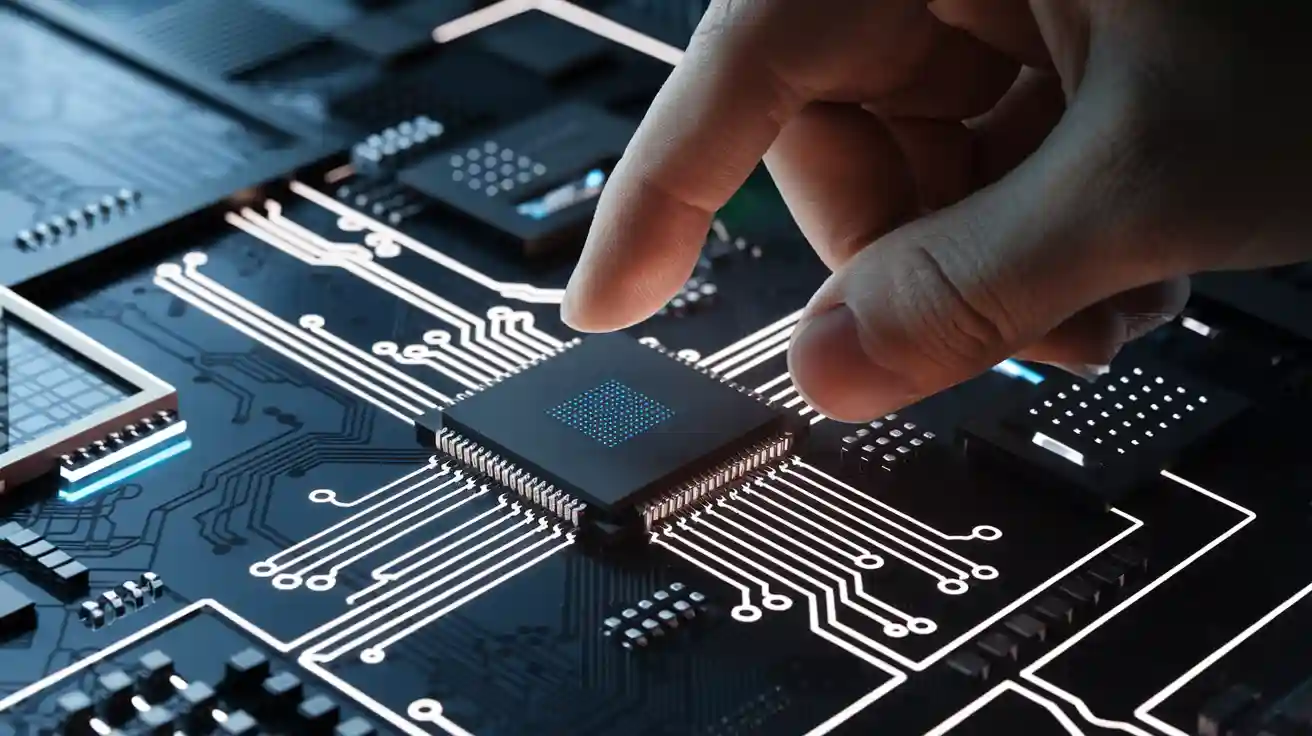
You use things like smartphones and smart TVs every day. These devices need VLSI design to work. VLSI means very-large-scale integration. This lets millions of transistors fit on one chip. VLSI design gives you fast speed, uses less power, and is very reliable. It also makes your devices smaller and better. In 2023, the VLSI design market was worth $662.2 billion. By 2028, it may reach $971.71 billion. This shows how important VLSI design is. The table below shows how VLSI circuit design helps modern electronics:
|
Aspect |
Details |
|---|---|
|
Market Valuation 2023 |
USD 662.2 billion |
|
Market Projection 2028 |
USD 971.71 billion |
|
CAGR |
8% |
|
Compact Size |
Millions of transistors on one chip |
|
Lower Power Consumption |
More energy efficient, good for battery devices |
|
Higher Performance |
Fast and complex operations, used in supercomputers |
|
Improved Reliability |
Mass production boosts reliability and makes devices more affordable |
You can find VLSI design in many places. It makes technology smarter and more reliable. You get these benefits every time you use electronics.
Key Takeaways
-
VLSI design puts millions of tiny parts on one chip. This makes devices faster, smaller, and use less energy.
-
This technology is used in things like smartphones, computers, and cars. It helps them work faster and saves battery life.
-
VLSI design saves energy by using smart power management. This helps devices last longer before needing a charge.
-
Modern tools and methods, like AI, help VLSI design go faster. They also make it more reliable and able to handle hard chips.
-
The VLSI market is growing very fast. This shows it is important for new technology in the future.
VLSI Overview
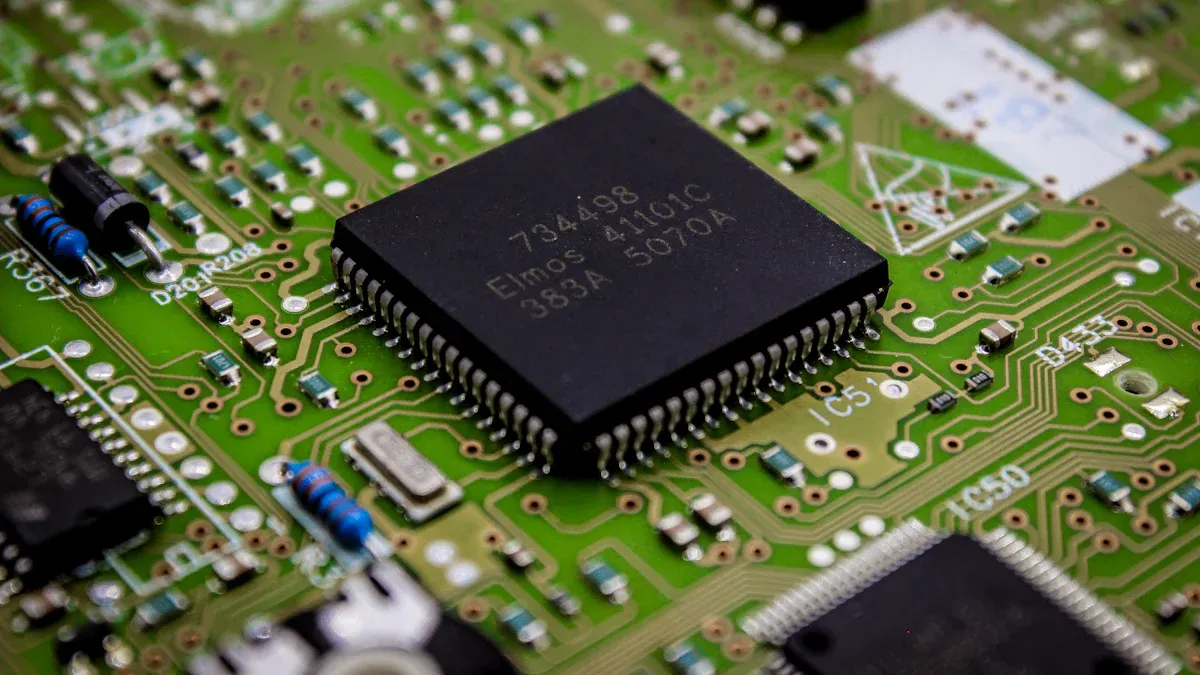
What is VLSI?
You see vlsi design in things you use every day. VLSI means very-large-scale integration. This lets millions or billions of transistors fit on one chip. VLSI design helps make devices powerful, small, and use less energy. These chips are in smartphones, computers, and cars.
VLSI design has many steps. First, you start with an idea. Next, you plan how the chip will work. Then, you build the chip. Last, you test it to make sure it works well. Each step checks if the chip is fast, saves energy, and fits in a small space. Some benchmarks, like MLPerf Tiny, help compare vlsi designs. These tests check speed, accuracy, and energy use. For example, you can count how many choices a chip makes each second for every watt of power or for each millimeter of chip area.
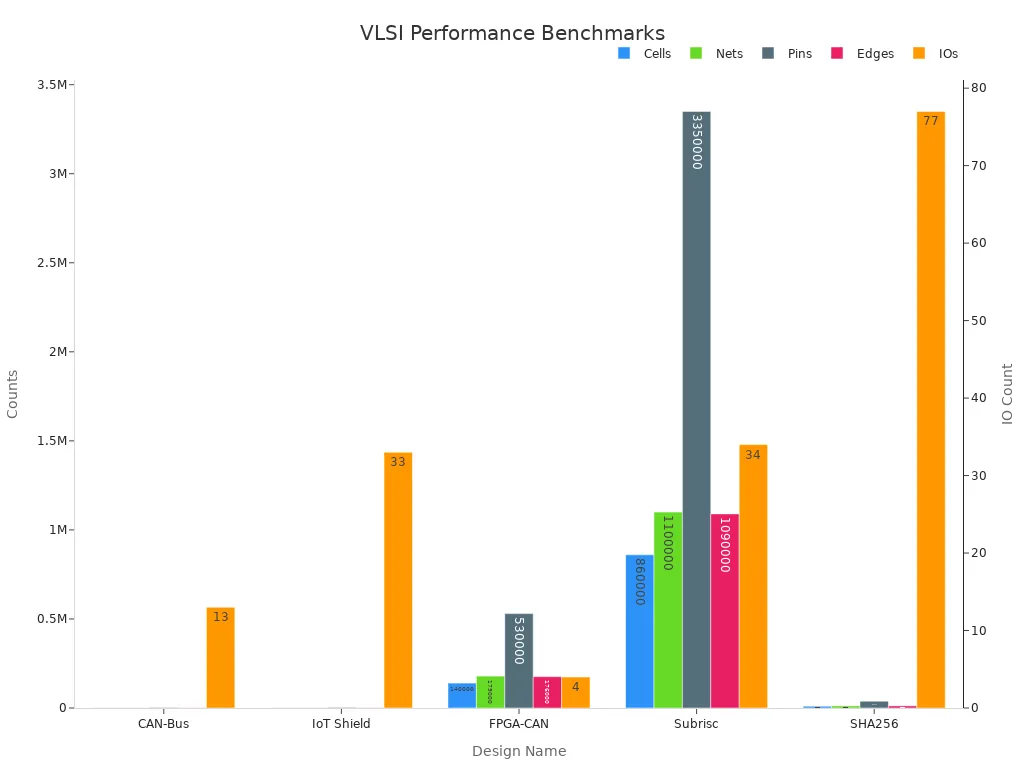
VLSI design can use a huge number of parts. Some chips have up to 2.6 trillion transistors. You can see how complex vlsi design is in this table:
|
Design Name |
Number of Cells |
Number of Nets |
Number of Macros |
Number of Pins |
Number of IOs |
Number of Edges |
|---|---|---|---|---|---|---|
|
CAN-Bus |
~800 |
~900 |
0 |
~2600 |
13 |
~900 |
|
IoT Shield |
~900 |
~1000 |
0 |
~3000 |
33 |
~970 |
|
FPGA-CAN |
~140,000 |
~179,000 |
0 |
~530,000 |
4 |
~176,000 |
|
Subrisc |
~860,000 |
~1,100,000 |
0 |
~3,350,000 |
34 |
~1,090,000 |
|
SHA256 |
~10,000 |
~12,000 |
0 |
~38,000 |
77 |
~12,000 |
Role in Electronics
VLSI design changes how electronics work today. You find vlsi chips in almost every new device. These chips make phones smarter, cars safer, and computers faster. VLSI design lets people use new materials and new ways to build chips. For example, 2D materials help make chips even smaller and faster. VLSI design also helps save power, which is good for batteries.
You can see how vlsi design changes the market by looking at these trends:
|
Aspect |
Details |
|---|---|
|
Market Size (2023) |
|
|
Forecast Growth |
Demand grows in consumer electronics, automotive, healthcare, and communication sectors |
|
Key Technological Advancements |
EUV lithography, 3D integration, better chip density, performance, and power efficiency |
|
Regional Market Leader |
Asia Pacific leads, North America holds a strong share (US >80% in 2023) |
|
Key Players |
Applied Materials, Intel, Samsung Electronics, NVIDIA, and more |
|
Market Dynamics |
Growth in manufacturing, but complexity and high costs remain challenges |
VLSI design keeps getting better. You see new uses in AI, 5G, robots, and self-driving cars. Very large scale integration lets you put more features in small spaces. You get better speed and use less energy. VLSI design is why you have fast, smart, and reliable electronics every day.
VLSI Circuit Design Principles
Scalability
People want new devices to do more each year. Scalability in vlsi design lets you add features and power. Chips do not get much bigger. Very large scale integration fits millions of transistors on one chip. This makes phones faster and gadgets smarter. Transistor scaling and sizing help fit more in the same space. Machine learning helps with layout and testing. You can handle more complex vlsi circuit design. AI tools help find problems early. This makes designs more reliable.
-
Transistor scaling helps save energy and fit more parts.
Power Management
Devices need to last all day. Power management in vlsi circuit design saves energy. Smart tricks help lower power use. Dynamic voltage and frequency scaling, power gating, and clock gating are used. Machine learning finds which chip parts use the most power. It helps you fix them. This keeps devices cool and batteries full.
|
Power Management Technique |
What It Does |
|---|---|
|
DVFS |
Changes voltage and speed to save power |
|
Power Gating |
Turns off unused parts of the chip |
|
Clock Gating |
Stops the clock in idle sections |
Signal Integrity
Devices must work fast and without errors. Signal integrity in vlsi design keeps signals strong and clear. Good design stops noise and timing errors. Careful routing and shielding help signal quality. Special tools check for problems. Metrics like noise margin and rise and fall times help measure signal integrity. EDA tools help find and fix issues before making the chip.
Area Efficiency
People want small and powerful devices. Area efficiency in vlsi circuit design uses silicon wisely. You get more performance and lower costs. More functions fit in less space. Floor planning, placement, and routing help use chip area better. Optimizing area saves power and boosts speed.
-
Better area use means faster and more flexible devices.
Reliability and testability are important in every vlsi design. You need strong supply chain management and quality checks. This makes sure chips work well. Companies like NOVA PBCA use trusted partners and strict controls. This helps you get reliable and high-performance vlsi products. NOVA PBCA also offers HiSilicon solutions for WAN IoT, smartphones, and smart media. You can find the right vlsi design for any need.
VLSI Design Methodologies
Design Flow
You always need a plan before starting vlsi design. The vlsi design flow helps you go from an idea to a real chip. This process helps you avoid errors and saves time. There are several main steps in the vlsi design process:
-
Specification: You write down what the chip should do. You set goals for speed, power, and size.
-
Architecture: You decide how the chip will work. You pick the main blocks and how they connect.
-
Logic Design: You use hdl to show how each block works. You often use rtl code for this step.
-
Circuit Design: You turn logic into real circuits. You choose the right transistors and connections.
-
Physical Design: You lay out the chip on silicon. You plan where each part goes and how wires connect them.
-
Verification: You check if the chip works as planned. You use tests and simulations.
-
Testing: You test real chips after making them. You look for mistakes and fix them.
You get big improvements at every stage. For example:
-
Peak macro efficiency gets ten times better when you use bigger arrays in vlsi circuit design.
-
System-level energy efficiency improves with larger arrays because memory costs are shared.
-
Computational density goes up as you use bigger arrays, so chips get faster and more efficient.
-
The type of workload changes how well energy is used. Pointwise and convolutional layers use energy better than fully connected layers.
This design flow helps make sure your vlsi design meets all needs. You can find problems early and fix them before building the chip.
Abstraction Levels
Abstraction levels help you handle the hard parts of vlsi design. Each level lets you focus on different things. You start with big ideas and move to detailed circuits.
|
Abstraction Level |
What You Focus On |
Why It Helps |
|---|---|---|
|
Behavioral/ESL |
What the system does |
Lets you plan without low-level details |
|
RTL |
How data moves between registers |
Makes logic clear and easy to change |
|
Gate Level |
How logic gates connect |
Prepares for real circuit mapping |
|
Transistor Level |
How transistors form gates |
Needed for final silicon layout |
|
Physical Level |
Where each part sits on the chip |
Ensures the chip fits and works in real life |
You use behavioral and ESL descriptions to focus on what the chip should do. This makes your design models easy to understand. You check your design at higher levels, which is faster and uses less memory. You can find problems early and avoid expensive changes later. You change high-level descriptions to rtl and gate-level code. This lets you improve your vlsi design before picking the final technology. Early checking and abstraction help you finish projects faster and with fewer mistakes.
EDA Tools
EDA tools help make vlsi design faster and more correct. These tools help you work with chips that have millions of parts. You use EDA tools at every step of the vlsi design process.
-
EDA tools help split up the system. You can set limits for chip area, pin count, speed, and delay. The tools help you make smart choices early.
-
You use EDA tools for physical design. Tools like Nitro-SoC and Olympus-SoC help place and connect parts on the chip. This saves time and lowers mistakes.
-
EDA tools help with packaging and connections. You can model and test how signals move between chips.
-
There are big differences between open-source and commercial EDA tools. For example, commercial tools like Cadence Encounter use less area and power and give higher speed than open-source tools like Qflow.
|
Metric |
Open-Source Tool (Qflow) |
Commercial Tool (Cadence Encounter) |
|---|---|---|
|
Area |
~4 times larger |
Baseline (smaller area) |
|
Power |
25 times higher |
Baseline (lower power) |
|
Speed |
Lower efficiency |
Higher efficiency |
EDA tools help you work faster and handle the growing size of vlsi circuit design. These tools help you finish projects quickly and with better results.
Verification
You must check your vlsi design at every step. Verification makes sure your chip works as it should. You use many ways to find and fix mistakes before making the chip.
-
You check at different levels: behavioral, structural, functional, and physical.
-
You use simulation, formal checks, and emulation to test your design.
-
You test chips after making them. You check wafers, packages, boards, and full systems.
-
You use Design for Testability (DFT) methods like scan chains and built-in self-test (BIST). These help you find faults and fix them.
-
You use error correction codes and redundancy to make your chip more reliable.
-
You run stress tests and add faults to see how your chip handles real-world problems.
You use statistical models to guess failure rates and improve your vlsi design process. These steps help you build chips that work well in all conditions.
You can see how vlsi design methodologies use proven ways and tools. For example, statistical performance analysis and advanced capacitance extraction methods make your design faster and more correct. Yield prediction models help you get more working chips from each batch. These methods improve efficiency and reliability across the vlsi design process.
CMOS and Device Technologies
CMOS Basics
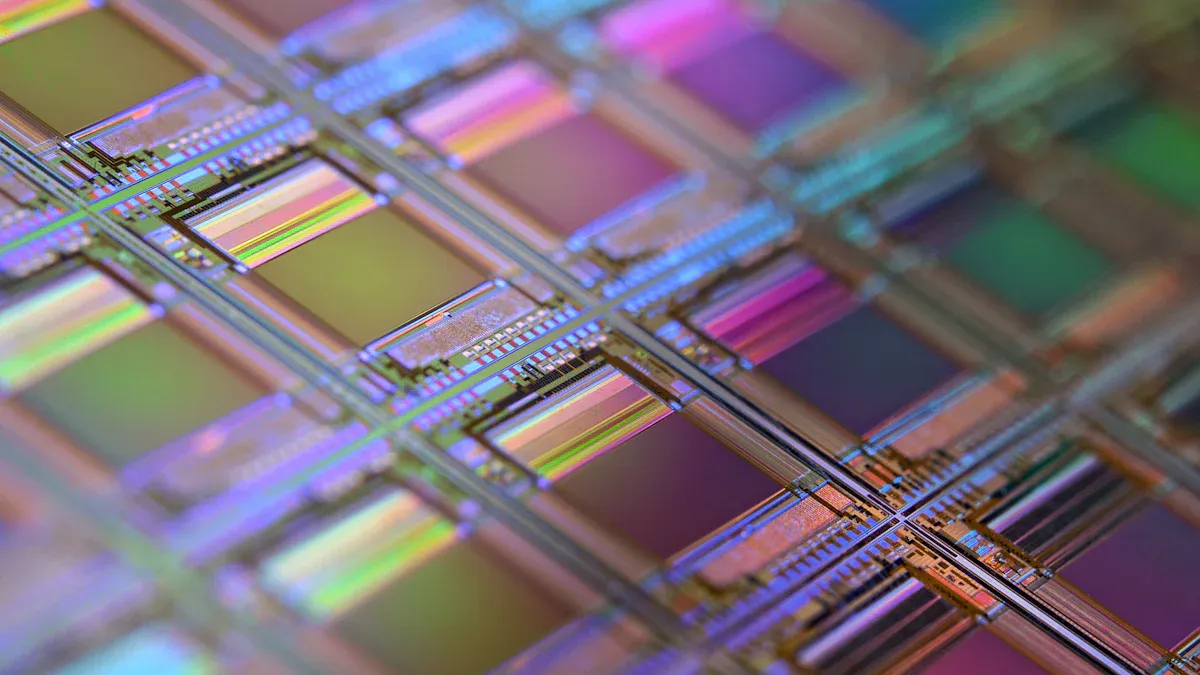
CMOS is used in almost all modern electronics. CMOS stands for Complementary Metal-Oxide-Semiconductor. This technology helps make chips that use less power and work fast. You can find CMOS in things like smartphones, cameras, and cars. Most vlsi technology uses CMOS because it saves money and is easy to make smaller.
CMOS chips have both p-type and n-type transistors. Using both types helps save energy. When one transistor is on, the other is off. This keeps power use low. Devices last longer on one battery charge. CMOS also lets you make smaller chips. You can add more features to each chip.
Market studies show CMOS is growing quickly. In 2023, the CMOS market was $4.2 billion. By 2032, it could reach $12.4 billion with a 12.8% yearly growth rate. This is because more people use CMOS in phones, cars, hospitals, and factories.
Here is a table that shows why CMOS is popular:
|
Aspect |
Details |
|---|---|
|
Market Size (2023) |
USD 4.2 billion |
|
Projected Market Size (2032) |
USD 12.4 billion |
|
CAGR |
12.8% |
|
Key Growth Drivers |
Consumer electronics, automotive, healthcare, industrial automation |
|
Technological Advantages |
Cost-effectiveness, low power, miniaturization, high image quality |
|
Leading Companies |
Sony, Samsung, OmniVision, STMicroelectronics, Infineon Technologies |
You see CMOS in many places:
-
Phones use CMOS for better cameras and face unlock.
-
Cars use CMOS for safety and self-driving.
-
Hospitals use CMOS for medical pictures.
-
Factories use CMOS for robots and machines.
Companies like Sony and Samsung keep making CMOS sensors better. They work to make chips smaller, faster, and use less energy. This helps vlsi technology get used in more things.
Device Types
There are many device types in CMOS technology. Each type does a special job. Some examples are photodetectors, amplifiers, and logic gates. You use these devices in vlsi technology to make complex systems.
Here is a table that compares some device types:
|
Parameter |
Device Type Examples |
Power Consumption (mW) |
Energy Efficiency (pJ/b) |
Sensitivity (BER 10^-12) |
Notes on Device Type and Performance Characteristics |
|---|---|---|---|---|---|
|
Photodetector (PD) Type |
Ge waveguide, Si waveguide, GaAs |
11.6 - 575 |
0.73 - 57.5 |
-19.5 dBm to -6 dBm |
Ge waveguide PDs have better sensitivity and use less energy. |
|
Amplifier Type |
Transimpedance Amplifiers (TIAs) |
Varies |
N/A |
N/A |
Higher gain means less bandwidth; resistor-based TIAs use less power but have limits. |
|
CMOS Scaling Effects |
N/A |
Power per transition reduced by 50-65% |
N/A |
N/A |
Scaling doubles device density and makes delay 30% shorter. |
CMOS scaling makes devices faster and use less energy. You get lower power use and higher speed. For example, scaling makes gate delay 30% shorter and doubles device density. Energy per switch drops by 65%. But smaller devices can have new problems. They might leak more power or break more easily.
You use vlsi technology to put these device types on one chip. This lets you build strong and useful electronics for many jobs.
Modern VLSI Design Techniques
IP Reuse
You can make vlsi design faster by using IP reuse. IP means intellectual property. You use tested blocks from old projects in new chips. This saves time and lowers risk. You do not have to build every part again. Many companies use IP reuse for USB, memory, and processors. You can use these blocks in asic and fpga projects. This helps you finish vlsi design faster with fewer mistakes. You also get better quality because the blocks are already tested.
Mixed-Signal Design
Mixed-signal design lets you put analog and digital circuits together. You use this in vlsi design for sensors, radios, and audio. You get better performance and save energy. Research shows mixed-signal design makes fast and energy-saving chips. New tools let you check both analog and digital parts at once. AMS emulation makes testing much faster. You can find problems before making the chip. This makes your vlsi design more reliable and helps you finish projects sooner.
-
AMS emulation lets you test USB, DDR, PCIe, and SerDes together.
-
You can model real analog behavior, not just simple versions.
-
You find and fix problems early in the vlsi design process.
Low Power Circuits
Low power circuits are important in vlsi design. You want devices to last longer and use less energy. You can use tricks like clock gating, power gating, and sleep modes. The Cortex-M3 processor uses these tricks to save power. Studies show low power vlsi design can cut energy use by up to 30%. You can allow small errors in some parts to save even more energy. These methods help you build phones, tablets, and fpga boards that run cooler and last longer.
Memory Optimization
Memory optimization matters in vlsi design. You want memory that is fast, small, and uses little power. You can use special memory blocks and smart layouts. You can also share memory between chip parts. This makes your vlsi design faster and more efficient. Good memory design helps you get better area, power, and speed. You see these gains in asic and fpga projects. New vlsi design methods use AI to pick the best memory setup for each job.
You can see how modern vlsi design techniques help with real numbers. For example, the LCDA framework gives up to 25 times faster design for DNN accelerators. Network processor guidelines improve area, power, and delay. AI tools like ChatEDA and GPT4AIGChip help you automate vlsi design and get better results.
|
Study / Framework |
Quantitative Result |
Impact on Performance and Efficiency |
|---|---|---|
|
LCDA (Yan et al., 2023) |
Up to 25x speedup in DNN accelerator co-design |
Faster design process, high performance |
|
Network Processor Guidelines |
Better area, power, delay, power-per-watt |
Improved hardware efficiency |
|
Domain-adapted LLMs (ChatEDA, ChipNemo) |
Comparable or better than larger models |
Higher productivity, better optimization |
|
GPT4AIGChip (Fu et al., 2023) |
Reported strong performance |
Balanced automation and quality |
Impact on Modern Electronics
Computing Advances
You use vlsi every time you turn on a computer or tablet. Vlsi lets billions of transistors fit on one chip. This makes microprocessors, memory chips, and SoCs work. These chips power laptops and even supercomputers. Over time, vlsi made processors faster and more efficient. The Intel 4004 had only a few thousand transistors. Now, chips like the Apple M1 have billions. Computers get faster and use less energy. Vlsi design adds new things like on-chip memory controllers and extra execution units. These features help your device run more programs at once. Tasks finish quickly because of these changes. As vlsi technology gets smaller, chips get more functions and better performance.
-
You get faster speed, more memory, and lower power use.
-
Modern processors use vlsi to handle more data and smarter software.
Communication Systems
Vlsi changes how you talk and connect with others. Phones, Wi-Fi routers, and the internet use vlsi chips. These chips make communication systems fast and reliable. Vlsi design builds silicon accelerators for deep learning. This helps networks move data better. You see vlsi in FPGA-based routers and mobile devices. These designs make networks faster and use less power. Vlsi also helps new tech like 6G, IoT, and data centers. Engineers can cut memory needs by up to 90% with vlsi. They can also lower power use by 84%. This means longer battery life and better connections, even far away.
-
Vlsi makes mobile devices cheaper and stronger.
-
Communication systems use vlsi for speed and saving energy.
-
You get better calls, faster downloads, and smart networks.
Consumer Devices
Vlsi changes how you use gadgets every day. Phones, TVs, and smartwatches all have vlsi chips. These chips make your devices smaller, faster, and save energy. Advanced vlsi design uses pipelining and power tricks. This helps your device last longer on one charge. You get smooth video, quick apps, and clear sound. The table below shows how vlsi design helps your devices:
|
VLSI Design Methodology |
Device Benefit |
|---|---|
|
Pipelining |
Faster processing, less waiting |
|
Minimization |
Smaller chips, lower power use |
|
Power Optimization |
Longer battery life |
|
RTL Coding Techniques |
Better use of hardware |
|
Synchronous Design |
More reliable devices |
|
Modular Design |
Easier upgrades and repairs |
Vlsi lets you use high-performance devices that fit in your pocket. You get more features, faster speed, and longer battery life because of smart vlsi design.
Trends and Challenges in VLSI
AI in Design
AI is changing how people do VLSI design. AI tools help with many steps in the process. These tools can find mistakes and fix power use. They also help with timing. You can use AI helpers to work faster. For example, the MemryX Edge AI Accelerator uses smart ideas to get better results. AI can spot problems before they happen. It checks your design for errors and gives you ways to fix them. This makes your design work better and saves energy.
3D ICs
3D ICs let you put chips on top of each other. This means you can fit more circuits in less space. It helps save power and makes things faster. People use 3D ICs to build new computers. These chips help solve hard problems with less energy. But 3D ICs have new problems like heat and tricky connections. You need special tools to fix these issues. Ronald Dreslinski and other researchers work on 3D chip design to make computers better.
Quantum Circuits
Quantum circuits are a new way to design chips. You use ideas from quantum science to solve tough problems. These circuits work when it is very cold. You need new ways to design quantum chips. Some teams build special electronics for these circuits. Quantum design lets you do things regular computers cannot do. You must learn new things to work with quantum circuits.
Design Complexity
VLSI design gets harder every year. You have to handle more parts and wires. You need to keep your design fast and small. It should also use little power. There are problems like timing and testing limits. You can use parallel processing and break designs into smaller parts. Open-source tools help you finish your work faster. New ways to package chips and mix technologies are coming. These changes mean you must learn new skills.
Research in VLSI design helps solve these problems. Experts like Dennis Sylvester work on low-power and fast designs. Companies and schools work together to make new tools and ways to design. The table below shows important research areas and what they focus on:
|
Research Area / Focus |
Challenges and Trends Addressed |
Examples and Faculty Involved |
|---|---|---|
|
Low-power and high-performance VLSI |
Handling hard designs, saving energy |
Dennis Sylvester: low power IC design, CAD for VLSI |
|
3D ICs and experimental chips |
Hard designs, saving power, new chip ideas |
Ronald Dreslinski: 3D computer chips, energy-efficient computing |
|
Quantum-inspired architectures |
Solving tough problems, making quantum computers better |
Faculty working on cold control electronics and quantum designs |
|
AI integration in design automation |
AI for fixing problems, saving power, and working faster |
AI helpers, MemryX Edge AI Accelerator |
|
Emerging technologies and tools |
Making design faster, using new ways to build chips |
Open-source tools that speed up hardware design |
|
Heterogeneous integration and packaging |
New ways to put chips together, fixing connection problems |
Companies and startups making VLSI design better |
You can use these new ideas to help with your own designs. Keep learning about VLSI design and stay interested in new methods.
You have learned that vlsi design changes electronics for the future. Vlsi design helps make devices faster, smaller, and use less energy. You learn important ideas like saving power, using space well, and using smart tools. These skills help you fix real problems. The table below shows new trends that keep vlsi design important:
|
Advancement/Trend |
Description/Impact |
|---|---|
|
FinFET Technology |
3D transistors give better speed and save more energy. |
|
EUV Lithography |
Special UV light helps make smaller and more exact chips. |
|
3D Integration |
Chips are stacked to make small and strong devices. |
|
AI and Machine Learning Integration |
Smarter tools help design and build better chips. |
|
Market Trends (IoT, AI, 5G) |
Vlsi design helps new tech in every area. |
“Innovation is what keeps microelectronics moving forward. When we try new things, we can make chips smaller, faster, and stronger.” – Dr. Ravi Kapoor
You can help make new technology by learning vlsi design. You help make progress in many fields.
FAQ
What does VLSI stand for and why is it important?
VLSI stands for Very-Large-Scale Integration. It lets you put millions of transistors on one chip. This makes your devices work faster and use less space. It also helps save energy.
How does VLSI design help save power in devices?
You can use tricks like clock gating and power gating. These tricks turn off chip parts when not needed. This helps your phone or tablet battery last longer.
What tools do you need for VLSI circuit design?
You need EDA tools to design VLSI circuits. These tools help you draw, test, and check your chip. Some popular tools are Cadence, Synopsys, and Qflow.
Can you reuse parts of old VLSI designs?
Yes! You can use tested blocks called IP cores again. This saves time and helps you make fewer mistakes. Many companies reuse IP for memory, USB, and processors.
Where do you see VLSI chips in daily life?
|
Device |
Example Use |
|---|---|
|
Smartphone |
Processor, camera |
|
Smartwatch |
Health tracking |
|
Car |
Safety systems |
|
TV |
Display, streaming |
You can find VLSI chips in almost every new electronic device.