How Ignition Relays Shape Electronic Design in 2026
Ignition relays shape the way you experience modern electronics in 2026. You rely on these components to manage po
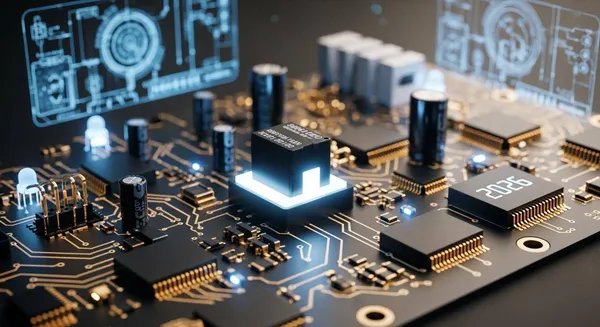
Ignition relays shape the way you experience modern electronics in 2026. You rely on these components to manage power, protect sensitive circuits, and unlock advanced features in your devices.
- They distribute power during engine ignition, keeping automotive systems reliable.
- They shield electronic parts from voltage drops and electrical transients.
- They prevent momentary shutoff of accessories, which helps avoid stalling and keeps systems safe.
You see ignition relays as the backbone of both automotive and wider electronic designs.
Key Takeaways
- Ignition relays are crucial for managing power and protecting sensitive circuits in modern electronics.
- These relays enable advanced features like remote access and programmable controls, enhancing device convenience.
- Smart integration of ignition relays allows for real-time monitoring and diagnostics, improving system efficiency.
- Choosing the right ignition relay involves considering voltage ratings and protective features to ensure safety and reliability.
- The shift towards solid-state relays and automation is transforming the relay market, offering better performance and longevity.
Ignition Relay Basics and Evolution

What Is an Ignition Relay?
You use an ignition relay to control high-current circuits with low-current signals. This device acts as a switch, allowing you to activate powerful systems without exposing sensitive components to high voltage. A simple electromagnetic relay contains a coil wrapped around a soft iron core. When you send a small current through the coil, it creates a magnetic field. This field moves the armature, which connects or disconnects the circuit. You gain efficient control and protection for electrical loads.
- A relay lets you manage high-power circuits with minimal effort.
- It isolates and protects your circuits, making sure electrical loads operate safely.
- In automotive systems, you can start the ignition system with a small current.
You depend on ignition relays to keep your devices safe and reliable. They prevent overloads and shield electronics from damage.
How Ignition Relays Have Changed by 2026
You see major advancements in ignition relay technology by 2026. The rise of electric and hybrid vehicles increases demand for advanced starter relay systems. Smart technology integration allows real-time monitoring and diagnostics through IoT features. Miniaturization leads to smaller, lighter relays that fit into compact automotive designs. Manufacturers focus on eco-friendly materials and processes, responding to environmental concerns. You benefit from increased reliability and longer service life.
- Electrification of vehicles drives innovation in relay systems.
- Smart grid and renewable energy applications require robust relay solutions.
- Industry 4.0 pushes for responsive and durable relays in interconnected systems.
- IoT-enabled devices expand the use of relays for remote monitoring and control.
- Regulatory frameworks encourage sustainable manufacturing.
The global automotive relay market grows rapidly. You notice a projected value of $26.7 billion by 2030, with a compound annual growth rate of 7.6%. Electric vehicle penetration and demand for high-voltage relays boost production in commercial and passenger vehicles.
Nova Technology Company (HK) Limited stands out as a HiSilicon-designated solutions partner. You rely on their expertise in integrated circuit design, chip-level solutions, and system integration. Their relay innovations support automotive, smart home, and industrial applications, ensuring your devices meet future standards.
Why Ignition Relays Matter in Modern Electronics
Power Management and Safety
You depend on ignition relays to manage power distribution in your devices. These relays prevent electrical faults by controlling the flow of energy and keeping it at safe levels. In hazardous environments, ignition relays limit energy that could ignite explosive atmospheres. You benefit from intrinsically safe barriers that keep all energy entering sensitive areas at safe levels. This protection stops short circuits from causing ignition and enhances safety in electronic systems.
Ignition relays help you avoid overloads and electrical transients. You see them in vehicles, where they manage starter motors and accessory circuits. They also appear in industrial control panels, ensuring safe operation of heavy machinery.
Protecting Circuits and Components
You rely on ignition relays to shield sensitive electronics from voltage spikes and surges. These relays use advanced protection circuits and surge suppression devices to absorb sudden energy bursts. You see integrated transient voltage suppression rated for energy absorption up to 300mJ per pulse. Protection circuits guard against overcurrent, overvoltage, short circuits, and transient voltage spikes. Current limiting, voltage clamping, and fault detection systems extend the life of your devices.
| Feature | Description |
|---|---|
| Integrated Transient Voltage Suppression | Rated for energy absorption up to 300mJ per pulse, providing protection against voltage spikes without external components. |
| Protection Circuits | Safeguards against overcurrent, overvoltage, short circuits, and transient voltage spikes. |
| Advanced Mechanisms | Includes current limiting, voltage clamping, and fault detection systems that enhance safety and longevity. |
- Ignition relays resist voltage spikes, protecting sensitive components in electronic circuits.
- Low heat dissipation reduces the risk of overheating.
- Protective components like reverse-bias diodes manage inductive spikes and safeguard microprocessors.
You find these features in automotive systems, smart home devices, and industrial electronics. Surge suppression devices enhance the safety and reliability of electrical systems.
Ensuring System Reliability
You trust ignition relays to improve system reliability in automotive and industrial electronics. These relays control high power loads with low power signals. Rugged construction and high current capacity make them suitable for harsh environments. You see consistent performance in vehicles, where relays protect sensitive electronics and manage high current loads. In industrial applications, relays isolate low-voltage control electronics from high-power loads. This increases safety and reduces maintenance downtime.
Ignition relays, as part of relay boxes, manage electrical flow in automotive systems. They prevent overloads and short circuits, protecting sensitive components and ensuring continuous operation. Modular relay boxes allow you to replace individual relays quickly. This design minimizes system downtime and supports fast maintenance.
You experience reliable operation in vehicles, smart homes, and industrial systems because ignition relays keep your devices running smoothly.
Ignition Relay Impact on Device Design
Integration with Smart Systems
You see smart systems everywhere in 2026. Ignition relays play a key role in connecting these systems to power management. You use relays to link sensors, microcontrollers, and cloud-based platforms. This integration lets you monitor and control devices remotely. You gain real-time data on system status, energy consumption, and fault detection.
Smart integration improves efficiency and safety. You can automate responses to electrical faults and optimize power usage.
Nova Technology Company (HK) Limited supports your smart system designs. As a HiSilicon-designated solutions partner, Nova Technology Company (HK) Limited provides chip-level solutions and system integration expertise. You rely on their advanced integrated circuits for automotive, industrial, and smart home applications. Their ICs enable seamless relay control, diagnostics, and connectivity in complex electronic environments.
Enabling Advanced Features
You unlock advanced features in your devices with ignition relays. You activate push-button start, remote access, and programmable power cycles. You use relays to support adaptive lighting, climate control, and security systems. These features rely on precise relay timing and fast switching.
- You enjoy enhanced convenience and safety.
- You customize device behavior for different scenarios.
- You reduce energy waste with programmable controls.
A relay lets you build smarter devices that respond to your needs.
Supporting Modular and Scalable Designs
You design modular systems with ignition relays. You add or remove components without disrupting the whole device. Relays support scalable architectures, so you expand your system as requirements change.
| Benefit | Description |
|---|---|
| Modularity | You swap out modules for upgrades or repairs. |
| Scalability | You grow your system to handle more functions. |
| Maintenance | You replace relays quickly to minimize downtime. |
Modular relay boxes make maintenance easier and keep your devices running longer.
You build flexible, future-ready electronics with ignition relays at the core.
Applications and Best Practices in 2026

Automotive and Beyond
You see ignition relays powering critical systems in vehicles and other electronics. In modern cars, you rely on relays to control the ignition module, fuel pump, and engine cooling fans. These components ensure precise spark timing, steady fuel delivery, and effective temperature regulation. You also find relays in electric vehicles, industrial automation, and smart home devices. Relays help you manage power, protect circuits, and maintain system stability across many applications.
- Ignition system: Controls spark plug timing for efficient combustion.
- Fuel pump: Activates when the engine starts, keeping fuel pressure consistent.
- Engine cooling fans: Regulates fan operation to prevent overheating.
You benefit from reliable performance and safety in every device that uses these relay-driven systems.
Design Strategies for Engineers
You improve circuit reliability by following best practices when designing with relays. You select relays rated higher than your load requirements. You add flyback diodes across relay coils in DC circuits to prevent voltage spikes. For AC loads, you use snubber circuits to reduce arcing and extend relay life. You mount relays away from high-heat areas and provide proper ventilation for solid-state relays.
| Design Factor | Recommendation |
|---|---|
| Voltage/Current | Choose relays with ratings above your load. |
| Load Type | Match relay type to the device you control. |
| Switching Speed | Select relays with fast response times. |
| Size Constraints | Ensure relays fit your design layout. |
| Power Consumption | Use efficient relays to save energy. |
| Environmental | Protect relays from heat and moisture. |
You ensure the forward current of the flyback diode is larger than the coil’s current. You choose a diode with a reverse voltage higher than the coil’s voltage rating. These steps protect your circuits and extend relay life.
Nova Technology Company (HK) Limited, a HiSilicon-designated solutions partner, provides chip-level solutions and system integration expertise. You use their advanced ICs in automotive, industrial, and smart home applications to achieve reliable relay control and seamless connectivity.
Future Trends
You notice new trends shaping relay technology. Automation, digitalization, and smart design drive innovation. You see advancements in materials and safety features that improve performance and reduce costs. The transition to solid-state and hybrid switching technologies changes the relay market. Solid-state relays offer faster switching and longer life. Industrial automation leads demand, with manufacturers replacing traditional relays to boost reliability and cut maintenance. The automotive sector grows quickly as electric vehicles require advanced power management.
- Automation and digitalization enhance relay functions.
- Solid-state relays increase reliability and reduce maintenance.
- Industry-specific needs, such as EVs and medical devices, drive new relay designs.
You make smarter decisions by considering circuit stability and future-proofing your designs.
You see ignition relay technology shaping the future of electronic design.
- The automotive relay market grows fast, driven by electric vehicles and advanced driver-assistance systems.
- Smart relay systems and solid-state relays improve performance and energy efficiency.
- AI and machine learning help optimize relay systems in real time.
You build safer, more reliable devices when you prioritize relay integration. Engineers who invest in next-generation solutions create robust, future-ready electronics.
FAQ
What is the main function of an ignition relay?
You use an ignition relay to control high-current devices with a low-current signal. This relay acts as a switch, protecting sensitive electronics and ensuring safe power delivery.
How do ignition relays improve safety in electronics?
Ignition relays prevent overloads and short circuits. You rely on them to isolate control circuits from high-power loads, which reduces the risk of damage or fire.
Can you use ignition relays in smart home devices?
Yes, you can. Ignition relays help you manage power for smart lighting, security systems, and appliances. They enable remote control and automation features in your home.
What should you consider when choosing an ignition relay?
You should check the voltage and current ratings. Make sure the relay matches your load. Look for features like surge protection and fast switching speed for better performance.
Are solid-state relays better than traditional mechanical relays?
Solid-state relays offer faster switching and longer life. You get quieter operation and less wear. However, you may still choose mechanical relays for certain high-current or cost-sensitive applications.