Why 5V to 5V Voltage Regulators Matter in Today’s Electronic Systems
You rely on voltage regulators to keep your electronic systems running smoothly. Stable 5V power helps microcontrollers and
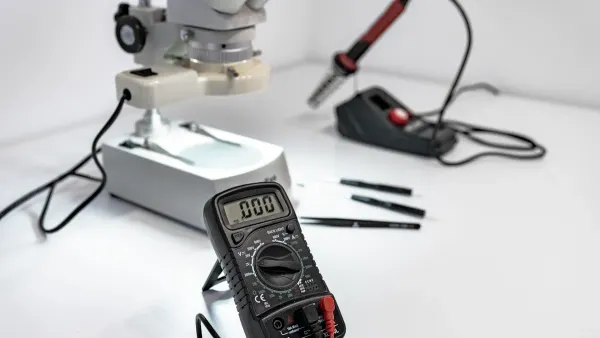
You rely on voltage regulators to keep your electronic systems running smoothly. Stable 5V power helps microcontrollers and sensors work without errors or noise. A 5v to 5v voltage regulator ensures your devices get the right voltage at all times. Here is why stability matters:
- Stable voltage keeps devices like Arduino and Raspberry Pi functioning correctly.
- Consistent power prevents erratic behavior and protects sensitive electronics.
- Low ripple voltage stops performance loss in sensors.
- The right voltage and current rating prevent damage and overheating.
- Good design and heat control extend the life of your components.
A voltage regulator such as the LM340T5 can protect your system from voltage spikes and overheating. You gain reliability, stability, and better durability with a quality 5v to 5v voltage regulator.
Key Takeaways
- A 5V to 5V voltage regulator keeps your devices running smoothly by providing a steady and stable power supply.
- Using the right regulator protects your electronics from damage caused by voltage spikes, drops, and overheating.
- Different types of regulators—linear, switching, and buck-boost—offer options for noise reduction, efficiency, and input voltage flexibility.
- Choosing a regulator that matches your device’s voltage and current needs improves performance and extends device life.
- Good thermal management and proper installation help your voltage regulator work efficiently and keep your system reliable.
5V to 5V Voltage Regulator
What Is a Voltage Regulator
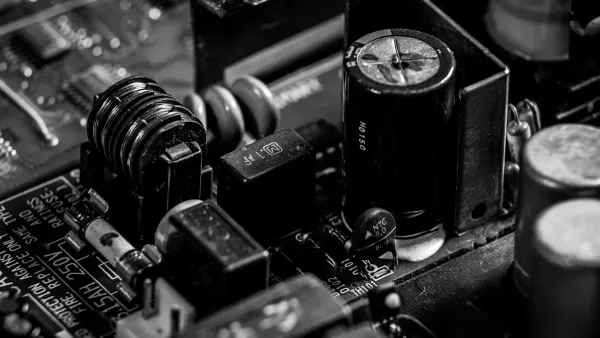
You often see a voltage regulator in electronic circuits. This device keeps the voltage steady, even when the input voltage or the load changes. When you use a 5v to 5v voltage regulator, you make sure your circuit always gets a constant output voltage of 5 volts. This is important for microcontrollers, sensors, and other sensitive parts. If the voltage goes too high or too low, your devices can stop working or even get damaged.
A voltage regulator works differently from other power management components. Its main job is to stabilize the voltage and protect your devices. Other power components might control current or convert power, but the regulator focuses on keeping the voltage at the right level. You find voltage regulators in many places, such as audio systems, medical devices, and industrial machines. They help prevent noise, flickering, and damage from voltage changes.
A 5v to 5v voltage regulator, like the L7805, gives you a stable 5V output even if the input voltage changes from 7V to 15V. This makes it perfect for breadboard circuits and other projects that need a reliable 5V power supply. The circuit is simple and cost-effective. You can add capacitors to improve stability and even use an LED to show when the regulator is working.
If you do not use a voltage regulator, your system can fail in many ways. Here are some common problems:
- Transistors may not turn on fully, causing them to overheat.
- If the voltage drops too low, the regulator cannot keep up, and your device may stop working.
- Switch-mode power supplies can draw too much current if the voltage drops, which can damage parts.
- Some circuits have undervoltage lock-out to stop them from running at unsafe voltages.
- Improper voltage can cause latch-up, leading to overcurrent and possible device failure.
Tip: Always use a voltage regulator to avoid these failures and keep your electronics safe.
You can also see these failure modes in the table below:
| Failure Mode | Description and Cause |
|---|---|
| Thermal Runaway | Local heating causes temperature to rise, melting parts and leading to failure. |
| Latch-up | Voltage spikes trigger unwanted current flow, which can destroy the device. |
| Electrical Overstress | Too much voltage or current damages the internal parts, causing immediate or delayed failure. |
| Metallization Burnout | High current melts the metal connections, breaking the circuit. |
| Oxide Breakdown | High voltage breaks down insulating layers, causing shorts or poor performance. |
| Junction Damage | Voltage stress damages the semiconductor junctions, leading to leaks or shorts. |
| Ground Loops | Poor current handling causes voltage spikes, adding stress and risking damage. |
How It Works
A 5v to 5v voltage regulator uses several key parts to keep the voltage steady. The most important part is the feedback circuit. This circuit checks the output voltage and compares it to a reference voltage. If the output changes, the regulator adjusts itself to bring the voltage back to the correct level.
You will find these main parts inside a voltage regulator:
- Feedback circuit: Watches the output voltage and compares it to a set value.
- Reference voltage: Gives a stable point for comparison.
- Control mechanism: Changes how the regulator works to keep the voltage steady. In a linear regulator, this means adjusting resistance. In a switching regulator, it means turning on and off very quickly.
The table below shows how each part works:
| Component | Role/Mechanism |
|---|---|
| Pass Transistor | Acts like a variable resistor, changing resistance to keep the output voltage steady. |
| Error Amplifier | Compares the output voltage to the reference and sends a signal to correct any difference. |
| Voltage Reference | Provides a stable voltage for the regulator to compare against the output. |
| Resistor Feedback Network | Samples the output voltage and feeds it to the error amplifier. |
| Control Loop | Monitors and adjusts the regulator to keep the voltage constant. |
| PWM Modulator | In switching regulators, changes how long the switch stays on or off to control the voltage. |
When you use a 5v to 5v voltage regulator, you get a constant output voltage even if the input voltage or the load changes. The regulator uses feedback to watch the voltage and make quick adjustments. In a linear regulator, it turns extra voltage into heat. In a switching regulator, it switches on and off to save energy and keep the voltage right.
You need a voltage regulator in almost every electronic device. It protects your circuits from voltage spikes and drops. It also helps your devices last longer and work better. If you want your power supply to be safe and reliable, always use a good regulator.
Types of Electronic Voltage Regulator
You see many kinds of electronic voltage regulator in modern circuits. Each type helps you keep voltage stable and protects your devices. Let’s look at the main types and how they work.
Linear Regulator
A linear regulator gives you a simple way to control voltage. You use it when you need low noise and fast response. The most common example is the 7805 IC. You find it in power supply units, battery chargers, and consumer electronics like headphones and wearables.
Tip: Use a linear regulator when you want a quiet power supply for sensitive electronics.
A linear regulator works by dropping extra voltage as heat. You need the input voltage to be higher than the output voltage. For example, if you want 5V output, you need at least 7V input. Low Dropout (LDO) regulators improve this by working with input voltages closer to 5V.
Here are some advantages and disadvantages:
-
Advantages:
- Simple design with few parts
- Low noise output
- Cost-effective and easy to use
- Good for low-current devices
-
Disadvantages:
- Wastes power as heat when input voltage is much higher than output
- Needs heat sinks for high current
- Only steps voltage down, not up
- Cannot regulate if input equals output voltage
You often use a linear regulator for low-noise, low-current electronics. It gives you dependable voltage regulation, but you must watch for heat buildup.
| Type | Advantages | Disadvantages |
|---|---|---|
| Linear Regulators | Simple, low noise, fast response, minimal parts | Low efficiency, heat generation, limited current |
Switching Regulator
A switching regulator uses a different method to control voltage. You see it in battery-powered devices, high-current circuits, and places where efficiency matters. It works by turning a switch on and off very quickly. This creates pulses that get smoothed out by inductors and capacitors.
You use switching regulators when you need to step voltage up, down, or both. Buck converters step voltage down. Boost converters step voltage up. Buck-boost converters do both. The MC34063 is a classic switching regulator IC. Modern versions like the NCP3063 offer better performance.
Note: Switching regulators are more complex than linear regulators, but they save energy and reduce heat.
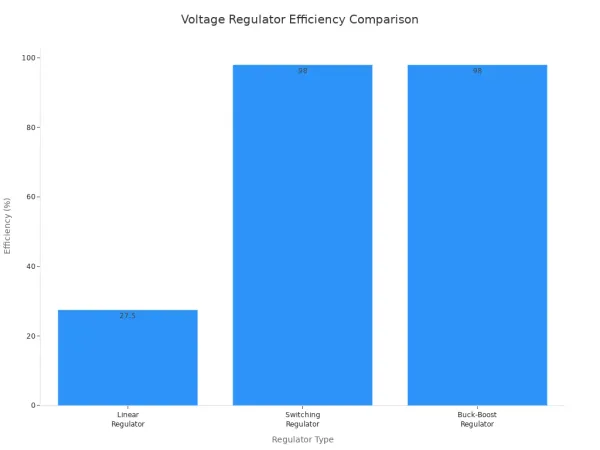
Switching regulators achieve high efficiency by supplying power only during the ON period. The control loop adjusts the duty cycle to match the output voltage. You get less heat and higher efficiency, often up to 90% or more.
| Type | Advantages | Disadvantages |
|---|---|---|
| Switching Regulators | High efficiency, wide input range, can step up/down | Complex design, electrical noise, more parts |
You find switching regulators in solar power systems, automotive electronics, and IoT devices. They handle higher currents and work well when input voltage changes a lot.
Buck-Boost Regulator
A buck-boost regulator gives you the most flexibility. You use it when your input voltage can go above or below your desired output. It keeps the output voltage stable, even if the input changes from 3V to 12V. This is important for battery-powered devices and solar systems.
Buck-boost regulators use switching, inductors, and capacitors. They adjust their operation with pulse-width modulation and feedback control. You get a stable 5V output, no matter if the input is higher or lower than 5V.
-
Advantages:
- Maintains stable voltage with changing input
- High efficiency, often above 85% and up to 90%
- Low heat generation
-
Disadvantages:
- More complex design
- Can introduce electrical noise
You see buck-boost regulators in devices that need reliable voltage under varying conditions. They protect sensitive electronics and keep your system running smoothly.
| Regulator Type | Efficiency Characteristics | Heat Dissipation Characteristics | Additional Notes |
|---|---|---|---|
| Buck-Boost Regulator | A type of switching regulator capable of stepping voltage up or down efficiently | Similar low heat dissipation benefits as switching regulators | Ideal for variable input voltage scenarios like battery-powered devices |
Callout: Choose a buck-boost regulator for applications where input voltage is unpredictable.
You now know the main types of electronic voltage regulator. Each type has its own strengths and weaknesses. Pick the right regulator for your needs to keep your voltage stable and your devices safe.
Benefits
Reliability
You want your electronic devices to work every time you turn them on. A 5V to 5V voltage regulator gives you the reliability you need. This regulator keeps the voltage steady, even when the input changes or the load increases. You can trust a linear regulator to deliver low noise and stable voltage for sensitive devices like audio equipment and medical tools. Switching regulators also help by providing high efficiency and handling wide input ranges. You get voltage stability, which means your microcontrollers and sensors run smoothly. When you use a regulator, you avoid sudden drops or spikes in voltage that can damage your electronics. The simple design of many regulators means fewer parts can fail, so your system stays reliable.
- Maintains constant voltage for proper device operation
- Handles input fluctuations and load changes
- Supports high efficiency for longer device life
- Compatible with many electronic components
Noise Reduction
You need clean power for your circuits. A voltage regulator reduces noise and ripple, which helps your devices perform better. Linear regulators like the LP5907 can give you extremely low output noise, sometimes as low as 0.01mV. This is much cleaner than unregulated supplies, which often have high ripple and noise. Switching regulators use advanced techniques to keep noise low while maintaining high efficiency. You can add capacitors or LC filters to further reduce noise. Clean voltage means your audio, RF, and sensor circuits work without hum or interference.
You get voltage stability and better signal integrity when you use a regulator. Unregulated power supplies cannot match this level of noise reduction.
Protection
You want to protect your electronics from voltage spikes and surges. A voltage regulator helps by clamping dangerous voltages and keeping your devices safe. Regulators like the LM7805 work with transient voltage suppressors to block sudden surges. You can use series resistors and capacitors to absorb and limit transient currents. Switching regulators often include built-in protection features such as over-current, over-voltage, and short-circuit protection. These features improve safety and prevent damage. Choosing the right regulator with proper ratings ensures your system can handle unexpected events.
| Protection Feature | How It Works | Benefit to You |
|---|---|---|
| Over-current protection | Limits current during faults | Prevents overheating |
| Over-voltage protection | Clamps voltage spikes | Shields sensitive components |
| Short-circuit protection | Shuts down output during shorts | Avoids permanent damage |
You get voltage stability, high efficiency, and peace of mind when you use a regulator with strong protection features.
Applications
Microcontrollers
You use microcontrollers in many projects, from robotics to home automation. These tiny computers need a stable source of power to work correctly. A 5V to 5V voltage regulator gives your microcontroller the steady power it needs. If the voltage changes, your microcontroller might reset or act strangely. You can prevent these problems by using a regulator.
- Microcontroller power supply keeps devices like Arduino running smoothly.
- Sensor power supply ensures accurate readings for temperature, humidity, and pressure sensors.
- Battery-powered devices use regulators to turn changing battery voltage into a steady 5V output.
- Prototyping and development boards rely on dependable power for quick and reliable testing.
- Communication devices, such as modems and routers, need stable power for uninterrupted data transmission.
Tip: Always check your regulator’s output with a multimeter before connecting sensitive microcontrollers.
Consumer Electronics
You find voltage regulators in many consumer electronics. Radios, calculators, and small appliances all need stable power to work safely. The 78M05 linear voltage regulator is a popular choice. It keeps the output voltage at 5V, even when the input changes. This protects your device from damage and keeps it working well.
| Device Type | Regulator Role | Safety Features |
|---|---|---|
| Car audio systems | Maintains steady power for sound quality | Thermal shutdown, overload protection |
| LED lighting | Provides constant power for brightness | Short-circuit protection |
| Communication equipment | Ensures reliable power for data transfer | Output filter capacitors |
You should consider thermal management, such as heat sinks or good ventilation, to keep your regulator cool. Regulators often include built-in protections that shut down the device if it overheats or draws too much current. This keeps your electronics safe and extends their life.
IoT Devices
You see IoT devices everywhere, from smart thermostats to wearable fitness trackers. These devices need reliable power to collect and send data. A voltage regulator helps by keeping the voltage at 5V, even if the input changes. You protect sensitive parts and make sure your device works all the time.
- Voltage regulators stabilize power levels for sensors and logic circuits.
- Capacitors at the input and output filter out noise, giving you clean power.
- Linear regulators work well for low-current, noise-sensitive IoT devices.
- Switching regulators offer higher efficiency for devices that need more power.
Note: Good power management in IoT devices means longer battery life and fewer errors.
You can use voltage regulators to step down from a higher voltage source to the 5V needed by your device. This keeps your IoT system running smoothly, even in changing environments.
Choosing a Regulator
Selection Criteria
When you select a voltage regulator, you need to look at several important factors. Start by checking the input voltage range. Your regulator must handle the highest and lowest voltages your system will see. If you use a linear regulator, make sure the input voltage stays above the output by at least the dropout voltage. LDO regulators work with a smaller difference, while a switching regulator can handle a wide range and even step voltages up or down.
You also need to know the output voltage and how much current your device will draw. If your regulator cannot supply enough current, your device may fail or overheat. Efficiency is another key point. Linear regulators lose more power as heat, especially when the input voltage is much higher than the output. A switching regulator gives you high efficiency, often above 90%, which means less wasted power and less heat.
The table below shows the main criteria you should consider:
| Criterion | Explanation |
|---|---|
| Input Voltage Range | The range of voltages the regulator can handle without losing stability. |
| Output Voltage | The exact voltage your device needs for safe operation. |
| Output Current | The maximum current the regulator can safely supply. |
| Dropout Voltage | The minimum difference between input and output for stable voltage, important for LDOs. |
| Efficiency | How much input power becomes useful output; higher efficiency means less heat and better performance. |
| Thermal Characteristics | The regulator’s ability to manage heat, including the need for heat sinks or special PCB layouts. |
Tip: Always match your regulator’s specs to your device’s needs for the best voltage management and stability.
Practical Tips
You can improve your voltage regulator’s performance with a few simple steps. Use series resistors or power diodes to drop extra voltage before it reaches a linear regulator. This reduces heat and helps with thermal management. Attach heat sinks or use copper pads on your PCB to move heat away from the regulator. For high efficiency, consider replacing a linear regulator with a switching regulator, especially if your input voltage is much higher than 5V.
Switching regulators work well in power management systems where you need to save energy and reduce heat. Place temperature-sensitive parts in cooler areas of your board. Use thermal vias and larger copper areas to spread heat. Good airflow and proper grounding also help keep your regulator cool and stable.
If you want the best efficiency, choose a switching regulator that matches your output current needs. Some switching regulators have power save modes for low current use. Always check the maximum junction temperature and use heat sinks if needed. Stable voltage and high efficiency keep your devices safe and extend their life.
You now see how a 5V to 5V voltage regulator keeps your electronics safe and reliable. These regulators maintain steady voltage for microcontrollers, sensors, and automotive systems.
- LDOs deliver clean voltage, even when input voltage drops close to output.
- Careful selection of voltage regulators protects your devices from overload and heat.
- Real-world projects use voltage regulators to prevent system failure and improve performance.
Remember: When you design or upgrade a system, always match your voltage regulator to your needs for the best results.
FAQ
What is the main job of a 5V to 5V voltage regulator?
You use a 5V to 5V voltage regulator to keep the output voltage steady at 5 volts. This helps your electronic devices work safely and prevents damage from voltage changes.
Can you use a 5V to 5V regulator with batteries?
Yes, you can use a 5V to 5V regulator with batteries. It helps keep the voltage stable, even when the battery voltage drops or changes during use.
Why does your circuit need noise reduction?
Noise can cause errors in your sensors or microcontrollers. A voltage regulator reduces this noise. You get more accurate readings and better performance from your devices.
How do you know which regulator to choose?
Check your device’s voltage and current needs. Look at the input voltage range and efficiency. Use this simple table to help:
| Need | Regulator Type |
|---|---|
| Low noise | Linear |
| High efficiency | Switching |
What happens if you do not use a voltage regulator?
Your device may stop working, overheat, or get damaged. Voltage spikes or drops can cause errors or even destroy sensitive parts. Always use a regulator for safety.