Exploring 5 Innovative Uses for HiSilicon AI SoCs in Cameras
The AI System-on-Chip market is projected to reach nearly $295.5 billion by 2030. This expansion reflects a major technologi

The AI System-on-Chip market is projected to reach nearly $295.5 billion by 2030. This expansion reflects a major technological shift toward intelligent devices. Experts predict a significant move away from central data centers.
By 2025, an estimated 75% of enterprise data processing will occur at the edge.
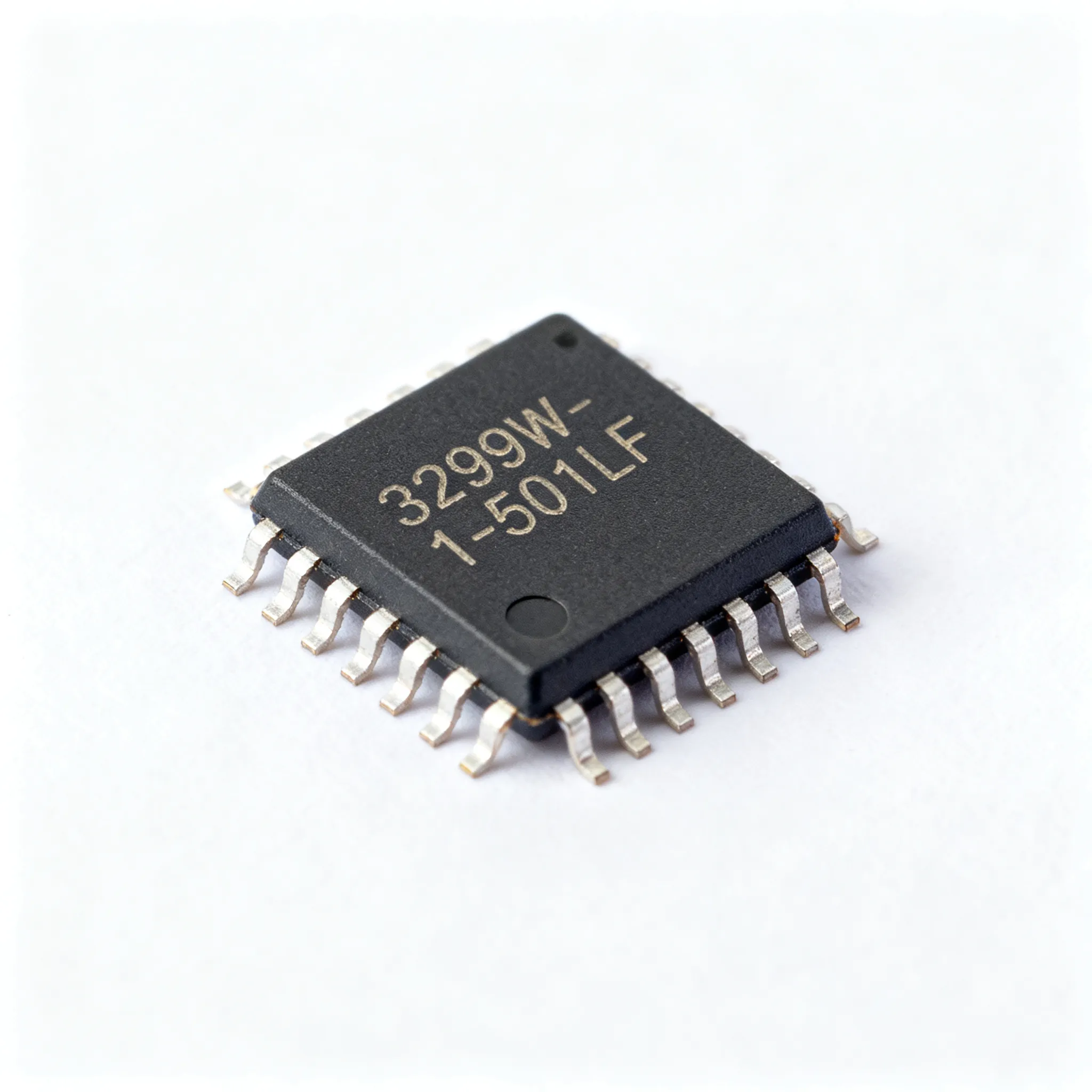
This trend places powerful ai processing directly inside the camera itself. HiSilicon AI SoCs are central to this evolution, enabling a new generation of smart camera applications, including:
- Smart City Traffic Management
- Automated Retail Analytics
- Industrial Safety Monitoring
- Enhanced Smart Home Security
- Advanced Driver-Assistance Systems (ADAS)
Key Takeaways
- HiSilicon AI SoCs make cameras smart. They process information right on the camera.
- Smart cameras help cities manage traffic better. They also make stores run smoother.
- These cameras improve safety in factories. They also make homes more secure.
- Smart cameras help cars avoid accidents. They make driving safer for everyone.
- Processing data on the camera keeps information private. It also makes systems faster.
SMART CITY TRAFFIC MANAGEMENT
Cities face a major challenge with traffic congestion. The economic impact is significant. For example, traffic issues cost the U.S. trucking industry over $108 billion in 2022 alone.
| Category | Cost/Impact |
|---|---|
| Annual Congestion Cost for Trucking (2022) | $108.8 billion |
| Wasted Diesel Fuel (2022) | Over 6.4 billion gallons |
| New York City Congestion Cost | $6.68 billion |
Smart cities now use intelligent surveillance systems to fight this problem. These systems create safer and more efficient urban environments.
APPLICATION
An intelligent camera can perform many tasks to improve traffic flow. Municipalities deploy this technology for several key functions:
- Traffic Flow Analysis: An AI camera monitors vehicle and pedestrian density. It provides data to optimize traffic signal timing.
- Automated Enforcement: In cities like San Francisco, a camera on a bus can detect cars blocking transit lanes. This enforcement keeps public transport moving on schedule.
- Incident Detection: The system automatically identifies accidents, stalled vehicles, or illegal parking. This immediate detection can speed up emergency response by as much as 50%.
- License Plate Recognition (LPR): A specialized camera reads license plates with high accuracy. Hong Kong uses this technology to automate parking management and identify unauthorized vehicles in restricted zones.
AI SOC'S ROLE
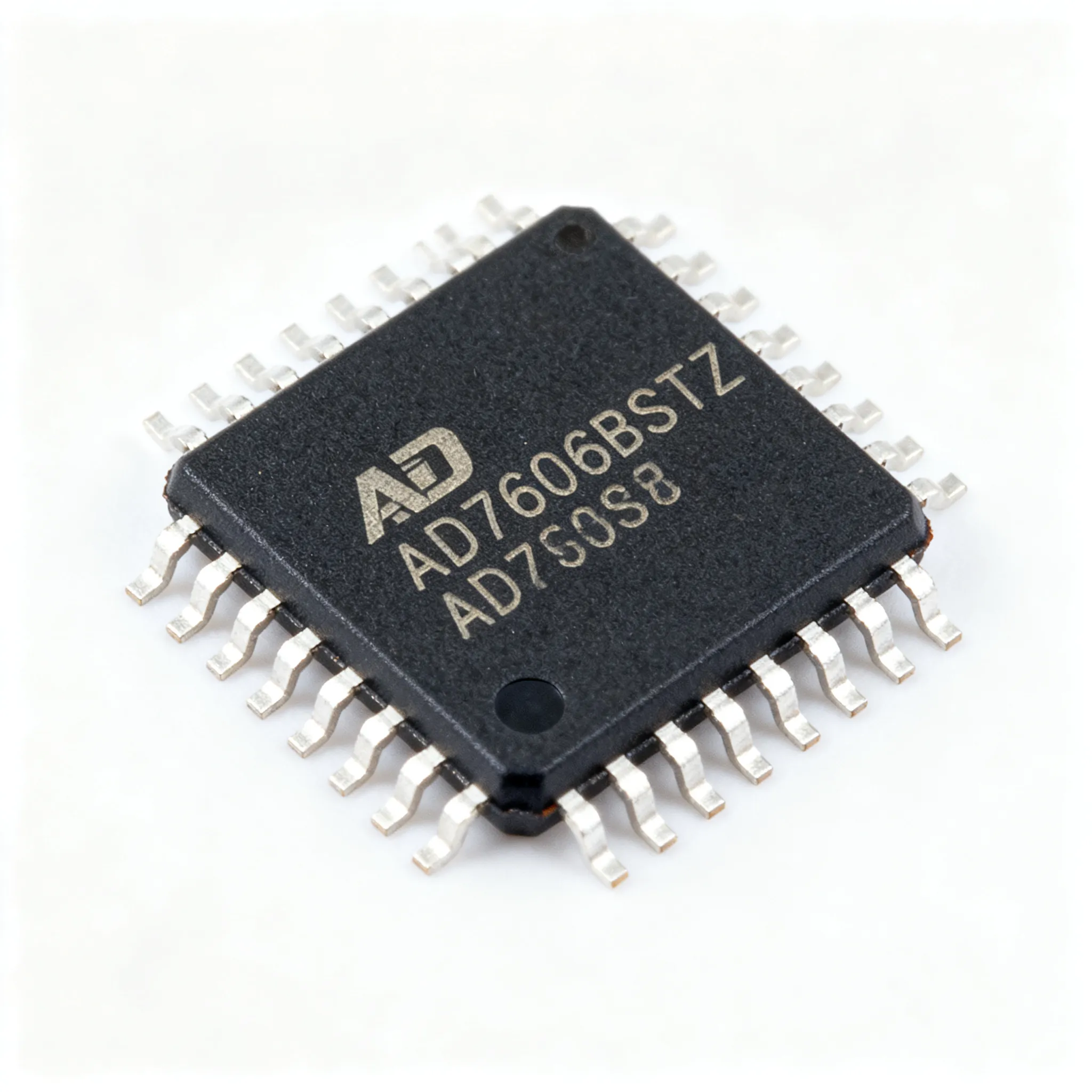
The HiSilicon AI SoCs are the brains inside the smart camera. The chip’s powerful Neural Processing Unit (NPU) enables real-time data processing directly on the device. This "edge computing" approach is a game-changer for traffic surveillance.
The SoC analyzes video feeds instantly. It identifies objects like cars, trucks, and people without sending raw video to a central server. This local processing provides two major benefits. First, it dramatically reduces latency. Alerts about accidents or violations are sent immediately. Second, it lowers network bandwidth needs. Processing data at the edge can cut data transmission by over 60%. This makes the entire surveillance system more efficient and scalable. The ai model on the chip makes the camera a powerful tool for modern city management.
AUTOMATED RETAIL ANALYTICS
The retail industry is rapidly adopting artificial intelligence. This technology is transforming how stores operate and engage with customers. Market forecasts show significant growth in this area.
| Metric | 2025 Forecast | 2030 Forecast |
|---|---|---|
| AI in Retail Market Size | USD 14.49 billion | USD 40.74 billion |
This growth highlights a shift toward data-driven strategies. An intelligent camera system provides retailers with powerful insights to improve performance.
APPLICATION
Retailers use AI-powered cameras to understand and optimize the store environment. This technology moves beyond simple surveillance to become a core business tool. Key applications include:
- Customer Behavior Analysis: A camera can create heatmaps of a store. These maps show which areas attract the most customers. Retailers use this data to place popular products in high-traffic zones.
- Automated Inventory Management: An AI camera constantly scans shelves. It detects when a product is out of stock and instantly alerts staff. This practice has been shown to reduce stockouts by up to 30%, ensuring customers can always find what they need.
- Enhanced Shopping Experience: Understanding customer patterns allows for better store layouts and promotions. Businesses that use data-driven insights are six times more likely to retain customers. This is because the shopping experience feels more personalized and efficient.
Note: This advanced camera technology helps with loss prevention and can operate without relying on controversial facial recognition methods, focusing instead on object and pattern analysis.
AI SOC'S ROLE
The HiSilicon AI SoC is the engine that powers the smart retail camera. Its integrated NPU processes complex video data directly on the device. This edge computing capability is essential for real-time retail analytics.
The SoC runs sophisticated ai models, such as YOLOv5, to perform tasks like people counting and shelf monitoring. The camera analyzes customer flow and inventory levels instantly. It does not need to send large video files to a central server. This local processing makes the entire surveillance system more efficient. It provides immediate alerts for stock replenishment or unusual activity.
This on-device intelligence makes the camera a versatile tool. It helps retailers make smarter decisions, reduce costs, and improve customer satisfaction. The powerful processing inside each camera turns a simple security device into a source of valuable business intelligence.
INDUSTRIAL SAFETY WITH HISILICON AI SOCS
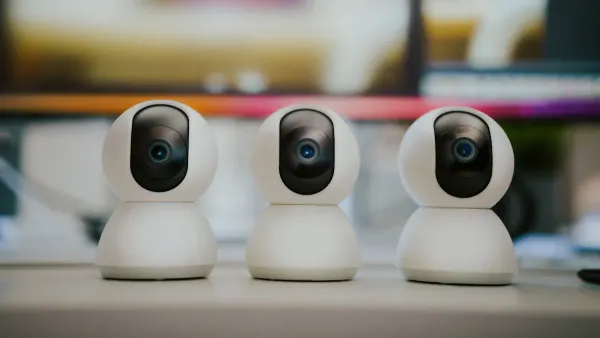
Workplace safety is a top priority in industrial settings. Companies are now using intelligent cameras to protect their employees and assets. This technology offers a significant return on investment by preventing costly accidents.
| Industry | Net Profit (First Year) | ROI (Approx.) | Payback Period |
|---|---|---|---|
| Manufacturing | $211,000 | 580% | 2 months |
| Construction | $870,000 | 1,200% | 1 month |
| Shipbuilding | $8.7 million | 4,000% | 1 week |
APPLICATION
An AI-powered camera acts as a vigilant safety officer. It automates the enforcement of critical safety protocols 24/7. This smart surveillance transforms how companies manage worksite hazards. Key applications include:
- PPE Compliance: The camera automatically detects if workers are wearing required Personal Protective Equipment (PPE), such as helmets and safety vests.
- Restricted Zone Monitoring: Computer Vision AI analyzes video feeds to spot unauthorized access. The system learns normal environmental patterns and identifies any person or vehicle entering an off-limits zone.
When the camera detects a violation like an unauthorized entry or boundary crossing, it triggers an immediate alert. Safety teams can receive these notifications through various channels, including on-site speakers, SMS, or MS Teams messages.
AI SOC'S ROLE
The HiSilicon AI SoC provides the on-device intelligence for the industrial safety camera. Its powerful processing capabilities enable the camera to analyze video data in real time. This function is essential for immediate threat detection.
The SoC runs specialized models that require sub-second inference speeds to identify safety violations instantly. The camera processes everything locally, eliminating the need to send video to a remote server. This edge processing ensures that alerts for PPE violations or intrusions are delivered without delay. This immediate response capability makes the entire surveillance system highly effective. It turns a standard security camera into a proactive tool that significantly improves workplace safety and operational efficiency.
ENHANCED SMART HOME SECURITY
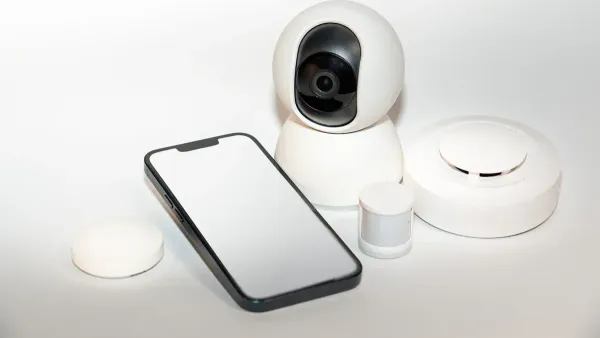
Homeowners are increasingly adopting smart security cameras to protect their properties. The global market for these devices shows strong growth, highlighting their rising popularity.
| Metric | 2024 Estimate | 2033 Projection |
|---|---|---|
| Market Size | USD 9.98 billion | USD 56.47 billion |
| CAGR (2025-2033) | 21.7% | - |
This trend moves home surveillance beyond simple recording toward intelligent, proactive security.
APPLICATION
Modern smart surveillance solutions offer advanced features that provide homeowners with detailed and useful alerts. An AI-powered camera can distinguish between different types of activity, reducing false alarms. Key capabilities include:
- Familiar Face Identification: The camera learns to recognize family members and sends a specific alert.
- Stranger and Package Detection: It can identify an unfamiliar person or notify you when a package is delivered.
- Object Recognition: The system can differentiate between people, vehicles, and animals, so a passing car does not trigger a person alert.
These features transform a passive security camera into an active guardian. The camera provides context-aware information, making home surveillance much smarter and more reliable.
AI SOC'S ROLE
The HiSilicon AI SoC is the component that makes these advanced features possible. It addresses a major consumer concern. A recent survey found that 62% of smart home device owners worry about their data being collected. The SoC solves this by processing video directly on the camera.
This on-device processing means sensitive video from inside or around a home does not travel to the cloud for analysis. The powerful ai chip runs complex algorithms locally to identify faces, packages, or other objects in real time. This approach significantly enhances privacy and security. It also ensures that alerts are delivered instantly, as there is no delay from sending data to a remote server. The SoC turns the camera into a self-contained, intelligent device that offers both powerful features and peace of mind.
ADVANCED DRIVER-ASSISTANCE SYSTEMS (ADAS)
Advanced Driver-Assistance Systems (ADAS) are transforming vehicle safety. These systems use sensors and intelligent processing to help prevent accidents. The impact of this technology is significant, with data showing major reductions in crashes.
| ADAS Feature Combination | Reduction in Passenger Vehicle Crashes (%) | Reduction in Fatalities (%) |
|---|---|---|
| Forward Collision Warning (FCW) / Automatic Emergency Braking (AEB) | 29 | 14 |
| Lane Departure Warning (LDW) / Lane Keeping Assistance (LKA) | 7 | 14 |
| Blind Spot Warning (BSW) | 5 | 1 |
APPLICATION
Automotive manufacturers integrate ADAS to create a safer driving experience. An intelligent forward-facing camera is a key component of these systems. It serves as the primary sensor for several critical safety functions.
- Lane Departure Warning (LDW): The camera detects lane markings on the road, including continuous, dashed, or colored lines. It monitors the vehicle's position and alerts the driver with a sound or vibration if the car drifts unintentionally.
- Lane Keeping Assist (LKA): This system goes a step further. After detecting a lane departure, it can apply gentle steering torque to guide the vehicle back to the center of the lane.
- Forward Collision Warning (FCW): The system uses object recognition to identify vehicles, pedestrians, and cyclists ahead, warning the driver of a potential collision.
These features turn the vehicle's camera from a simple recording device into an active co-pilot, enhancing driver awareness and reaction time. This form of automotive surveillance is focused entirely on safety.
AI SOC'S ROLE
The HiSilicon AI SoC provides the critical processing power for ADAS functions. It acts as the brain behind the vehicle's intelligent surveillance system. The SoC’s integrated NPU runs complex ai algorithms directly on the data captured by the camera.
This on-device processing is essential for safety. The system must analyze the road and make decisions in milliseconds. The SoC enables the instant detection of lane lines or potential hazards without any delay from sending data to a remote server. This immediate analysis allows the car to provide real-time warnings or take corrective action, such as steering adjustments. The powerful chip inside the ADAS module ensures the entire system is fast, reliable, and effective at preventing accidents.
AI cameras are transforming many industries. This technology improves:
- Smart city traffic flow
- Retail store operations
- Industrial worksite safety
- Smart home security
- Vehicle driver-assistance systems
Powerful hisilicon ai socs enable these advanced applications. The chips process data directly on the camera. This on-device intelligence delivers low-latency results and enhances privacy. The future of edge AI depends on hisilicon ai socs to boost efficiency and cybersecurity in camera technology.
FAQ
### What is an AI SoC?
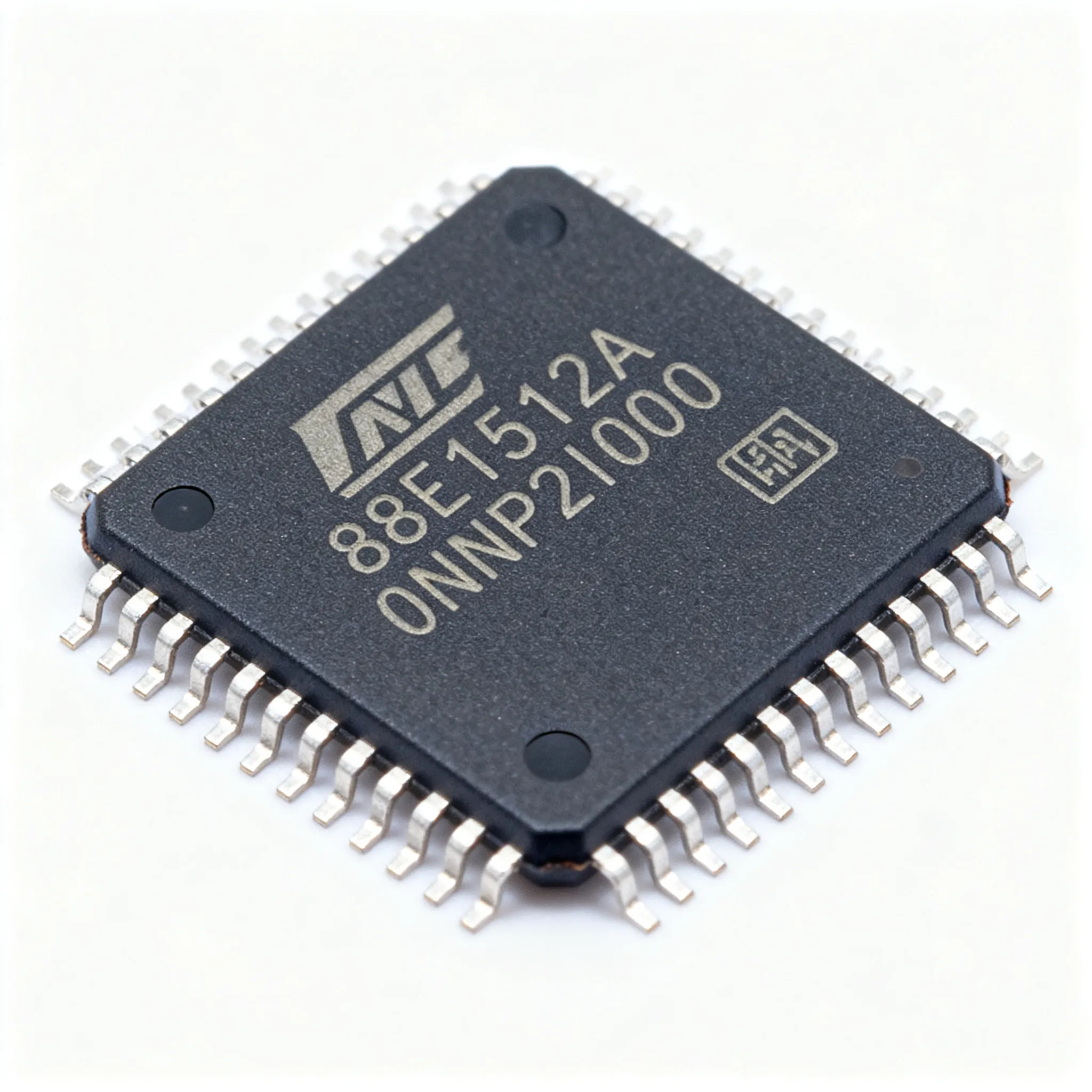
An AI System-on-Chip (SoC) is a single microchip. It combines all essential computing components with a specialized Neural Processing Unit (NPU). This integrated design allows a device to run artificial intelligence tasks efficiently and independently.
### Why is edge computing important for AI cameras? 💻
Edge computing lets a camera analyze video data locally. This process delivers instant alerts by reducing latency. It also improves security and privacy because sensitive information does not travel to a remote cloud server for analysis.
### How do HiSilicon SoCs protect user privacy? 🔒
HiSilicon SoCs perform all AI processing directly on the camera. This on-device analysis means sensitive video footage rarely leaves the device. The method significantly reduces the risk of data breaches and protects personal information.
### What does the NPU do in an AI SoC?
The Neural Processing Unit (NPU) is the AI accelerator inside the SoC. It handles complex calculations for machine learning models. The NPU enables the camera to perform tasks like object recognition and behavior analysis in real time.