The Evolution of Automotive Electronics: How Intelligent Sensing is Transforming Modern Vehicles
The way automotive electronics work has changed a lot. Cars are now smarter and safer.
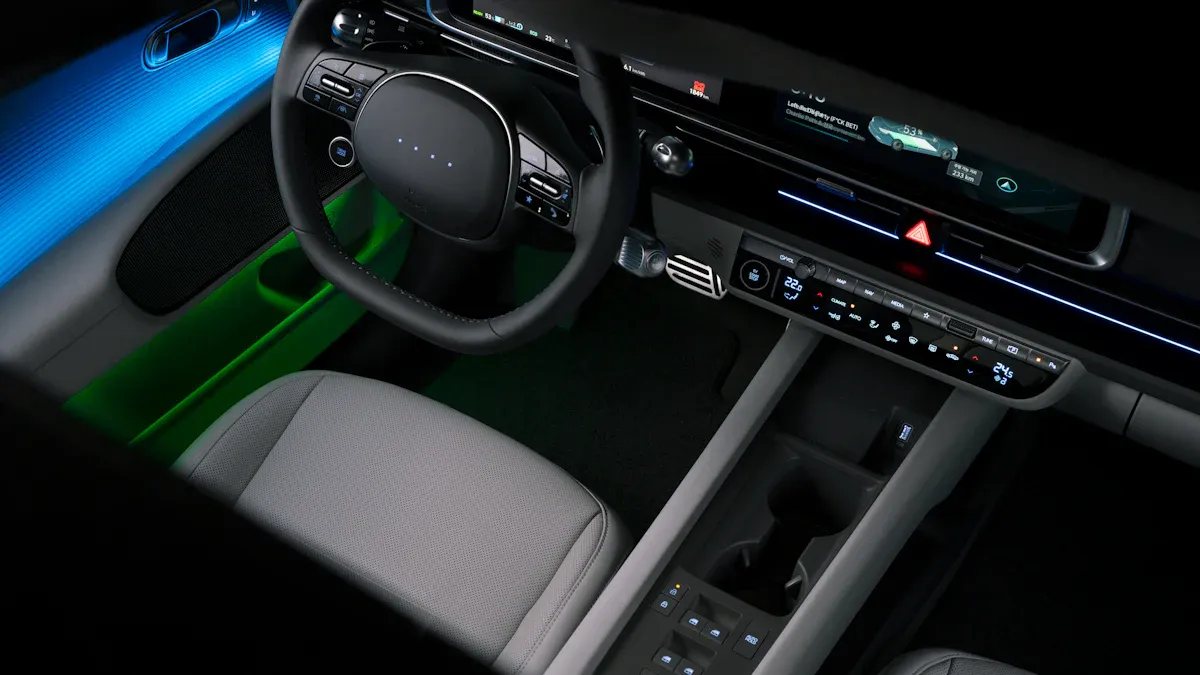
The way automotive electronics work has changed a lot. Cars are now smarter and safer. Smart sensors are a big part of this change. For example, LiDAR can spot obstacles with 97% accuracy. This helps prevent crashes and keeps people safe. AI-powered tools predict problems early, cutting costs by 10–40%. They also help car parts last longer. These tools make cars more comfortable too. About 78% of buyers like custom features in their automotive electronics. As sensors improve, cars will get even better, smarter, and more suited to your needs.
Key Takeaways
-
Smart sensors make cars safer by stopping crashes. Tools like Forward Collision Warning and Automatic Emergency Braking help avoid accidents.
-
AI helps cars work better by predicting repairs and customizing features. This saves money and makes driving more fun.
-
Connected cars use IoT to talk to other cars and roads. This connection improves safety and traffic flow.
-
Using LiDAR, radar, and cameras lets cars see all around them. This teamwork makes driving safer and easier.
-
The market for car electronics is growing fast. Smart tech will make driving safer, smoother, and more enjoyable.
The History of Automotive Electronics
From Mechanical Systems to Electronic Innovations
Cars started with simple mechanical systems. Early cars used basic setups for ignition and lights. Over time, technology improved, and people wanted better features. This led to electronic systems controlling entertainment and safety tools like ADAS. Today, cars use sensors, computers, and actuators, showing big progress from the past.
In the 1970s, microcontrollers changed everything. These tiny computers helped cars manage fuel and ignition better. By the 1980s, digital dashboards and OBD systems became common, boosting safety and performance. In the 1990s, ABS and airbags became standard features. The 2000s brought GPS, mobile communication, and early self-driving tools. Now, cars are like computers on wheels, using AI, ADAS, and connectivity.
The Emergence of Electronic Control Units (ECUs)
ECUs are key parts of modern cars. They control engines, brakes, and entertainment systems. In 2024, the ECU market was worth $87.7 billion. By 2033, it may grow to $133.4 billion, with a yearly growth rate of 4.52%. This shows how important ECUs are for making cars work better.
Switching from mechanical to electronic controls changed cars a lot. ECUs help engines use less fuel and pollute less. They also make driving safer with features like adaptive cruise control and lane-keeping tools.
The Shift to Connected and Digital Systems
Digital systems have changed cars completely. Now, half of a car's value comes from digital tech. Features like driver connectivity and location services are now normal. Self-driving tools let cars drive themselves, changing how drivers interact with vehicles.
Connected cars offer smart tools like predictive maintenance and advanced diagnostics. V2V and V2I technologies are creating smarter roads and safer driving. These systems improve your driving experience and make roads more efficient.
Intelligent Sensing Technologies in Smart Automobile Technology
Advanced Driver-Assistance Systems (ADAS)
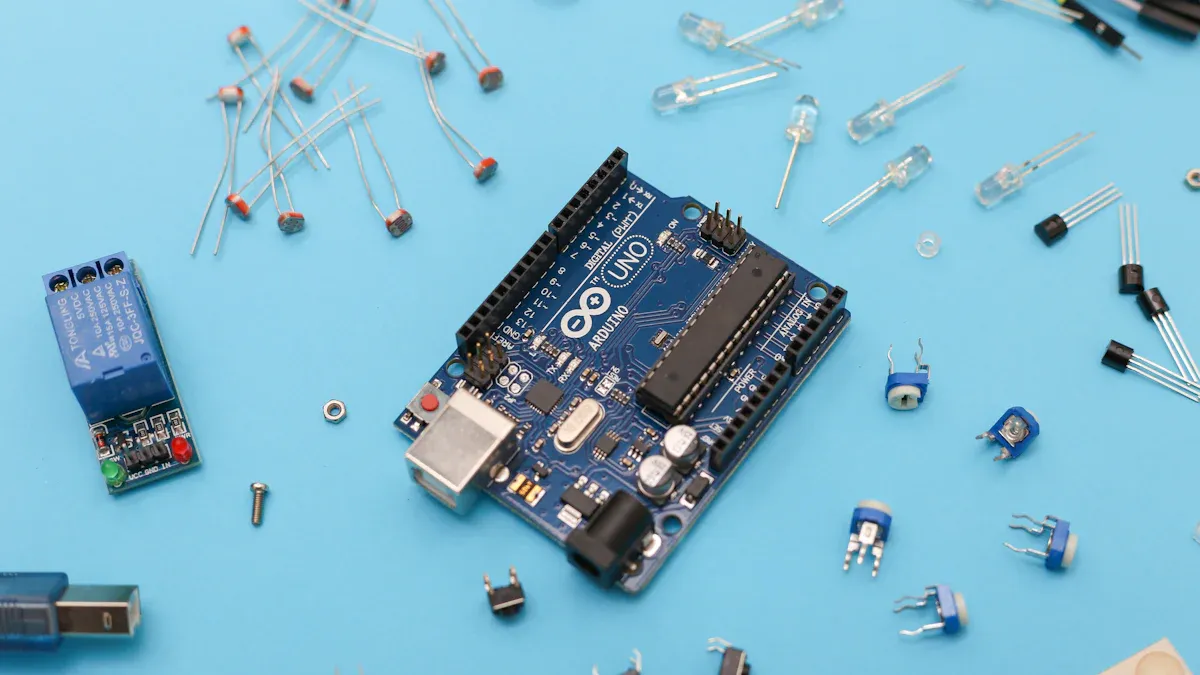
ADAS is changing how cars keep drivers safe. These systems use smart sensors to watch the road and give quick alerts. Adaptive Cruise Control (ACC) keeps cars at safe distances. Blind Spot Detection (BSD) warns about hidden dangers. Lane Departure Warning (LDW) and Lane Keeping Systems (LKS) help stop accidents caused by tired or distracted drivers.
ADAS is proven to lower crash risks. Forward Collision Warning (FCW) reduces rear-end crashes by 27%. Adding automatic braking raises this to 50%. ADAS can cut 40% of crashes, 37% of injuries, and 29% of deaths. These numbers show how ADAS makes driving safer and more reliable.
|
ADAS Feature |
Crash Rate Reduction |
Source |
|---|---|---|
|
Forward Collision Warning (FCW) |
27% fewer rear-end crashes |
IIHS Study |
|
FCW + Autobrake |
50% fewer rear-end crashes |
IIHS Study |
ADAS is boosting the demand for car sensors. In 2023, the sensor market was worth $24 billion. By 2032, it may grow to $55 billion, with a yearly growth rate of 10.1%. This shows how safety-focused tech is becoming more popular.
Artificial Intelligence (AI) in Automotive Electronics
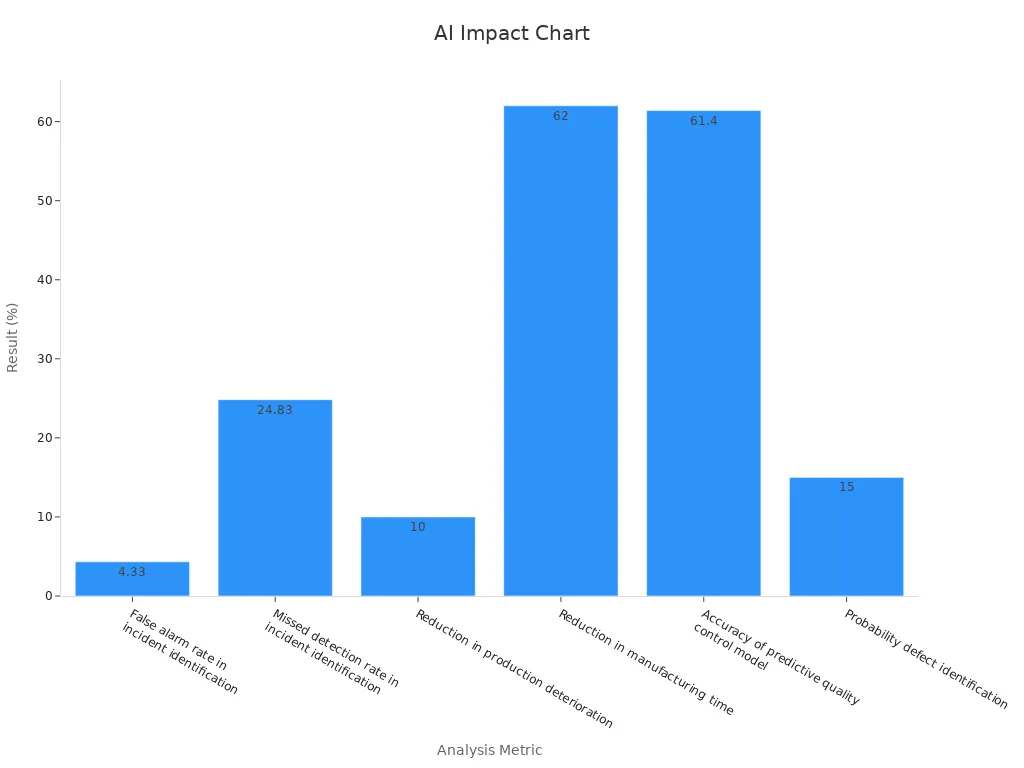
AI is making cars smarter and easier to use. It helps predict problems early, saving money on repairs. AI also speeds up car production by 62% and reduces mistakes by 15%.
AI improves driver-assistance tools too. It cuts false alarms in crash detection to 4.33%. Predictive models powered by AI are 61.4% accurate, making car systems more reliable.
AI will keep improving cars in the future. It will help with self-driving and make in-car features more personal. AI is shaping the future of cars to be safer and more fun to drive.
Internet of Things (IoT) for Vehicle Connectivity
IoT is helping cars talk to each other and their surroundings. IoT sensors share real-time data to improve safety and performance. Vehicle-to-Vehicle (V2V) connections share speed and location info to avoid crashes. Vehicle-to-Infrastructure (V2I) connections help traffic move faster and reduce wait times.
People now want cars to stay connected like their phones or homes. Cars can now link to smart home devices. For example, your car can turn on your house lights as you arrive.
Cloud systems and sensors make this possible. They warn drivers about road dangers and bad conditions. IoT isn’t just about convenience; it’s about making cars part of your digital world.
|
Year |
Market Size (USD Billion) |
CAGR (%) |
|---|---|---|
|
2024 |
72.60 |
N/A |
|
2034 |
269.19 |
14.0 |
IoT in cars is growing fast. By 2034, the market may reach $269.19 billion. This growth shows how IoT is shaping the future of smart cars.
LiDAR, radar, and camera integration
Modern cars use LiDAR, radar, and cameras together. These tools help cars "see" and understand their surroundings. This makes driving safer and easier.
LiDAR uses lasers to make 3D maps of the area. It helps cars find objects, measure distances, and see road shapes. Radar detects objects far away, even in bad weather like rain or fog. Cameras capture clear images of signs, road lines, and people. They help cars understand what’s happening around them.
Here’s a simple comparison of these tools:
|
Technology |
Strengths |
Uses |
|---|---|---|
|
LiDAR |
Detailed 3D mapping |
Spotting objects and measuring distances |
|
Radar |
Works well in bad weather |
Finding objects in rain, fog, or darkness |
|
Cameras |
Clear visual details |
Reading signs and spotting road markings |
When combined, these tools make cars smarter. LiDAR measures distances, radar works in bad weather, and cameras add visual details. Together, they enable features like cruise control, emergency braking, and lane-keeping.
You might ask why cars need all three tools. Each has strengths but also weaknesses. LiDAR struggles in heavy rain, radar lacks visuals, and cameras don’t work well in low light. Using all three gives cars a better view of their surroundings.
As these tools improve, cars will get even smarter. Combining LiDAR, radar, and cameras is key to making cars safer and more advanced.
The Impact of Intelligent Sensing on Modern Vehicles
Making Driving Safer with Collision Avoidance Systems
Smart sensors have changed how cars keep you safe. Features like Forward Collision Warning (FCW), Automatic Emergency Braking (AEB), and Lane Departure Warning (LDW) help avoid crashes. These systems watch the road and act fast to stop dangers. For example, FCW warns you if the car ahead slows suddenly. AEB can brake for you if you don’t react quickly.
Cars with these features crash less often. Rear-end crashes drop by 40%, and injuries from them fall by 56%. In busy traffic, these systems cut crash chances by 50%. These numbers show how smart safety tools protect everyone on the road.
Did you know? Smart maintenance tools can stop 70% of sudden breakdowns. They also make car parts last 20–40% longer, keeping your car dependable.
Saving Energy with Smarter Power Use
Smart cars don’t just protect you—they save energy too. Energy Management Systems (EMS) use sensors to control how power is used. They check energy use in real time to avoid waste. For electric cars, this means driving farther and keeping the battery healthier.
Here’s how EMS improves energy use:
|
Metric |
Before EMS |
After EMS |
Improvement |
|---|---|---|---|
|
Energy Use Efficiency |
88% |
98.6% |
+10.6% |
|
Driving Range |
Shorter |
Longer |
Increased |
|
System Wear |
Higher |
Lower |
Decreased |
By boosting energy efficiency by over 10%, EMS saves money and helps the planet. This makes smart sensing important for greener cars.
Adding Comfort with Custom Features
Smart sensing doesn’t just make cars safer—it makes them cozier too. Cars now have features that match your preferences. For example, you can warm up the car before getting in. Navigation learns your habits and picks faster routes. Lights inside the car adjust to your mood or the time of day.
|
Feature |
Description |
Impact on Comfort and Convenience |
|---|---|---|
|
Interior Preheating |
Lets you warm the car before entering. |
Makes the ride more comfortable. |
|
Personalized Navigation |
Suggests faster routes based on your habits. |
Saves time and effort. |
|
Ambient Lighting Adjustments |
Changes lighting to match your mood or time of day. |
Creates a relaxing atmosphere. |
People love these custom features. About 70% of luxury car buyers want options they can personalize. By 2028, the market for these features may grow to $8.5 billion. This shows how much drivers value comfort and convenience.
Tip: Brands like Mercedes-Benz use AI and smart tools to improve your driving experience. These features make cars more connected and enjoyable to use.
Enabling connectivity in smart automobile technology
Modern cars are changing how we drive. Connectivity makes vehicles smarter and safer. Cars can now "talk" to each other, roads, and even your gadgets. This creates a smoother and safer driving experience.
A key technology behind this is the Controller Area Network (CAN) protocol. It helps different car parts, like the engine and entertainment system, work together. CAN connects these parts through special wires, making the car run better and more reliably.
Did you know? CAN protocols help cars communicate inside, but they need strong cybersecurity to stay safe from hackers.
The arrival of 5G technology has made car connectivity even better. 5G is super fast and reacts quickly. It helps cars share real-time data with other vehicles and traffic systems. This reduces accidents and traffic jams. For example, 5G helps self-driving cars make quick decisions.
Here’s why 5G is great for connected cars:
-
Real-time data sharing improves safety and traffic flow.
-
Quick responses are vital for self-driving cars.
-
Better communication creates smarter roads and systems.
Connected cars also link to your digital life. Imagine your car adjusting your home’s temperature as you drive back. It could even alert you about packages at your door. This makes your car more than just a vehicle—it becomes part of your daily life.
But there are challenges too. More connected cars mean more risks from cyberattacks. Car makers are working hard to protect your data and keep you safe.
In the future, connectivity will grow even more. Smarter roads, better traffic systems, and fully self-driving cars are just the start. With intelligent sensing and advanced tech, the future of driving looks exciting!
Challenges and Future Trends in Autonomous Driving Technologies
Solving Technical and Cost Problems
Self-driving cars face many problems that slow progress. Fixing sensors, improving AI, and making software better are big tasks. These systems need strong computers and protection from hackers. Costs are also a problem, like unclear rules and money issues in places like LATAM and the EU.
Safety is very important. Self-driving cars need lots of testing to work safely. Complex software must handle surprises, like bad weather or sudden human actions. Without these fixes, people won’t trust self-driving cars or think they’re safe.
Smart Sensors in Self-Driving Cars
Smart sensors help self-driving cars stay safe and work well. Tools like LiDAR, radar, and cameras help cars "see" their surroundings. These sensors make fewer mistakes and help cars follow speed limits. For example, smart sensors lower errors in predicting where the car should go.
|
Metric |
|
|---|---|
|
Average Displacement Error |
Checks how close predictions are to the car's actual path. |
|
Final Displacement Error |
Looks at prediction mistakes at a future time. |
|
Miss Rate |
Shows if predictions match the car's real path. |
|
Drivable Area Compliance |
Makes sure the car stays in safe driving zones. |
These tools make self-driving cars more accurate and safer. Better sensors mean smarter cars that people can trust.
Working with Electric Cars and Smart Roads
Self-driving cars and electric cars can work together for big benefits. They can cut traffic jams and make city travel easier. Smart tools help electric cars use less energy and drive farther.
Smart roads, powered by IoT, make driving safer and faster. Sensors and communication tools help cars adjust to road conditions and driver actions. For example, cloud systems give instant updates, helping cars react quickly to changes.
Smart transportation saves time and fuel. Linking cars to IoT systems helps cities build eco-friendly travel networks. This teamwork is key for the future of self-driving and electric cars.
The future of fully connected and self-aware vehicles
Imagine cars that drive themselves and understand their surroundings. These vehicles can predict dangers and make roads safer. They use advanced sensors and smart tools to create better transportation systems.
Predicting movement is a big part of this progress. By studying past actions, self-driving cars guess where people, bikes, and other cars will go. This helps them avoid crashes in busy areas. For example, special computer models now predict car paths in tricky traffic. These models use tools like Graph Attention Networks to help cars move safely and accurately.
Future cars will combine data from many sensors. This will make spotting dangers faster and more accurate. By 2028, quantum computing may help cars process huge amounts of data instantly. Cars will also learn from how people drive, making safety even better.
Self-aware cars won’t just see their surroundings—they’ll talk to other cars and roads. Traffic lights will adjust to car flow, and highways will share real-time updates. This will make driving smoother and reduce traffic jams.
As technology grows, these smart cars will become part of daily life. They’ll learn what you like, predict your needs, and make trips safer. The future isn’t just about self-driving—it’s about cars that truly understand the world around them.
Smart sensors are now a key part of modern cars. They help make driving safer, smarter, and more efficient. Tools like crash prevention systems and energy-saving features show how sensors improve driving.
|
Fact |
Number or Percentage |
|---|---|
|
Growth Rate (CAGR) |
|
|
Market Size in 2022 |
$21.0 billion |
|
APAC Market Share |
46.80% |
|
Top Company (Robert Bosch) |
16% |
|
Energy Use (2017-2024) |
1050 PJ to 1540 PJ |
|
Operating Energy Use (PJ) |
780 PJ to 1150 PJ |
In the future, smart sensors will keep improving car technology.
-
Features like auto-braking and lane-keeping make roads safer now.
-
Big car companies are investing to speed up new ideas.
As sensors get better, cars will connect more, predict better, and understand their surroundings. This will make driving easier and more enjoyable for everyone.
FAQ
What is intelligent sensing in modern vehicles?
Intelligent sensing uses advanced tools like LiDAR, radar, and cameras. These tools collect real-time data to help cars spot obstacles, watch surroundings, and make choices. This improves safety, saves energy, and adds comfort.
How does AI improve automotive electronics?
AI makes car systems smarter by predicting repairs and cutting mistakes. It also customizes features to match your needs. Plus, it powers ADAS tools to make driving safer and more dependable.
Why do cars use multiple sensors like LiDAR, radar, and cameras?
Each sensor does something special. LiDAR makes 3D maps, radar works in bad weather, and cameras show clear visuals. Together, they give cars a full view of their surroundings for better safety and performance.
How does IoT make vehicles smarter?
IoT links cars to other vehicles, roads, and devices. It shares real-time data for features like repair alerts, traffic updates, and smart home controls.
Tip: Your car can turn on your house lights or adjust the temperature as you arrive.
What challenges do self-driving cars face?
Self-driving cars need better sensors, smarter AI, and strong security. High costs and unclear rules also slow progress. Fixing these issues is key to making autonomous cars safe and trustworthy.