Comparing PIR Sensor Price Factors for Smart Home Buyers
When you look for a PIR sensor to enhance safety and security in your home, you want to know what drives the pir sensor pric
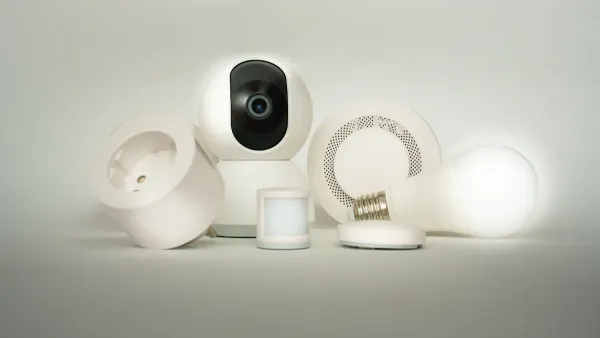
When you look for a PIR sensor to enhance safety and security in your home, you want to know what drives the pir sensor price. Many buyers focus on the cost, but understanding the reasons behind it can help you make better choices for your budget. Economic trends, like the rise of smart home technology and changes in supply chains, often impact prices. For example, new tariffs in the United States may increase the cost of manufacturing PIR sensors. If you plan carefully, you can balance planning your budget for your project and boosting your home security with the right pir sensor.
Key Takeaways
- Understand the factors that affect PIR sensor prices, including production costs, raw materials, and consumer demand. This knowledge helps you make informed purchasing decisions.
- Consider the features of PIR sensors, such as adjustable sensitivity and weather resistance. These features can enhance performance and may justify a higher price.
- Evaluate the brand reputation before buying. Trusted brands often provide better quality and support, which can save you money in the long run.
- Check compatibility with your smart home system. Ensure the PIR sensor integrates well with your existing devices to maximize its effectiveness.
- Plan your budget carefully. Compare different models and features to find the best value that meets your safety and security needs.
PIR Sensor Price Basics
What Affects PIR Sensor Cost
When you shop for a PIR sensor, you notice that prices can vary a lot. Several factors shape the pir sensor price. You should look at both economic and product-related reasons.
Tip: Understanding these factors helps you choose the right sensor for your needs and budget.
Here is a table that shows the main economic factors that influence the cost of PIR sensors:
| Economic Factors | Description |
|---|---|
| Cost of Production | The expenses needed to make PIR sensors. This directly affects the price. |
| Raw Materials | The price of materials used in each sensor. This changes the overall cost. |
| Consumer Buying Power | How much money buyers have to spend. This affects demand and pricing. |
| Availability of Capital | How easy it is for companies to get money for making and improving sensors. |
You also see price changes because of new technology and market trends. More people want smart home devices now. This higher demand for security and surveillance systems makes the pir sensor price go up or down, depending on how many sensors are available.
Some other important points that affect cost include:
- Continuous improvements in sensor design.
- New ways to make sensors faster and cheaper.
- Better integration with other smart home devices.
If you compare PIR sensors to other types of motion sensors, you find that PIR sensors usually cost less. The table below shows how PIR sensors stack up against microwave and ultrasonic sensors:
| Sensor Type | Cost | Power Consumption | Advantages |
|---|---|---|---|
| PIR | Low | Low | Great for human detection, pet-friendly |
| Microwave | High | High | Wider detection range, but more expensive |
| Ultrasonic | Moderate | Moderate | Shorter range, sensitive to the environment |
Sensor Technology and Features
The technology inside a PIR sensor also plays a big role in the pir sensor price. You want to look at what features each sensor offers. Some sensors have simple plug-and-play designs, while others offer advanced options like real-time alerts or monitoring for airflow and temperature.
Here are some features you might find in PIR sensors:
- Easy setup and deployment.
- Real-time alerts for possible threats.
- Monitoring of air pressure and temperature.
- Long-range wireless transmission (up to 2 miles).
- Battery life that can last up to 10 years.
- Open communication protocols for better compatibility.
- Operation in extreme temperatures.
- Cloud-ready design for remote access.
You may also see sensors with special features that affect the price. For example, some PIR sensors have pet immunity, which means they ignore pets up to 55 pounds. Others let you adjust the pir motion sensor sensitivity or change the detection range. These features help you avoid false alarms and make the sensor work better in your home.
| Feature | Description |
|---|---|
| Pet Immunity | Ignores pets up to 55 lbs (25 kg) |
| Adjustable Sensitivity | Lets you set how sensitive the sensor is |
| Adjustable Variable Pulse Count | Allows fine-tuning of detection |
| PIR Sensitivity Adjustment | Yes |
Note: More advanced features usually mean a higher pir sensor price, but they can give you better performance and peace of mind.
Build Quality and Materials
Durability and Weather Resistance
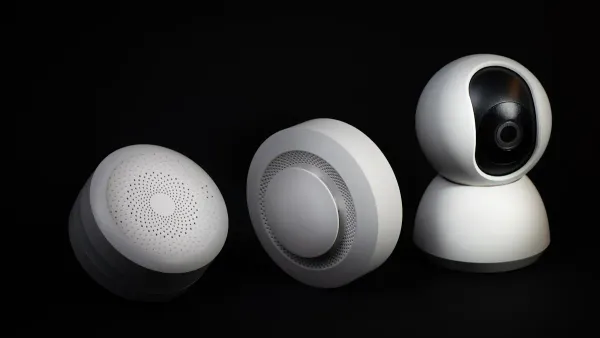
When you choose a PIR sensor for your smart home, you want it to last. Build quality matters because it affects how well the sensor works over time. Manufacturers use different materials to make PIR sensors. Each material has its own strengths and cost impact.
| Material Type | Example | Key Properties | Cost Implications |
|---|---|---|---|
| Single Crystals | Lithium Tantalate (LiTaO3) | High pyroelectric coefficient, stable | Relatively low cost |
| Triglycine Sulfate (TGS) | Very high coefficient, fragile | Limited use, higher cost | |
| Ceramics | Lead Zirconate Titanate (PZT) | Customizable, good performance | Cost-effective for large-scale production |
| Polymers | Polyvinylidene Fluoride (PVDF) | Flexible, lightweight | Inexpensive, best for specific applications |
You see PIR sensors made with ceramics and polymers in many homes. These materials help keep costs low and make sensors reliable. If you want a sensor for outdoor use, look for high durability and weather resistance. Sensors with IP65 or IP67 ratings cost more, but they protect against dust and water. IP65 is the minimum for outdoor use, while IP67 gives extra waterproofing for harsh conditions.
- IP65-rated sensors resist dust and low-pressure water jets.
- IP67-rated sensors work in extreme environments.
- Higher durability means you pay a premium price.
Tip: If you live in an area with heavy rain or dust, pick a PIR sensor with a strong weather rating.
Brand Reputation
Brand reputation can change the price of a PIR sensor. Well-known brands often charge more, but you get better quality and support. Bosch stands out as a trusted name in PIR sensors. You find other brands like Optex, Caregiver Smart Solutions, and Aqara. Some lesser-known brands, such as Neo, offer lower prices but may have glitches.
| Brand | Price |
|---|---|
| Bosch ISC-PPR1-W16 | $77.40 |
| Bosch ISC-BPR2-WP12 | $28.40 |
| Caregiver Smart Solutions | $62.45 |
| Optex FlipX Series | $23.95 |
| Enbrighten Outdoor Light | $98.95 |
| SATCO LED PIR Sensor Lamp | $12.95 |
| Aqara Motion and Light | $33.99 |
| Neo PIR Sensor | Affordable, noted for glitches |
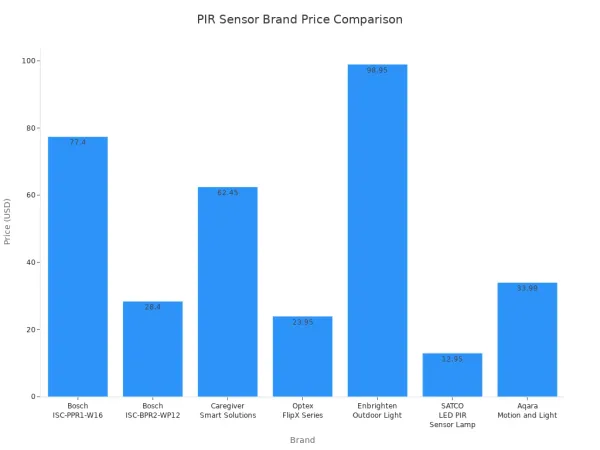
You notice that premium brands offer advanced features, such as adjustable pir motion sensor sensitivity and wider detection range. These features help you avoid false alarms and improve security. If you want reliability, you may pay more for a trusted brand. If you want to save money, you can choose a budget brand, but check reviews for performance.
Smart Home Compatibility
Integration with Motion Sensor Outlet
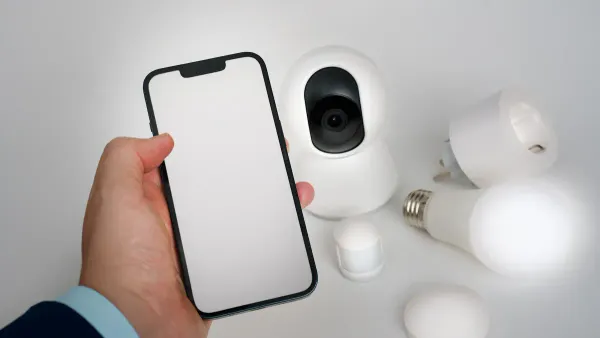
You want your pir sensor to work smoothly with your smart home system. Compatibility affects both the price and the value you get. Many sensors, like the Ecolink ZigBee PIR Sensor, connect easily to smart home platforms. These sensors detect human-sized movement and can trigger automation scenes or send security alerts. When you link a pir sensor to a motion sensor outlet, you add another layer of control. You can turn on lights, activate alarms, or start cameras when the sensor detects motion.
Here are some important points to consider when integrating with a motion sensor outlet:
- Most pir motion detectors need a 12V DC power supply.
- You often need to hard wire the sensor to a DVR with alarm inputs.
- The DVR must have the right alarm inputs for proper integration.
- Some sensors offer plug-and-play options, making setup easier.
If you choose a sensor with advanced features, such as adjustable pir motion sensor sensitivity, you may pay more. These features help you avoid false alarms and improve the detection range. You should check if your smart home hub supports the sensor before buying.
Installation Complexity
The way you install a pir sensor can change the overall cost. Wired protocols give you strong security, but they need more work and increase labor costs. Wireless protocols cost less to install, but you may need extra equipment for larger homes. Hybrid protocols combine both methods, offering flexibility but making setup more complex.
Common installation challenges include:
- Limited detection range may miss motion outside the monitored area.
- Bugs and wind can cause false alarms.
- Sensors cannot measure passive occupancy, which can lead to incorrect space usage data.
You should think about these factors before choosing a pir sensor for your motion sensor outlet. A simple installation saves you money and time. Complex setups may offer better security but increase costs. Always check the technical requirements and make sure your system supports the sensor you want.
Market and Economic Factors
Supply and Demand
You see the pir sensor price change when supply and demand shift in the global market. When manufacturers face delays in production or distribution, prices often rise. The COVID-19 pandemic caused many disruptions. Factories slowed down, and shipping became harder. This led to shortages of pir sensors, which pushed prices higher. Construction projects also slowed during the pandemic. Fewer new buildings meant less demand for pir sensors in automation and security systems. As the world recovered, smart home technology became more popular. More people wanted energy-efficient solutions, so demand for pir sensors increased. This higher demand can make prices go up, especially when supply cannot keep up.
- The pandemic disrupted supply chains, causing delays and shortages.
- Lower construction activity reduced demand for building automation sensors.
- Smart home trends increased demand for pir sensors, raising prices in a competitive market.
Recent events continue to affect supply and demand. The COVID-19 pandemic first slowed manufacturing, but later boosted interest in contactless solutions. You see more pir sensors used for occupancy sensing and automatic doors. The Russia-Ukraine crisis also changed the market. Raw material prices went up, and supply chains faced new challenges. These changes impact how much you pay for a pir sensor and how quickly you can get one.
Pricing of Different Motion Sensor Outlets
You notice a wide range in the pricing of different motion sensor outlets. The cost depends on the type of technology, the features, and the brand. PIR sensors often offer a lower price compared to other types of motion sensor outlets. You find prices from under $40 to nearly $400, depending on the model and features. Some outlets use advanced sensors with longer detection range or adjustable pir motion sensor sensitivity, which can increase the price.
- PIR Motion Sensors Price Range:
- List Price: $562.00, Our Price: $392.99
- List Price: $54.00, Our Price: $39.99
- List Price: $82.00, Our Price: $58.99
- List Price: $150.00, Our Price: $105.99
- List Price: $138.00, Our Price: $97.99
- List Price: $132.00, Our Price: $94.99
- List Price: $104.00, Our Price: $73.99
- List Price: $94.00, Our Price: $67.99
You see that the pricing of different motion sensor outlets often matches the technology inside. PIR sensors usually cost less than microwave or ultrasonic sensors. The types of motion sensor outlets you choose can affect your budget and the level of security you get. If you want a simple outlet for basic motion detection, you pay less. If you need advanced features, such as longer detection range or smart home integration, you pay more.
Production costs and raw material availability also play a big role. When the price of semiconductors or sensor components goes up, manufacturers must raise prices. Supply chain problems make it harder for companies to keep costs low. You may see prices change quickly when global events affect raw materials.
- Production costs depend on raw material prices, like semiconductors.
- Higher production costs mean higher prices for you.
- Manufacturers face supply chain challenges that affect competitive pricing.
Global economic trends and competition shape how companies set prices. Government programs that support energy efficiency can lower costs for buyers. These incentives encourage companies to create better sensors and offer more choices. Regulations push manufacturers to use local production, which can help keep prices stable. When companies compete, you benefit from more options and better prices. You see manufacturers adjust their pricing strategies to stay ahead in the market.
Tip: Compare the types of motion sensor outlets before you buy. Look at the features, cost, and how well each outlet fits your smart home needs.
Buying a PIR Sensor: Tips
Evaluating Value for Cost
When you start buying a pir sensor, you want to get the most out of your budget. You should look beyond the price tag and think about the total cost. This includes the initial purchase and the savings you get over time. PIR sensors help you save money because they only turn on lights or devices when they detect movement. This reduces energy use and lowers your electricity bills. You also replace bulbs less often, which means fewer maintenance costs.
You should compare features and performance with the price. Check the detection range, coverage angle, and voltage compatibility. Look for sensors with adjustable pir motion sensor sensitivity, time delay settings, and lux control. These features help you avoid false alarms and improve safety. You should also check the IP rating for weather resistance if you plan to use the sensor outdoors.
Tip: Investing in a durable and energy-efficient pir sensor can lead to long-term savings and better cost-effectiveness.
Warranty length, brand reliability, and user reviews matter too. You should choose suppliers with strong quality control and good customer service. A long warranty and easy return policy show that the company stands behind its product. If you see high repeat order rates, you know the supplier offers good after-sales support.
Common Pitfalls
You may face some challenges when buying a pir sensor for your motion sensor outlet. Many buyers forget to check if the sensor matches their system’s voltage or load capacity. Some sensors do not work well with certain outlets, which can cause problems with security and automation.
Here are common mistakes to avoid:
- Ignoring the detection range and coverage angle.
- Overlooking safety certifications like CE, UL, or FCC.
- Choosing a sensor without adjustable pir motion sensor sensitivity.
- Not checking the IP rating for outdoor use.
- Forgetting to review installation complexity and total cost.
- Skipping research on brand reputation and warranty terms.
You should always compare the features you need with your budget. Make sure the pir sensor fits your motion sensor outlet and supports your smart home goals. Careful planning helps you avoid wasted money and keeps your home safe.
You see several factors shape pir sensor price and cost.
- Technological advancements improve sensor capabilities and affect pricing.
- Applications in smart home security and safety drive demand.
- AI and automation help lower manufacturing cost, making pir sensors more affordable.
To balance features, compatibility, and budget, follow these steps:
- Identify your priorities for safety and security.
- Choose pir sensors with user-friendly controls.
- Select scalable systems for future upgrades.
- Consider energy-efficient options to save on cost.
- Set your budget and compare features for the best value.
Understanding market and economic trends helps you make smart pir sensor choices that fit your budget and boost home safety.
FAQ
What is the average price range for a PIR sensor?
You usually find PIR sensors priced between $15 and $100. Basic models cost less. Advanced sensors with smart features or weather resistance cost more. Always compare features before you buy.
Do expensive PIR sensors always work better?
You do not always get better performance with a higher price. Some budget sensors work well for basic needs. Premium sensors offer more features and reliability. Check reviews and specifications before you decide.
Can I install a PIR sensor myself?
You can install many PIR sensors yourself. Wireless models offer easy setup. Wired sensors may need professional help. Always read the installation guide and follow safety instructions.
What features should I look for to get the best value?
You should look for adjustable sensitivity, pet immunity, and weather resistance. Energy-saving features and smart home compatibility add value. A long warranty and good customer support help you avoid future problems.