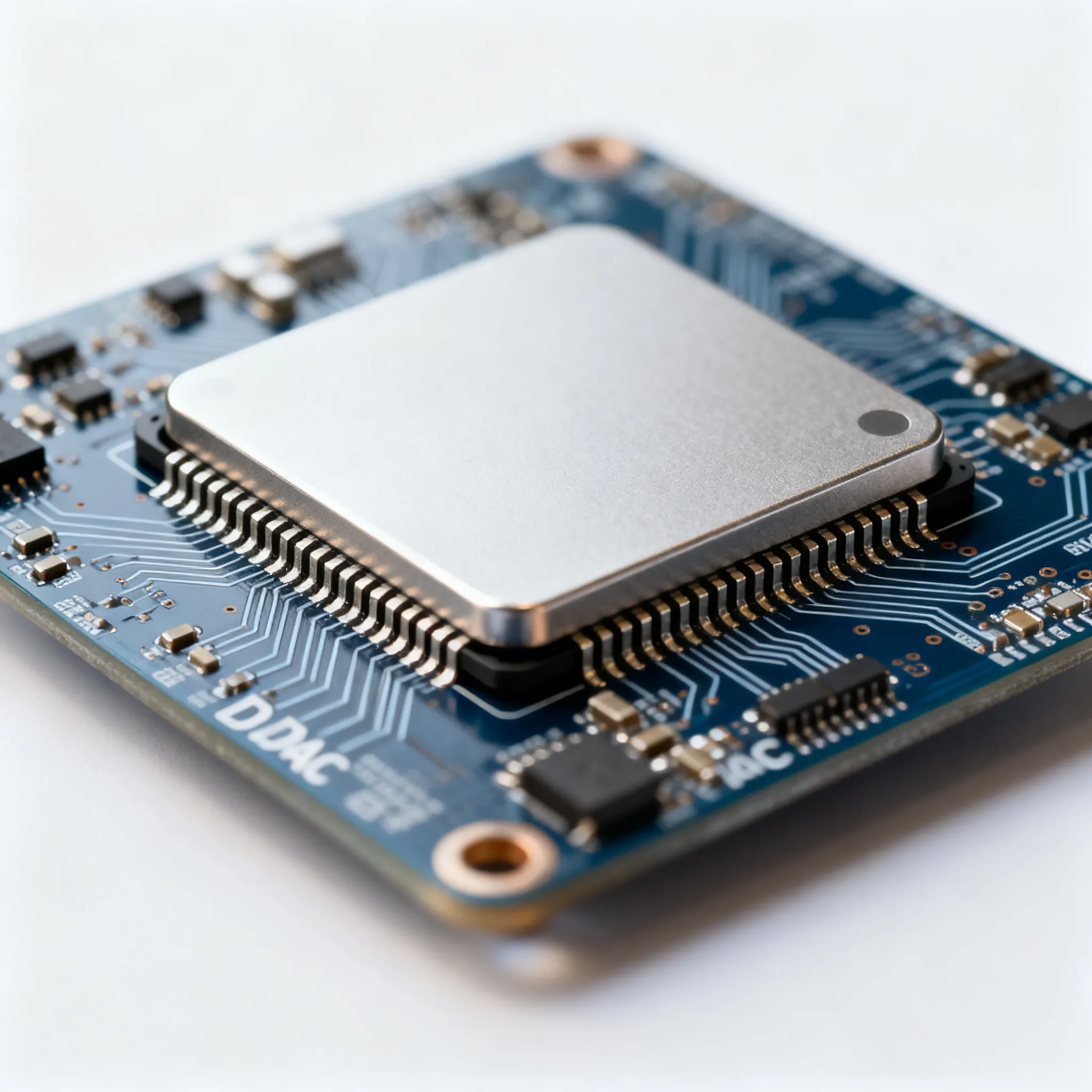
Automatic Voltage Regulators What You Need to Know
Automatic voltage regulators help you keep voltage levels steady for your devices and generators. You rely on them
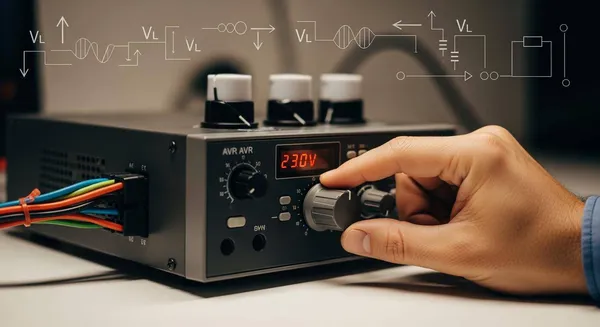
Automatic voltage regulators help you keep voltage levels steady for your devices and generators. You rely on them to prevent sudden changes in voltage, which can damage electronics or shorten battery life. Many people think an AVR works like a UPS, but it does not supply backup power during an outage. Some believe every AVR blocks surges, yet basic models might not. Choosing an AVR with the right voltage capacity matters more than just picking the largest one. With the right voltage regulation, you protect your equipment and make batteries last longer.
Key Takeaways
- Automatic voltage regulators (AVRs) maintain steady voltage levels, protecting your devices from damage caused by fluctuations.
- Choosing the right AVR involves considering voltage range, power rating, and response time to ensure optimal performance.
- Regular maintenance of your AVR, including annual inspections and calibrations, extends its lifespan and keeps your voltage regulation reliable.
- AVRs improve energy efficiency, potentially reducing power consumption by 8-14%, which saves you money in the long run.
- Using an AVR helps prevent costly downtime and equipment failures, ensuring your operations run smoothly.
What Are Automatic Voltage Regulators
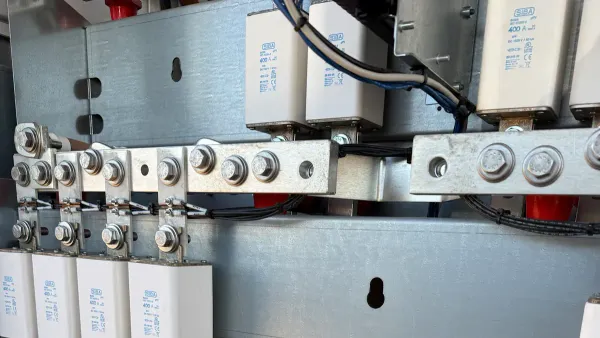
AVR Definition
You can think of automatic voltage regulators as electronic devices that keep the output voltage from a generator or power source steady. These devices sense changes in voltage and quickly correct them to maintain a consistent level. Most AVRs include a voltage sensor, error amplifier, power amplifier, and exciter. Each part works together to monitor and adjust the voltage in real time. This process helps you avoid sudden spikes or drops that could harm your equipment.
Tip: When you use an AVR, you ensure that your generator systems deliver stable voltage, even when the load changes.
Nova Technology Company (HK) Limited stands out in the integrated circuit industry as a HiSilicon-designated solutions partner. The company specializes in chip-level solutions and system integration for advanced voltage regulator applications. You will find their expertise valuable in scenarios where precise voltage control and reliable power management are critical, such as in high-performance server boards, telecom infrastructure, and industrial automation systems.
Main Functions
AVRs play a vital role in generator systems and electronic devices. You rely on them to keep voltage stable and accurate. When the demand for power shifts, the AVR automatically adjusts the excitation of the generator to prevent voltage from fluctuating too much. This action protects your devices from damage and ensures they operate smoothly. AVRs also enhance voltage accuracy, which is important in circuits where traditional voltage regulation methods do not work well.
You benefit from AVRs because they:
- Maintain a preset voltage level for your generator systems.
- Continuously monitor voltage and make real-time adjustments.
- Protect against overvoltage and undervoltage conditions.
- Improve the reliability of your power supply.
Common Applications
You will see automatic voltage regulators used in many settings. Generator systems often depend on AVRs to provide a steady voltage output, especially during power surges or drops. Many modern electronics, such as computers, medical equipment, and communication devices, require stable voltage to function correctly. AVRs also support battery-powered systems by conserving battery life and preventing unnecessary wear.
Here are some common application areas:
- Standby and portable generator systems
- Industrial automation and control panels
- Data centers and server rooms
- Medical imaging and diagnostic equipment
- Telecom base stations and network infrastructure
Note: Using an AVR in these applications helps you avoid costly downtime and equipment failures caused by unstable voltage.
Voltage Regulation in Electronics
Risks of Fluctuating Voltage
You face many risks when voltage does not stay steady. Fluctuation in voltage can come from several sources:
- Poor grid supply, often caused by aging infrastructure or renewable energy sources
- Load switching events, such as heavy equipment turning on or off
- Faulty wiring or loose connections in your building
- Natural causes like storms or lightning
- Equipment failures and aging components, such as transformers or capacitors
- Power quality issues and harmonics that disrupt voltage stability
These problems can lead to sudden changes in output voltage. Overvoltage and undervoltage conditions can severely damage your electrical systems. You might see lights flicker or devices restart without warning. Voltage swells can be especially destructive to sensitive electronics and variable frequency drives.
| Effect | Description |
|---|---|
| Brightness variation | Voltage fluctuations can cause the brightness of LEDs to vary, making it hard to read signals. |
| Shortened Life | Excessive heat from improper voltage can damage internal components, reducing LED lifespan. |
You may also notice malfunctioning in computers and printers, or even total equipment failure if voltage drops or spikes become severe.
Device Protection
You need voltage regulation to keep your devices safe. An avr helps you by making sure all connected equipment receives a consistent voltage delivery. This protection is vital for generator systems, where output voltage can change quickly. The avr detects and absorbs any discrepancies in the electrical line. It keeps the output voltage steady, so your electronics do not suffer from power spikes or drops. This action prevents damage to electronic circuits and extends the lifespan of your appliances.
AVRs are designed to maintain a steady output voltage, which is crucial for protecting electronic devices from fluctuations in input voltage.
When you use an avr, you reduce the risk of costly repairs or replacements. You also avoid downtime caused by equipment failures. Generator systems with proper voltage regulation keep your operations running smoothly.
Benefits of an AVR
You gain many advantages when you install an avr in your power system. The benefits of an avr include:
- Reliable voltage stability for all your devices
- Protection against overvoltage and undervoltage events
- Longer equipment lifespan due to fewer voltage-related failures
- Improved performance in generator systems and sensitive electronics
Studies show that avrs maintain voltage stability, preventing damage from fluctuations and extending equipment lifespan. They ensure stable voltage output, which protects your devices and enhances performance. The benefits of an avr also include greater energy efficiency. You can see a power reduction of 8-14% through improved efficiency in power conversion and distribution. Features like low quiescent current regulators and smart scheduling can extend battery life, giving you longer device uptime and fewer failures.
If you want consistent voltage delivery and reliable power, an avr is a smart investment for your home or business.
How AVRs Work
Key Components
You will find that every avr uses several important parts to keep your voltage stable. The voltage regulator includes a voltage sensor, error amplifier, power amplifier, and exciter. The voltage sensor checks the output voltage from your generator or power supply. The error amplifier compares the measured voltage to the desired level. If the voltage changes, the power amplifier and exciter work together to adjust the system. These components allow the avr to control the power flow and maintain a steady output voltage for your devices.
Operation Process
The operation process of an avr focuses on real-time voltage control. You rely on the avr to monitor the output voltage from your generator or power source. When the voltage regulator detects a change, it quickly adjusts the excitation current in the rotor. This action brings the output voltage back within safe limits. The avr repeats this process many times each second, so your power stays stable even when the load changes. You do not need to make manual adjustments because the avr handles everything automatically. This process protects your electronics and ensures reliable power delivery.
Tip: An avr can respond to voltage changes much faster than manual methods, which helps you avoid sudden drops or spikes in your power supply.
Advantages
You gain many benefits when you use an avr instead of manual voltage control. The table below shows how automatic voltage regulators improve your power system:
| Advantage | Description |
|---|---|
| Rapid Response | AVRs respond quickly to voltage fluctuations, adjusting requirements faster. |
| Enhanced Protection | They protect against overvoltage and undervoltage, ensuring equipment safety. |
| Improved Voltage Accuracy | AVRs maintain optimal voltage levels automatically, enhancing accuracy. |
| Effective Load Management | They handle varying loads effectively, optimizing performance. |
| System Stability | Automatic voltage control improves overall system stability. |
| Equipment Lifespan | Prevents overvoltage and undervoltage conditions, enhancing equipment lifespan. |
| Reduced Operational Costs | Minimizes manual interventions, leading to lower operational costs. |
| Power Quality Optimization | AVRs optimize power quality, ensuring stable operation of electrical equipment. |
| Reduced Manual Intervention | They reduce the need for manual adjustments, streamlining operations. |
When you install an avr, you improve voltage accuracy, protect your equipment, and reduce the need for manual control. Your power system becomes more reliable, and your devices last longer.
Types of AVRs

Electromechanical
You often find electromechanical AVRs in older generator systems. These regulators use moving parts, such as relays and motors, to control generator output voltage. You benefit from their simple design and lower cost. However, they respond slowly to voltage changes and need regular maintenance. If you want a basic solution for stable power in less demanding environments, this type may work for you.
Electronic
Electronic AVRs use solid-state components to manage generator output voltage. You get faster correction speed and better voltage accuracy compared to electromechanical types. These AVRs require very little maintenance and provide good line isolation. You can use them in modern power systems where quick response and reliable voltage regulation matter. The table below compares the main types of AVRs:
| Type of Regulator | Advantages | Disadvantages |
|---|---|---|
| Electronic Voltage Regulator (EVR) | Good to very good output voltage regulation Ultrafast voltage correction speed Versatile kVA rating and configuration Very low maintenance Good line isolation | Higher cost than mechanical regulators Poor current overload capacity (except series transformer design) |
| Electromechanical | Generally lower cost Simpler technology | Slower correction speed Requires more maintenance |
| Digital | Advanced features and programmability | Potentially higher failure rates under overload conditions |
You see that electronic AVRs deliver stable power and protect your devices from voltage fluctuations.
Digital
Digital AVRs use microprocessors to control generator output voltage. You gain precise voltage control and advanced programmable features. These AVRs help you reduce energy consumption by optimizing output voltage. You can customize settings for specific applications, making them ideal for complex power systems. Digital AVRs also support surge protection and energy efficiency. The table below highlights their advantages:
| Advantage | Description |
|---|---|
| Precise voltage control | Ensures stable voltage levels in power systems. |
| Programmable features | Allows customization for specific applications. |
| Energy efficiency | Reduces energy consumption by optimizing output. |
Choosing the Right AVR
You should consider several factors when selecting an AVR for your generator output voltage needs. Look at the voltage range, power rating, and response time. Protection features, such as surge protection, are also important. Efficiency rating and warranty can affect long-term reliability. The table below summarizes key factors:
| Factor | Description | Importance |
|---|---|---|
| Voltage Range | The range of voltage the regulator can manage. | High |
| Power Rating | The maximum load the regulator can handle. | High |
| Response Time | The time taken to correct voltage fluctuations. | Medium |
| Protection Features | Built-in safeguards against overload, short-circuiting, etc. | High |
| Efficiency Rating | Percentage of input power converted to usable output. | High |
| Warranty | Duration and coverage of the manufacturer’s warranty. | Medium |
You should match the AVR to your generator output voltage and application. Always check for surge protection and stable power delivery to keep your equipment safe.
AVR Selection and Maintenance
Selection Tips
Choosing the right avr for your needs improves voltage control and system reliability. You should follow these steps to make the best choice:
- Identify the phase type. Decide if you need a single-phase or three-phase stabilizer based on your load.
- Calculate the total power your devices use. This helps you select a stabilizer that matches your requirements.
- Check stabilization accuracy. Look for a model that keeps voltage levels steady within a tight range.
- Review extra features. Some avrs offer digital displays, alarms, or remote monitoring for better control and reliability.
Tip: Always match the avr to your generator control system and output voltage needs for the best protection.
Installation
Proper installation ensures your avr delivers reliable voltage regulation and generator control. Follow these best practices:
- Understand your load characteristics. Make sure the avr can handle peak demands without losing control.
- Match the system voltage range. The avr must fit your system’s nominal voltage to avoid overload.
- Choose the right environment. Select a model with a protective enclosure if you install it in harsh conditions.
- Use digital monitoring. This feature helps you track performance and schedule maintenance.
- Coordinate with other equipment. Ensure seamless operation with transformers and circuit breakers.
- Pick high-efficiency models. These reduce energy loss and improve reliability.
A well-installed avr increases system reliability and keeps your power stable.
Maintenance Practices
Routine maintenance extends the life of your avr and keeps voltage control precise. Use this checklist:
- Test and replace capacitors every year to maintain efficiency.
- Have a technician check relays and transformers annually.
- Calibrate the stabilizer once a year for accurate control.
- Avoid overloading. Do not connect more devices than the avr can handle.
- Operate within the recommended voltage range.
- Pair appliances with the correct specifications.
- Choose a high-quality stabilizer for long-term reliability.
Regular inspections help you spot loose connections or faulty wiring. Make sure transformers and conductors fit your load to prevent voltage drops. Install capacitor banks if you need to correct poor power factor. These steps keep your output voltage steady and improve system reliability.
You gain many advantages by using automatic voltage regulators in your home or business. AVRs protect your electronics, improve energy efficiency, and reduce costly downtime.
| Benefit | Description |
|---|---|
| Enhanced Equipment Lifespan | AVRs prolong the lifespan of electronic devices by protecting them from voltage fluctuations. |
| Energy Efficiency | They minimize energy wastage by ensuring devices operate within their optimal voltage range. |
| Reduced Downtime | AVRs prevent voltage-induced failures, helping to avoid costly downtime in critical operations. |
To get the best results, match your AVR to your system’s needs and check it regularly for proper operation. Reliable voltage regulation keeps your equipment safe and your power supply stable.
FAQ
What is the main purpose of an automatic voltage regulator?
You use an automatic voltage regulator to keep voltage steady for your devices. It senses changes and corrects them quickly. This helps you avoid damage from voltage spikes or drops.
Can I use an AVR for all types of generators?
You can use an AVR with most generators. Always check the compatibility with your generator’s voltage and power rating. Some models work better with commercial power systems.
How often should I maintain my AVR?
You should inspect your AVR every year. Test capacitors, check wiring, and calibrate the unit. Regular maintenance keeps your voltage regulation reliable and extends equipment life.
Does an AVR protect against power surges?
Basic AVRs do not always block power surges. You need to choose a model with surge protection features if you want extra safety for your devices.
What are the signs that my AVR needs replacement?
You may notice frequent voltage fluctuations, equipment failures, or alarms from the AVR. If maintenance does not fix these issues, you should consider replacing your AVR.