Key Reasons to Use a 12 Volt DC Voltage Regulator in Electronics
Imagine you build a project and the lights start flickering or your devices act strangely. Voltage fluctuations often cause
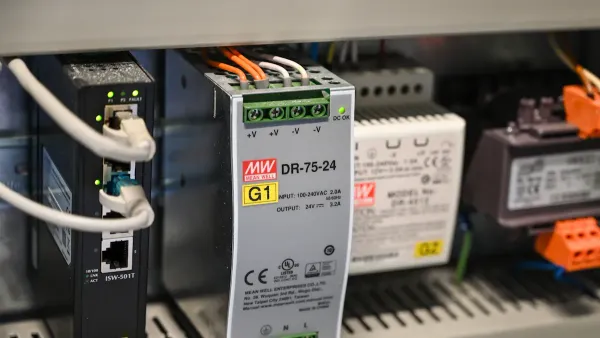
Imagine you build a project and the lights start flickering or your devices act strangely. Voltage fluctuations often cause these issues. You might see equipment shut down, hear odd noises, or even risk fire from overheating wires. A 12 volt dc voltage regulator helps you avoid these problems. This device keeps your power stable and protects sensitive electronics. Whether you are new to electronics or have years of experience, a voltage regulator gives your project the stability and power it needs for safe, reliable operation.
- Common problems from voltage instability:
- Dimming or flickering lights
- Malfunctioning or overheating equipment
- Shortened lifespan of components
- Safety hazards and data loss
Key Takeaways
- A 12 volt DC voltage regulator keeps your electronics running smoothly by providing steady power and preventing flickering or damage caused by voltage changes.
- Using a voltage regulator protects sensitive components from overheating, short circuits, and early failure, helping your devices last longer and work reliably.
- There are two main types of voltage regulators: linear (simple and low noise) and switching (efficient and good for high power); choose the one that fits your project needs.
- Voltage regulators are essential in projects with motors, sensors, or battery power to maintain stable voltage and improve performance under changing conditions.
- To pick the right voltage regulator, consider your device’s voltage and current needs, thermal management, and extra safety features; proper installation and troubleshooting keep your system safe and efficient.
Why Use a 12 Volt DC Voltage Regulator
Stable Power Supply
You want your electronics to work smoothly every time you turn them on. A 12 volt dc voltage regulator helps you achieve this by keeping the power supply steady, even when the input voltage or the load changes. Many electronic projects rely on a constant 12 volts to function correctly. If the voltage goes up or down, your devices might act strangely or even stop working.
A voltage regulator uses a feedback loop to watch the output voltage and compare it to a set value. When the voltage starts to drift, the regulator quickly adjusts its internal parts to bring the voltage back to the right level. In a common type like the 7812, a special transistor acts like a gate, letting just the right amount of power through. Any extra voltage turns into heat, so you need to make sure the regulator stays cool with a heat sink.
Here are some ways a voltage regulator keeps your power supply stable:
- The 7812 regulator needs the input voltage to be at least 2-3 volts higher than 12V for proper voltage regulation.
- If the input voltage drops too low or the load gets too heavy, the output voltage can fall below 12V.
- Capacitors placed close to the regulator help smooth out any bumps in the voltage and prevent sudden changes.
- The feedback loop inside the voltage regulator reacts quickly to changes, stopping dips or spikes before they reach your devices.
- Measuring the input and output voltages under load helps you check if your power supply is stable.
Tip: Always use the right size capacitors and a proper heat sink to keep your voltage regulator working well. This helps your project run smoothly and safely.
Protecting Components
Sensitive electronics need protection from sudden changes in power. Without a voltage regulator, your project faces risks from voltage spikes and drops. These changes can cause immediate damage or slowly wear out your components.
Voltage regulators keep your power supply steady, which helps prevent problems like overheating, short circuits, or even fires. They use feedback mechanisms to compare the actual voltage to a reference and adjust the output as needed. This process stops dangerous voltage swings from reaching your devices.
If you skip using a voltage regulator, you might see:
- Performance issues and random shutdowns
- Overheating and insulation failure
- Reduced efficiency and shorter lifespan for your devices
- Costly repairs or even total loss of your project
Some parts of your project are more vulnerable than others. Here is a table showing which components need the most protection from unstable power:
| Component | Primary Function | Vulnerability to Unstable Voltage |
|---|---|---|
| Power Supply Unit | Converts and regulates input power | Highly vulnerable; can be overwhelmed by severe voltage fluctuations |
| Mainboard | Controls overall device operation | Sensitive microprocessors and memory need stable voltage; fluctuations can cause data loss or permanent damage |
| LCD Driver Board | Controls pixel voltage on the screen | Needs stable power; unstable voltage causes flickering or dead pixels |
| Image Processor | Handles video signal processing | Sensitive to power quality; fluctuations cause errors or damage over time |
Other parts, like capacitors and integrated circuits, can also fail if the voltage is not steady. Capacitors may swell or burst, and chips can burn out from power surges. Even solder joints can crack, leading to loose connections.
Note: Using a 12 volt dc voltage regulator in your project gives you peace of mind. You protect your investment and make sure your devices last longer.
How a Voltage Regulator Works
Basic Operation
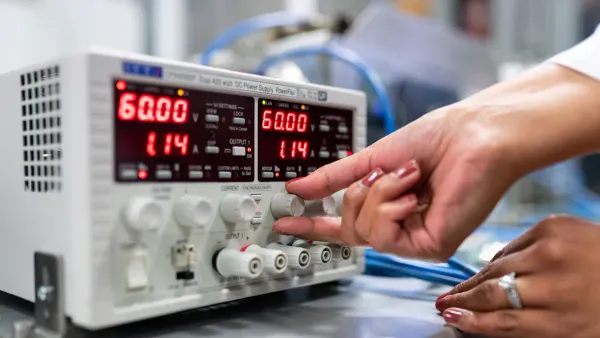
A voltage regulator helps you keep your electronics safe by making sure the voltage stays steady. When you use a voltage regulator, you do not have to worry about sudden changes in power. The basic job of a voltage regulator is to take an input voltage and turn it into a stable output voltage, even if the input or the load changes.
You can see how a switching voltage regulator works by looking at these steps:
- The voltage regulator switches transistors on and off very quickly, turning the input voltage into pulses.
- When the first switch is on, an inductor stores energy from the input voltage.
- When the switch turns off, the inductor releases energy to the output.
- A filter made of an inductor and a capacitor smooths out the pulses, giving you a steady voltage.
- The voltage regulator controls the output voltage by changing how long the switch stays on during each cycle.
- This method gives you high efficiency, so less energy turns into heat.
A voltage regulator can also use a simpler method called linear regulation. In this case, the voltage regulator uses a transistor to act like a variable resistor. It adjusts how much voltage passes through to keep the output steady. This method is easy to use and gives you very clean power, but it can waste energy as heat if the input voltage is much higher than the output.
Tip: If you want to keep your project cool and save energy, choose the right type of voltage regulator for your needs.
Types of Voltage Regulators
You can pick from two main types of voltage regulators: linear and switching. Each type has its own strengths and weaknesses.
| Regulator Type | Operating Principle | Key Components | Application Characteristics |
|---|---|---|---|
| Linear Regulator | Adjusts conductivity of active components to keep output voltage steady. | Transistors acting as variable resistors | Fast response, low noise, best for audio or precision devices, less efficient at high power. |
| Series Regulator | Controls resistance of a transistor in series with the load. | Transistor in series with load | Adjusts resistance for energy savings, good for efficient applications. |
Linear voltage regulators are simple and cost-effective. You only need a few extra parts, and you get very low noise. However, they only work for step-down voltage regulation and can get hot if the input voltage is much higher than the output.
Switching voltage regulators are more complex. They use more parts, like inductors and diodes, but they give you high efficiency and can step voltage up or down. You can use them when you need to save energy or when your input voltage is far from your output voltage. They do make some switching noise, so you may need to add filters if you use them with sensitive circuits.
- Linear voltage regulators:
- Switching voltage regulators:
- High efficiency, less heat, can step-up or step-down.
- More complex, can make noise, higher cost.
Note: You should choose a voltage regulator based on your project’s needs. If you want clean power for audio or sensors, use a linear voltage regulator. If you want to save energy or handle big voltage changes, use a switching voltage regulator.
Benefits of Voltage Regulators
Reliability and Longevity
When you use a voltage regulator in your electronics, you give your devices a better chance to last longer and work more reliably. A voltage regulator keeps the power supply steady, even if the input voltage changes or the load shifts. This steady power protects your devices from sudden spikes or drops that can cause damage.
- A voltage regulator maintains stable and precise electricity flow, so your devices do not face harmful voltage fluctuations.
- High-quality components inside voltage regulators ensure reliability and durability.
- You get uniform performance for both delicate instruments and heavy-duty machines, which improves lifespan and efficiency.
- Built-in protection features like overvoltage, undervoltage, and short circuit protection keep your sensitive equipment safe.
- The voltage regulator adapts to the power needs of your devices, optimizing power delivery and reducing waste.
- Even if your main power supply is unstable, the voltage regulator safeguards your devices from blackouts and electrical faults.
- Continuous, stable power supply prevents interruptions and boosts device reliability.
You also save money because voltage regulators protect your devices from under-voltages and over-voltages, which means fewer repairs and replacements. Stable voltage reduces stress on electronic parts, so they last longer. Your equipment works without glitches, and you avoid downtime caused by power problems. Many industries, from medical to telecommunications, trust voltage regulators to protect their most important equipment.
Studies show that voltage regulators play a key role in keeping voltage levels stable. This protection leads to better performance and longer life for your electronics, especially in areas like electric vehicles and renewable energy. Even though there are no exact numbers, experts agree that voltage regulators help devices last longer by managing power efficiently.
Reducing Noise and Interference
A voltage regulator does more than just keep the power steady. It also helps reduce electrical noise and interference, which can cause problems in sensitive circuits. Linear voltage regulators, especially low dropout types, produce very low output noise and have a high power supply rejection ratio. This means they block out unwanted noise from the input and keep your power clean.
- Linear voltage regulators can keep output noise below 5 μV RMS, which is great for audio and precision devices.
- Switching voltage regulators are more efficient but can create switching noise. You can pair them with special filters or low-noise regulators to reduce this effect.
- Good circuit design, like placing capacitors close to the voltage regulator and using solid ground planes, helps cut down on noise and interference.
- Shielding, ferrite beads, and careful placement of parts also help reduce electromagnetic interference.
When you reduce noise and interference, you see real improvements:
- Better signal quality
- Less electromagnetic interference
- Improved receiver sensitivity
- Clearer audio and video
- Longer device life
Noise inside a device can hurt other circuits, like when digital noise in a phone makes the receiver less sensitive. By using a voltage regulator and good design, you make sure your devices work better and last longer.
Tip: Always test your voltage regulator setup with proper tools to make sure your power stays clean and steady. This helps your electronics perform at their best.
Applications of 12 Volt DC Voltage Regulators
Motors and Sensors
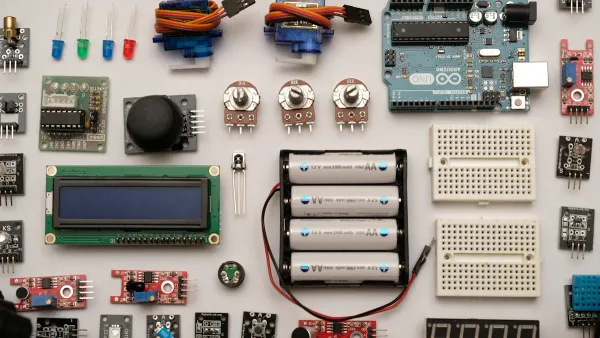
You often use voltage regulators in projects that involve motors and sensors. Motors, such as DC motors, servos, and stepper motors, need a stable power supply to run smoothly. If the voltage changes, motors can speed up or slow down, which affects your project’s performance. Sensors also need steady power. Fluctuations can cause sensors to give wrong readings or stop working.
Many electronics projects use 12 volt DC voltage regulators to keep the power at the right level. You see these regulators in automotive systems, industrial automation, and consumer electronics. For example, in a car, the input voltage can change from 12.5V to 14.5V. Without a voltage regulator, devices like compressor motors run at different speeds. By using a regulator, you keep the output voltage steady and make sure your motors and sensors work as expected.
Here are some common applications for 12 volt DC voltage regulators:
- Automotive electronics
- Motor control
- Industrial automation
- IoT devices
- Networking equipment
- Lighting systems
Tip: Always check the current requirements for your motors and sensors. Choose a voltage regulator that can handle the highest current your project will need.
Power Management
You need effective power management in battery-powered projects and those with variable input voltage. Voltage regulators help you get a stable power supply, which is important for keeping your devices safe and working well. In battery-powered projects, the battery voltage can drop as it gets used. A voltage regulator keeps the output at 12 volts, so your devices keep running even as the battery drains.
When you design a project with variable input voltage, you face challenges like voltage fluctuations and changing current requirements. Voltage regulators adjust their internal resistance and control the flow of power to keep the output steady. Features like thermal protection and load regulation help your project stay safe under different conditions.
You can choose from different types of voltage regulators for your power management needs. Linear regulators work well in projects where low noise is important, such as audio or RF-sensitive devices. Switching regulators give you higher efficiency and less heat, which is good for projects with high current requirements. Hybrid regulators try to balance efficiency and noise, but they are less common.
| Regulator Type | Best Use Case | Efficiency | Noise Level | Current Requirements |
|---|---|---|---|---|
| Linear (LDO) | Audio, RF-sensitive devices | Low | Low | Moderate |
| Switching | High-power projects | High | High | High |
| Hybrid | Balanced needs | Medium | Medium | Limited |
Note: For battery-powered projects, pick a voltage regulator with low quiescent current. This helps your battery last longer and keeps your power supply efficient.
How to Pick the Right Voltage Regulator
Key Factors
When you want to know how to pick the right voltage regulator, you need to look at several important details. Start by checking the input voltage range and the output voltage you need. Make sure the voltage regulator can handle the highest and lowest voltages your project will see. Next, figure out the maximum current your devices will draw. If your project uses motors or lights, the current can spike, so always choose a voltage regulator with a higher current rating than your expected load.
You also need to decide which type of voltage regulator fits your project. Linear regulators work well for low noise and simple designs. Switching regulators give you better efficiency, especially if you want to save power or deal with higher currents. Some projects, like audio systems or RF devices, need low noise, so a linear regulator is best. For automotive or industrial projects, you may need a rugged voltage regulator that can handle tough conditions.
Other key factors include:
- Dropout voltage: This is the smallest difference between input and output voltages for the regulator to work. A low dropout voltage helps when your input voltage is close to 12V.
- Thermal performance: The voltage regulator creates heat as it works. Check the power it will lose as heat and make sure it stays cool. Use a heat sink or fan if needed.
- Extra features: Look for thermal protection, soft start, enable pins, or overvoltage protection. These features keep your devices safe and make your project easier to use.
- Size and packaging: If your project has limited space, pick a voltage regulator that fits your layout and can handle heat well.
- Application needs: Use manufacturer datasheets and online tools to match your requirements with the right part.
Here is a table to help you compare some important parameters:
| Parameter | Description & Impact on Choice |
|---|---|
| Current Rating | Maximum current the voltage regulator can supply. Choose higher than your load for safety and reliability. |
| Dropout Voltage | Minimum difference between input and output voltages. Lower is better for tight power margins. |
| Thermal Performance | Heat generated = (Input Voltage - Output Voltage) x Load Current. Good cooling prevents overheating and shutdown. |
| Efficiency | Higher efficiency means less heat and better power use. Switching regulators often provide higher efficiency. |
| Protection Features | Look for short-circuit, thermal shutdown, and overvoltage protection for safer operation. |
Tip: Always use manufacturer calculators and datasheets to double-check your choices. This helps you avoid mistakes and keeps your project running smoothly.
Installation Tips
Good installation helps your voltage regulator work safely and last longer. Use the right wire size for your 12V DC circuits. Thicker wires carry more current and reduce power loss. Color-code your wires, such as red for positive and black for negative, to avoid confusion.
Install fuses or circuit breakers near your power source. This protects your devices from short circuits or overloads. Label all your circuits clearly. This makes future repairs and upgrades much easier.
Keep AC and DC wires separate. Never run them in the same conduit or box. This prevents electrical hazards and keeps your system safe. Make sure your voltage regulator has enough airflow. Heat builds up quickly, especially with high current. Use a heat sink or fan if your voltage regulator gets warm.
When working with batteries, keep them off concrete floors to prevent discharge. If you use lead-acid batteries, make sure the area is well-ventilated. Hydrogen gas can build up and cause safety problems.
Here are some best practices for installing your voltage regulator:
- Turn off power before making any connections.
- Use insulated tools to avoid accidental shorts.
- Double-check all wiring before turning on the power.
- Use a distribution board for organized circuit management.
- Label 12V receptacles with their maximum current rating.
Note: Always check that your voltage regulator can handle the voltage swings from batteries. A 12V battery can range from 10V to 15V, so your voltage regulator must work across this range.
Troubleshooting
Sometimes, even with careful planning, your voltage regulator may not provide stable output. If you notice flickering lights, overheating, or strange device behavior, you need to troubleshoot.
Start by checking the basics:
- Make sure the load current does not exceed the voltage regulator’s rating.
- Test the output with a light load, like a 220Ω resistor, to see if the voltage stays steady.
- Add decoupling capacitors to both the input and output. This reduces ripple and helps stability. Use values like 470µF or 680µF for better results.
- Check for overheating. If the voltage regulator feels hot, improve cooling with a heat sink or fan.
- Replace or upgrade capacitors if you see voltage ripple or instability. Cheap modules often use small capacitors that cannot handle heavy loads.
- Confirm your power source can supply enough current without dropping voltage.
If you still have problems, try these advanced steps:
- Add a high-value electrolytic capacitor across the output to smooth voltage changes.
- Insert a Schottky diode between the generator and capacitor to prevent backflow.
- Use a DC-DC buck or boost converter for better voltage regulation.
- Place a Zener diode or dump load resistor across the capacitor to prevent voltage from rising too high when no load is present.
- Adjust feedback resistors or add a feed-forward capacitor in the feedback network to improve stability and response.
Common issues and solutions include:
| Issue | Cause/Reason | Solution |
|---|---|---|
| No voltage at startup | Loose plug or blown fuse | Check connections and replace fuse |
| Overheating | Poor ventilation or heavy load | Improve cooling and reduce load if needed |
| Voltage deviation | Load changes or improper load | Balance loads and stay within design limits |
| Regulator coil burned out | Load exceeds regulator capacity | Replace coil and ensure correct installation |
| Voltage offset | Faulty voltmeter or trimmer potentiometer | Repair or replace meter; adjust potentiometer |
⚡ Tip: Regularly check your voltage regulator and power system for signs of trouble. Early detection helps prevent bigger problems and keeps your devices safe.
If you want to know how to pick the right voltage regulator, always consider your project’s needs, plan your installation carefully, and follow these troubleshooting steps. This approach gives you reliable power and protects your electronics.
A 12 volt DC voltage regulator gives you stable power, protects your components, and helps your electronics work better. You avoid crashes and damage by keeping voltage steady. Check your project for voltage swings or unregulated power. Use the right regulator for your needs. Here is a quick comparison:
| Feature | Fixed 12V Regulator | Adjustable Regulator |
|---|---|---|
| Output Voltage | Constant 12V | Customizable |
| Simplicity | Easy to use | Needs tuning |
| Reliability | High | Flexible |
Take time to review your setup and learn more about voltage regulation. This step keeps your electronics safe and reliable.
FAQ
What happens if you use a device without a 12 volt DC voltage regulator?
You risk damaging your electronics. Voltage spikes or drops can cause devices to overheat, shut down, or stop working. Using a voltage regulator keeps your project safe and stable.
Can you use a 12 volt DC voltage regulator for battery-powered projects?
Yes, you can. A voltage regulator helps your devices run smoothly even as the battery voltage drops. You get steady power, which keeps your electronics working longer and more reliably.
How do you know which voltage regulator to choose?
Check your device’s voltage and current needs. Pick a regulator that matches or exceeds those numbers. If you want extra help, follow a hands-on tutorial or a step-by-step guide to make the right choice.
Do you need special skills to install a voltage regulator?
No, you do not need special skills. You can follow a simple tutorial or guide. Always read instructions, use the right tools, and double-check your connections for safety.