Why Automotive Experts Are Switching to Solid State Relays
Automotive experts are choosing solid state relays for their clear performance and reliability advantages. This switch repre
Automotive experts are choosing solid state relays for their clear performance and reliability advantages. This switch represents a significant upgrade from older technology.
A traditional mechanical relay clicks, wears out, and eventually fails. In contrast, a modern solid state relay 12v offers silent, instant power with no moving parts to break.
This technology is a smart investment for any vehicle. It improves classic cars, daily drivers, and high-performance machines. This guide explains why experts make this choice for a superior electrical system.
Key Takeaways
- Solid state relays last longer than old relays. They have no moving parts to break.
- These relays make cars work better. They switch power very fast and quietly.
- Solid state relays make car wiring simpler. They can replace many old relays with one unit.
- They protect car parts from damage. They can turn off power if there is a problem.
- Even though they cost more at first, solid state relays save money over time. They do not need to be replaced often.
Superior Reliability and Lifespan
Solid state relays (SSRs) offer a dramatic improvement in durability over their mechanical counterparts. This extended lifespan comes from their fundamental design and robust construction, making them a fit-and-forget solution for critical automotive systems.
Eliminating Wear with No Moving Parts
The main reason for this long life is simple. SSRs have no moving parts. A traditional mechanical relay uses an electromagnet to physically pull a metal contact, creating the familiar "click." Every click causes tiny sparks (arcing) and physical wear on the spring and contact points. Over thousands of cycles, these parts degrade and eventually fail completely.
A solid state relay 12v avoids this problem entirely. It uses semiconductor components, like MOSFETs, to switch power electronically. There are no contacts to wear out, no springs to weaken, and no mechanism to break. This solid-state design is the key to its incredible longevity, often providing an operational life more than 10 times longer than mechanical relays. This means fewer replacements and greater peace of mind.
Resisting Shock, Vibration, and Moisture
Automotive environments are tough. Engines vibrate, roads create shocks, and moisture is a constant threat. These conditions are the enemy of mechanical relays.
Solid-state relays resist shock and vibration. Mechanical relays struggle in these conditions. This makes SSRs ideal for harsh automotive environments.
The moving parts in a mechanical relay can bounce or chatter when subjected to heavy vibration, leading to inconsistent power delivery or damage. In contrast, SSRs have their internal components completely encased in a solid epoxy. This potted design makes them almost immune to shock and vibration. They can operate reliably in extreme temperatures from -40°C to +125°C and withstand constant shaking without compromising performance. This resilience makes them the perfect choice for high-performance race cars, off-road vehicles, and any application where failure is not an option.
Performance Gains with a Solid State Relay 12v
Beyond reliability, solid state relays unlock significant performance advantages. They operate with a speed and precision that older mechanical relays cannot match. This upgrade directly improves how a vehicle's electrical components function, from engine cooling to fuel delivery.
Instant and Silent Power Switching
A mechanical relay has a noticeable delay. Its internal electromagnet needs time to build a magnetic field and physically move a contact, resulting in a switching speed measured in milliseconds. This process creates the familiar "click" sound. In contrast, a solid state relay 12v switches power electronically. This allows for incredibly fast operation, often measured in microseconds or even nanoseconds. The switch is instantaneous and completely silent. For systems requiring rapid control, this speed makes a world of difference.
Precise Control for Fans and Pumps
The rapid switching ability of an SSR enables advanced control methods like Pulse-Width Modulation (PWM). PWM works by turning a device on and off very quickly to regulate its power. This allows for variable-speed control of components like:
- Electric cooling fans
- Fuel pumps
- Lighting dimmers
For example, running a cooling fan with PWM at a low frequency like 20 Hz can cause noisy vibrations. However, a solid state relay 12v can operate at much higher frequencies. Using a frequency of 300 Hz allows the fan to run smoothly and quietly at various speeds, providing just the right amount of cooling needed. This precise control improves efficiency and reduces unnecessary noise and wear.
Enhanced Electrical System Safety
Many modern SSRs include built-in safety features that protect expensive automotive components. These intelligent relays can automatically shut down if they detect a problem.
An SSR with built-in protection acts like a smart bodyguard for your electrical system. It can detect over-current draws or short circuits and cut power instantly, safeguarding sensitive electronics before a traditional fuse has time to blow.
This feature is a major upgrade over simple fuses. It provides an active layer of protection for high-draw devices like electric fans, water pumps, and fuel pumps, preventing catastrophic failures and costly repairs.
Simplified Wiring and Diagnostics
Upgrading to solid state relays does more than improve performance. It also dramatically simplifies a vehicle's electrical system. This simplification makes installation cleaner and troubleshooting much faster. The result is a more professional and reliable setup.
Replacing Multiple Relays with One Module
A common automotive project can quickly create a messy bundle of wires. Each traditional relay needs its own power, ground, and trigger wires. This wiring becomes complex and creates multiple potential points of failure. Modern solid state relay modules solve this problem.
Companies offer advanced solutions that consolidate multiple circuits. For instance, Nova Technology Company (HK) Limited, a HiSilicon-designated solutions partner, provides modules that manage several functions from a single unit.
A single solid state relay module, like those from MSD, can replace four or five individual mechanical relays. These modules use a single main power and ground connection. This design drastically reduces wire clutter. A streamlined electrical architecture with fewer cables enhances overall system reliability. The installation looks cleaner and is easier to maintain.
Instant Fault Diagnosis via LED Indicators
Troubleshooting a faulty circuit with traditional relays is a slow process. An expert must often use a multimeter to test each relay and wire one by one. A solid state relay 12v with diagnostic features makes this process much easier.
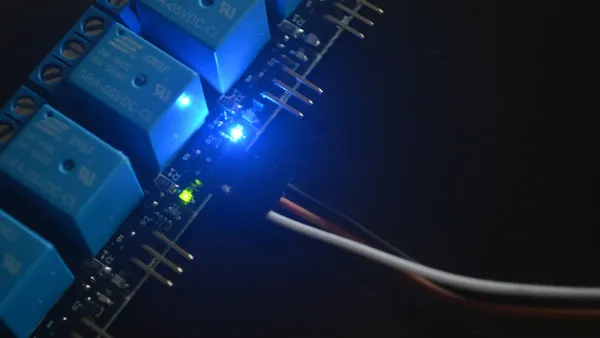
Many SSR modules include built-in LED indicators for each channel. These lights provide instant visual feedback.
- A green light typically shows the circuit is active and working correctly.
- A red light can indicate a fault, such as a short circuit or an open load.
This simple diagnostic system allows anyone to identify a problem at a glance. An expert can pinpoint the exact circuit that has failed without needing special tools. This feature saves valuable time and removes the guesswork from electrical diagnostics.
Justifying the Upfront Cost
A common question from vehicle owners is about the higher initial price of solid state relays. While a mechanical relay is cheaper to buy, experts look at the total cost over time. The upfront investment in solid state technology pays for itself through superior durability, reduced maintenance, and enhanced protection.
Initial Cost vs. Long-Term Value
Experts perform a cost-benefit analysis when choosing components. A simple price comparison does not tell the whole story. The long-term value of an SSR becomes clear when considering its entire operational life.
The total cost of ownership for a mechanical relay is often higher than the initial price of an SSR. Frequent replacements and labor costs add up, making the cheaper option more expensive in the long run.
A solid state relay offers significant long-term savings in several ways:
- Extended Lifespan: SSRs have no moving parts to wear out. This gives them a lifespan that can be almost 100 times longer than a traditional electromechanical relay. One SSR can outlast dozens of mechanical units.
- Reduced Labor Costs: Fewer failures mean less time spent on diagnostics and replacement. Predictive maintenance strategies for SSRs can lower overall labor costs by 20-30% and reduce unplanned downtime significantly.
- Fewer Replacements: The need for frequent relay replacements is eliminated. This saves money on parts and prevents the recurring hassle of sourcing and installing them.
Critical Applications for an SSR Upgrade
For certain high-demand systems, a solid state relay is not just an upgrade; it is a necessity. In these critical applications, the failure of a mechanical relay can lead to poor performance or catastrophic damage.
High-Amperage Electric Cooling Fans Performance vehicles generate immense heat. Their electric cooling fans draw high currents to keep the engine safe. A solid state relay 12v is engineered to handle these high currents with exceptional reliability. Its fast response time also enables Pulse-Width Modulation (PWM) for precise fan speed control, a feature mechanical relays cannot effectively manage. This ensures the engine receives the exact amount of cooling needed without unnecessary noise or strain.
Nitrous Oxide Systems In racing, instant and reliable activation is crucial. Nitrous oxide systems depend on solenoids that must open and close with perfect timing. SSRs are ideal for this task.
- They offer ultra-fast activation in microseconds, eliminating any delay.
- Their rugged, solid-state circuitry is highly resistant to vibration.
- They were specifically designed to handle the high current loads of nitrous solenoids.
Off-Road Lighting and Winches Off-road vehicles endure constant shock and vibration. These harsh conditions can cause mechanical relays to fail, leaving a driver without lights or winch power. The potted, solid-state design of an SSR makes it almost immune to these forces. This makes them the perfect choice for controlling high-power accessories on vehicles like:
- ATVs and UTVs
- 4x4s and Off-Road Trucks
- RVs
For these critical jobs, the reliability of a solid state relay provides safety and peace of mind where failure is not an option.
Experts choose solid state relays for their durability, precise control, and simpler wiring. While the initial cost is higher, their long-term value is clear. They eliminate frequent replacements and protect vital components. Top racers rely on this technology for its accuracy and robust design.
Brad Edwards, a top-level radial tire racer, states, "On my car, the Relay 4 activates...very important systems because of how accurate and reliable it is." He adds that the unit "makes wiring that much simpler."
The switch to solid-state technology is the new standard for modern automotive electrical systems.
FAQ
Can an SSR directly replace any mechanical relay?
Not always. Experts check the specifications first. A solid state relay 12v must match the amperage rating and pin layout of the old relay. Some applications may require minor wiring adjustments for a proper and safe installation.
Are solid state relays worth the extra cost?
Yes, for critical systems. The long-term value is significant. SSRs eliminate frequent replacements, reduce labor costs, and protect expensive components from electrical damage. Their reliability makes them a smart investment for high-performance and essential vehicle functions.
Do SSRs work in older classic cars? 🚗
Absolutely. SSRs are an excellent upgrade for classic cars. They provide modern reliability to vintage electrical systems. This upgrade protects original components and improves the performance of lights, fans, and fuel pumps without altering the vehicle's classic appearance.
What happens if a solid state relay fails?
SSR failure is rare. Most SSRs fail in an "open" state, meaning the circuit simply stops working. This is a safe failure mode.
Important Note: Many SSRs have built-in protection. They shut down to prevent damage from over-current or short circuits, often indicating the problem with an LED light.