What is an integrated circuit chip and how it drives modern electronics
You use integrated circuit chips daily without noticing. They are in smartphones, cars, and smart lights. But what is an integrated circuit chip?
You use integrated circuit chips daily without noticing. They are in smartphones, cars, and smart lights. But what is an integrated circuit chip? These are small devices made from silicon. They hold many parts like transistors and resistors in one place. These chips help devices work by handling data and signals fast. By 2025, these chips may earn $602.41 billion worldwide. This shows how important they are for future technology.
Key Takeaways
-
Integrated circuit chips, or ICs, are small parts that hold many electronic components in one place. They make gadgets smaller and work better.
-
IC chips are important for things like phones and cars. They help these devices do hard tasks fast and save energy.
-
IC chips were first made in 1958. They changed electronics by replacing big parts with tiny ones.
-
IC chips are key for future tech. The market is growing fast, helping create smarter AI and devices.
-
Learning about IC chips shows how they power everyday tools, like phones and health machines.
What is an Integrated Circuit Chip?
Definition and Purpose
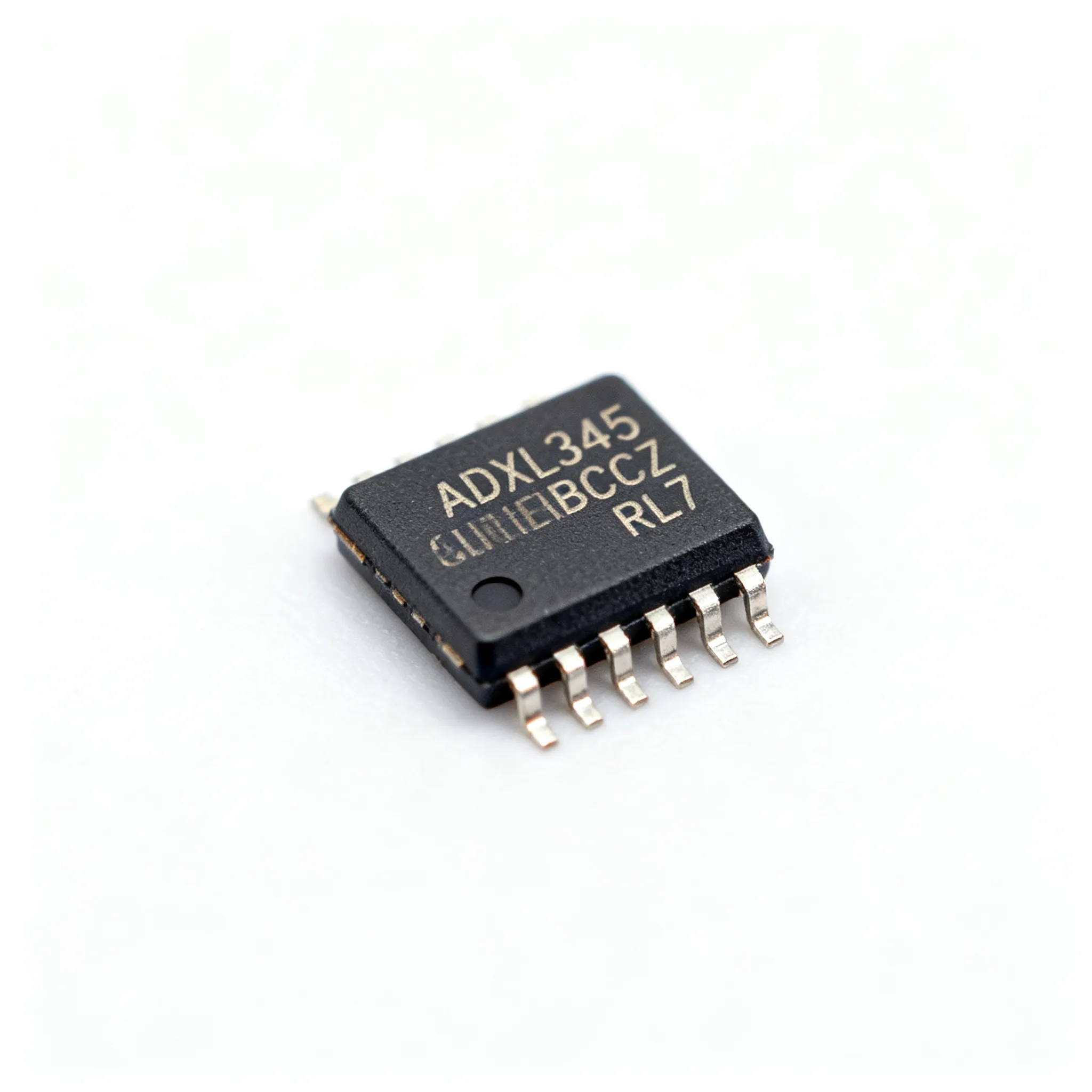
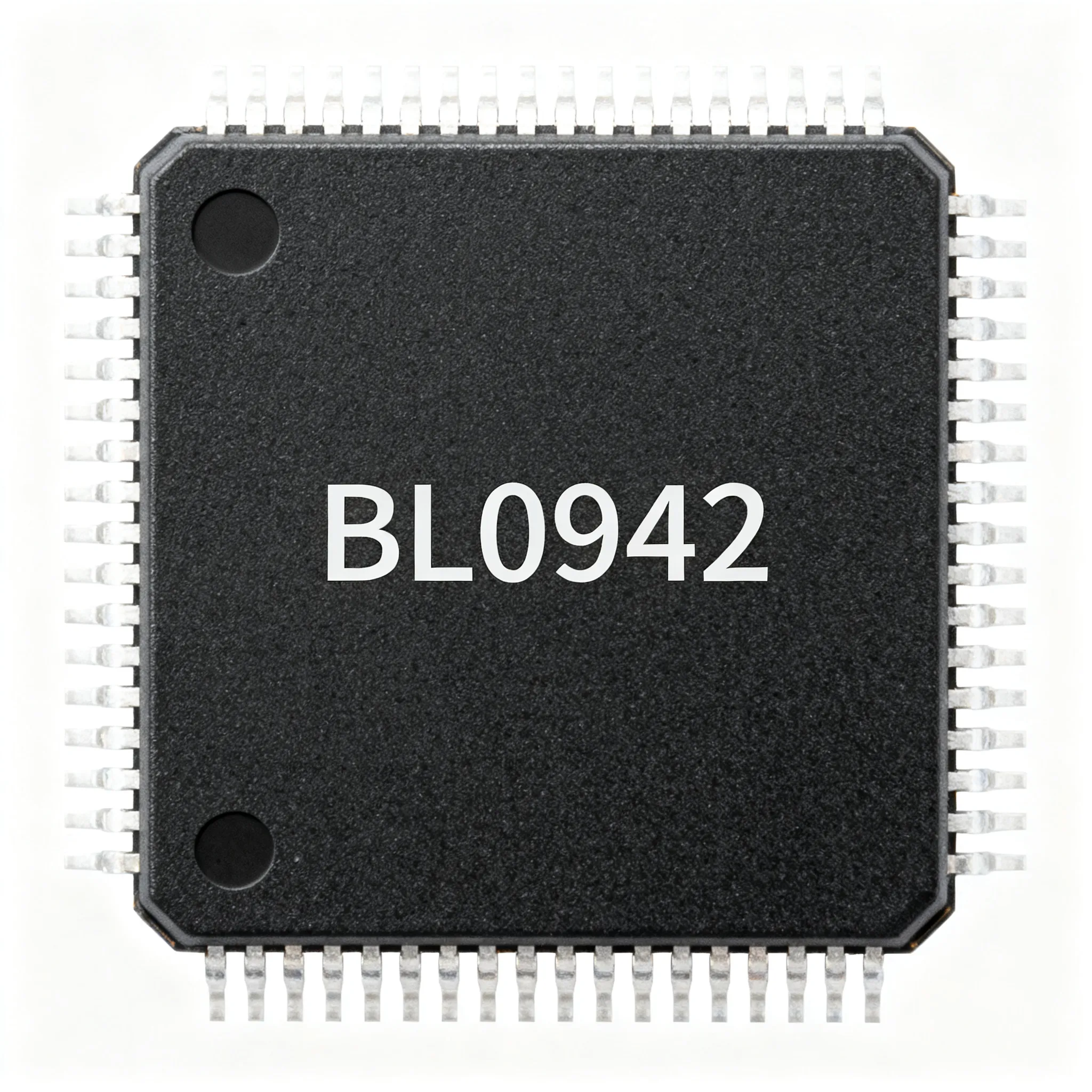
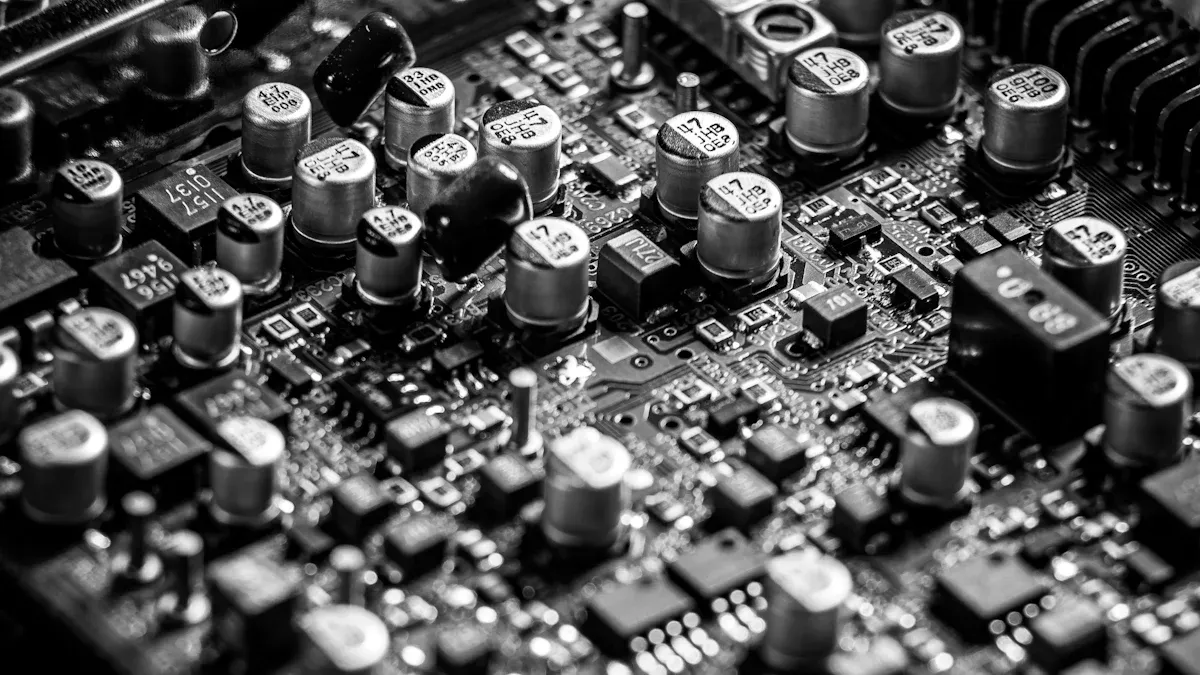
An integrated circuit chip, or IC chip, is a tiny device made from a semiconductor material. It combines many small parts, like transistors and resistors, into one unit. These parts work together to do specific tasks in electronics. In the past, devices used large, separate parts, but IC chips make designs smaller and more efficient.
|
Feature/Advantage |
Description |
|---|---|
|
Definition |
An IC is a small semiconductor device with many connected parts that perform a full electronic task. |
|
Components |
Modern ICs hold billions of parts, such as transistors and capacitors, on one chip. |
|
Advantages |
ICs are smaller, faster, and cheaper than older designs. They save energy and work quickly. |
The main job of an IC chip is to combine complex electronic tasks into one small package. This makes devices smaller, faster, and more dependable. For example, your phone uses IC chips to handle data, manage power, and connect to Wi-Fi. Without IC chips, today’s electronics wouldn’t exist as they do.
Evolution of Integrated Circuits
The history of IC chips began with a big invention in 1958. Jack Kilby and Robert Noyce each created the first IC chip, changing how electronic parts were made. Before this, engineers used vacuum tubes and large parts, which made devices heavy and slow.
Here are some important moments in IC history:
|
Year |
Milestone |
Description |
|---|---|---|
|
1941 |
Zuse Z3 |
The first programmable computer used punched tape for instructions. |
|
1943 |
Colossus |
Built to decode messages, showing how useful computers could be. |
|
1946 |
ENIAC |
A powerful computer that could do thousands of calculations per second. |
|
1947 |
Transistor |
Invented by Shockley, Bardeen, and Brattain, replacing vacuum tubes. |
|
1958 |
Integrated Circuit |
Created by Kilby and Noyce, combining many parts into one small chip. |

Over time, IC chips have improved a lot. Today, they can hold billions of transistors on one chip. This allows small devices, like smartwatches, to do powerful computing. These advances have helped create modern electronics and will keep shaping future technology.
Why Integrated Circuits Are Essential
IC chips are the heart of modern electronics. They let devices do hard tasks while staying small and using less energy. Without IC chips, things like phones, laptops, and medical tools wouldn’t exist.
Here’s why IC chips are so important:
-
Miniaturization: They make devices smaller and lighter, perfect for portable gadgets.
-
Efficiency: IC chips use less power and work faster than older parts.
-
Cost-effectiveness: Making IC chips in large numbers lowers costs, so more people can afford advanced tech.
-
Versatility: IC chips are used in everything from home gadgets to factory machines.
Studies show the IC chip market could grow to $661.12 billion by 2029. This growth proves how vital they are for new inventions and meeting today’s tech needs.
How Does an IC Chip Work?
Components of an Integrated Circuit
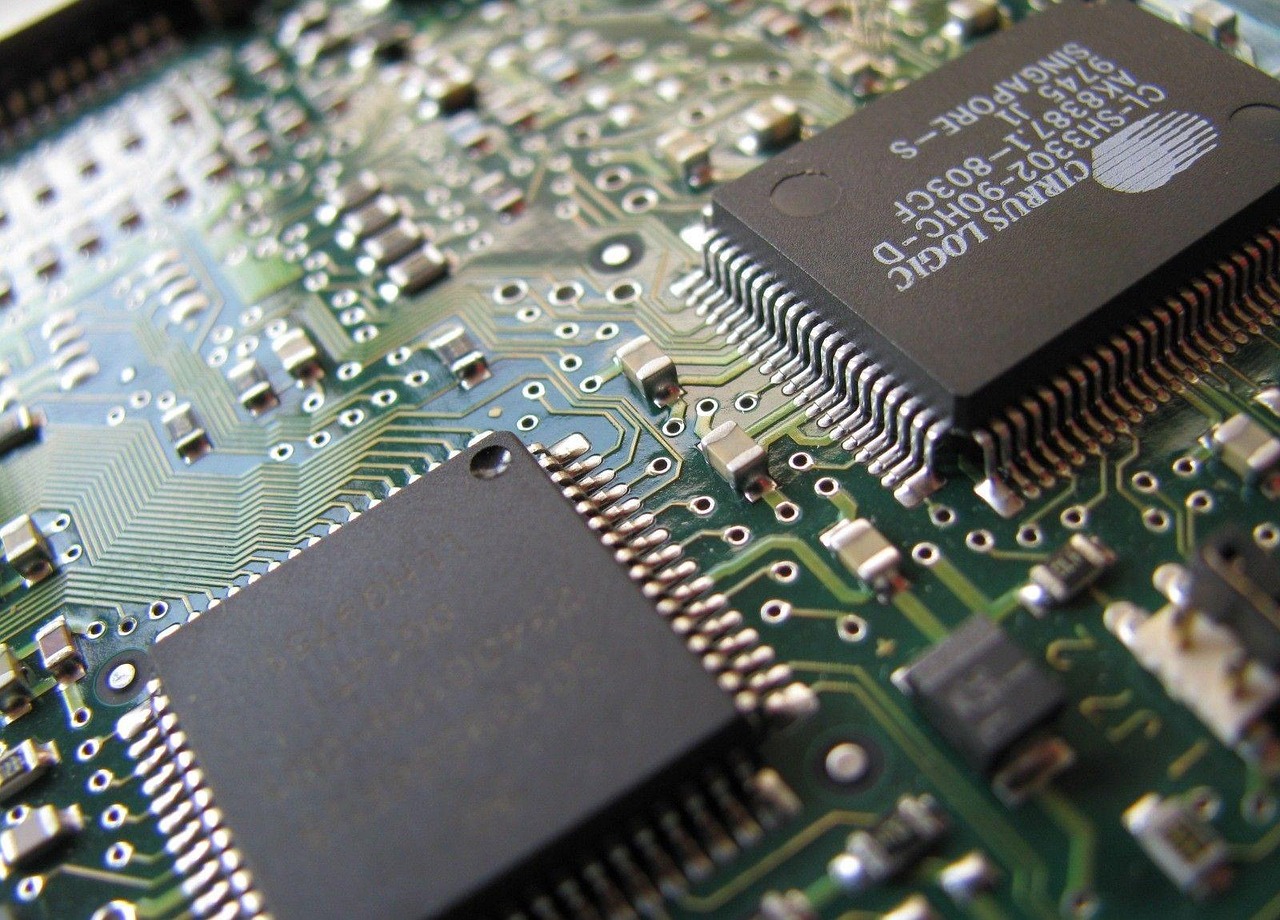
An integrated circuit chip is a small but powerful invention. It contains tiny parts that work together to do important jobs. These parts include transistors, resistors, capacitors, and diodes. Each part has a special job to keep the chip running well.
-
Transistors: These are like tiny switches. They control how electricity moves and help with logic tasks.
-
Resistors: These slow down electricity to protect other parts from harm.
-
Capacitors: These hold and release energy to keep voltage steady.
-
Diodes: These make sure electricity flows in only one direction.
Engineers use diagrams to show how these parts connect. These drawings help explain how the chip works:
-
Shapes stand for each part, like zigzags for resistors.
-
Lines show how the parts link together to form circuits.
-
Labels name the parts, making it easier to understand their jobs.
By combining these parts, the chip can handle tasks like processing data or managing power in a small, efficient way.
How ICs Process Data and Signals
IC chips are great at handling data and signals. They help devices work fast and correctly. For example, your phone’s IC chip processes millions of commands every second. This happens in three main steps:
-
Input: The chip gets data or signals from sensors or buttons.
-
Processing: Inside the chip, transistors and logic gates do calculations or make decisions.
-
Output: The chip sends the results to other parts, like screens or speakers.
To make sure IC chips work well, they go through many tests during production. These tests check for problems early, saving money and time. If a chip fails later, fixing it costs more. Careful testing ensures the chip can handle tough tasks without breaking.
The Role of Transistors and Other Elements
Transistors are the most important part of an IC chip. They act like tiny switches, controlling how electricity moves. A single chip can have billions of transistors, all smaller than a grain of sand. This lets the chip process huge amounts of data very quickly.
Other parts, like resistors and capacitors, help the transistors work safely. Resistors control the flow of electricity so transistors don’t get damaged. Capacitors keep voltage steady, stopping sudden changes that could cause problems. Diodes protect the chip by letting electricity flow in only one direction.
All these parts work together as a team. This teamwork allows the chip to do things like run a computer, manage power in a phone, or control car sensors. Without these tiny parts working perfectly together, modern electronics wouldn’t be possible.
Tip: Next time you use a gadget, think about the IC chip inside. It’s made of billions of tiny parts working together to make everything run smoothly.
Applications of Integrated Circuit Chips
Consumer Electronics
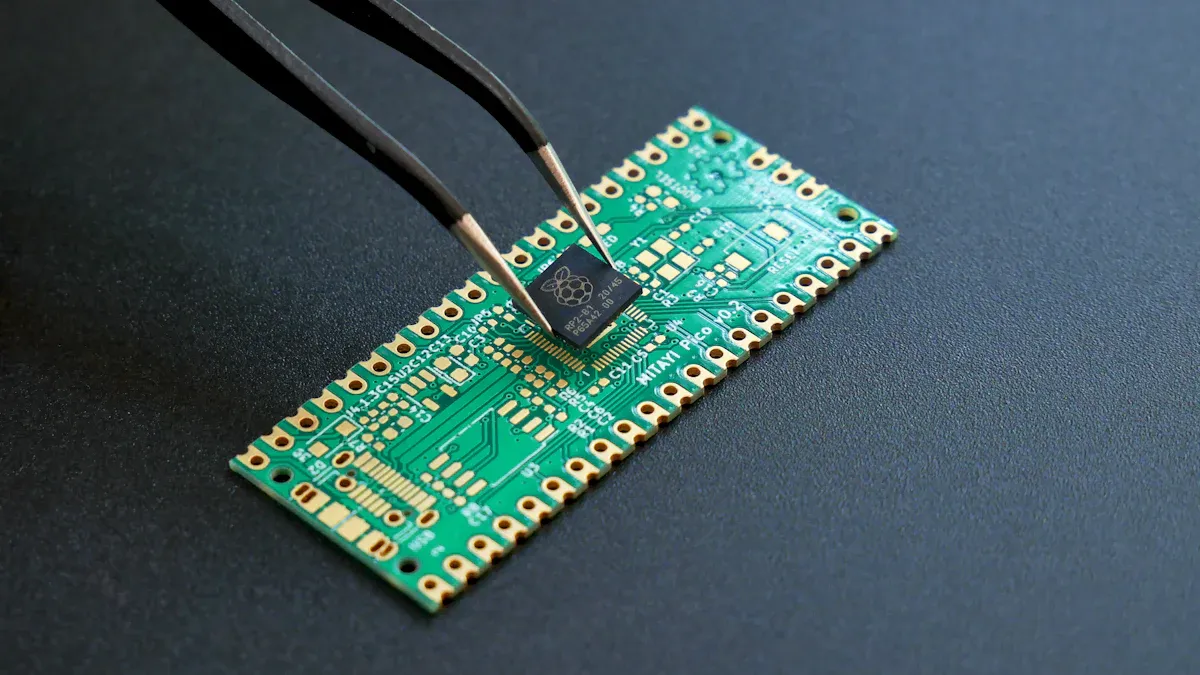
Integrated circuit chips are key to modern gadgets. They power devices like phones, laptops, and smart home tools. These chips help devices do hard tasks fast and well. For example, your phone’s IC chip runs apps and connects to Wi-Fi.
Smarter and connected gadgets increase the need for IC chips. Smaller parts now fit into tiny devices without losing power. Better semiconductor tech has made these chips faster and more efficient. AI and machine learning also need strong IC chips. The Internet of Things (IoT) uses small, energy-saving chips for smart devices and wearables.
Industrial and Automotive Uses
IC chips are vital in factories and cars. In factories, they control robots, check production, and keep systems safe. In cars, they manage engines and advanced driver-assistance systems (ADAS).
Examples show how IC chips improve industries. IBM’s Bromont Facility used IC systems to plan better, cutting workforce changes by 20%. Another chip maker boosted efficiency by fixing production delays. These examples prove IC chips make work smoother and more reliable.
In cars, electric vehicles (EVs) and self-driving tech need advanced IC chips. These chips handle battery use, detect crashes, and guide navigation. They make cars safer and smarter.
Emerging Technologies and ICs
The future of IC chips is in new tech. Scientists are testing materials like graphene for faster, energy-saving chips. These materials could replace silicon in the future.
New ideas like CoWoS technology improve chip stacking. This helps AI handle huge data loads. Cryogenic electronics are also helping quantum computing, which depends on special IC chips.
IC chips will shape future tech. From AI to quantum computing, they will power the next big inventions.
The Importance of Integrated Circuits in Technology
Miniaturization and Efficiency
Integrated circuit chips have changed how devices are made. They combine billions of parts into one small chip. This makes gadgets smaller and easier to carry. For example, pacemakers are now tiny because of IC chips. Smaller pacemakers lower health risks like swelling in the body.
Wireless power transfer (WPT) has improved these devices even more. WPT removes the need for big batteries. It sends power directly to small gadgets all the time. New designs even put the WPT coil inside the chip. This makes devices smaller and saves space.
IC chips also use less energy while working faster. This is perfect for phones and smartwatches. These gadgets need long battery life to work well.
Driving Innovation and Advancements
Integrated circuit chips help create new technology. They are used in artificial intelligence (AI), fast computers, and eco-friendly factories. AI needs chips that can handle huge amounts of data. High-Bandwidth Memory (HBM) and special packaging make this possible.
New materials like silicon carbide and gallium nitride are improving chips. These materials make chips use less energy and work better. Techniques like stacking parts in 3D make chips even more powerful. Industries like cars and AI need these advanced chips to grow.
Future Trends in IC Development
The future of IC chips looks exciting. Chips made for specific tasks, called ASICs, are becoming popular. Phones and tablets need these chips to work faster and better. By 2025, most people will own smartphones, increasing demand for strong IC chips.
Governments are spending money to make more chips. In the U.S., the CHIPS Act gives $52 billion for chip production. This helps create smaller and faster chips, like 5nm and 3nm ones.
New ways to package chips, like 2.5D and 3D designs, are growing quickly. These methods are expected to increase by 22% each year until 2028. Chips made for specific industries and digital twin technology will change how chips are designed.
Integrated circuit chips will keep improving technology. They will bring new ideas and help industries grow in amazing ways.
Integrated circuit chips, or ICs, are key to today’s electronics. They pack many small parts into one tiny unit. This helps devices do hard tasks quickly and easily. You use ICs daily in phones, cars, and smart gadgets. These chips make technology smaller and work better. They have changed how we use devices in our lives. As technology grows, ICs will help create new ideas like AI and quantum computers. The future for ICs is exciting, and there’s much more to come.
FAQ
What is the difference between an integrated circuit and a microchip?
An integrated circuit (IC) is a tiny device with many parts like transistors and resistors. A microchip is the physical chip that holds the IC. Think of the IC as the "brain" and the microchip as its "container."
How are integrated circuits made?
ICs are made using a method called photolithography. This process creates patterns on a silicon wafer to build circuits. It’s done in super-clean spaces to avoid mistakes and ensure the parts work properly.
Why are transistors important in IC chips?
Transistors are like switches in IC chips. They control electricity flow, helping the chip process data and do tasks. Without transistors, devices like phones and computers wouldn’t work.
Can integrated circuits fail?
Yes, ICs can stop working due to heat, power surges, or defects. Cooling systems and careful checks during production help prevent this. If an IC breaks, it can affect the whole device.
What is Moore’s Law, and how does it relate to ICs?
Moore’s Law says the number of transistors in an IC doubles about every two years. This has helped make devices faster, smaller, and better over time.
Tip: Keep your gadgets cool and updated to help their IC chips last longer.