Understanding Capacitor Tolerance and Its Impact on Circuit Performance
Capacitor tolerance tells you how much a capacitor's actual value can differ from its labeled value. If you want your circui

Capacitor tolerance tells you how much a capacitor's actual value can differ from its labeled value. If you want your circuit to work reliably, you must pay attention to this detail.
- Oscillator circuits depend on precise capacitor values. Even small changes in capacitor tolerance can cause large timing errors. Stable capacitors help keep frequency measurements accurate.
In many circuits, such as filters or timing devices, the right tolerance keeps your design stable and predictable.
Key Takeaways
- Capacitor tolerance indicates how much a capacitor's actual value can differ from its labeled value. Understanding this helps ensure your circuit performs reliably.
- Tighter tolerances, like ±1% or ±2%, lead to more predictable circuit performance. Use these in timing and filtering applications for better accuracy.
- Always check the capacitor's datasheet before purchasing. This step ensures you select components that meet your design needs and avoid future issues.
- Consider the dielectric material of capacitors. Class 1 ceramics offer better stability and accuracy, making them ideal for high-frequency circuits.
- Balance cost and performance when choosing capacitors. Use precision components where accuracy is crucial, and wider tolerances in less critical areas.
Capacitor Tolerance Basics
What Is Capacitor Tolerance
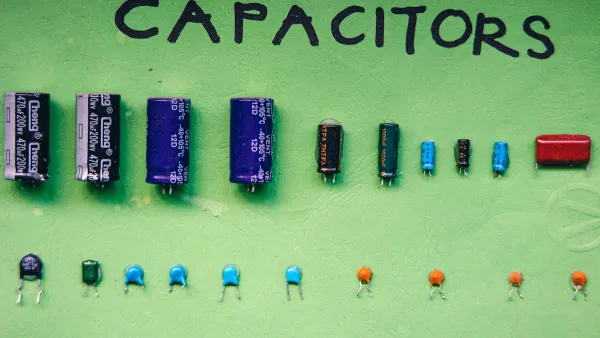
Capacitor tolerance tells you how much the actual capacitance can differ from the value printed on the capacitor. For example, if you see a capacitor marked as 100 microfarads with a tolerance of ±10%, the real value could be anywhere between 90 and 110 microfarads. This variation happens because of manufacturing limits. You need to know this range when you design a circuit, so your project works as expected.
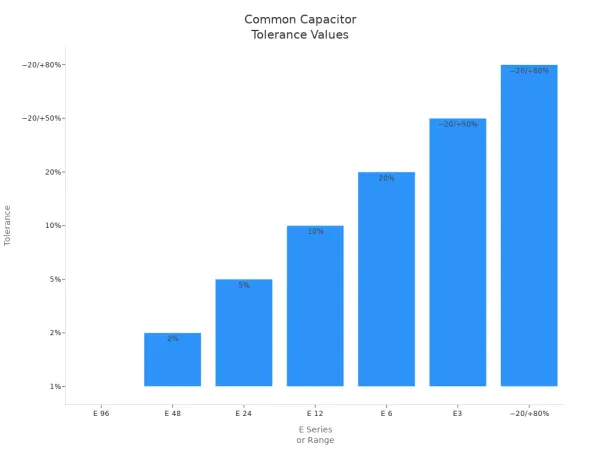
You will find different tolerance values in commercial capacitors. The table below shows common tolerance values for different E series:
| E series | Tolerance |
|---|---|
| E 96 | 1% |
| E 48 | 2% |
| E 24 | 5% |
| E 12 | 10% |
| E 6 | 20% |
| E3 | −20/+50% |
| −20/+80% |
You can also spot letter codes on capacitors. These codes tell you the tolerance range. Here is a quick guide:
| Letter Code | Tolerance Range |
|---|---|
| J | ±5% |
| K | ±10% |
| M | ±20% |
Why Tolerance Matters
You must pay attention to capacitor tolerance when you build circuits. If you use a capacitor with a wide tolerance, the actual value may change a lot. This can make your circuit unstable or unreliable. For example, in consumer electronics, many capacitors have a tolerance from -20% to +80%. Such a wide range means the performance can vary greatly.
If you want your circuit to work the same way every time, choose capacitors with a small tolerance. Tight tolerances, like ±1% or ±2%, help keep your circuit stable. You get more predictable results, especially in timing and filtering applications. When you match the tolerance to your needs, you improve reliability and performance.
Tip: Always check the tolerance before you buy capacitors for your project. This simple step helps you avoid problems later.
Capacitor Tolerance in Circuit Design
Impact on Circuit Performance
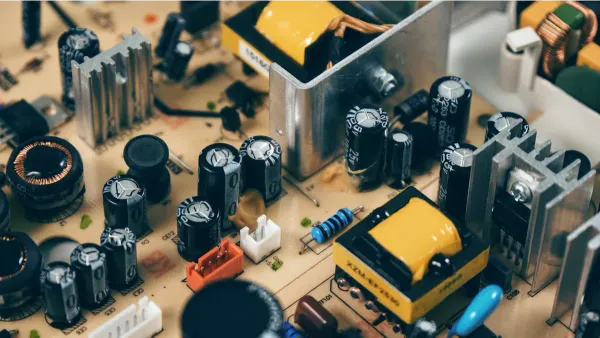
Capacitor tolerance plays a big role in how your circuit works. When you build a circuit, you want it to perform the same way every time. If the actual value of a capacitor changes too much from its label, you can see circuit performance variations. This can cause problems in timing, filtering, and resonant circuits.
Timing Circuits:
You use timing circuits to control how long something happens, like blinking lights or clock signals. If the capacitor value is off, the timing will not be accurate. Even a small change in capacitance can shift the timing by a lot. This means your circuit might not work as planned.
Filter Circuits:
Filters help you block or pass certain signals. The frequency response of a filter depends on the exact value of the capacitor. If the value changes, the filter might not block the right signals. You can see this in the table below:
| Tolerance | Impact on Frequency Response |
|---|---|
| ±5% | Variance in frequency of poles affects electrical response of the filter |
| Yield | 65% yield indicates 35% need tuning to meet specs |
A filter with a wide tolerance may need extra tuning. This can lower the yield, which means fewer circuits meet the design specs.
Resonant Circuits:
Resonant circuits use capacitors and inductors to create a specific frequency. If the capacitor value is not precise, the circuit will not resonate at the right frequency. This can cause signal accuracy problems, especially in radios or wireless devices.
You will notice that circuit performance depends on how close the real capacitor value is to the design value. If you use a capacitor with a wide tolerance, you may see circuit performance variations. This can lead to poor performance or even failure in some cases.
Design Considerations
When you start your circuit design, you need to decide how much precision you need. Some applications need very tight tolerances, while others can use broader ranges.
-
You need tight tolerances (like ±1%) in circuits where precision matters most. These include:
- Timing circuits that must keep accurate intervals.
- Filters that need to block or pass exact frequencies.
- Power supplies that require stable voltage and current.
-
You can use broader tolerances (like ±10% to ±20%) in less critical circuits. For example, in simple LED blinkers or basic power smoothing, a wide tolerance will not hurt performance much.
You should always match the capacitor tolerance to your application. If you use precision components in the right places, you improve both accuracy and performance. In high-frequency RF circuit design, you often see silver mica capacitors. These have very tight tolerance ranges, as shown below:
| Capacitor Type | Tolerance Range |
|---|---|
| Silver Mica Capacitors | ±0.05% to ±5% |
Choosing the right tolerance helps you avoid problems and keeps your circuit performance stable. If you pick a tolerance that is too loose, you risk poor performance. If you pick a tolerance that is too tight, you may pay more than you need. Always balance cost, performance, and reliability in your design.
Note: Using precision components in key spots boosts accuracy and keeps your circuit working as planned.
Capacitor Types and Tolerance Analysis
Ceramic Capacitors
Ceramic capacitors come in two main classes. Class 1 ceramic capacitors have tight tolerance and stable performance. You use them in high-frequency circuits where accuracy matters. Class 2 ceramic capacitors have a wider tolerance and less stability. Their capacitance can change with temperature and voltage. This makes them better for non-critical uses, like bypass or coupling circuits.
You can read the tolerance code on ceramic capacitors by looking for a letter. For example, "K" means ±10%. You may also see the maximum voltage printed as a number, such as "16" for 16V. The dielectric material in ceramic capacitors affects how well they keep their value at different frequencies. In high-frequency designs, you should choose Class 1 for better capacitor tolerance analysis.
Note: As frequency increases, Class 2 ceramic capacitors lose capacitance. This happens because their dielectric strength drops at high frequencies.
Electrolytic Capacitors
Electrolytic capacitors usually have a wide tolerance, often around ±20%. You will see the capacitance, maximum voltage, and polarity marked on the body. This makes it easy to check the values during capacitor tolerance analysis. The wide tolerance comes from the way these capacitors are made. It can cause the actual value to be much higher or lower than the label.
This variability affects power supply filtering. If you need precise filtering, the wide tolerance can make the performance less predictable. For most power and audio circuits, this is not a problem. However, you should avoid using electrolytic capacitors in timing or frequency circuits that need tight capacitor tolerance analysis.
- Electrolytic capacitors are not good for high-precision designs.
- The maximum voltage rating is important. Never exceed it, or the capacitor may fail.
Film Capacitors
Film capacitors offer tight tolerance and stable performance. You often use them in audio circuits and precision filters. The tight tolerance helps keep the capacitance steady, which is important for sound quality and reliable operation. You can find the tolerance code as a letter, such as "J" for ±5%, along with the maximum voltage.
Film capacitors work well in environments where temperature and humidity change. Their stable dielectric material helps them keep their value over time. In capacitor tolerance analysis, film capacitors stand out for their reliability and accuracy.
| Capacitor Type | Typical Tolerance | Maximum Voltage Marking | Best Use Case |
|---|---|---|---|
| Ceramic (Class 1) | ±1% to ±5% | Yes | High-frequency, precision |
| Ceramic (Class 2) | ±10% to ±20% | Yes | Bypass, coupling |
| Electrolytic | ±20% | Yes | Power supply, audio |
| Film | ±1% to ±5% | Yes | Audio, precision filtering |
Tip: Always match the capacitor type and tolerance to your design needs. This helps you achieve stable and reliable circuit performance.
Choosing Tolerance for Your Design
Selection Tips
When you start choosing a capacitor for your project, you need to think about how the tolerance will affect circuit performance. The right choice helps you avoid circuit performance variations and keeps your design stable. Here are some practical tips to help you select the best option:
-
Match Tolerance to Application Needs
Look at your design and decide how much precision you need. If your circuit controls timing or filters signals, you need precision components with tight tolerances. For less critical uses, you can pick capacitors with wider tolerances. -
Check the Datasheet
Always read the datasheet before you buy. The datasheet shows the tolerance value and helps you understand if the capacitor fits your design. Use this table to guide your selection for critical applications:Tolerance Value Acceptable Deviation Application Sensitivity ±5% Tight High ±10% Moderate Medium ±20% Loose Low -
Consider the Dielectric Material
The dielectric class affects both accuracy and long-term performance. For example, in automotive electronics, you often see these choices:Dielectric Class Characteristics Applications Class I (C0G) Stable, low loss, negligible aging, predictable behavior Filtering, balancing, timing circuits Class II (X7R) Higher dielectric constant, less stable, aging over time Energy storage, smoothing, filtering Class I (C0G) gives you better accuracy and precision, which is important for signal accuracy and stable circuit performance.
-
Test During Prototyping
Measure the actual capacitance during prototyping. This step helps you catch any circuit performance variations early. Use this table to check if your capacitor meets the design needs:Capacitor Type Tolerance Range Notes Large value electrolytic ±20% Acceptable if measured value is within this range; may read +20% over nominal when new. Aged electrolytic -10% to -20% Consider replacing if readings are low due to aging or abuse. Non-polar capacitors < 1μF Minimal change Should not alter significantly with aging. Frequency sensitive circuits Tighter tolerance Capacitance should closely match circuit design requirements. Power supply filtering Larger deviation Degradation of ESR is more critical than capacitance value in these applications. -
Balance Cost and Performance
Precision components with tight tolerances cost more. Use them where you need high accuracy and stable circuit performance. For less sensitive parts of your design, you can save money by using capacitors with wider tolerances.
Tip: Always use precision components in spots where accuracy and performance matter most. This step helps you avoid circuit performance variations and keeps your design reliable.
Best Practices
You can improve your design and circuit performance by following these best practices:
-
Source Carefully
When sourcing capacitors, look for parts with the right dielectric material. Low Dk materials like NP0/C0G ceramics and film capacitors give you better linearity and lower tolerances. These choices help you achieve higher accuracy and precision. If you need to compensate for voltage drop, you can increase capacitance or use multiple capacitors in parallel. This method improves linearity but may have limits. -
Handle with Care
Proper handling keeps your capacitors within their tolerance range and protects circuit performance. If you use the wrong size or handle them poorly, you can cause:- Reduced motor speeds and higher noise.
- Temperature increases that wear out bearings and break down insulation.
- Lower efficiency and shorter lifespan.
- Poor equipment operation and more stress on other parts.
-
Verify Quality and Tolerance
Manufacturers use clean rooms and precise methods to make capacitors with tight tolerances. This trend leads to better accuracy and performance.Due to the extremely tight tolerances of so many types of electronic parts, and the precision in which they are made, and the ultra-clean rooms they must be made in, electrolytic capacitors are no longer a 'in the ballpark' category. Their better accuracy is a side effect, and a trend in general, to go for perfection as best as possible.
-
Monitor for Long-Term Stability
Pay attention to how capacitors age and react to temperature changes. Over time, you may see:- Initial tolerance differences from manufacturing.
- Capacitance changes with temperature.
- Aging, especially in electrolytic capacitors, which can cause drift and circuit performance variations.
In industrial control systems, the choice of bypass capacitors is critical for low noise and high signal integrity. If you pick the wrong capacitor, you risk circuit instability and unpredictable behavior. Always consider temperature, voltage, and capacitor technology to keep long-term performance steady.
-
Consult the Datasheet for Every Design
The datasheet gives you the details you need for accuracy and precision. It helps you avoid mistakes and ensures your design meets the required circuit performance.
Note: Following these best practices helps you maintain accuracy, avoid circuit performance variations, and achieve the best possible performance in your design.
You have learned that capacitor tolerance affects how your circuit works. Choosing the right tolerance helps you build reliable and stable designs.
- Capacitor tolerance shows the range of possible values, which is key for circuit performance.
- Tighter tolerances give you more predictable results and reduce the risk of failure.
- Environmental factors, like temperature, also impact reliability.
Always check the datasheet and follow best practices. Careful selection keeps your circuit working as planned.
FAQ
What does component tolerance mean in capacitors?
Component tolerance tells you how much a capacitor's actual value can differ from its labeled value. You need to know component tolerance because it affects how your circuit works. If you ignore component tolerance, your design may not perform as expected.
Why is component tolerance important in circuit design?
Component tolerance affects the accuracy and stability of your circuit. You must consider component tolerance when you want reliable performance. If you use parts with wide component tolerance, your circuit may show unpredictable results. Always check component tolerance before choosing capacitors.
How do capacitors in parallel affect component tolerance?
When you connect capacitors in parallel, their capacitance values add together. The total component tolerance depends on each capacitor's tolerance. You should calculate the combined component tolerance to make sure your circuit meets your needs.
What happens if you use capacitors in series with different component tolerance?
If you connect capacitors in series, the total capacitance decreases. The component tolerance of each capacitor affects the final value. You must check the component tolerance for each one to avoid errors in your circuit.
Can you improve circuit performance by choosing tighter component tolerance?
Yes, you can improve performance by selecting capacitors with tighter component tolerance. Tighter component tolerance gives you more predictable and stable results. You should use tight component tolerance in circuits where accuracy matters most.