Understanding Capacitor Directionality for Modern Circuits
You might wonder, are capacitors directional? This question often comes up when you work with electronic components. Underst
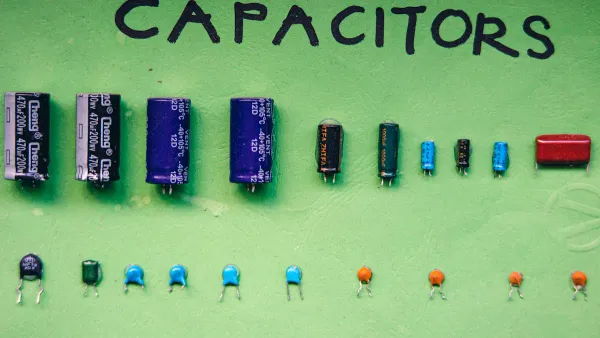
You might wonder, are capacitors directional? This question often comes up when you work with electronic components. Understanding capacitor polarity helps you keep your circuits safe and reliable. If you ignore polarity, you could damage your project or cause safety risks. Capacitor fundamentals show that some types need correct orientation. You will see how small details make a big difference in modern circuit design.
Key Takeaways
- Capacitors can be polarized or non-polarized. Polarized capacitors have specific positive and negative terminals, while non-polarized capacitors can connect in any direction.
- Always check the polarity markings on capacitors before installation. This simple step prevents damage to your circuit and ensures safe operation.
- Use a multimeter to verify capacitor connections if markings are unclear. This tool helps avoid mistakes that could lead to overheating or explosions.
- Follow manufacturer guidelines and consult datasheets for safe operating conditions. These resources provide essential information for reliable circuit design.
- Incorrect capacitor orientation can cause serious issues, including circuit failure and safety hazards. Always double-check connections to keep your projects safe.
Are Capacitors Directional?
When you work with electronic circuits, you often ask, "are capacitors directional?" The answer depends on the type of capacitor you use. Some capacitors have a specific direction for current flow, while others do not. Understanding the difference helps you avoid mistakes and keeps your circuits safe.
Polarized Capacitors
Polarized capacitors have a clear direction for current flow. You must connect the positive and negative terminals correctly. If you reverse the polarity, you can damage the capacitor or even cause it to fail. The most common types of polarized capacitors are electrolytic and tantalum capacitors. These types depend on a thin oxide layer as the dielectric. This layer only works when you apply voltage in the correct direction. If you connect the capacitor with the wrong orientation, the oxide layer can break down.
You often see polarized capacitors in circuits that use direct current (DC). They offer high capacitance values, which makes them useful for storing and smoothing energy. You find them in power supplies, audio circuits, and signal processing. Here are some common uses:
- Power supplies: You use them to smooth out DC voltages and reduce voltage ripple.
- Audio circuits: They help with signal coupling and decoupling, letting AC signals pass while blocking DC.
- Signal processing: They play a role in filters and timing circuits, helping set cut-off frequencies.
You must always check the capacitor polarity before installation. The positive terminal usually has a longer lead, and the negative side often has a stripe or marking. If you ignore the polarity, you risk damaging both the capacitor and your circuit.
Here is a table that shows the main differences between polarized and non-polarized capacitors:
| Feature | Polarized Capacitors | Non-Polarized Capacitors |
|---|---|---|
| Dielectric Material | Uses electrolytes as a dielectric | Uses materials like ceramic, plastic films, glass, or paper |
| Polarity Restrictions | Has specific positive and negative terminals | No polarity restrictions, can be connected in either direction |
| Common Applications | Often used in power supply circuits | Used in audio applications and signal coupling |
Tip: Always double-check the orientation of polarized capacitors before soldering them onto a circuit board.
Non-Polarized Capacitors
Non-polarized capacitors do not have a specific direction. You can connect them in either direction without worrying about polarity. These capacitors use materials like ceramic, polyester, or polypropylene as the dielectric. Because they lack polarity, you can use them in both AC and DC circuits.
Non-polarized capacitors are ideal for applications where current flows in both directions. You often find them in audio systems, signal processing, and timing circuits. They handle AC signals well and last longer than polarized capacitors. Here are some key points about non-polarized capacitors:
- They work with both AC and DC circuits because they have no polarity.
- You find them made from ceramic, polyester, and polypropylene.
- They are best for circuits that need bidirectional current flow, such as audio and timing circuits.
You should consider these factors when choosing a non-polarized capacitor:
- They handle AC signals well, making them great for audio systems and electric motors.
- Important selection factors include capacitance, voltage rating, and material type. Ceramic capacitors work well in high-frequency circuits, while film capacitors suit audio applications.
- They are more reliable and last longer than polarized capacitors.
Non-polarized capacitors perform better in AC applications because they do not have polarity restrictions. You can use them for high-frequency and precision tasks. In contrast, polarized capacitors work best in DC circuits and are sensitive to the direction of voltage.
When you ask, "are capacitors directional," remember that only polarized capacitors require you to pay attention to polarity and orientation. Non-polarized capacitors give you more flexibility in circuit design.
Capacitor Polarity
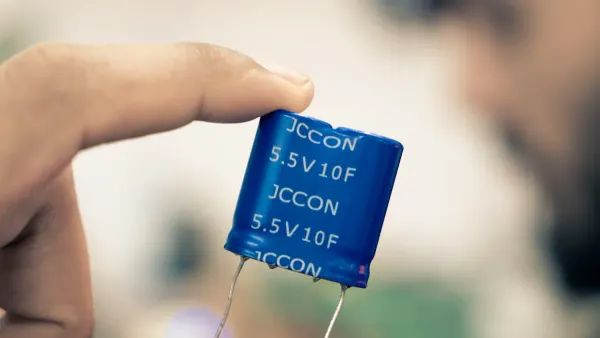
Understanding capacitor polarity helps you avoid mistakes in your electronic projects. You need to know how to determine the capacitor polarity before you install any component. If you connect a capacitor with the wrong orientation, you risk damaging your circuit or causing safety problems. Let’s explore how you can identify capacitor polarity and what clues manufacturers provide.
Identifying Polarity
You can use several methods to identify capacitor polarity. Manufacturers use standard industry practices to make this process easier for you. Here are the most common ways to check the polarity of different capacitor types:
- Through-hole electrolytic capacitors have two leads. The longer lead is the positive terminal, and the shorter lead is the negative terminal. The casing color also helps; black or green usually marks the anode, while gray or black marks the cathode.
- Surface-mount aluminum electrolytic capacitors show polarity with a rounded corner for the positive terminal. You may also see a line or stripe marking the negative side.
- Tantalum capacitors often have a stripe or dash on the casing to show the positive terminal. The opposite end is the negative terminal.
- Bolt-type electrolytic capacitors use clear markings. A dash means negative, and a plus sign means positive.
- CBB and AC capacitors are non-polarized. You can install them in any orientation without worrying about polarity.
- Ceramic and porcelain capacitors are also non-polarized. They do not have distinct terminals, so you do not need to check for polarity.
You should always check the capacitor polarity before installation. If you cannot find clear markings, you can look up the capacitor’s datasheet online. The datasheet will give you detailed information about the capacitor polarity and orientation.
Tip: If you ever feel unsure about how to determine the capacitor polarity, consult the datasheet or manufacturer’s documentation. These resources provide reliable information about polarity markings and terminal identification.
Markings and Physical Clues
Manufacturers use several visual clues to help you identify capacitor polarity. You can spot these clues by looking closely at the capacitor body and leads. Here are some common polarity markings and physical features:
- Capacitors often have a plus (+) sign for the positive terminal and a minus (-) sign for the negative terminal.
- The negative lead may have a stripe or a minus sign. The positive lead is usually longer.
- Radial electrolytic capacitors use black-gray or green-black housing. The longer pin is positive, and the shorter pin is negative.
- Surface-mounted capacitors use color coding. A small black section on top marks the negative terminal, while a gray section shows the positive terminal.
- Axial capacitors sometimes have an indented band on the positive terminal side.
- Tantalum capacitors are usually yellow. A dash marks the positive pole, and the opposite end is negative.
- Aluminum electrolytic capacitors are generally gray. Right-angle corners indicate the cathode, and trapezoidal corners indicate the anode. The gray side is positive, and the black side is negative.
- The value (in microfarads, μF) and voltage rating are printed directly on the body. These markings help you confirm the capacitor type and specifications.
You can use these clues to identify capacitor polarity quickly. If you still have doubts, always check the datasheet or circuit diagram. These documents provide essential information about capacitor orientation and polarity markings.
Note: Identifying capacitor polarity is a key step in safe circuit design. You protect your components and ensure reliable performance when you pay attention to polarity markings and physical clues.
When you ask, "are capacitors directional," remember that only polarized capacitors require careful attention to polarity. Non-polarized capacitors do not have polarity restrictions, so you can install them in any orientation. By mastering the skill of identifying capacitor polarity, you avoid costly mistakes and keep your electronic circuits running smoothly.
Incorrect Capacitor Orientation

Performance Issues
When you install a capacitor with the wrong orientation, you risk serious problems in your circuit. In digital circuits, incorrect capacitor orientation often leads to circuit failure. If you reverse the polarity of a polarized capacitor, such as an electrolytic type, you may see the capacitor leak or even explode. This kind of failure can stop your circuit from working. You might notice unstable power supply, extra noise, or overheating. These issues can shorten the lifespan of your electronic device.
A reversed capacitor can also cause the circuit to lose its ability to filter signals. You may hear unwanted sounds in audio circuits or see glitches in digital signals. The positive and negative terminals must match the voltage direction in the circuit. If you ignore this, the capacitor cannot store or release energy as designed. You will see poor performance and possible damage to other components.
Always check the polarity markings before you install a capacitor. This simple step helps you avoid costly repairs and keeps your circuit running smoothly.
Safety Risks
Incorrect capacitor orientation does not just cause performance problems. It can create real safety risks. If you connect the positive and negative terminals the wrong way, you may trigger a dangerous failure. Some capacitors, like tantalum types, can explode or catch fire when polarity is reversed. High voltage capacitors may burst due to internal dielectric failure. Electrolytic capacitors can build up gas inside, leading to pressure and possible explosion.
- Reversed polarity can cause fire or explosion, especially in tantalum capacitors.
- Overvoltage or reverse voltage may result in a firework-like effect.
- Exploding capacitors can burn the circuit board and vaporize nearby components.
- The blast may release harmful substances and cause injuries, such as loss of eyesight.
International safety standards warn you to connect the positive terminal to the higher voltage side and the negative terminal to the lower voltage side. If you ignore these rules, you risk catastrophic failure and possible harm.
Tip: Always follow manufacturer guidelines and double-check polarity before powering your circuit. Safety comes first in electronics.
Choosing and Installing Capacitors
Application Examples
You need to choose the right capacitor for your circuit to avoid failure. In power supply circuits, electrolytic capacitors help smooth voltage and filter noise. The advantages of electrolytic capacitors include high capacitance and compact size, making them ideal for energy storage in DC circuits. Audio amplifiers often use non-polarized capacitors for signal coupling. Types of non-polarized capacitors, such as ceramic and film, work well in high-frequency circuits because they do not have polarity restrictions.
Here is a table showing the maximum operating temperature for common capacitor types:
| Capacitor Type | Max Operating Temp |
|---|---|
| Aluminum electrolytic capacitors | 85°C up to 150°C |
| Film capacitors | max. 110°C |
| Multilayer ceramic capacitors | 85°C up to 200°C |
When you select a capacitor, consider these factors:
- Temperature limits
- Effective series resistance (ESR)
- Resonance characteristics
- Dissipation factor
- DC biasing effects
- Tolerance levels
- Polarization requirements
If you ignore these criteria, you risk circuit failure or reduced performance.
Best Practices
You can follow these steps for proper installation and to prevent failure:
- Check the positive and negative markings on both the capacitor and the PCB. Most polarized capacitors, like electrolytic types, have a stripe or a plus sign for the positive terminal.
- Never assume all capacitors are non-polarized. Always confirm the type before installation.
- If you cannot read the markings, try using a multimeter to check polarity. Using a multimeter helps you avoid reversing the polarity of a capacitor.
- For non-polarized capacitors, you do not need to worry about orientation. Types of non-polarized capacitors include ceramic and film, which you can install in any direction.
- Manufacturers use automated optical inspection and PCB design software to check capacitor orientation during assembly.
Ignoring polarity can have serious consequences. The consequences of incorrect polarity include overheating, short circuits, explosions, and circuit malfunction. Reversing the polarity of a capacitor can cause it to melt or explode. This leads to instability and erratic circuit behavior. Real-world failures include audio amplifier modules and SOYO PC motherboards, which suffered from reversed electrolytic capacitors. These failures led to product recalls and even bankruptcy.
Tip: Always double-check the positive and negative markings before soldering. Using a multimeter can help confirm the correct orientation.
You can prevent failure by following these best practices. Proper installation ensures your circuit works safely and reliably.
Understanding capacitor directionality and polarity helps you build safe and reliable circuits. You need to select the right type and size for each application. Always check markings and use a multimeter to confirm polarity before installation. Using a multimeter lets you avoid mistakes that can cause short circuits or fires. Follow manufacturer guidelines and consult datasheets to learn about safe operating conditions.
You can prevent overheating and damage by using a multimeter and following safety precautions.
For more tips, explore guides, webinars, and case studies about capacitor installation.
- Always use a multimeter to verify connections.
- Adhere to industry standards and manufacturer instructions.
- Review datasheets for performance details and limitations.
FAQ
How do you know if a capacitor is polarized?
You can check the markings on the capacitor body. Look for a stripe, plus sign, or longer lead. These clues show you the positive and negative sides.
Tip: Always read the datasheet for confirmation.
Can you use a non-polarized capacitor in a DC circuit?
Yes, you can use non-polarized capacitors in DC circuits. They work in both AC and DC applications. You do not need to worry about orientation.
- Example: Ceramic capacitors in timing circuits.
What happens if you install a polarized capacitor backwards?
If you install a polarized capacitor backwards, it may leak, overheat, or explode. Your circuit can fail or become unsafe.
| Risk | Result |
|---|---|
| Overheating | Circuit damage |
| Explosion | Safety hazard |
Why do integrated circuits need the correct capacitor orientation?
Integrated circuits need stable voltage and clean signals. You must install capacitors with the correct orientation to prevent noise, power loss, or damage.
Note: Proper capacitor placement keeps your circuit safe and reliable.