The Hidden Truth About DC to AC Voltage Conversion
The hidden truth about dc to ac voltage conversion is how inverters make stored DC power usable for everyday AC appliances.
The hidden truth about dc to ac voltage conversion is how inverters make stored DC power usable for everyday AC appliances. This dc to ac conversion is the key to unlocking power independence and off-grid energy solutions. A dc to ac converter helps people use their stored electricity anywhere.
An inverter acts like a currency exchange for electricity. It helps convert dc to ac power, changing the "foreign currency" of DC into the "local currency" of AC that appliances need.
The global market for these essential inverters shows significant growth, highlighting their increasing importance.
| Metric | Value |
|---|---|
| Market Size (2024) | USD 8.27 billion |
| Projected Market Size (2032) | USD 16.97 billion |
| Compound Annual Growth Rate (CAGR) | 9.39% |
Key Takeaways
- Inverters change DC power from batteries into AC power for home appliances. This helps people use electricity anywhere.
- Inverters make off-grid living and portable power possible. They let you use devices in remote places or during power outages.
- Inverters are important for solar panels and wind turbines. They convert the DC power these sources make into AC power for homes.
- Good inverters protect your electronics. They provide stable, clean AC power, which keeps sensitive devices safe from damage.
Why You Need to Convert DC to AC
Most people use electricity every day without thinking about its type. Power from a wall outlet is Alternating Current (AC). Power from a battery is Direct Current (DC). These two forms of electricity are not interchangeable. Many essential appliances require AC power to function. A dc to ac converter bridges this gap. It changes DC electricity into the AC electricity that your devices need. This conversion is vital for compatibility, safety, and stability.
Unlocking Portable and Off-Grid Power
Inverters are the key to energy freedom. They allow people to use stored DC power from batteries in places without electrical outlets. This makes modern life possible in remote cabins, on boats, or during camping trips. You can power your essential appliances anywhere.
People choose off-grid power systems for many reasons. A dc to ac converter makes these systems practical. Key motivations include:
- Rising Utility Costs: Many seek to escape high electricity bills and unstable grids.
- Desire for Independence: Off-grid living offers control over one's own energy source.
- Environmental Awareness: Using renewable sources reduces a person's carbon footprint.
- Disaster Readiness: An independent power system is a great backup during emergencies.
Ultimately, inverters unlock the potential of stored DC power, making off-grid power and portable energy applications a reality for countless users.
Integrating Renewables with Inverters
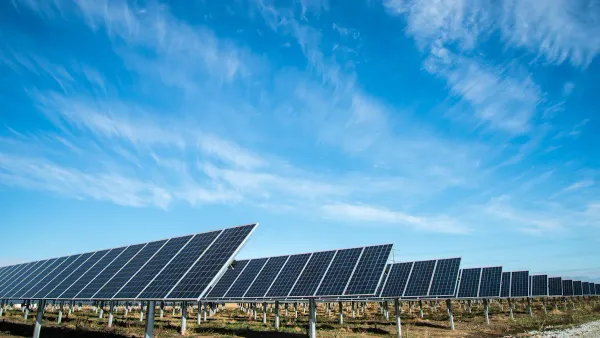
Renewable energy sources like solar panels and wind turbines are becoming more common. These technologies, however, naturally produce DC power. Your home's appliances cannot use this power directly. This is where inverters play a crucial role in the dc to ac conversion process.
According to Karl K. Berggren, a professor at MIT, the main difference is the direction of flow. DC is constant and moves in one direction, like a flat line on a graph. AC changes direction back and forth, creating a wave-like pattern.
An inverter takes the DC output from a solar panel array and transforms it into usable AC. This allows a home to run on clean solar energy. Advanced inverters also monitor the system's performance. In wind power applications, inverters are just as critical. They convert the variable electricity from a turbine into stable, grid-compatible AC power. Without this conversion, the energy from solar or wind would be incompatible with our homes and the wider electrical grid. These applications show how essential inverters are for a sustainable future.
Ensuring Power Stability and Backup
Power grids are not always perfectly stable. Fluctuations and outages can damage sensitive electronics. Inverters help protect your devices and provide a reliable backup power source. When connected to a battery bank, an inverter can create an independent power supply. This system is often called an uninterruptible power supplies (UPS). It ensures your devices keep running during a grid failure.
Modern electric inverters do more than just convert dc to ac. They also improve power quality.
- Clean Power Output: A pure sine wave inverter produces clean and stable AC electricity. This smooth power is identical to grid power. It protects sensitive appliances like computers, medical equipment, and modern TVs from buzzing, overheating, or damage.
- Voltage Regulation: Inverters help maintain a consistent voltage level. This protects electronics from harmful surges or dips in power.
- Power Factor Correction: Advanced inverters can adjust their output to improve grid efficiency. They manage the relationship between real and reactive power, ensuring the whole system runs smoothly.
By cleaning up and stabilizing the flow of electricity, a high-quality dc to ac converter acts as a gatekeeper, safeguarding your valuable appliances and ensuring reliable power when you need it most.
Common Uses for a DC to AC Converter
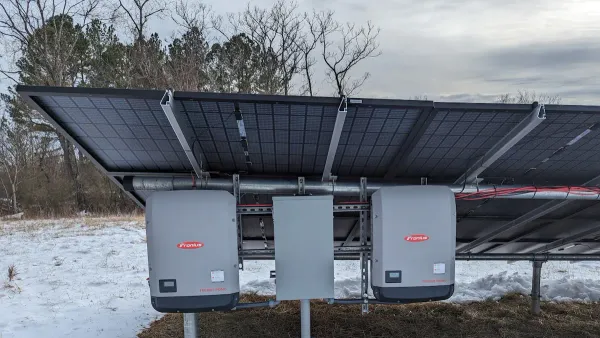
A dc to ac converter has many practical applications. These devices are essential for modern life, bridging the gap between stored DC power and the AC appliances people use daily. From home backup to mobile living and renewable energy, inverters provide the flexibility to use electricity anywhere. These applications show how vital the dc to ac voltage conversion process is.
Home and Emergency Backup Power
Power outages can happen unexpectedly and disrupt daily life. A reliable backup power source is crucial for safety and comfort. Inverters, paired with a battery bank, create an effective home emergency system. This setup keeps essential appliances running when the grid goes down.
Many events can cause power failures. The most common reasons include:
- Severe Weather: Events like thunderstorms, hurricanes, and blizzards cause the majority of power outages.
- Animal Interference: Small animals such as squirrels and birds can damage electrical equipment and cause blackouts.
- Equipment Failure: The aging power grid can experience failures in transformers, cables, and other components.
- Accidents: Construction work or traffic accidents can accidentally damage power lines and poles.
During an outage, a dc to ac converter allows a homeowner to power critical devices. Knowing the power needs of your appliances helps you choose the right system. For example, a typical household refrigerator may run on 350 to 750 watts. Medical devices have their own specific power requirements.
| Medical Device | Typical Power (Watts) |
|---|---|
| Oxygen Concentrator | 300 |
| Medical Refrigeration | 75 |
| Infusion Pump | 60 |
Safety First! ⚠️ Setting up a backup power system requires great care. Always turn off the main power before working. Use insulated tools and ensure good ventilation for batteries to prevent overheating. Regular checks on batteries and wiring are essential for safe operation.
Mobile, Recreational, and Worksite Use
Inverters bring the convenience of home electricity to the road, water, and job site. These applications make them indispensable for recreational vehicles (RVs), boats, and work trucks. In an RV, inverters allow travelers to use coffee makers, microwaves, and laptops far from a campground hookup. Most RV owners find that a 2000-watt or 3000-watt inverter provides enough power for their common appliances.
On worksites without grid access, electric inverters offer a quiet and lightweight alternative to bulky generators. They can convert DC power from a vehicle's battery system to run corded tools and charge batteries, increasing efficiency and reducing noise.
The role of inverters is also central to modern transportation. Electric vehicles (EVs) rely on a sophisticated inverter to operate.
- The EV's large battery pack stores energy as DC power.
- The traction inverter converts this DC electricity into AC electricity.
- This AC power drives the vehicle's electric motor, controlling its speed and torque for smooth acceleration.
In this way, inverters are a core component that makes electric mobility possible.
Solar Systems and DC to AC Voltage Conversion
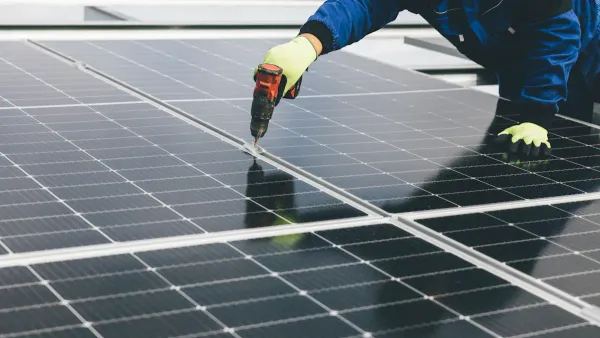
Solar energy is a key part of a sustainable future, and inverters are the heart of all solar panel systems. Solar panels generate DC electricity, but homes and the electrical grid use AC electricity. Inverters perform the essential task to convert dc to ac, making solar power usable. There are three main types of solar inverters, each with different applications.
- Grid-Tie Inverters: These inverters connect directly to the utility grid. They convert solar DC power to AC for use in the home. Any excess power is sent back to the grid. For safety, they automatically shut down during a grid outage to protect utility workers.
- Off-Grid Inverters: These are designed for standalone off-grid power systems. They draw DC power from a battery bank, which is charged by solar panels, and convert it to AC for home use. They do not connect to the utility grid.
- Hybrid Inverters: These combine the features of both grid-tie and off-grid inverters. They can send power to the grid, charge batteries, and provide a backup power source during an outage. This flexibility makes them a popular choice. For complex hybrid or off-grid applications, expert firms like
Nova Technology Company (HK) Limited, a HiSilicon-designated solutions partner, provide specialized system design and solutions.
The efficiency of inverters is critical, as it determines how much solar energy becomes usable electricity. Modern solar inverters are highly efficient.
| Inverter Type | Typical Efficiency |
|---|---|
| String Inverters | 97%+ |
| Microinverters | ~96% |
| High-Quality Pure Sine Wave Inverters | 90-95% |
The quality of the AC output, known as the waveform, is also important. A pure sine wave inverter produces clean, stable power identical to the grid. This is necessary for sensitive electronics like computers, modern TVs, and medical equipment. A modified sine wave inverter is a less expensive option suitable for simple appliances without motors. Choosing the right inverter ensures your solar panel systems perform safely and efficiently.
Inverters are the essential technology bridging DC power sources with everyday AC appliances. The dc to ac voltage conversion process unlocks key benefits for modern life. A dc to ac converter makes this power translation possible. Advanced inverters enable:
- Power Portability: Using DC power from batteries anywhere.
- Renewable Energy: Integrating solar DC power into the AC grid.
- Power Reliability: Ensuring stable AC power for sensitive devices.
The ability to convert dc to ac is fundamental. This dc to ac conversion makes flexible and resilient power solutions possible. The dc to ac converter and modern inverters are central to the future of energy for homes and businesses. A quality inverter ensures efficient dc to ac voltage conversion.
FAQ
How do I choose the right size inverter?
A person must calculate the total power needed. Add the wattage of all appliances that will run at the same time. Choose an inverter with a continuous power rating higher than this total. This ensures the device can handle the load without issues.
What does inverter efficiency mean?
Efficiency measures how much DC power an inverter converts into usable AC electricity. A high-efficiency rating means less power is lost as heat during conversion. High-quality electric inverters have an efficiency of over 90%, saving more energy.
Can all appliances run on any inverter?
No, some appliances need a specific type of power. Simple devices can use a modified sine wave inverter. Sensitive electronics require a pure sine wave inverter. This type produces clean electricity, similar to the grid, protecting the equipment.
Why are inverters important for solar power?
Solar panels produce DC electricity. Homes use AC electricity. Inverters are essential for any solar installation because they perform this conversion. They make the solar energy compatible with home appliances and the electrical grid, unlocking the power of solar technology.