Is the Micro to USB Connector Still Relevant in 2025?
Is the micro to usb connector still relevant? Yes, but its role is diminishing. This older usb connector remains essential f
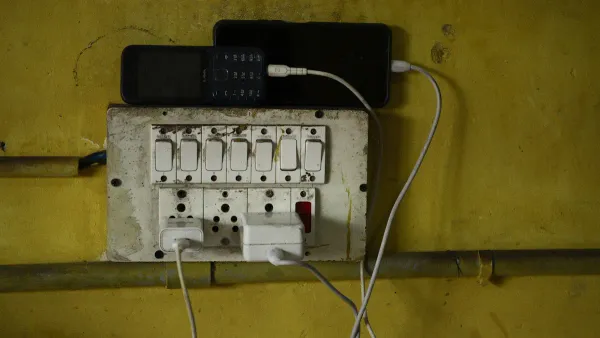
Is the micro to usb connector still relevant? Yes, but its role is diminishing. This older usb connector remains essential for countless existing devices. Manufacturers also use the micro usb connector in new, budget-friendly electronics due to its low-cost usb design.
However, the tech world is moving on. The USB-C connector is now the standard for most new mainstream devices, offering superior usb performance. This shift creates a clear divide in the world of usb technology.
Key Takeaways
- Micro USB connectors are still useful for many older devices and cheap new gadgets.
- USB-C is the new standard for most modern electronics because it is faster and more powerful.
- Governments want USB-C to be the only charging port to reduce waste and make things easier.
- You can use adapters to connect Micro USB devices to USB-C ports, but the speed will not change.
- When you buy new electronics, choose ones with USB-C ports for better performance and future use.
Why the Micro to USB Connector Endures
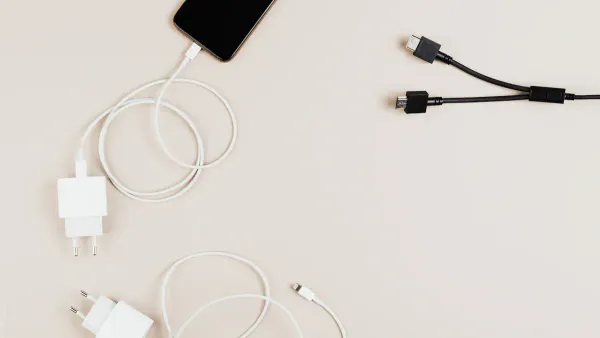
The micro to usb connector persists in 2025 for two primary reasons: its massive existing user base and its low manufacturing cost. Billions of electronic devices in homes and offices worldwide still rely on this port. For manufacturers, especially in the budget sector, the economic benefits of using a proven, inexpensive component are significant. This keeps the connector relevant even as newer technology becomes standard.
Powering Legacy Electronics
Many people own several devices that exclusively use a micro usb connector for power and data. These gadgets are still perfectly functional, creating a lasting need for the cable. Think about the sheer volume of electronics produced over the last decade. A huge number of these items are still in active use.
Common examples of these legacy devices include:
- Older Android phones and tablets
- E-readers like early Kindle models
- Portable Bluetooth speakers
- Many wireless headphones
- Gaming controllers (PlayStation 4, Xbox One)
- Portable power banks
- Rechargeable flashlights
- Some digital cameras
These devices were designed when the power requirements for charging smartphones and other electronics were much lower. The simple power delivery capabilities of the standard USB 2.0 interface were completely sufficient.
Note: The original USB standards associated with the Micro USB connector provided limited power. This was adequate for the devices of that era but falls short of modern fast-charging needs.
The technical specifications show this limitation clearly. The connector was not built for the high-wattage world of today.
| Feature | Specification |
|---|---|
| Power Delivery | Up to 2.5 watts |
A Staple in Budget-Friendly Tech
Cost is a major factor in manufacturing. The micro to usb connector is significantly cheaper to produce than its USB-C counterpart. The physical connector itself has fewer pins and a less complex assembly process. More importantly, the integrated circuits that manage USB power are simpler and less expensive.
This type of USB connector typically supports a basic 5-volt input. It does not require the sophisticated power negotiation chips that allow USB-C to offer variable voltages for rapid charging. For a company producing a low-cost Bluetooth mouse or a simple LED lamp, adding the expense of USB-C provides no real benefit to the user. The simpler design of the Micro USB connector helps keep the final product price down.
Use in Niche and Specialized Gadgets
Beyond mainstream consumer electronics, Micro USB holds a strong position in niche markets. Hobbyist electronics and do-it-yourself (DIY) development boards often use this connector for accessibility and cost reasons. These devices do not need the high-speed data transfer or advanced power delivery capabilities of USB-C.
A great example is the Raspberry Pi Pico W, a popular board for electronics enthusiasts. It utilizes a Micro USB B port for both power and programming. This choice makes it easy for hobbyists to connect the board to any computer with a common USB cable. For these specific applications, the simplicity of the Micro USB connector is a feature, not a drawback. It provides a reliable and inexpensive interface, making it one of the most practical types of usb connectors for this market.
The Shift to USB-C in Modern Devices
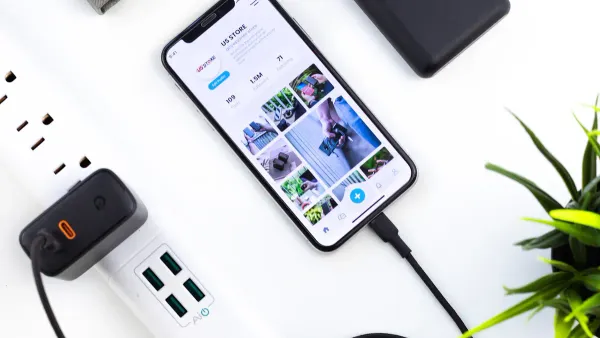
While the Micro USB connector holds its ground in legacy and budget markets, the industry's momentum is firmly behind USB-C. Modern devices are rapidly adopting this new standard. The transition is driven by superior technology, a global push for standardization, and unmatched user convenience. The USB-C connector represents a fundamental leap forward in how we connect and power our electronics.
USB-C's Technical Edge
The advantages of USB-C begin with its physical design. It features a symmetrical, 24-pin reversible connector. Users can plug it in correctly on the first try, eliminating a common frustration. The older micro usb connector has a non-reversible, 5-pin design that is notoriously fragile.
Users frequently report that the asymmetrical nature of the Micro USB plug makes it easy to damage the port by inserting the cable incorrectly or applying pressure. A mobile device repair technician noted they replace many broken Micro USB ports but have not yet had to replace a single USB-C port, highlighting the superior durability of the newer design.
This technical superiority extends to performance. The data transfer capabilities and power delivery capabilities of USB-C are vastly greater. The integrated circuits managing a USB-C port are far more complex than those for Micro USB, enabling a wider range of functions. A comparison of the underlying USB standards shows the dramatic difference in high-speed data transfer.
| USB Standard | Connector Type | Max Data Transfer Speed |
|---|---|---|
| USB 2.0 | Micro USB, USB-C | 480 Mbps |
| USB4 | USB-C | 40 Gbps |
The power delivery capabilities show an even more significant leap. This is where the complexity of the internal electronics truly shines. A standard Micro USB connection uses simple circuits for a fixed voltage, while USB-C uses sophisticated Power Delivery (PD) chips to negotiate the optimal power level for each device.
| Specification | Maximum Power Delivery |
|---|---|
| USB-C Power Delivery 3.1 | 240W |
| Standard 5V/2A Micro USB | 10W |
Furthermore, the advanced 24-pin structure of the USB-C connector supports Alternate Modes. This feature allows the USB cable to carry different types of data, such as DisplayPort for video or Thunderbolt for ultra-high-speed data and peripherals. This versatility turns a single USB port into a multi-functional docking station, a capability the simpler 5-pin Micro USB connector cannot offer.
The Push for a Universal Standard
Governments worldwide are accelerating the adoption of USB-C to reduce electronic waste and simplify life for consumers. The European Union has led this charge with a landmark regulation.
The EU's mandate, Directive (EU) 2022/2380, sets clear deadlines for manufacturers selling products in the region:
- December 28, 2024: Most new portable electronics, including smartphones, tablets, cameras, and headphones, must feature a USB-C charging port.
- April 28, 2026: The requirement will extend to laptops.
This regulation aims to create a truly universal charging solution. It is a major step toward a future with fewer cables.
The EU estimates that discarded and unused chargers generate more than 11,000 tons of e-waste each year. By standardizing the charging port, the law encourages charger reuse and is projected to save consumers up to €250 million annually.
This movement is not limited to Europe. Other major markets are following suit. India plans to mandate USB-C for new phones and tablets by June 2025, and California will require it on small electronics by 2026. This global pressure means that even companies initially resistant to the change, like Apple, must comply. A single regional rule has effectively influenced global product design for modern devices.
The Convenience of a Single Cable
For consumers, the most immediate benefit of the USB-C transition is simplicity. The dream of using a single cable for all your main devices is now a reality. Imagine packing just one USB-C cable and one power adapter to charge your laptop, tablet, and for charging smartphones. This eliminates the need to carry a tangled mess of different usb connector options.
This convenience is made possible by the USB Power Delivery standard. The intelligent chips inside a USB PD charger communicate with the connected device. The system negotiates the precise voltage and current needed, whether it's a high-power laptop or low-power earbuds. This smart power management ensures safe and efficient charging for all your devices from a single source.
This unified ecosystem stands in stark contrast to the past, where every gadget seemed to require its own unique charger. As more people upgrade their electronics, the benefits of having one of the most versatile types of usb connectors become increasingly clear. The USB-C standard simplifies daily life by reducing clutter and ensuring you always have the right cable on hand.
Managing Your Cables in 2025
Navigating the transition between usb standards requires a practical approach. Users can manage their collection of cables and devices with a few simple strategies. This ensures both old and new electronics remain useful.
Advice for Current Owners
People do not need to replace their functional legacy devices. A little organization makes managing older electronics easy. Keeping a few high-quality Micro USB cables on hand is a smart move. For added convenience, small adapters that convert a USB C plug to a Micro USB tip allow a single modern cable to charge multiple gadgets. The goal is to reduce clutter without creating unnecessary e-waste.
Tips for Buying New Tech
When purchasing new electronics, choosing the right usb connector is critical for future-proofing. The industry has clearly chosen a path forward. Mobile device manufacturers are adopting USB C to streamline their products. Devices without this modern port are increasingly seen as a drawback.
The technical advantages make it the superior choice. The advanced 24-pin design of the USB C connector supports vastly greater power delivery capabilities and data speeds. Personal tests show that charging times can be cut in half compared to a standard usb connection. This efficiency comes from complex integrated circuits that support high-wattage charging protocols. The connector is also more durable, rated for many more insertion cycles than its predecessor. These are the main types of usb connectors to consider.
Key benefits when buying new devices with a USB C port include:
- Faster Charging: Spend less time tethered to an outlet.
- Superior Durability: The robust, reversible connector resists wear and tear.
- All-in-One Versatility: A single usb cable can handle data, video, and power.
The micro to usb connector is not obsolete in 2025. It remains a legacy usb port for existing devices. Users should keep a few micro usb connector cables. However, prioritizing new devices with a USB C connector is wise. The superior power delivery capabilities of USB C ensure its dominance. The usb market's shift is clear. The USB-C market is projected to grow at a 4.3% rate annually through 2031, confirming the gradual replacement of the older usb standard. This usb growth solidifies its future.
FAQ
Should I still buy devices with a Micro USB port?
For new primary gadgets like phones, users should prioritize the USB-C connector. Its internal circuits offer better performance. However, buying a budget device with a Micro USB port is fine for simple tasks. The basic usb connection is adequate for low-power items like a wireless mouse or small lamp.
Why is USB-C faster than Micro USB?
The USB-C connector uses a complex 24-pin design and advanced integrated circuits. These components support modern usb protocols for high-speed data and power. The older 5-pin Micro USB connector has simpler internal electronics. This limits its usb capabilities to slower speeds and lower power levels.
Can I use an adapter for my Micro USB cable?
Yes, an adapter allows a Micro USB cable to plug into a USB-C port for basic charging.
However, the adapter does not upgrade the cable's performance. The speed is limited by the simple electronics of the Micro USB cable itself. The full power of a USB-C port requires a native USB-C usb cable.
Are all types of usb connectors disappearing?
No. While USB-C is becoming the main usb standard for consumer electronics, other connectors will remain. Specialized industrial, medical, and audio equipment often use different usb formats. The Micro USB connector will also survive for years in budget and legacy devices, showing the diverse world of usb technology.