Fantastic facts on direct current to alternating current conversion.
An inverter is a key device for modern power needs. The core function of a power inverter is simple: it performs direct curr

An inverter is a key device for modern power needs. The core function of a power inverter is simple: it performs direct current to alternating current conversion. An inverter uses tiny electronic switches. These switches rapidly flip the flow of direct current back and forth. This rapid switching creates a basic alternating current. The initial choppy output from the dc to ac process is then smoothed to create clean power. The demand for an efficient inverter and dc to ac technology is high.
Key applications for a high-efficiency inverter include:
- Renewable energy systems like solar panels.
- Electric vehicle powertrains and charging stations.
- Industrial motors and factory automation.
Key Takeaways
- An inverter changes direct current (DC) into alternating current (AC) using fast electronic switches.
- The quality of an inverter depends on the shape of its AC wave, with a pure sine wave being the best and safest for all electronics.
- Key parts of an inverter include an oscillator for timing, a transformer for voltage, and a filter for smoothing the power.
- A pure sine wave inverter protects devices, improves performance, and uses energy efficiently.
- Choosing the right inverter size means matching its power output to the total power needed by your devices.
The process of direct current to alternating current conversion

Fact 1: The conversion from DC to AC is a high-speed game of reversal.
The magic of direct current to alternating current conversion is not about creating new energy. It is about rapidly changing the energy's direction. An inverter accomplishes this task through a process of high-speed electronic switching. This fundamental process is the first key to understanding how a power inverter works.
Understanding DC vs. AC
To grasp how an inverter functions, one must first understand the two types of current.
Imagine electricity as traffic. Direct current (DC) is like a one-way street where all the traffic flows in a single, constant direction. Alternating current (AC), on the other hand, is like a two-way street where the flow of traffic periodically reverses, controlled by traffic lights.
Karl K. Berggren, a professor at MIT, explains that in direct current, electrons move in just one direction, creating a flat line on a graph. In alternating current, electrons switch their direction back and forth in a repeating cycle. This oscillation gives AC its name and its wave-like pattern.
The table below summarizes the key differences:
| Feature | Direct Current (DC) | Alternating Current (AC) |
|---|---|---|
| Electron Flow | Unidirectional (one way) | Bidirectional (changes direction) |
| Polarity | Fixed (positive and negative terminals do not change) | Varying (terminals flip between positive and negative) |
| Source Examples | Batteries, solar panels, phone chargers | Wall outlets, power grids |
This difference explains why certain devices use specific power types.
- Common DC Devices:
- Battery-powered electronics (smartphones, laptops)
- Electric vehicles
- Solar panel systems
- Common AC Devices:
- Household appliances (refrigerators, washing machines)
- Industrial motors
- Lighting and HVAC systems
An inverter bridges the gap, allowing DC sources to power AC devices.
The role of electronic switching
So, how does an inverter force one-way direct current to behave like two-way alternating current? The answer lies in electronic switching. The core of most dc to ac inverter designs is a circuit called an H-bridge.
An H-bridge is an electronic circuit that enables a voltage to be applied across a load in either direction. It uses four switches arranged in a shape that resembles the letter "H". This configuration is fundamental for most dc to ac converters and other power electronics.
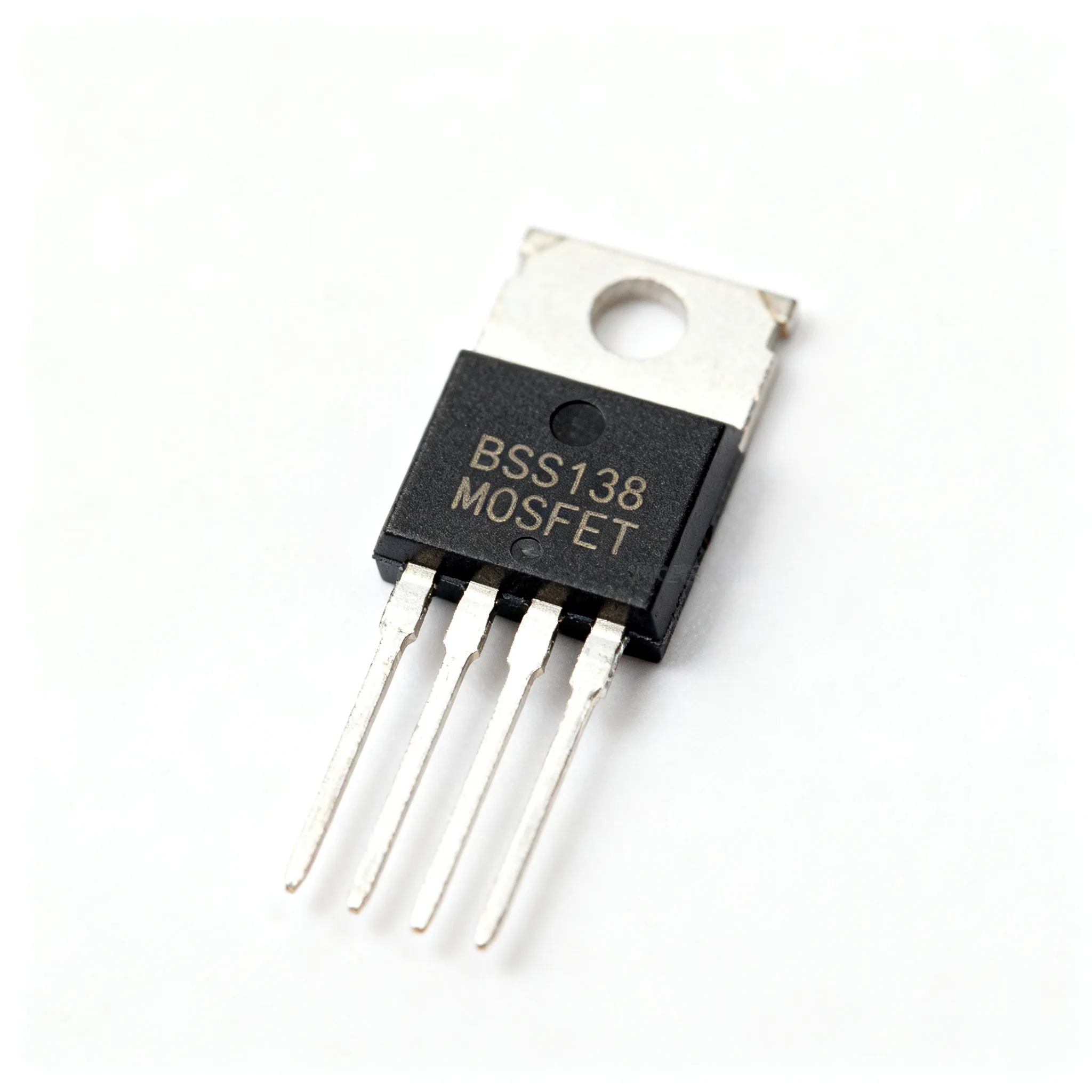
These are not physical, mechanical switches. Instead, the inverter uses fast-acting electronic switches called transistors. A common type used in a modern inverter is the MOSFET (Metal-Oxide-Semiconductor Field-Effect Transistor). These components can turn on and off at incredible speeds.
By controlling which switches in the H-bridge are open or closed at any moment, the inverter can reverse the flow of electricity through the load. It does this dozens of times per second. This rapid reversal chops up the steady dc to ac, creating a basic form of alternating current.
The speed of these switches is remarkable.
- MOSFETs in a modern inverter can switch at frequencies over 100,000 times per second (100 kHz).
- They can turn on or off in as little as 20 nanoseconds.
This high-frequency switching is crucial. It allows the inverter to process current very quickly, which helps reduce the size and weight of other internal components. This efficiency is a key goal in the process of direct current to alternating current conversion.
Inverter waveforms: From square to pure sine
Fact 2: The shape of the alternating current wave determines an inverter's quality and safety.
The rapid switching inside an inverter chops up the steady direct current. This process creates a new electrical signal. However, not all signals are created equal. The shape of this new alternating current wave, or waveform, is the biggest difference between a cheap inverter and a high-quality one. The waveform's quality directly impacts which devices you can safely power.
The basic square wave
The simplest inverter creates a square wave. The electronic switches simply flip the voltage from full positive to full negative. This creates a very blocky, abrupt signal. It is the most basic way to create alternating current.
This method is not very efficient. Square wave inverters have the lowest efficiency, partly because their high harmonic content creates wasted energy as heat. While overall inverter efficiencies can range from 85% to 95%, the square wave design sits at the bottom of this scale.
⚠️ Warning: Risk to Electronics A square wave's harsh nature can damage or destroy many modern electronics. It is a low-quality waveform that is not ideal for most appliances.
Devices at risk from a square wave inverter include:
- Laptops and televisions
- Appliances with digital displays or AC motors (microwaves, refrigerators)
- Sensitive medical devices
- Laser printers and some cordless drill chargers
The improved modified sine wave
A modified sine wave is a step up from a square wave. An inverter producing this wave adds pauses between the positive and negative shifts. This creates a "stair-step" shape that better approximates a smooth curve. This type of inverter offers a compromise between cost and performance.
However, it is still a distorted signal. This distortion is measured as Total Harmonic Distortion (THD), which represents unwanted electrical noise. A modified sine wave inverter often has a THD rating between 12% and 25%, and sometimes even higher. This high distortion can cause problems.
This type of inverter has significant limitations with sensitive electronics.
- It may cause buzzing sounds in audio equipment or flickering in LED lights.
- Appliances with motors can run hotter, louder, and less efficiently.
- Sensitive devices like laptops or medical equipment (such as CPAP machines) may glitch, malfunction, or suffer a shortened lifespan.
For these reasons, a modified sine wave inverter is suitable for simple resistive loads like basic lights or fans but is not recommended for critical or sensitive applications.
Creating a pure sine wave
The ideal output for an inverter is a pure sine wave. This is a smooth, clean wave identical to the power supplied by a utility grid to a wall outlet. It is the highest quality of alternating current and is safe for all electronics.
An advanced inverter creates this perfect wave using a technique called Pulse Width Modulation (PWM).
- The inverter's electronic switches turn on and off thousands of times per second.
- The controller varies the width of these on-off pulses. Pulses are wider near the peak of the wave and narrower near the zero point.
- An internal filter then smooths out these rapid pulses.
The result is a clean, stable pure sine wave with a very low THD, typically under 5%. This clean power ensures all devices operate correctly, efficiently, and safely. Using a pure sine wave inverter offers many benefits, especially for appliances with AC motors.
- Protects Appliances: It prevents excessive heat and motor humming, extending the life of equipment like refrigerators and air conditioners.
- Improves Performance: It eliminates buzzing noises and flickering lights, allowing devices to function as designed.
- Increases Efficiency: The smooth waveform leads to more effective electricity usage, which reduces energy consumption and can result in longer battery life.
- Ensures Compatibility: It offers seamless compatibility with all appliances, from microwaves and washing machines to sensitive televisions and medical gear.
Ultimately, a pure sine wave inverter provides the reliability and safety needed to power any device without worry.
The core components for DC to AC power
Fact 3: An inverter relies on a team of core components working in perfect harmony.
An inverter is more than just switches. It is a system of specialized parts that must work together to perform the direct current to alternating current conversion. Companies like Nova Technology Company (HK) Limited, a HiSilicon-designated (authorized) solutions partner, specialize in designing solutions with these precise components. Three key parts form the foundation of every dc to ac inverter: the oscillator, the transformer, and the filter.
The oscillator and timing
The oscillator is the pacemaker of the inverter. It creates a steady, timed signal that tells the electronic switches when to open and close. A common design uses a transistor-based multivibrator circuit to generate a basic square wave. This signal acts as the timing reference for the entire dc to ac process. To produce the standard frequency used in wall outlets, the inverter uses a precise system.
- For a 60Hz output, a 4.9152MHz crystal's frequency is divided down to 600Hz and then divided again by 10.
- For a 50Hz output, a 4.096MHz crystal's frequency is divided down to 500Hz and then divided again by 10.
This precision ensures the output alternating current matches the requirements of your devices.
The transformer and voltage
After the oscillator sets the timing, the transformer adjusts the voltage. The initial direct current from a battery is usually low voltage (e.g., 12V). The transformer steps this up to the standard household voltage (e.g., 120V or 230V). Modern transformers in a power inverter are highly efficient.
| Type of Transformer | Typical Efficiency |
|---|---|
| Transformer-Based Inverter | ~94% - 96% |
| Power (>10 MVA) | 98.5% – 99.8% |
This high efficiency minimizes energy loss as heat, making the inverter more effective.
The filter and smoothing
The final and most critical component is the filter. The signal coming from the switches and transformer is still choppy. The filter's job is to smooth this rough waveform into a clean pure sine wave.
An LC filter, which uses an inductor (L) and a capacitor (C), is fitted to the output. Its purpose is to produce a sinusoidal voltage from the high-frequency switched signal.
The inductor and capacitor work together to remove unwanted noise. The inductor blocks high-frequency spikes, while the capacitor smooths out voltage ripples. Without a proper filter, the output power would be distorted, which could damage sensitive electronics. A well-designed filter is essential for a high-quality inverter.
The secret to direct current to alternating current conversion is clever engineering. An inverter uses electronic switches to rapidly reverse the one-way flow of dc to ac power. This action creates a basic alternating current.
The key difference between a basic inverter and a high-end inverter is how well it smooths this initial, choppy current. A quality inverter creates a clean "pure sine wave." This pure sine wave inverter is safer for all electronics. A less efficient inverter, like a modified sine wave inverter, wastes more dc to ac power as heat. A superior inverter achieves over 90% efficiency, protecting your devices.
FAQ
Which inverter type is best for electronics?
A pure sine wave inverter is the best choice. It produces clean power identical to a wall outlet. This protects sensitive electronics like laptops and medical devices. Modified sine wave inverters can cause issues or damage to these items.
What does inverter efficiency mean?
Inverter efficiency measures how much DC power converts to usable AC power. A 90% efficient inverter turns 100 watts of DC power into 90 watts of AC power. The remaining 10 watts become heat. Higher efficiency means less wasted energy.
Can an inverter drain a car battery? 🚗
Yes, an inverter draws power from a car battery. Using an inverter for a long time without the engine running can drain the battery. It is important to monitor battery levels to avoid being stranded.
Tip: For heavy use, it is best to run the car's engine periodically. This allows the alternator to recharge the battery.
How does someone choose the right size inverter?
An inverter's size is measured in watts. A person should add up the wattage of all devices they plan to power at once. It is wise to choose an inverter with a continuous power rating higher than this total to ensure safe operation.