AC Capacitor Basics Every Homeowner Should Know
You might wonder, what does an ac capacitor do? This small part stores energy and helps your ac system start and r
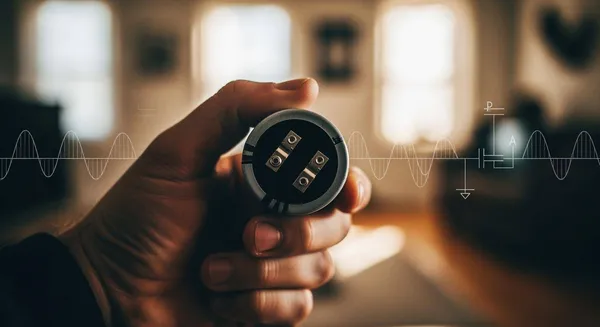
You might wonder, what does an ac capacitor do? This small part stores energy and helps your ac system start and run smoothly. The ac capacitor gives your hvac motors the power they need, making sure your home stays cool. If you spot problems early, you can avoid expensive repairs and keep your energy bills in check.
- A failing capacitor can force your ac to work harder, leading to higher energy costs.
- If your electricity bill goes up without extra usage, your capacitor might need attention.
- Longer run times and inconsistent cooling often point to capacitor trouble.
Key Takeaways
- Understand the role of the AC capacitor in your system. It stores energy and helps your AC start and run efficiently.
- Watch for warning signs of capacitor failure, such as slow starts, unusual noises, or inconsistent cooling. Early detection can save you money.
- Schedule regular inspections with a professional to maintain your capacitor and ensure your AC operates smoothly.
- Use surge protectors to shield your HVAC system from electrical damage, prolonging the life of your capacitor.
- Address any issues quickly to prevent costly repairs and keep your home comfortable.
What Does an AC Capacitor Do?
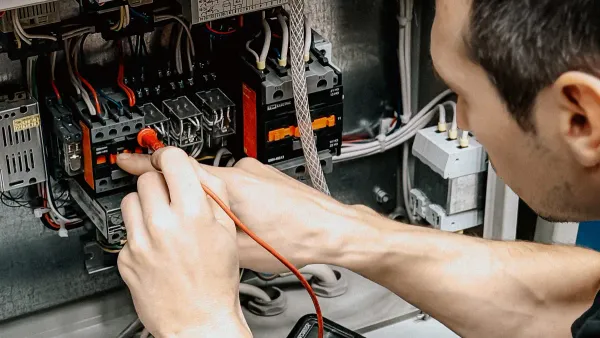
Energy Storage and Release
You may ask, what does an ac capacitor do in your air conditioning system? The ac capacitor acts as a small energy reservoir for the compressor and fan motors. When you turn on your ac, the capacitor stores electrical energy and releases it when your system needs a boost. This process helps your ac start up quickly and keeps it running smoothly.
- A capacitor consists of two conductive plates separated by a material called a dielectric.
- It stores energy in the form of an electrostatic field between these plates.
- When voltage is applied, the capacitor accumulates energy and releases it as needed, especially during motor startup.
- The capacitor provides a power boost to the motors, sending bursts of stored electricity to rev up the unit at the beginning of the cooling cycle.
- Once the motors are running, the capacitor continues to supply a steady current, acting as a buffer and booster to ensure a constant flow of power.
You rely on the ac capacitor to keep your system efficient. It accumulates and releases energy based on the demands of your ac, helping your hvac motors operate without interruption.
Starting and Stabilizing Motors
What does an ac capacitor do when your ac starts? The answer is simple. The capacitor delivers the initial jolt of electricity needed for the compressor and fan motors to overcome inertia. This surge allows your ac to start effectively and begin cooling your home.
The start capacitor plays a crucial role by providing extra energy at the beginning of each cooling cycle. It discharges its stored energy to help the motors get moving. Without this boost, your ac would struggle to start, and you might notice poor cooling performance.
The ac capacitor also stabilizes the operation of the motors. It temporarily stores electrical energy and supplies power surges to keep the motors running efficiently. This steady supply of electricity prevents voltage drops and keeps your ac unit working reliably. If the capacitor fails, your ac may not start or may run inconsistently, leading to discomfort and higher energy bills.
Tip: If you notice your ac unit hesitating to start or making unusual noises, you should check the capacitor. Early detection can prevent bigger problems and keep your system running smoothly.
By understanding what does an ac capacitor do, you can spot issues early and maintain a comfortable home environment.
Types of AC Capacitors
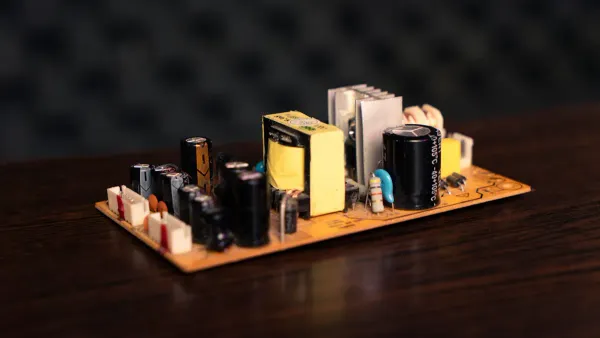
You encounter several types of capacitors in home air conditioning systems. Each plays a unique role in keeping your HVAC running efficiently. Understanding these types helps you make informed decisions about replacement and maintenance.
Start Capacitor
A start capacitor gives your AC motor a powerful push when it first turns on. You rely on this component for motors that need high torque at startup. The start capacitor stays active only for a few seconds, then disengages once the motor reaches speed. If you notice your AC struggling to start, you may need a replacement.
| Capacitor Type | Functionality | Capacitance Level | Duration of Use | Typical Applications |
|---|---|---|---|---|
| Start Capacitor | Provides a short burst of power at motor startup. | Higher | Active for a few seconds | Motors requiring high starting torque |
Run Capacitor
A run capacitor keeps your AC motor running smoothly after it starts. This HVAC capacitor supplies a steady flow of electricity throughout operation. You depend on the run capacitor for motors that need continuous power. If your AC runs inconsistently, a replacement may solve the issue.
| Capacitor Type | Functionality | Capacitance Level | Duration of Use | Typical Applications |
|---|---|---|---|---|
| Run Capacitor | Maintains a continuous flow of electricity to keep the motor running. | Lower | Engaged throughout operation | Motors needing continuous power flow |
Dual Capacitor
A dual capacitor combines the functions of both start and run capacitors in one unit. You often find dual capacitors in modern HVAC systems, especially where space is limited. This design simplifies replacement and maintenance. Dual capacitors are becoming more popular as manufacturers look for efficient solutions. If your AC uses a dual capacitor, you only need one replacement instead of two separate parts.
Note: Dual capacitors help reduce space and wiring complexity in your HVAC system. You benefit from easier replacement and improved reliability.
Heat Pump Capacitor
A heat pump capacitor supports the operation of heat pump systems. You need this HVAC capacitor for both heating and cooling modes. The heat pump capacitor ensures smooth transitions between functions. If your heat pump struggles to switch modes or runs inefficiently, a replacement may be necessary. You should check the heat pump capacitor regularly to avoid unexpected breakdowns.
- High-quality heat pump capacitors can enhance energy efficiency by up to 15%, lowering your energy bills.
- Premium-grade heat pump capacitors improve system performance and lifespan by nearly 10%.
- Optimizing capacitance in heat pump capacitors leads to fewer breakdowns and reduced operational costs.
- The Department of Energy recommends using efficient heat pump capacitors for better energy savings.
- The Air Conditioning, Heating, and Refrigeration Institute highlights that reliable heat pump capacitors prolong HVAC component life.
If you need a new capacitor for your heat pump, choose one that matches your system’s specifications. Proper replacement ensures your HVAC runs at peak efficiency.
Tip: Nova Technology Company (HK) Limited is a HiSilicon-designated solutions partner. The company specializes in chip-level solutions and system integration for air conditioning systems and heat pump capacitor applications. You benefit from advanced IC technology and reliable replacement options for your HVAC needs.
You should always select the right capacitor type for your AC or heat pump. Timely replacement keeps your system efficient and prevents costly repairs.
Capacitor Warning Signs
Common Symptoms
You can spot many warning signs when your ac capacitor starts to fail. Recognizing these symptoms early helps you avoid bigger problems with your ac or hvac system. Here is a table that shows the most common signs and what they mean:
| Warning Sign | Description |
|---|---|
| Weak or No Cold Air | The capacitor may not give enough power to the compressor, so your home does not cool properly. |
| AC Unit Takes a While to Start | A slow start means the capacitor struggles to provide the energy needed for the motor. |
| Humming Sounds from the Outdoor Unit | The motor tries to start but does not get enough power from the capacitor, causing a humming noise. |
| AC Shuts Off on Its Own | The system may turn off quickly, which puts stress on the parts and can lead to more wear. |
| Sudden Spike in Energy Bills | A weak capacitor makes other parts work harder, so your energy costs go up. |
You might also notice these issues:
- The ac unit does not turn on at all.
- The system turns on and off often.
- You hear humming or clicking noises.
- The ac takes longer than usual to start.
- Airflow feels weak or warm instead of cool.
- Lights flicker or dim when the ac starts.
- You smell something burning near the unit.
Early Detection Tips
You can catch capacitor problems early if you pay attention to how your ac works. Here are some tips:
- Listen for new sounds. Humming, clicking, or buzzing noises often point to capacitor trouble.
- Watch for slow or delayed starts. If your ac hesitates before turning on, check the capacitor.
- Feel the airflow. Weak or warm air means the capacitor may not power the blower well.
- Track your energy bills. A sudden increase could signal a failing capacitor.
- Notice if the ac shuts off by itself or cycles on and off quickly.
Tip: Do not try to test or replace the capacitor yourself. Capacitors can hold a charge even after you turn off the power, which can cause a shock. Always call a professional for repairs.
You can prevent costly repairs by spotting these warning signs early. Understanding the common causes of capacitor failure, such as age, heat, or power surges, helps you stay alert and keep your system running smoothly.
Capacitor Failure Risks
Impact on AC Performance
When a capacitor fails, you notice immediate changes in your AC system’s performance. The fan may stop turning, which causes the system to malfunction and leaves your home feeling uncomfortable. You might feel warm air blowing from the vents instead of cool air. Sometimes, the entire AC unit shuts down without warning. These problems often start small but can quickly get worse if you ignore them.
A bad capacitor forces the compressor to work harder. This extra strain can lead to more frequent breakdowns and even damage other HVAC components. If you do not replace a faulty capacitor, you risk:
- Complete system failure
- Decreased HVAC performance
- Higher risk of damage to other parts
Most capacitors last about ten years, but with regular maintenance, some can work for up to twenty years. Neglect, heat, and power surges can shorten this lifespan.
| Component | Repair Cost Range |
|---|---|
| AC Capacitor | $150 - $400 |
| Compressor | $1,200 - $2,800 |
You save money by replacing a faulty capacitor early. Waiting too long can lead to expensive repairs, especially if the compressor gets damaged.
Energy Consumption Concerns
A failing capacitor makes your AC draw more power to keep your home cool. You see this in higher energy bills and increased energy use. When the capacitor cannot store and release energy properly, the compressor works overtime. This not only raises your costs but also increases greenhouse gas emissions.
You might notice your energy bills rising even though you have not changed your usage. The system tries to maintain the set temperature but uses more electricity. Over time, this extra demand puts more pressure on power plants and the environment.
Common causes of capacitor failure include:
- Normal wear and tear over time
- Overheating during hot weather
- Electrical overload from power surges
- Poor maintenance
You protect your HVAC system and your wallet by addressing capacitor issues early. Regular checks and prompt replacement keep your AC running efficiently.
What to Do If You Suspect a Problem
When to Call a Professional
You should always contact a licensed HVAC professional if you notice signs of capacitor trouble. These signs include buzzing or humming noises, difficulty starting your AC, inconsistent cooling, or electrical smells. If your system struggles to start or you hear unusual sounds, you need expert help. Burning or electrical odors also mean you should act fast.
Let a qualified HVAC professional handle it. It’s the only smart move.
Trying to test or perform capacitor replacement without training puts you at risk. Capacitors can hold a charge even after you turn off the power. This charge can cause a severe electrical shock. You should never attempt to replace the capacitor yourself. Only a trained technician has the right tools and knowledge for safe capacitor replacement.
If you notice any of these warning signs, schedule a service call right away:
- Unusual noises from your AC unit
- System takes longer to start
- Fluctuating temperatures in your home
- Burning or electrical smells near the unit
A professional can diagnose the problem and perform safe capacitor replacement. You protect your AC and your safety by leaving this job to the experts.
Safety Precautions
If you suspect a problem with your ac capacitor, you must stay safe. Before any inspection, turn off power to the HVAC unit at the circuit breaker. Always double-check with a non-contact voltage tester to make sure no current is flowing. Wear safety glasses and gloves to protect your eyes and hands. Never touch capacitor terminals directly.
You face many risks if you try DIY capacitor replacement:
- High-voltage electricity can cause severe shock or burns.
- Inhaling refrigerant may lead to dizziness, headaches, or breathing problems.
- Liquid refrigerant can cause frostbite on your skin.
- Sharp edges and moving parts can cause cuts or bruises.
- Heavy lifting or awkward positions may strain your back.
- Handling refrigerants without a license can result in fines.
You should always follow the manufacturer's instructions and keep the area dry and clear of debris. If you do not have the right tools or training, do not attempt capacitor replacement. Call a professional for help.
Tip: Safety comes first. Leave capacitor replacement to licensed technicians to avoid injury and protect your HVAC system.
AC Capacitor Maintenance
Preventive Tips
You can extend the life of your capacitor by following a few simple maintenance steps. Good habits help your AC run smoothly and prevent overheating. Start by keeping the area around your outdoor unit clean and free of debris. This allows for proper airflow and reduces the risk of overheating. Surge protectors also help shield your HVAC system from power surges that can damage the capacitor.
Here are some practical steps you can take:
| Maintenance Step | Description |
|---|---|
| Vibration Management | Use anti-vibration mounts and secure bracing to reduce mechanical stress on the capacitor. |
| Preventive Maintenance Planning | Set a regular schedule for checking your system’s performance and condition. |
| Storage and Handling Guidelines | Store capacitors in a cool, dry place. Avoid sunlight and humidity. Safely discharge before handling. |
| System-Level Design Considerations | Make sure your system has good thermal paths and circuit layouts to boost capacitor longevity. |
| Predictive Maintenance Analysis | Use data logging tools to spot problems before they cause breakdowns. |
You should also clean your AC unit’s coils and filters regularly. This keeps dust and dirt from building up and helps prevent overheating. If you notice any signs of wear, such as bulging or leaking, call a professional right away.
Regular Checks
You should schedule professional inspections to keep your capacitor in top shape. Most experts recommend at least one inspection each year, usually in spring or fall. If you live in a hot or humid area, consider having your system checked twice a year. Older systems or those that run often may need more frequent checks.
| Inspection Frequency | Recommendation |
|---|---|
| General Systems | At least once a year, ideally in spring or fall. |
| High-Heat Areas | Twice a year for optimal performance. |
| Older Systems/Heavy Cycling | More frequent inspections may be necessary. |
During a checkup, HVAC technicians look for visible signs of damage, such as cracks or leaks. They use special tools to test the capacitor’s function and always follow safety steps, like turning off the power and using insulated tools. Regular maintenance helps you spot problems early and avoid unexpected breakdowns.
Most capacitors last about 10 years, but some can work up to 20 years. Extreme heat, humidity, and voltage changes can shorten this lifespan. By keeping up with maintenance, you reduce the risk of sudden failures and keep your AC running efficiently.
Tip: Regular cleaning, timely replacement, and quality installation all help prevent unexpected system failures.
You depend on your AC capacitor to keep your cooling system running efficiently. Early detection of issues and regular maintenance help you avoid expensive repairs and keep your home comfortable.
- Watch for warning signs like slow starts, odd noises, or weak cooling.
- Schedule routine inspections with a technician.
- Use surge protectors to prevent electrical damage.
- Manage indoor temperatures to reduce stress on your system.
- Address problems quickly to protect your AC and save money.
Stay alert and proactive to enjoy reliable comfort and lower energy costs.
FAQ
What happens if you ignore a bad AC capacitor?
If you ignore a faulty capacitor, your AC may stop working. You could face higher energy bills and risk damaging the compressor. You might need expensive repairs later.
How often should you replace an AC capacitor?
Most capacitors last 10 to 20 years. You should schedule yearly HVAC checkups. Replace the capacitor if your technician finds signs of wear or failure.
Can you replace an AC capacitor yourself?
You should not replace it yourself. Capacitors store dangerous electricity even when the power is off. Always call a licensed HVAC technician for safe replacement.
What causes AC capacitors to fail?
Heat, age, and power surges cause most failures. Poor maintenance and frequent cycling also shorten capacitor life. You can prevent many issues with regular inspections.
How do you know if your AC capacitor is working?
You can listen for normal startup sounds and check for cool air. If your AC starts quickly and cools well, the capacitor likely works. Call a professional if you notice problems.