A 2025 Guide to Run Capacitors in Electronic Systems
A run capacitor continuously regulates current to a motor's windings, ensuring smooth operation in single-phase AC systems.
A run capacitor continuously regulates current to a motor's windings, ensuring smooth operation in single-phase AC systems. Its primary purpose is to create a phase-shifted current. This action maintains the rotating magnetic field required for constant motor torque. This small capacitor is fundamental to a system's power management, overall stability, and performance. As the AC electric motor market is projected to reach USD 18,974.17 million in 2025, the efficient use of power in these devices becomes increasingly important.
Key Takeaways
- A run capacitor helps single-phase AC motors work smoothly. It creates a special electrical field that keeps the motor spinning.
- Always match the new capacitor's capacitance (µF) exactly to the old one. The voltage (VAC) can be the same or higher for safety.
- A bad capacitor can make a motor hum loudly or not start. Look for a swollen top or leaks on the capacitor.
- If a capacitor's capacitance is too low or too high, the motor can overheat and get damaged. Always use the correct size.
The Role of a Run Capacitor
A run capacitor is essential for the continuous operation of single-phase AC motors. It performs several critical functions that ensure the motor runs smoothly, efficiently, and reliably. Understanding these roles is key to appreciating its importance in any electronic system.
What is a Capacitor?
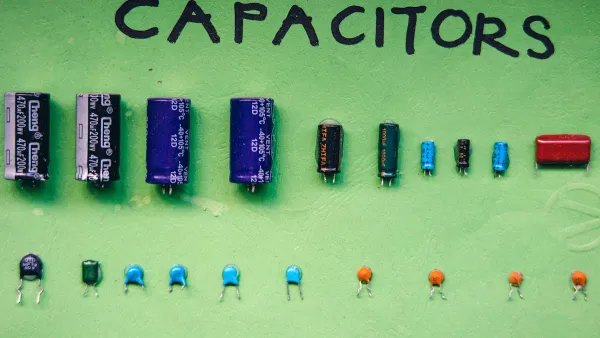
At its core, a capacitor is a component designed for energy storage and supply. It is one of the most fundamental capacitor applications in electronics. The principle of how a capacitor works is straightforward.
A capacitor draws energy from a power source and stores it in an electric field. Inside, two metal plates are separated by a non-conducting material called a dielectric. When activated, the capacitor can release this stored energy very quickly.
This ability to charge and discharge makes the capacitor a dynamic part of a circuit. The amount of charge it can hold is its capacitance, measured in Farads (F). The capacitance depends on the plate size, the distance between them, and the dielectric material. A higher capacitance means more energy can be stored at a specific voltage. This concept of how a capacitor works is vital for its role in motor operation.
Creating a Phase Shift for Motor Torque
Single-phase AC motors need a rotating magnetic field to run. A run capacitor helps create this field. The capacitor is placed in a circuit with an auxiliary motor winding. It causes the current in that winding to be out of phase with the current in the main winding. This phase difference creates two magnetic fields that peak at different times. The interaction between these fields produces a consistent rotating magnetic field, which generates the steady torque needed to keep the motor spinning. This process provides constant power to the motor.
Power Factor Correction and Efficiency
Motors are inductive loads, which can cause the current in a circuit to lag behind the voltage. This inefficiency is measured by the power factor, which is the ratio of real power (doing work) to apparent power (total power supplied). A low power factor means energy is wasted. A run capacitor corrects this by introducing a leading current that counteracts the motor's lagging current. This action brings the circuit's current and voltage closer in phase, improving the power factor. A better power factor reduces the total power drawn from the source, increasing overall system efficiency and lowering energy costs.
Run vs. Start Capacitors
It is important not to confuse a run capacitor with a start capacitor. While both help motors, they have different designs and purposes. A start capacitor provides a large burst of power for a few seconds to get the motor started, while a run capacitor operates continuously. Their construction and capacitance ratings reflect these different duties.
| Feature | Start Capacitor | Run Capacitor |
|---|---|---|
| Duty Cycle | Intermittent (seconds only) | Continuous Duty |
| Capacitance | High (e.g., 70-300 µF) | Low (e.g., 1.5-100 µF) |
| Construction | Electrolytic | Oil-filled or Film |
| Purpose | Provides starting torque | Maintains running torque |
Understanding these differences is crucial for selecting the correct component for repair or design.
How to Specify a Run Capacitor
Selecting the correct run capacitor is critical for motor performance and system longevity. A technician or designer must evaluate several key specifications to ensure a replacement part functions correctly and safely. This process involves reading the original component's markings and understanding the physical requirements of the hardware.
Reading Component Markings (µF & VAC)
The information printed on the side of a capacitor provides all the necessary details for its specification. The two most important values are the capacitance and the voltage rating.
- Capacitance (µF): This value, measured in microfarads (µF), indicates the amount of charge the capacitor can store. The capacitance directly affects the phase shift and the amount of power delivered to the motor's auxiliary winding. A motor requires a precise capacitance value to generate the correct torque and run efficiently.
- Voltage (VAC): This value, measured in Volts AC, represents the maximum voltage the capacitor can safely handle. This is a critical safety rating. Exceeding this voltage can cause the capacitor to fail, sometimes catastrophically.
Most capacitors also list a tolerance rating. This indicates how much the actual capacitance can vary from its printed value.
Run capacitors typically have a tolerance specified as +/- 5% to 10%. For most motors, an actual capacitance value within 10% of the rated value is acceptable. Some manufacturers may even specify different positive and negative tolerances, such as +10%/-5%, so it is important to read the label carefully.
Physical Case and Terminal Types
Beyond the electrical ratings, the physical characteristics of the capacitor are essential for a proper fit. A replacement capacitor must fit within the space allocated in the system's chassis. The most common case shapes for these components include:
- Round metal cans
- Oval metal cans
These shapes are available for both single and dual-run capacitors. A dual-run capacitor is a component that combines two capacitors into one package, often used in HVAC systems for the fan and compressor motors. The terminals on top of the capacitor must also match the connectors used in the system's circuit. Most use standard spade connectors, but verifying the number and arrangement of terminals is a necessary step.
Selecting a Modern Replacement
When an original capacitor fails, selecting a modern replacement requires a methodical approach. Using a high-quality, correctly specified part ensures the system returns to optimal performance. For 2025 and beyond, technicians should follow a standard checklist to guarantee a successful replacement.
The 2025 Standard: Replacement Checklist
- Match the Capacitance (µF) Exactly. The capacitance of the new capacitor must be identical to the original. A mismatch, even a small one, can lead to poor motor performance or excessive power consumption. If the capacitance rating is too low, the motor will not run efficiently and may overheat. If the capacitance is too high, it can strain the motor windings, shorten the motor's lifespan, and also cause overheating.
- Meet or Exceed the Voltage (VAC) Rating. Choosing a replacement capacitor with an equal or higher voltage rating is crucial for safety. A higher voltage rating provides a greater safety margin. However, using a capacitor with a lower voltage rating is dangerous and can lead to component failure or system damage. When in doubt, always select a capacitor with a higher voltage rating.
- Verify Physical Fit. The new capacitor must fit securely in the mounting bracket, and its terminals must align with the circuit wiring. Always measure the height and diameter (or width and depth) of the old capacitor.
- Choose a Modern Dielectric. For continuous duty applications, non-polarized, AC-rated metalized film capacitors are the modern standard. They offer excellent reliability and a long service life.
For sourcing high-quality electronic components that meet these modern standards, professionals often turn to established solution partners. For instance, Nova Technology Company (HK) Limited is a HiSilicon-designated partner known for providing reliable electronic solutions.
System Impact of Capacitor Failure

A failing run capacitor can significantly degrade system performance and lead to motor failure. Technicians can identify a faulty component by observing specific symptoms, understanding the effects of incorrect sizing, and performing targeted troubleshooting.
Symptoms of a Failing Capacitor
A failing capacitor often provides clear audible and visual warnings. A motor might hum without starting or buzz loudly as it struggles to draw consistent power. These sounds indicate the capacitor is no longer providing the correct electrical support. Visual inspection can also reveal problems.
- Bulging or Swollen Top: Gas buildup inside a failing capacitor causes its metal case to swell. The top should be flat.
- Leaking Fluid: A damaged capacitor may leak electrolyte, which looks like a brown, crusty residue.
- Discoloration: Brown or black marks on the capacitor case suggest heat damage.
If a motor's capacitor fails, the motor might run with reduced power, leading to overheating and eventual breakdown.
Consequences of Incorrect Sizing
Using a replacement with the wrong capacitance value will damage the motor. The new part's capacitance must match the original specification exactly.
If the replacement's capacitance is too low, the motor will lack sufficient torque. This condition causes the motor to overheat and can lead to a complete burnout.
If the replacement's capacitance is too high, it creates excessive current in the motor's auxiliary winding. This also causes overheating, noisy operation, and increased energy usage, which shortens the motor's life.
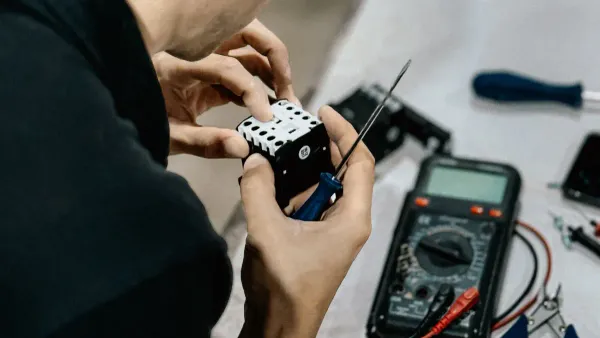
Troubleshooting with a Multimeter
A technician can confirm a faulty capacitor using a multimeter with a capacitance function. Before testing, safety is the top priority. The capacitor must be fully discharged because it can hold a dangerous electrical charge even when the circuit has no power.
- Turn off power to the device and unplug it.
- Safely discharge the capacitor by placing a 20k Ohm, 5-watt resistor across the terminals for a few seconds.
- Verify the discharge by setting a multimeter to DC voltage and confirming the reading is near zero volts.
After discharging, a technician can test the capacitance. They set the multimeter to the capacitance (µF) mode and connect the probes to the capacitor terminals. The measured capacitance should be within the tolerance printed on the component, typically +/- 10%. A reading far outside this range confirms the capacitor is faulty and needs replacement.
The run capacitor is a critical component influencing motor performance, efficiency, and lifespan. As industries adopt higher IE4 efficiency standards and sustainable materials, the role of this capacitor in reducing energy use becomes even more important. Understanding how to correctly specify, select, and troubleshoot this part is a vital skill. Proper maintenance, including capacitor replacement, directly impacts system reliability and energy consumption, ensuring hardware remains efficient and durable for years to come.
FAQ
Can a person use a capacitor with a different capacitance?
A person must not use a capacitor with a different capacitance. The motor requires a specific capacitance for correct operation. An incorrect capacitance value changes the motor's performance. This wrong capacitance can cause overheating and damage. The new part's capacitance must match the original capacitance.
Why is a higher voltage rating acceptable?
A higher voltage rating is safe because it represents a maximum limit. The capacitor can handle any voltage up to that number. This provides a better safety margin. The system's voltage will not exceed the new part's limit. The capacitance, not the voltage, must be an exact match.
How long does a run capacitor last?
A run capacitor typically lasts for many years. Its lifespan depends on usage and operating temperature. High temperatures can shorten its life. A technician should check the capacitance during regular maintenance. A significant drop in capacitance indicates the part is failing and needs replacement.
💡 Pro Tip: Always check the capacitance of a new capacitor before installation. Even new parts can have a capacitance outside the stated tolerance. This quick check ensures the motor receives the correct capacitance from the start.
What happens if the capacitance is too low?
A low capacitance value reduces motor torque. The motor will struggle to run efficiently. This condition increases heat buildup inside the motor windings. Over time, this low capacitance can cause the motor to burn out completely. The correct capacitance is essential for motor health.