What to Do When the VSC Light Signals Electronic Trouble
When you see the VSC light on car dashboards, it signals possible electronic trouble in your vehicle. You may feel
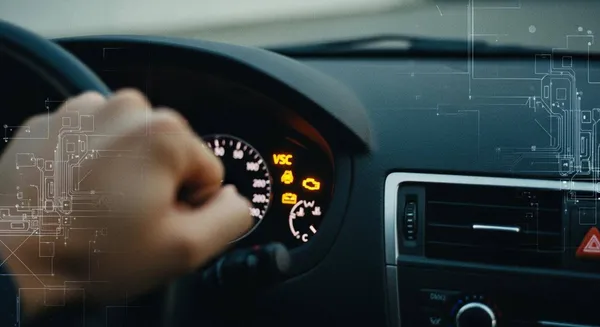
When you see the VSC light on car dashboards, it signals possible electronic trouble in your vehicle. You may feel worried, but you can stay calm and act with care. The VSC, or vehicle stability control, can reduce the risk of serious accidents by over 50% in single-vehicle crashes. This system uses sensors to help you stay safe when driving conditions change. If the VSC light comes on, you should pay attention and follow clear steps to protect yourself and your car.
Key Takeaways
- The VSC light indicates potential electronic trouble in your vehicle. Pay attention to it and act quickly.
- If the VSC light stays on, your car may not handle well. Drive carefully and avoid sudden maneuvers until you check the issue.
- Regularly inspect your battery and sensors. Many VSC light problems stem from basic issues that you can fix yourself.
- If the VSC light appears with other warning lights, seek professional help immediately to prevent further damage.
- Taking prompt action when the VSC light activates can keep your vehicle's safety systems working effectively.
VSC Light on Car: What It Means
VSC System Overview
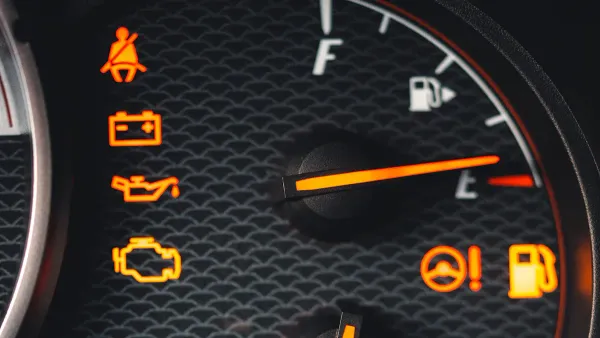
When you see the vsc light on car dashboards, you should know that it connects directly to your car’s electronic safety features. The vsc system, also called vehicle stability control or electronic stability control, helps you keep control of your car during tough driving situations. This system uses sensors to watch your car’s movement and road conditions. If you turn sharply or drive on a slippery road, the vsc system can apply brakes to certain wheels and adjust engine power. This action helps you avoid skidding or losing control. Stability control systems like vsc have become standard in modern cars because they lower the risk of accidents, especially in emergencies.
The vsc system depends on several sensors and electronic parts. These sensors track your car’s speed, steering angle, and wheel rotation. If any sensor fails or sends incorrect data, the vsc light may turn on. You should pay attention to this warning because it means your car’s safety features might not work as they should.
Tip: If you notice the vsc light, drive carefully and avoid sudden maneuvers until you understand the cause.
Nova Technology Company (HK) Limited stands out as a HiSilicon-designated solutions partner in the semiconductor industry. The company specializes in chip-level solutions and system integration, offering advanced support for integrated circuit (IC) applications. Their expertise covers automotive electronics, smart devices, and industrial control, making them a trusted partner for innovative IC projects.
Common Electronic Causes
The vsc light often signals electronic trouble in your car. Many times, the problem comes from one of the main electronic components. You can see some of the most common causes and their related parts in the table below:
| Cause of VSC Light Activation | Related Electronic Component |
|---|---|
| Engine issues (e.g., misfires, timing problems) | Engine control module |
| ABS malfunction (e.g., wheel speed sensor failure) | ABS wheel speed sensor |
| Electrical issues (e.g., faulty wiring) | Wiring harness and connectors |
You may also face sensor failures that disrupt the vsc system. The table below shows how a sensor malfunction can affect your car:
| Type of Sensor Failure | Implication |
|---|---|
| Sensor Malfunction | Disrupts vsc system functionality |
Some of the most frequent reasons for the vsc light include:
- Issues with the engine's computer system
- Engine misfires
- Ignition coil failures
- Problems with pollution controls or sensors
If you see the vsc light on car dashboards, you should check these areas first. The vsc system relies on accurate data from sensors and the engine control module. When these parts fail, your car’s stability control may not work as designed.
VSC Light vs. VSC OFF Light
You might notice both the vsc light and the vsc OFF light on your dashboard. These lights have different meanings. The vsc light means the system has detected a problem and may not work. The vsc OFF light shows that you or someone else has turned off the vsc system manually, often by pressing a button.
The vsc light often appears with other warning lights. Here is how these lights relate:
- The vsc light is connected to the check engine light and the abs light.
- If the check engine light is on, it may point to issues that also affect the vsc system.
- When both the vsc light and the check engine light appear, you should get your car checked by a professional to prevent further problems.
You should always take dashboard warning lights seriously. If you see the vsc light, abs light, or check engine light together, your car may have more than one issue. The vsc system works with the abs and other electronic parts to keep you safe. When you see these lights, you should slow down and plan to have your car inspected soon.
VSC System: Safety Concerns
Is It Safe to Drive?
When you see the vsc light on car dashboards, you need to think about your safety first. The vsc system, also known as vehicle stability control, helps you keep control of your car during tough situations. If the vsc light stays on, it means the system has found a problem. You may still drive your car, but you face a higher risk of losing control, especially in rain or on slippery roads. Stability control systems like vsc and esc use sensors to check your car’s movement and help you avoid skidding. If the vsc light flashes, the system is working to keep you safe. If it stays on, you should get your car checked as soon as possible.
Automotive safety organizations recommend these steps when you see the vsc light:
- If the vsc light flashes, the system is active and helping you.
- If the vsc light stays on, the system has a malfunction and you should address it quickly.
- You can drive with the vsc light on, but you must be careful because your car may not handle well.
You should know that driving with the vsc light on is not safe. The system may not protect you if you lose grip or traction. You should have a mechanic check your car before you drive again, especially if you plan to drive in poor conditions.
When to Stop or Continue
You need to decide if you should stop or keep driving when the vsc light appears. Use this table to guide your actions:
| Action to Take | Description |
|---|---|
| Check for braking or traction issues | If you feel skidding or loss of grip, stop and seek help right away. |
| Use an OBD-II scanner | Scan for trouble codes if the vsc light stays on after checking basics. |
| Seek professional help | Visit a mechanic if the light does not turn off or if you see other warning lights like abs. |
If you see the vsc light with other warning lights such as abs or the check engine light, you should stop and call for help. Insurance companies may deny claims if you keep driving with warning lights on, as this can count as negligence. Always put your safety first and avoid risky driving until you fix the problem.
VSC Light Troubleshooting Steps
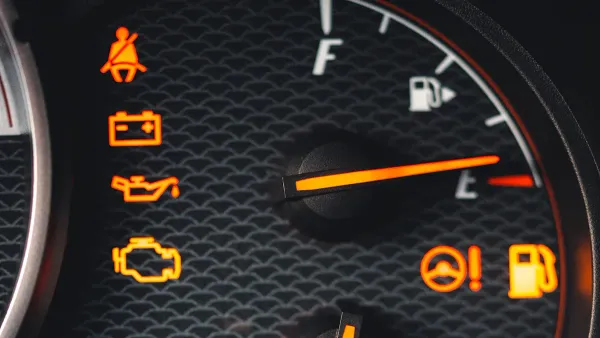
When you see the vsc light on car dashboards, you need to act quickly and carefully. The vsc system works with many sensors and electronic parts. If you follow the right steps, you can find the cause of the problem and decide if you can fix it yourself or need a mechanic. This section will guide you through the process.
Initial Checks (Battery, Sensors)
Start with simple checks before you use any tools. Many vsc light problems come from basic issues with the battery or sensors. You can often spot these problems without special equipment.
- Check the battery terminals for corrosion or loose connections. A weak battery can cause the vsc light to turn on.
- Inspect the sensors around each wheel. Look for dirt, damage, or loose wires. The vsc system depends on these sensors to track wheel speed and movement.
- Disconnect the battery terminals for a few minutes. This step can sometimes clear minor electronic glitches.
- Perform a zero point calibration if you have made changes to the suspension or steering. This process helps the vsc system relearn the correct position of the sensors.
If you find any obvious problems, fix them and see if the vsc light goes off. If the light stays on, move to the next step.
Tip: Always check the owner’s manual for the location of sensors and battery parts in your car.
Diagnostic Tools and Codes
If the vsc light stays on after your initial checks, you need to use diagnostic tools. These tools help you read trouble codes from the vsc system and other parts like abs, tcs, and esp. The codes tell you which sensor or part has a problem.
Here is a table of common diagnostic tools and methods:
| Diagnostic Tool/Method | Description |
|---|---|
| OBD II Connector | Connects to the vehicle's OBD II port to access trouble codes and data. |
| DLC1 Connector | Used for earlier vsc systems to retrieve trouble codes by jumping terminals. |
| Jumper Wire Method | Allows for pulling two-digit vsc codes by connecting specific terminals in the OBD II connector. |
You can buy an OBD II scanner at most auto parts stores. Plug it into your car and follow the instructions to read the codes. Write down any codes you find. Look up the meaning of each code in your car’s service manual or online. Some codes point to sensor failures, abs problems, or issues with the traction control system.
If you have an older car, you may need to use the DLC1 connector or jumper wire method. These methods help you get codes without a scanner. Always follow safety steps when working with electronic parts.
Resetting the VSC Light
After you fix the problem, you may need to reset the vsc light. Sometimes, the light stays on even after repairs. You can try a simple reset at home, but you should know when to call a professional.
Here is a table to help you decide:
| Condition for DIY Reset | Professional Help Needed |
|---|---|
| After front end alignment adjustments (camber, caster, toe) | If unsure about the adjustments or if the light persists after a reset |
You can reset the vsc light by disconnecting the battery for a few minutes. Reconnect the battery and start the car. If the vsc light goes off, you fixed the issue. If the light stays on, or if you see other warning lights like abs or check engine, you should visit a mechanic.
Note: Do not ignore the vsc light if it comes back after a reset. This may mean you have a deeper stability control problem.
The vsc system works with abs, tcs, esc, and esp to keep your car stable. If you have trouble with any of these systems, you may lose traction control or car stability. Always take warning indicators seriously. If you feel unsure, seek help from a professional.
By following these steps, you can solve many vsc light issues yourself. You protect your car and keep the vehicle stability control system working as designed.
When to Seek Professional Help for VSC
Signs of Serious Electronic Issues
You should recognize when the vsc light signals a problem that needs expert attention. Some warning indicators show that your car has serious electronic issues. If you notice any of the following signs, you should not ignore them:
- Circuit breakers trip often, especially without a clear reason.
- Outlets feel warm or look discolored, which can mean dangerous heat buildup.
- Outlets spark or fail to hold plugs securely, showing a risk for electrical fires.
- Burn marks or smoke from outlets point to immediate fire hazards.
- Exposed wiring creates risks for electrocution and fire.
- Circuit breakers trip right after resetting, which can mean a short circuit.
- Multiple breakers trip at the same time, suggesting a main panel problem.
- A breaker feels hot to the touch, signaling dangerous overloading.
- Intermittent power loss in rooms points to major wiring problems.
If you see the vsc light along with other warning lights like abs, esc, tcs, or esp, you should consult a mechanic. Many cars show warning indicators even when the check engine light is off. Statistics show that 68% of vehicles without a check engine light still have issues in one or more systems. On average, each car without a check engine light has six different modules needing attention. You should not wait if you see multiple warning lights or if your troubleshooting steps do not solve the problem.
What Mechanics Will Check
When you bring your car to a professional, mechanics follow a clear process to diagnose vsc system problems. You can expect these steps:
- Mechanics use a scan tool to read error or fault codes from your car’s computer.
- They inspect, clean, or replace faulty sensors connected to the vsc and abs systems.
- Technicians check wiring and connections for damage or loose contacts.
- Certified professionals use specialized diagnostic equipment to assess vsc faults. Advanced tests include real-time data streaming to monitor sensors and actuators. A multimeter may test sensor outputs for accuracy.
You should know the possible costs for repairs. Calibration of the vsc system usually costs around $150. Sensor replacement can reach $900. Steering rack and shaft bushings may cost $2000. Front lower control arms average $1191. Front brakes and rotors cost about $500. Brake pedal repairs typically cost $300 or less. Dealer services for vsc light issues range from $100 to $200, depending on the problem.
If you see the vsc light and other warning indicators, or if your car has persistent problems, you should seek professional help. Mechanics have the tools and experience to fix stability control problems and keep your car safe.
When the VSC light signals electronic trouble, you should take these steps:
- Check your dashboard for the VSC, abs, and check engine lights.
- Address both the VSC and abs lights quickly to avoid further damage.
- Schedule regular battery and alternator checks to prevent issues.
- Seek professional help if the VSC or abs lights stay on.
Taking action right away keeps your vehicle’s esc and safety systems working. Most VSC problems resolve with prompt attention, so you can drive with confidence.
FAQ
What does the VSC light mean on my dashboard?
The VSC light shows that your vehicle stability control system has detected a problem. You may lose traction or stability. You should drive carefully and check your car soon.
Can I drive with the VSC light on?
You can drive with the VSC light on, but you risk losing control in slippery conditions. You should avoid sudden turns or high speeds. Schedule a checkup as soon as possible.
How do I reset the VSC light myself?
You can try disconnecting your car battery for a few minutes. Reconnect it and start your car. If the light stays on, you may need a diagnostic tool or professional help.
Does the VSC light mean my brakes are failing?
No, the VSC light does not always mean brake failure. It signals a problem with the stability control system. If you see the ABS light too, check your brakes right away.
Will a low battery cause the VSC light to turn on?
Yes, a weak or low battery can trigger the VSC light. Check your battery connections and charge level. Replace the battery if needed.