PCB Assembly Techniques: SMT vs. THT and Hybrid Approaches for Modern Electronics
When you make electronic products, you must pick the best pcb assembly techniques for your project. Each method—smt, tht, or both—has its own good points for modern electronics.
When you make electronic products, you must pick the best pcb assembly techniques for your project. Each method—smt, tht, or both—has its own good points for modern electronics. Some pcb assembly techniques are better for small parts. Others are better for big or heavy parts. You should think about how strong your pcb needs to be. You also need to think about how many you want to make. As pcb assembly technology gets better, you will find more ways to make strong and reliable electronics.
Key Takeaways
-
Surface Mount Technology (SMT) puts many small parts on a board. It works quickly and saves money when making lots of boards.
-
Through-Hole Technology (THT) makes strong and steady connections. It is good for big or heavy parts. It works well in hard places.
-
Hybrid assembly uses both SMT and THT together. This gives speed, strength, and more ways to design tricky electronics.
-
Pick your assembly method by looking at part size and how strong it needs to be. Think about heat, cost, and how many you need to make.
-
Learning about new machines and green ways helps make better boards. It also makes them faster and better for the planet.
PCB Assembly Techniques Overview
What is PCB Assembly Technology
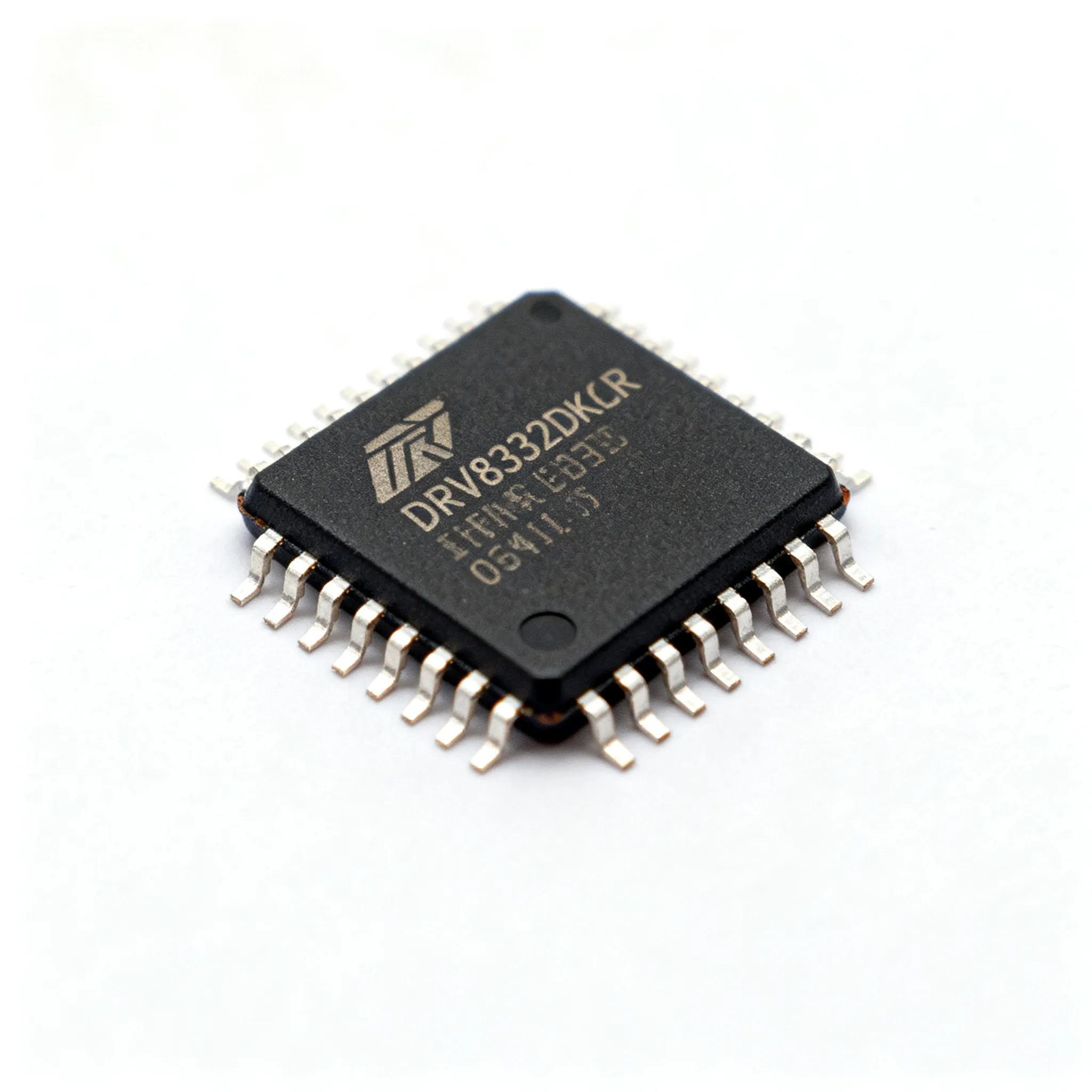
PCB assembly technology means using different ways to build electronics. These methods help you put parts on a pcb and connect them. The main pcb assembly techniques are surface mount technology (SMT), through-hole technology (THT), and hybrid assembly. SMT lets you place small parts right on the pcb’s surface. THT needs holes in the board, so you push leads through and solder them underneath. Hybrid assembly uses both SMT and THT on one board. This gives you more choices for tricky designs and helps with special needs in electronics.
You can look at this table to see the main features of each method:
|
Assembly Method |
Description |
Key Processes |
Advantages |
Considerations |
|---|---|---|---|---|
|
Surface Mount Technology (SMT) |
Parts go on top of pcb pads |
Solder paste, pick-and-place, reflow soldering |
Fits lots of parts, fast, good for making many |
Needs special tools, harder to fix |
|
Through-Hole Technology (THT) |
Parts go through holes |
Manual or machine insertion, wave soldering |
Strong holds, good for big parts, easy to fix |
Slower, more hand work, fewer parts fit |
|
Hybrid Assembly |
Uses both SMT and THT |
SMT first, then THT |
Flexible, good for hard designs |
More steps, needs careful checking |
Key Factors in Choosing a Technique
When you pick pcb assembly techniques, you have to think about some key things. Every project is different, so you need to match the method to your needs.
-
Component Type and Density: If you use lots of small parts, SMT is best. SMT lets you put more parts on a pcb, which is good for modern electronics. THT works better for big or heavy parts that need to be strong.
-
Mechanical Strength: THT gives strong holds. Use THT for connectors or parts that move or get pushed.
-
Thermal Needs: Some parts get hot when working. THT helps with heat because it uses bigger leads and holes. SMT can also handle heat, but you might need special cooling tricks like thermal vias.
-
Cost and Production Volume: SMT is quick and saves money when you make a lot. THT is slower but good for small batches or testing. Hybrid assembly works for medium to big amounts and mixes speed with options.
-
Reliability: You want your printed circuit board assembly to last a long time. Good heat control and strong holds make it more reliable. The IPC-2221 standard gives rules for spacing, materials, and heat to help you make reliable pcba.
Tip: Think about your industry. Cars, planes, and medical devices need high reliability and special steps. Consumer electronics care more about speed and cost.
PCB assembly technology keeps getting better. New trends include more robots, smarter machines, and better checks for quality. The market for pcb assembly techniques is growing fast, with more need in cars, healthcare, and phones. You will see more AI and machine learning used to make things better and cheaper.
SMT in PCB Assembly
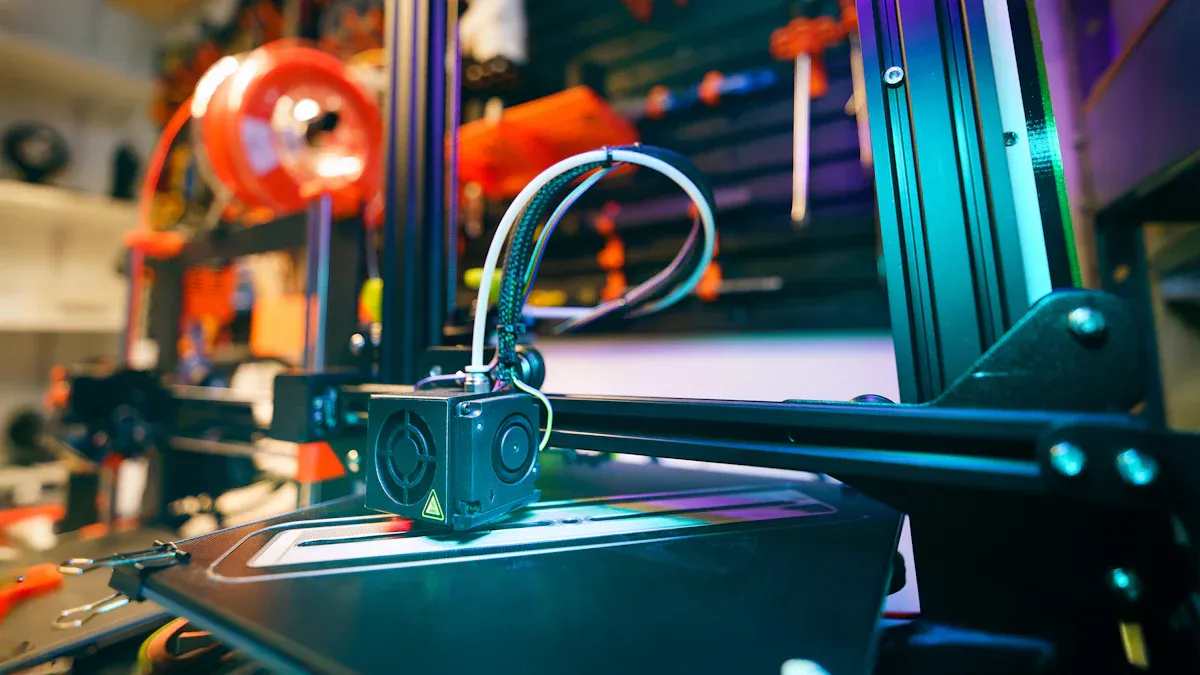
SMT Process
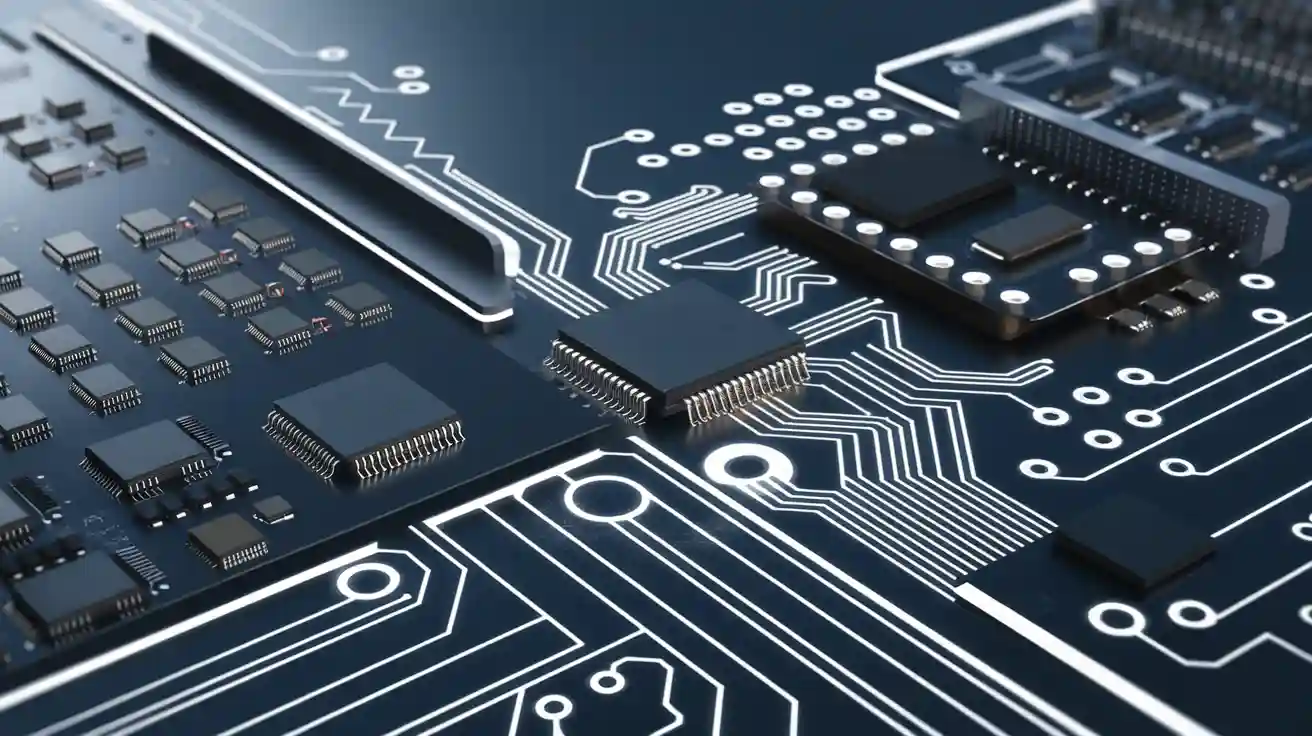
Surface mount technology, or SMT, changes how you build a pcb. With SMT, you put parts right on the board’s surface. The steps are simple and follow a clear order.
-
Solder paste printing: You spread solder paste on the pcb pads using a stencil.
-
Component placement: Pick-and-place machines drop each part onto the paste.
-
Reflow soldering: The pcb goes into a hot oven. The heat melts the paste and sticks the parts to the board.
-
Inspection and testing: Machines like Automated Optical Inspection (AOI) look for mistakes. Sometimes, X-ray or in-circuit tests check if everything works.
This way, you can make boards with lots of parts very quickly and accurately.
SMT Advantages
SMT has many good points for pcb assembly. You can fit more parts on a small board. This helps you make tiny and neat designs. Machines do most of the work, so it is faster and needs less hand work. SMT also saves money when you make lots of boards. The table below shows how SMT and through-hole assembly compare:
|
Assembly Method |
Cost Range per Panel (USD) |
Notes on Production Speed and Process Efficiency |
|---|---|---|
|
SMT Assembly |
Highly automated, fast, and precise |
|
|
Through-Hole Assembly |
$100 - $1,000 |
More manual work, slower production |
Parts sit close to the pcb, which makes the board work better. This setup helps signals move well and makes your pcba more reliable.
Tip: Pick SMT if you want fast building, strong performance, and small, light products.
SMT Use Cases
You find surface mount technology in many new products. SMT helps make phones, tablets, and wearables smaller and lighter. Car companies use SMT for control units and sensors that must be very reliable. Medical device makers use SMT for small monitors and test tools. Communication devices, like routers and new modules, use SMT for tricky, multi-layer pcb designs.
-
Consumer electronics: Phones, tablets, wearables
-
Automotive: Control boards, sensors, infotainment
-
Medical: Portable monitors, diagnostic equipment
-
Communication: High-density, multi-layer boards
SMT gives you the power and options needed for today’s smart electronics.
THT in PCB Assembly
THT Process
Through-hole technology, or THT, uses a different way to build a pcb. You take parts with long leads and put them into holes on the board. Then you solder the leads on the other side of the pcb. This makes strong connections that last a long time. You can use machines or do it by hand for small or big projects. Many people pick THT when they need extra strength or use large parts.
THT Advantages
THT gives you many good things in assembly. The biggest benefit is strong mechanical strength. Solder joints go through the board, so parts stay in place if the device shakes. THT also handles heat better than surface mounting. Big leads and solder pads help move heat away from sensitive parts. This makes THT good for power devices and tough places. You can also fix or swap parts more easily with through-hole technology.
|
Advantage |
Description |
|---|---|
|
Mechanical Strength |
Strong joints hold up under vibration and force |
|
Heat Resistance |
Large leads and solder pads help manage heat |
|
Easy Repair |
You can remove and replace parts without much trouble |
|
Reliable Connections |
Solder joints last a long time, even in tough conditions |
Note: THT gives you the reliability you need for devices that face stress, heat, or heavy use.
THT Use Cases
You see through-hole technology in many places that need strong and reliable assembly. Here are some examples:
-
Automotive electronics use THT for relays and connectors. These parts must survive shaking and temperature changes.
-
Industrial equipment uses THT for power control, sensors, and motor drivers. These devices work in places with dust, water, and high heat or cold.
-
Aerospace and military systems use THT for radios, radar, and navigation. These systems must work under stress and changing temperatures.
-
Consumer electronics with high power, like audio amps and power adapters, use THT for big capacitors and transformers.
-
Power electronics often mix THT with SMT on one pcb. This hybrid way lets you use big connectors and parts but still save space.
A European company that makes power switches set up a fully automated THT line. They use it to build switches with big capacitors, transformers, and special connectors. This shows how THT helps make strong solder joints and reliable products for big and complex parts.
Hybrid PCB Assembly
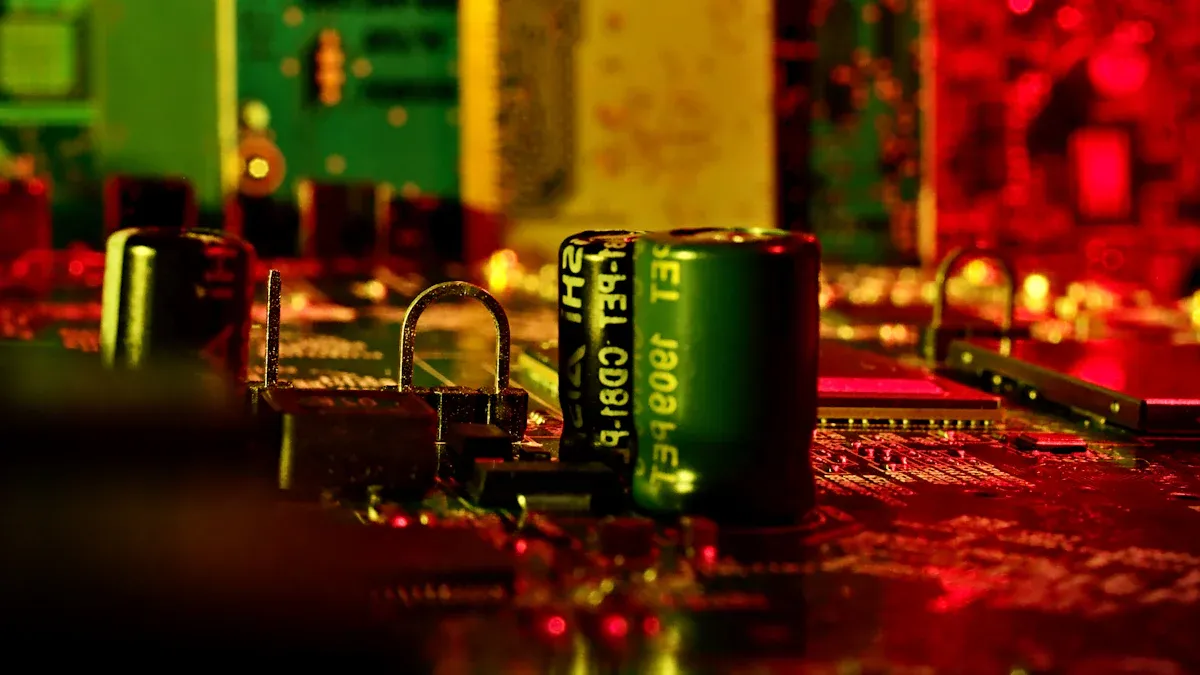
Hybrid Process
A hybrid approach lets you use both smt and tht together. You design the board for both types of parts. First, you choose good materials and get the board ready. Solder paste is printed for smt parts. Machines place the smt parts on the board. After reflow soldering, tht parts are added by hand or with machines. Wave or selective soldering is used for these parts. At the end, you check and test the board for problems. Mixed assembly needs careful planning and control. It gives you more ways to design your board.
Here is a table that compares smt, tht, and mixed assembly:
|
Assembly Method |
Definition |
Key Features |
Best Use Cases |
|---|---|---|---|
|
SMT |
Parts go on top of the pcb without holes |
No drilling; machines place parts; fast process |
Consumer electronics, boards with many parts |
|
THT |
Parts go into holes and are soldered |
Strong holds; less machine work |
Power modules, places with lots of shaking |
|
Hybrid Assembly |
Uses both SMT and THT on one board |
Fits many kinds of parts; saves space |
IoT devices, EV power systems, tricky circuits |
Hybrid Benefits
Mixed assembly has many good points. You can use small smt parts and strong tht parts together. This helps you put more features in a small space. You can make your board more reliable by picking the best way for each part. Mixed assembly also helps with heat and shaking. A study showed that mixed stackups give you more design choices and can save money. But you must be careful about warping or layers coming apart. You can stop these problems by working with your maker and testing your board.
Tip: Mixed assembly helps you get the right mix of performance, cost, and reliability for hard projects.
Hybrid Applications
Mixed assembly is used in many high-tech products. It works well in smartphones that need tiny smt chips and strong tht connectors. Car makers use mixed assembly for engine boards that get hot and shake. Medical devices like pacemakers use mixed assembly for small and strong parts. Routers and base stations use mixed assembly to keep signals working well. In planes and space, mixed assembly helps boards last in tough places. You can use different materials like FR-4, ceramics, and metal cores to make your board better.
-
Consumer electronics: Boards with mixed assembly for speed and small size
-
Automotive: Mixed assembly for control boards and sensors
-
Medical: Mixed assembly for small, strong devices
-
Telecommunications: Mixed assembly for fast, multi-layer boards
-
Aerospace: Mixed assembly for very strong boards
Mixed assembly lets you meet hard rules for space, weight, and power in new electronics.
SMT vs. THT vs. Hybrid Comparison
Performance and Density
You want your electronics to work fast and fit in small spaces. SMT gives you high performance and lets you pack many parts close together. Machines place tiny parts on the board quickly. This makes SMT the best choice for high-density assembly. THT works better for big or heavy parts. It does not fit as many parts in a small area. Mixed assembly lets you use both methods. You can put small, fast parts with SMT and strong, large parts with THT. This way, you get the best performance and density for your project.
Here is a table that shows how SMT, THT, and mixed assembly compare:
|
Aspect |
SMT (Surface Mount Technology) |
THT (Through-Hole Technology) |
Hybrid Assembly |
|---|---|---|---|
|
Speed |
High-speed automated assembly ideal for high-volume production |
Slower process, less suited for high-density designs |
Combines SMT speed for small parts with THT for larger components |
|
Performance |
Excellent for fast, compact circuits |
Good for power and strength, less for speed |
High performance by mixing both methods |
|
Density |
Very high, fits many parts in small space |
Lower, needs more space for holes and leads |
Flexible, supports both dense and strong layouts |
|
Mechanical Strength |
Moderate, best for small parts |
High, best for connectors and heavy parts |
Keeps strength where needed with THT parts |
Tip: If you need high performance and small size, choose SMT or mixed assembly. For strong, heavy parts, use THT or mix both.
Cost and Production
You care about how much your project costs and how fast you can make it. SMT gives you the best production efficiency. Machines do most of the work, so you save time and money when you make many boards. This leads to cost reduction for large runs. THT takes more time because people often place the parts by hand. This makes it better for small batches or prototypes. Mixed assembly helps you balance cost and speed. You use SMT for most parts to keep production fast, and THT for special parts that need extra care. This way, you get good production efficiency and control your costs.
-
SMT works best for high-volume production and gives you the lowest cost per board.
-
THT fits small runs or special projects where you do not need many boards.
-
Mixed assembly lets you scale up production while keeping the flexibility to use special parts.
Reliability and Application Fit
You want your electronics to last and work well in tough places. Reliability testing checks if your boards can handle heat, shaking, water, and power. Here are some ways experts test reliability:
-
They use environmental stress tests like humidity, corrosion, dust, and moisture.
-
They run electrical load tests to check high power and safe limits.
-
They shake and drop the boards to test for mechanical shock and vibration.
-
They use chemical exposure tests and artificial aging to see how long the boards last.
-
They inspect boards with machines like AOI, X-ray, and SEM to find tiny problems.
-
They follow rules from groups like IPC, MIL-STD, and UL to make sure the boards are safe and strong.
SMT gives you low defect rates and works well for most consumer electronics. THT gives you strong joints, so it fits power devices and parts that move or shake. Mixed assembly gives you the best of both. You use SMT for speed and density, and THT for strength and special needs. Mixed assembly often gives you higher yields and fewer problems than using THT alone.
Note: Mixed assembly helps you meet tough rules for cars, planes, and medical devices. You get both high performance and strong, reliable boards.
Choosing the Right PCB Assembly Technique
Decision Factors
You want to choose the best PCB assembly technique for your project. You need to look at several important factors. Each project has its own needs, so you should match your choice to your design, budget, application, and how many boards you plan to make.
Here is a table that shows what research says about these decision factors:
|
Decision Factor |
What You Should Know |
|---|---|
|
Budget |
More PCB layers mean higher costs. Complex designs cost more. Delivery time changes with layer count. |
|
Application |
Different industries need different layer counts. Consumer electronics use 4-6 layers. Cars use 6-8. Aerospace uses 10 or more. High-frequency circuits need more layers to stop interference. |
|
Production Volume |
Large production needs fast delivery. Layer count and board size affect timing. You can use cost-performance checks to balance needs. |
|
Circuit Complexity |
More parts and special needs mean more layers. High density guides your layer choice. |
|
Practical Guidelines |
Simple devices use 2 layers. Consumer and car products use 4-6. Advanced systems use 8 or more. Use cost-benefit checks and modular design to get the best result. |
You should start by asking these questions:
-
What is your budget for the project?
-
What will your electronic products do?
-
How many boards do you need for your production?
-
How complex is your circuit?
Tip: If you want to save money, keep your design simple. Use fewer layers when you can. For high-reliability or high-frequency needs, add more layers for better performance.
You can use these steps to help you decide:
-
List your project goals and needs.
-
Check the size and type of parts you will use.
-
Think about how strong and reliable your board must be.
-
Match your needs to the right assembly method: SMT for small, fast builds; THT for strong, heavy parts; hybrid for mixed needs.
-
Balance your budget with your performance goals.
Industry Trends
You should know about new trends in PCB assembly. These trends can help you make better choices and keep your project up to date.
-
More factories use automation to make boards faster and with fewer mistakes.
-
Companies try to lower costs by buying parts from many sources and using quick checks.
-
Many groups care about the environment. They use green materials and safe assembly steps.
-
Inline inspections like AOI, X-ray, and visual checks help keep quality high.
-
PCB makers run more shifts to meet big orders and fast delivery.
-
High-speed machines and better processes make production more efficient.
-
Green practices in design and material choice help control pollution.
Current reports show that demand for advanced PCB assembly grows in many areas. You see more smart devices and IoT gadgets. These need small, reliable, and efficient boards. New technology like automation and miniaturization helps lower costs and boost quality. Rules for the environment push companies to use lead-free and eco-friendly ways. Electric vehicles and clean energy create new uses for PCBs. Industry 4.0 brings smart factories and data tools to improve how you make boards. Growth in different regions depends on local rules, what people buy, and the economy.
Note: If you follow these trends, you can make your production faster, cheaper, and better for the planet.
You have many options for PCB assembly. SMT gives you fast, low-cost builds and fits many parts on small boards. THT works best for strong, heavy parts in tough jobs. Hybrid assembly lets you mix both for complex needs. The table below shows how each method fits different projects:
|
Technique |
Key Strengths |
Best Use |
|---|---|---|
|
SMT |
Fast, low cost, high density |
Phones, computers |
|
THT |
Strong, reliable |
Power, aerospace |
|
Hybrid |
Flexible, balanced |
Cars, medical devices |
Choose the method that matches your goals. Stay informed about new tools and trends to keep your designs strong and up to date.
FAQ
What is the main difference between SMT and THT in PCB assembly techniques?
SMT puts parts right on top of the pcb. THT pushes leads through holes in the board. SMT lets you fit many parts close together. It also saves money when making lots of boards. THT makes strong connections for big or heavy products.
When should you choose a hybrid approach for PCB assembly?
Pick a hybrid approach if you need both small, fast parts and strong, heavy ones. Mixed assembly lets you use both SMT and THT together. This gives you more ways to design tricky electronics. You get better performance and more choices for your board.
How does mixed assembly improve reliability in electronic products?
Mixed assembly uses both SMT and THT on one board. You can put delicate parts with SMT. You use THT for connectors and strong parts. Using both makes your board last longer in hard places. It helps your electronics work better over time.
What factors affect the cost-effectiveness of PCB assembly techniques?
How many boards you make changes the cost. The type of parts and method you pick also matter. SMT is cheaper for making lots of boards fast. THT is good for small batches or testing ideas. Hybrid assembly helps you save money and stay flexible.
Can you use SMT, THT, and hybrid assembly for any type of electronic products?
You can use these assembly methods for many products. SMT is best for small, crowded boards. THT works well for power parts and connectors. Hybrid assembly is great for hard designs. It gives you strong and reliable electronics for advanced needs.