How a 110V to 24V Transformer Simplifies Home Automation
A 110v to 24v transformer helps you make home automation safer and easier. When you use a step-down transformer, you lower t
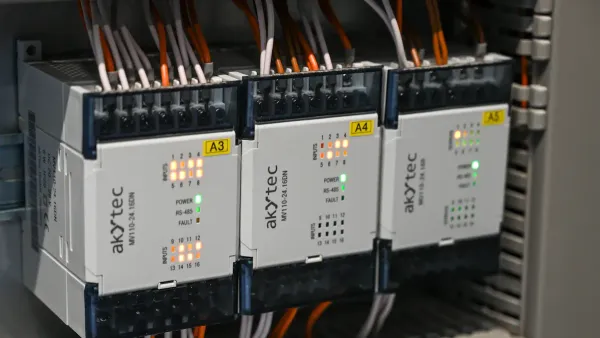
A 110v to 24v transformer helps you make home automation safer and easier. When you use a step-down transformer, you lower the risk of electric shock. You also protect your devices from power surges. Many smart devices work best with a step-down transformer. The 110v to 24v transformer cuts down on wiring costs and keeps your setup simple. This transformer gives you reliable power for low-voltage systems.
Using a step-down transformer can save you money and keep your home safer.
Key Takeaways
- A 110V to 24V transformer lowers high voltage to a safer level, protecting you and your devices from electric shock and damage.
- Using a transformer ensures smart home devices get the right power, helping them work better and last longer.
- Transformers save money by reducing wiring costs and improving energy efficiency up to 99%.
- Proper transformer installation and choosing the right size keep your home automation system safe and reliable.
- Transformers support many home projects like LED lighting, HVAC controls, and smart devices by providing stable, low-voltage power.
What Is a 110V to 24V Transformer?
Definition
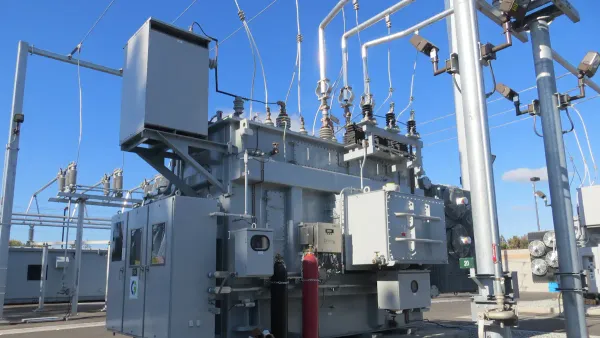
A 110v to 24v transformer is a device that changes high household voltage down to a safer, lower voltage. You use this type of transformer to power devices that need only 24 volts instead of the standard 110 volts found in most homes. The transformer works as a step-down transformer. It takes the 110V AC from your wall outlet and reduces it to 24V AC.
You might wonder how a transformer works. The process uses electromagnetic induction. The transformer has two coils of wire, called the primary and secondary windings. When you connect the primary coil to 110V, it creates a magnetic field. This field passes through the core and induces a lower voltage in the secondary coil. The number of turns in each coil sets the voltage difference. For example, the Altronix TP2420 is a common 110v to 24v transformer. It delivers 24V AC at up to 800 mA, making it perfect for many home automation needs. This step-down transformer keeps your devices safe and gives you reliable power.
Tip: Using a step-down transformer helps you avoid the dangers of high voltage and keeps your devices running smoothly.
Role in Home Automation
You often need a 110v to 24v transformer when you set up home automation systems. Many smart devices, like thermostats, sensors, and LED lights, run on low voltage. The step-down transformer makes sure these devices get the right amount of power. If you supply too much voltage, you risk damaging your equipment. Too little voltage, and your devices may not work at all.
Here are some key roles the transformer plays in home automation:
- Converts 110V to 24V so your devices operate safely.
- Protects sensitive electronics from electrical hazards.
- Maintains stable voltage, even if your home's power supply changes.
- Offers overload protection to prevent overheating.
- Helps with cooling and heat dissipation, reducing fire risks.
- Supports reliable operation for all your low-voltage automation devices.
You can see how a transformer works to make your home automation setup safer and more efficient. Proper installation and grounding also help you get the best performance from your step-down transformer.
Benefits of a Step-Down Transformer
Safety
When you use a step-down transformer in your home automation system, you make your environment much safer. High voltage, like 110V, can cause serious injuries. A transformer lowers this voltage to 24V, which is much safer for you and your family. Many international standards, such as IEC 60204-1 and NFPA 79, recommend using 24V for control circuits. These standards exist to protect people from electrical hazards.
You can see the safety advantages of using a 24V power supply in several ways:
- 24V systems reduce the risk of electrical shock.
- You do not need special protective equipment when working with 24V circuits.
- There is almost no risk of arc flash at 24V, unlike at 110V or 120V.
- 24V systems make panel maintenance safer and easier.
- Lower voltage means less chance of accidental contact injuries.
- 24V systems minimize arcing, which helps your control components last longer.
A step-down transformer also provides electrical isolation. This isolation protects you from surges and faults in the main power supply. You can work on your home automation panels with more confidence and less risk. The shift to 24V in control systems shows how important safety has become in modern homes.
Note: Lowering your system voltage to 24V is one of the most effective ways to improve safety for everyone in your home.
Device Protection
A transformer does more than just keep you safe. It also protects your devices. Many smart home gadgets, sensors, and control panels need a stable, low voltage to work well. If you connect these devices directly to 110V, you risk burning them out. A step-down transformer prevents overvoltage and keeps your devices running smoothly.
You get several layers of protection with a transformer:
- It delivers a steady 24V output, even if your home's power supply changes.
- Sensitive electronics, like thermostats and smart sensors, receive the right voltage.
- The transformer shields your devices from power surges and spikes.
- Overload protection features in many transformers prevent overheating and damage.
When you understand how a transformer works, you see why it is so important for device protection. The transformer acts as a buffer between your home's high voltage and your sensitive electronics. This buffer extends the life of your devices and reduces the need for repairs.
Efficiency and Cost
A step-down transformer also brings you efficiency and cost savings. Modern transformers can reach efficiency levels up to 99%. This means almost all the power that goes in comes out as usable energy for your devices. You waste less electricity and save money on your energy bills.
You also save on installation costs. Low-voltage wiring is thinner and less expensive than wiring for high voltage. You can use smaller cables and simpler connectors. This makes your home automation projects easier to install and maintain.
Here is a quick comparison:
| Feature | 110V System | 24V System (with Transformer) |
|---|---|---|
| Shock Hazard | High | Very Low |
| Wiring Cost | Higher | Lower |
| Device Protection | Limited | Excellent |
| Maintenance Safety | Requires PPE | Safe without PPE |
| Energy Efficiency | Standard | Up to 99% |
You see the benefits of electric transformers in every part of your home automation setup. A step-down transformer lets you use safer, cheaper, and more reliable wiring. You protect your investment and enjoy a system that works better for years to come.
Tip: Choosing the right transformer can help you save money and keep your home automation system running at peak performance.
Applications for Home Projects
LED Lighting
You can power many LED lighting systems in your home with a transformer. Most LED strips and fixtures need a steady 24V supply. When you use a transformer, you get stable power for your lights. This helps prevent flickering and extends the life of your LEDs. You can also use a transformer for outdoor landscape lighting. Waterproof transformers work well for garden paths and accent lights. The uses of electric transformers in lighting make your setup safer and more reliable.
Common 24V-powered lighting devices:
- LED strips
- Landscape lighting
- Accent lights
- Smart LED panels
A transformer gives you the right voltage for your lights, so you avoid damage and enjoy bright, steady light.
HVAC Controls
A transformer plays a key role in your HVAC system. Most smart thermostats and control panels need 24V to work. The transformer steps down the 110V from your wall to a safe 24V for these controls. You can use the transformer to power relays, sensors, and humidifier valves. This setup lets you control heating and cooling with smart home apps. The transformer keeps the voltage stable, which protects your HVAC equipment from power surges.
You often see the uses of electric transformers in HVAC panels. They help you connect smart thermostats that need a common wire for Wi-Fi and smart features. The transformer also supports safe switching of circuits, so your furnace and AC work together smoothly.
Key benefits of using a transformer in HVAC:
- Reliable power for thermostats and relays
- Safer control circuits
- Longer equipment life
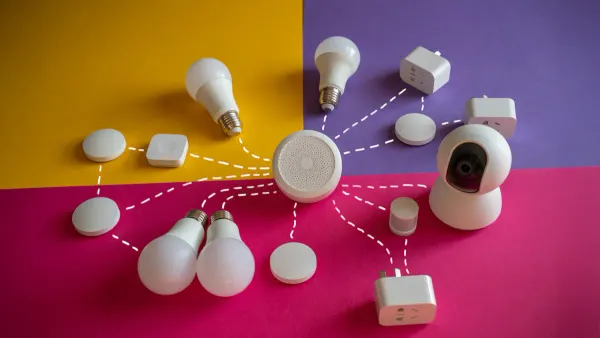
Smart Devices
Many smart home gadgets need 24V power. You can use a transformer to run devices like sensors, relays, touch screens, and even some network gear. For example, MikroTik routers and wireless devices often use 24V input. The transformer gives you a steady supply, so your smart devices stay connected and work well.
Smart devices powered by a transformer:
- Home automation controllers
- Smart sensors
- Touch screens
- Network devices with 24V PoE
A transformer improves the performance of your smart home by giving each device the voltage it needs. You get fewer power problems and longer device life. The uses of electric transformers in smart homes help you build a system that is safe, efficient, and easy to manage.
Tip: Choose a transformer with enough capacity for all your devices to keep your home automation running smoothly.
Choosing a Transformer
Key Features
When you pick a transformer for your home automation project, you want to make sure it meets your needs for safety, reliability, and performance. The right transformer keeps your devices running smoothly and protects your home. Here are the most important features to look for:
- Stable voltage output keeps your control circuits from experiencing power swings.
- Electrical isolation protects your circuits and adds another layer of safety.
- Noise filtering helps reduce electrical interference, so your devices work without glitches.
- Durable construction with high-quality materials ensures your transformer lasts a long time.
- Compliance with safety standards and regulations means your transformer is safe to use at home.
- The correct power rating (measured in VA) matches the needs of your devices.
- Consider environmental factors like temperature and humidity, especially if you install the transformer outdoors.
You can use this table to compare transformer features:
| Feature | Description |
|---|---|
| Input Voltage | 110V AC |
| Output Voltage | 24V AC |
| Power Rating | 40 VA (Volt-Ampere) |
| Maximum Current | 1.67 A |
| Safety Features | Class 2 protection, fused secondary |
| Design | Compact, easy to install |
| Application Suitability | Home automation, security, HVAC |
Tip: Always choose a transformer that meets or exceeds the power needs of your devices. This helps prevent overloads and keeps your system safe.
Installation Tips
Proper installation of your transformer is just as important as picking the right one. Safe wiring and correct setup help your transformer work well and last longer. Here are some tips to follow:
- Use a transformer with a power rating high enough for all your connected devices.
- Install a fuse or circuit breaker inline with the transformer to protect it from shorts or overloads.
- Keep the low-voltage (24V) wires separate from the high-voltage (110V) wires to avoid safety risks.
- Never connect the 24V side common to the AC mains ground or neutral. This can create dangerous conditions.
- Follow color codes for wiring: black is usually hot, white is common or neutral.
- Test each stage of your wiring before connecting devices. This helps you find and fix problems early.
- Use only UL-listed transformers that meet electrical codes. Avoid cheap, unlisted products.
- If you install the transformer outdoors, make sure it has a weatherproof enclosure.
- Check for moisture or freezing risks, which can damage wiring and the transformer.
- Use an ammeter to check if the transformer draws more current than rated. Too much current means a wiring or load problem.
Note: Industry standards like the National Electrical Code set rules for transformer sizing, installation, and safety. Always follow these rules to keep your home safe.
You gain many benefits when you use a 110v to 24v transformer in your home automation projects. The transformer increases safety, protects your devices, and helps you save money. Many people think any transformer will work, but you must choose the right transformer for your needs. Always check the transformer’s input voltage, output rating, and safety certifications. To select the best transformer, follow these steps:
- Match the transformer’s output to your device’s current needs.
- Confirm the transformer’s power rating supports your system.
- Make sure the transformer fits your installation space.
- Look for heat dissipation features in the transformer.
- Verify the transformer meets local safety standards.
A transformer designed for your setup keeps your home automation safe and reliable. Start by researching transformer options and compare features before you buy your next transformer.
FAQ
What does a 110V to 24V transformer do in home automation?
You use a transformer to change high voltage from your wall outlet to a safe 24V. This helps you power smart devices, lights, and controls without risking damage or shock.
Can you install a transformer by yourself?
You can install a transformer if you follow safety rules and instructions. Always turn off the power first. If you feel unsure, ask a licensed electrician for help.
How do you know which transformer size you need?
You add up the power needs of all your devices. Choose a transformer with a higher power rating than your total. This keeps your system safe and prevents overloads.
Why do smart devices need a transformer?
Most smart devices work best with low voltage. A transformer gives them the right power. This helps your devices last longer and work better.
What happens if your transformer stops working?
If your transformer fails, your devices lose power. You should check for blown fuses or wiring problems. Replace the transformer if needed to restore your home automation system.