Analyzing the Versatility of Magnetic Sensor Switches
An invisible force powers much of our modern world. Magnetism drives technology in everything from cars to smartphones. A ma
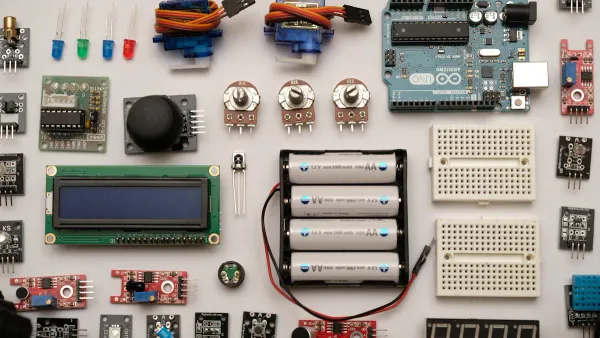
An invisible force powers much of our modern world. Magnetism drives technology in everything from cars to smartphones. A magnetic sensor switch is the key component that makes this possible. These remarkable magnetic sensors translate magnetic fields into precise, reliable actions. The importance of this sensor technology is clear from its rapid market expansion. Experts project significant growth for the magnetic sensor market in the coming years.
| Metric | Value |
|---|---|
| Market Size (2024) | USD 3.1 Billion |
| Projected Market Size (2032) | USD 8.5 Billion |
| CAGR (2025-2032) | 15.5% |
Key Takeaways
- Magnetic sensors turn magnetic fields into electrical signals. They are important in many modern devices.
- Two main types are reed switches and Hall effect sensors. Reed switches save power, and Hall effect sensors are faster.
- These sensors work without touching anything. This makes them last a very long time.
- Magnetic sensors are used in cars, factories, phones, and medical devices. They make things safer and work better.
- They help appliances save energy. They also make smart devices work well.
Understanding the Core Magnetic Sensor Technology
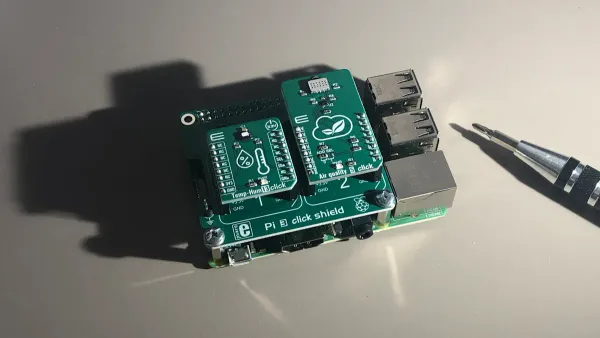
The versatility of magnetic sensors stems from their fundamental design and operating principles. These devices reliably detect magnetic fields and convert them into useful electrical signals. Understanding the core technology reveals why these magnetic sensors are essential in so many applications. The two primary types of magnetic sensors are the Hall effect sensor and the reed switch.
Hall Effect vs. Reed Switches
The Hall effect sensor and the reed switch are the two main types of magnetic sensors. Each has distinct strengths. A Hall effect sensor is a solid-state device with no moving parts, making it ideal for high-frequency tasks. A reed switch is a mechanical device that is very energy-efficient. The table below compares their key operational differences.
| Feature | Reed Switch | Hall Effect Sensor |
|---|---|---|
| Working Principle | Mechanical reeds in a glass tube close a circuit. | A solid-state transducer varies its output voltage. |
| Power Requirement | None in its passive state (zero standby power). | Requires a constant power supply to operate. |
| Speed of Operation | Slower due to mechanical movement. | Faster due to its solid-state nature. |
| Signal Bounce | Prone to signal bounce when contacts close. | No signal bounce, providing a clean signal. |
| Polarity Detection | No, it only detects the presence of a field. | Yes, it can detect both presence and polarity. |
Non-Contact Operation and Durability
A key advantage of magnetic sensors is their non-contact operation. The sensor works without physically touching the target object. This design eliminates mechanical wear and tear.
This lack of physical contact means the sensor has fewer points of failure. As a result, many magnetic sensors can endure millions or even billions of cycles. This makes them extremely durable and reliable for demanding industrial jobs, reducing maintenance needs.
Precise Signal Conversion
Every magnetic sensor performs a critical task: it converts a magnetic field into a precise electrical signal. This signal can then control a system or provide a measurement. A simple reed switch generates a basic "open" or "close" signal. In contrast, a Hall effect sensor can produce a variable analog or digital output that corresponds to the magnetic field's strength. More advanced magnetic sensors, like Magnetoresistive (MR) types, offer even higher resolution for precise position and speed detection. This makes each sensor type suitable for different levels of control.
Miniaturization and Power Efficiency
Modern electronics demand smaller and more efficient components. The trend toward miniaturization is a driving force in magnetic sensor technology. Manufacturers now create tiny integrated circuits that combine the sensor and signal processing functions onto a single chip. This reduces the footprint on a printed circuit board (PCB) and lowers costs. Power efficiency is another major consideration. The magnetic sensor switch is often chosen based on power needs. A reed switch consumes no power in its idle state, while a Hall effect sensor requires continuous power. Companies that specialize in these advanced components are key to innovation. For example, Nova Technology Company (HK) Limited is a HiSilicon-designated solutions partner, working to integrate such sophisticated sensor technologies into modern systems.
Key Applications of the Magnetic Sensor Switch

The core technologies of magnetic sensors translate directly into a wide range of practical uses. Their reliability and precision solve real-world problems across many industries. These diverse sensor applications demonstrate why the magnetic sensor switch is a foundational component in modern engineering.
Automotive Safety and Efficiency
Automobiles rely heavily on magnetic sensors for safety and performance. These components operate in harsh environments with high temperatures and vibration. For example, anti-lock braking systems (ABS) use a magnetic sensor to monitor wheel speed and prevent skidding.
Engine management systems also depend on these devices. Magnetic crankshaft position sensors provide accurate data to the engine control unit. They detect notches on the crankshaft as it spins. This action creates a signal whose frequency tells the Powertrain Control Module (PCM) the engine's speed and position. This information is critical for precise ignition and fuel injection timing. A reliable sensor ensures proper engine operation and efficiency.
Industrial Automation and Motor Control
Factories and industrial sites use magnetic sensors to improve automation and control. In robotics, magnetic sensors provide position feedback, replacing mechanical switches for better reliability. They can track the linear position of a robotic arm or detect the end of travel for a conveyor system. The table below shows some common uses for these magnetic sensors in factory settings.
| Category | Use Cases |
|---|---|
| Hall-Effect Switch | On/off detection, open/close sensing, limit switch |
| Hall-Effect Latch | Motor commutation, speed and direction sensing |
| 1D Linear Position Sensor | Linear movement tracking, end-of-travel detection |
| Angle Sensor | Precise motor position sensing |
Brushless DC (BLDC) motors are another key area. Magnetic sensors are vital for precise rotor position feedback in these motors. This feedback allows for advanced control methods that optimize performance. Different types of magnetic sensors achieve this goal:
- Hall Effect Sensors: These detect the rotor's magnetic field to enable block commutation. Their high sensitivity and low delay make them a popular choice. A hall effect sensor provides the clean signal needed for smooth motor operation.
- Angle Sensors: These offer higher resolution for servo applications. They can provide absolute angular position at startup, which is crucial for a fast motor start.
- Current Sensors: These provide precise current information for the motor phases. This enables advanced field-oriented control (FOC) techniques, boosting system efficiency.
Integrating these advanced magnetic sensors into complex systems is a specialized field. Companies like Nova Technology Company (HK) Limited, a HiSilicon-designated solutions partner, work to implement such sophisticated sensor technologies in modern industrial and IoT systems.
Consumer Electronics and Gadgets 🎮
Everyday gadgets are filled with magnetic sensors. They enable smart features and intuitive user interfaces. In laptops and tablets, a simple magnetic sensor detects when a lid is closed to put the device to sleep. Smartphones use magnetic sensors for many functions, including:
- Compass functionality for navigation apps.
- Orientation tracking to rotate the screen.
- Proximity detection to turn off the screen during calls.
- Augmented Reality (AR) to track phone orientation and overlay digital objects.
Gaming controllers and Virtual Reality (VR) headsets also use magnetic sensors for high-performance control. A linear hall effect sensor can track the position of a joystick or trigger button. Advanced Tunnel Magnetoresistance (TMR) sensors offer the high precision and speed needed for immersive AR/VR experiences, tracking head orientation and controller movements with minimal lag.
Medical Device Precision 🩺
The medical field demands the highest levels of safety and reliability. Magnetic sensors meet these strict requirements for many life-critical devices. For instance, some modern pacemakers use a hall effect sensor instead of a traditional reed switch. This change ensures the device functions predictably inside an MRI machine's powerful magnetic field.
Any magnetic sensor used in a medical device must meet strict industry standards for quality and safety, such as ISO 10993.
Key Requirements for Medical-Grade Magnetic Sensors:
- Biocompatibility: The sensor materials must not cause a harmful reaction in the body.
- Corrosion Resistance: The sensor must withstand the body's corrosive environment, often using special coatings.
- Mechanical Integrity: The component must endure all physical stresses during its operational life.
- Magnetic Stability: The sensor properties must remain consistent over time.
Home Appliances and Power Tools
Magnetic sensors make home appliances smarter, safer, and more efficient. Many refrigerators and washing machines use a magnetic sensor, typically a reed switch, for door-ajar detection. A magnet on the door aligns with the sensor when closed. If the door is open, the sensor signals the appliance to turn on a light or sound an alarm. In washing machines, this safety feature ensures the machine does not run while the door is open.
These components also improve energy efficiency. Smart refrigerators use a magnetic sensor to track how often the door is opened. AI algorithms analyze this data to predict cooling needs. The system can then run the compressor proactively before periods of high use, which reduces energy waste and improves overall performance. This simple yet effective sensor helps lower household energy consumption.
The versatility of a magnetic sensor stems from its non-contact operation and proven reliability in harsh conditions. Different types, like the energy-efficient reed switch or the high-speed hall effect sensor, provide durable and precise solutions. These components are indispensable in the automotive, industrial, consumer, and medical sectors.
Future innovations in sensitivity and integration, such as emerging Tunneling Magnetoresistance (TMR) technology, ensure the magnetic sensor switch will remain a foundational component in the next wave of smart technology.
FAQ
What is the main difference between a reed switch and a Hall effect sensor? 🤔
A reed switch is a mechanical device with moving parts. It uses no power when idle. A Hall effect sensor is a solid-state electronic component. It has no moving parts but requires constant power to operate.
How long do magnetic sensors last?
Magnetic sensors are extremely durable. Their non-contact design eliminates mechanical wear.
Many magnetic sensors can perform for millions or even billions of cycles. This long lifespan makes them very reliable for industrial and automotive use, reducing the need for frequent replacements.
Can magnetic sensors work in extreme temperatures?
Yes, many magnetic sensors can operate in harsh conditions. Manufacturers design automotive-grade sensors to withstand high temperatures, vibrations, and moisture. This ensures reliable performance in demanding environments like a car engine bay.
Where can I find a magnetic sensor in my home? 🏠
Many home appliances use magnetic sensors. For example, a refrigerator uses a magnetic sensor to detect if the door is closed. This simple sensor helps save energy by turning off the interior light and ensuring the cooling system runs efficiently.