5 Surprising Ways Map Sensor Cleaner Works Like Tech Cleaners
A specialized can of map sensor cleaner shares core principles with high-quality electronics cleaners. Both produc

A specialized can of map sensor cleaner shares core principles with high-quality electronics cleaners. Both products are formulated to safely clean sensitive electronic components without causing damage. Their chemical compositions differ for specific tasks, yet their purpose remains aligned.
Note: Understanding these parallels helps demystify issues like poor engine performance, which can sometimes be mistaken for a faulty maf sensor, empowering tech-savvy individuals to tackle simple car maintenance.
Their primary ingredients are chosen for targeted action:
- Electronics Cleaner: Often contains Tetrachloroethylene.
- MAP Cleaner: Primarily uses heptane.
Key Takeaways
- MAP sensor cleaners and electronics cleaners both clean sensitive parts without leaving anything behind.
- Both cleaners are safe for plastic parts, so they do not cause damage.
- These cleaners do not conduct electricity, which keeps you and the parts safe.
- Each cleaner targets specific dirt, like oil in cars or flux on circuit boards.
- Using the right cleaner can fix problems and save money on new parts.
1. Residue-Free Evaporation
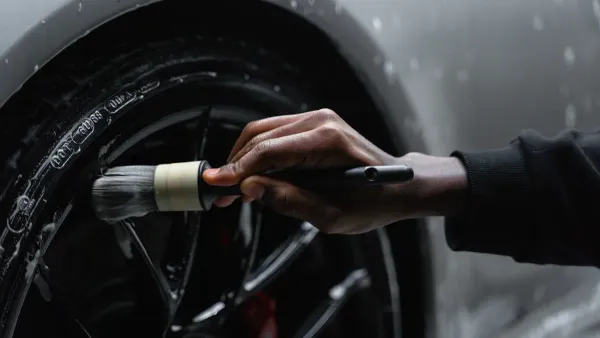
The most critical shared trait between a map sensor cleaner and an electronics cleaner is its ability to vanish without a trace. Complete, residue-free evaporation is the foundation of safe cleaning for sensitive electronics in any application. This quality ensures that the component can return to its job without any new, cleaner-induced interference.
MAP Sensor: Ensuring Accuracy
A MAP sensor measures pressure changes inside the engine's air intake manifold. Its accuracy directly impacts fuel delivery and ignition timing, which are vital for good engine performance. Using an improper cleaning agent, like a brake or carburetor cleaner, can leave behind an oily or sticky film. This residue impairs the sensor's ability to measure pressure correctly.
The vehicle's computer, or ECM, detects these incorrect signals and may trigger a check engine light. This problem can sometimes be misdiagnosed as a faulty maf sensor. The incorrect readings often result in specific trouble codes.
A clean sensor in the air intake provides accurate data, preventing these false alarms.
Electronics: Preventing Shorts
This principle directly mirrors the needs of computer hardware. On a printed circuit board (PCB), leftover residue from a poor cleaner can cause catastrophic failure. Dust and leftover flux can absorb moisture from the air, creating a conductive path.
When electricity flows, these contaminants allow tiny metallic branches called dendrites to grow between contact points. These dendrites can cause current leakage or a complete electrical short, destroying the component. Just as a dirty MAP sensor can be mistaken for a faulty maf sensor, a dirty circuit board might be diagnosed as a failed chip when it only needs proper cleaning. Both scenarios highlight the importance of a cleaner that leaves nothing behind.
2. Plastic-Safe Formulation
Sensitive electronics, whether in a car or on a desk, are almost always housed in plastic. A cleaner's chemical formula must be strong enough to remove grime but gentle enough to leave these plastic enclosures unharmed. This careful balance is a key feature of both automotive sensor cleaners and quality tech cleaners.
MAP Sensor: Protecting Housings
A MAP sensor is a delicate instrument protected by an automotive-grade plastic housing. This housing shields the internal electronics from engine bay heat, moisture, and vibration. Using the wrong chemical cleaner can cause serious damage. Harsh agents can make the plastic brittle, leading to cracks and failure of the component's seal.
Some general-purpose cleaners contain chemicals that are destructive to these materials.
- Ammonia-based products can cause streaks and discoloration on plastic surfaces.
- Strong degreasers can wreak havoc on plastic, potentially weakening its structure.
A dedicated map sensor cleaner is formulated to be inert on these specific plastics. It cleans the sensor's delicate parts without compromising the structural integrity of its protective housing.
Electronics: Preserving Peripherals
This same principle applies directly to the electronics we use every day. Computer peripherals like mice and keyboards are made from a variety of plastics, including Acrylonitrile Butadiene Styrene (ABS), recycled plastics (PCR), and even biodegradable options like PLA. The finish and feel of these devices are part of their design.
Harsh solvents can ruin these surfaces. The chemical resistance of a polymer depends on many factors, and exposure to the wrong solvent can cause stress cracking. This process forms tiny fractures in the plastic, especially in amorphous polymers like polycarbonate. A powerful solvent can quickly turn a glossy new keyboard into a dull, sticky mess. A proper electronics cleaner is designed to be safe on these common plastics, preserving both the look and the structural integrity of the device.
3. Dielectric (Non-Conductive) Properties
A key safety feature shared by both cleaners is their dielectric nature. Dielectric strength measures the maximum electric field a material can handle before its insulating properties fail. A cleaner with high dielectric strength acts as an insulator. It prevents electricity from passing through it, which protects both the user and the sensitive electronic components from dangerous electrical shorts.
MAP Sensor: Averting Electrical Risk
A MAP sensor is an active part of your car's electrical system. It constantly sends voltage signals to the engine's computer. Using a conductive liquid on this sensor would be like pouring water on a live wire—it creates a path for electricity to go where it shouldn't. This could instantly destroy the sensor or damage other parts of the vehicle's electrical system.
Manufacturers design sensor cleaners to have a very high dielectric strength. This ensures the liquid will not conduct electricity, even if it comes into contact with the sensor's pins or internal wiring. This property makes the cleaning process safe.
| Product Example | Dielectric Strength |
|---|---|
| CRC Mass Air Flow Sensor Cleaner | 22,600 Volts |
This high rating shows the cleaner can withstand significant voltage without breaking down.
Electronics: Cleaning Live Circuits
This same principle is critical in the world of tech repair and maintenance. Water and other conductive fluids can cause severe degradation and failure in electronic devices. For this reason, specialized electronics cleaners are also highly dielectric. Some are even designed for the risky task of cleaning energized equipment.
These special cleaners for live circuits must have two key features:
- Non-flammable: Prevents the cleaner from igniting from a spark or hot surface.
- High Dielectric Strength: Offers the highest possible insulation to prevent shorts. A rating above 30,000 volts (30 kV) is often recommended.
The goal is to remove contaminants without creating a conductive path. As the table below shows, the dielectric properties of automotive sensor cleaners and high-end electronics cleaners are remarkably similar.
| Cleaner Type | Example Product | Dielectric Strength (kV) |
|---|---|---|
| Automotive Sensor | CRC MAF Sensor Cleaner | 22.6 kV |
| Electronics Contact | NoFlash® 2.0 Electro Cleaner | 43.1 kV |
Both products are engineered to insulate against electricity, making them safe for their respective sensitive jobs.
4. Targeted Action of MAP Sensor Cleaner
Effective cleaners are not universal tools; they are specialists. Both a map sensor cleaner and an electronics cleaner are engineered with a specific target in mind. They dissolve harmful contaminants while leaving the delicate components and their surroundings untouched. This targeted solvency is a hallmark of a high-quality maintenance product.
Automotive: Dissolving Oil & Carbon
A MAP sensor lives in a harsh environment inside the engine's air intake manifold. Here, it is exposed to a stream of exhaust soot and sticky oil vapor, especially in engines with an Exhaust Gas Recirculation (EGR) system. These contaminants build up over time, clogging the sensor and leading to poor engine performance. An incorrect reading from a dirty sensor can easily be misdiagnosed as a faulty maf sensor.
The cleaner's chemical formula is designed to break down these specific automotive deposits—oil and carbon—without harming the sensor's plastic or internal electronics.
Tip: For stubborn, baked-on particles, you can gently use a soft-bristled brush along with the spray to help break them loose without scratching the sensor.
Electronics: Removing Solder Flux
This targeted action has a direct parallel in electronics manufacturing and repair. After soldering components to a Printed Circuit Board (PCB), a residue called flux often remains. Flux, including common rosin-based types, helps the solder flow correctly but can cause problems if left on the board.
Technicians must remove this residue for several key reasons:
- Prevent Corrosion: Acidic flux residue can absorb moisture and corrode component leads.
- Improve Reliability: Leftover ionic particles can form conductive paths (dendrites), causing shorts.
- Ensure Proper Adhesion: Residue can prevent protective coatings from sticking to the board.
Specialized flux removers are formulated to dissolve these specific flux chemistries without damaging the PCB's solder mask or plastic components. Just as a dirty MAP sensor impacts engine performance, a dirty PCB can lead to total device failure. In both cases, a generic cleaner is too risky, and a targeted solution prevents a simple cleaning issue from being mistaken for a major failure, like a faulty maf sensor in a car.
5. Precision Application

Cleaning sensitive electronics requires more than just the right formula; it demands the right delivery method. Both MAP sensor cleaners and electronics dusters use specialized applicators to direct their cleaning power precisely where it is needed. This precision prevents overspray and ensures that the cleaning agent reaches confined spaces without requiring disassembly.
Automotive: Reaching Internal Parts
A MAP sensor is often located in a hard-to-reach spot on the engine's air intake manifold. Cleaning it effectively requires a targeted approach. For this reason, MAP sensor cleaners typically include a thin straw applicator. This tool allows users to direct a concentrated stream of cleaner deep inside the sensor's housing. This method offers several advantages:
- It provides a precision stream for targeting specific parts.
- It allows for cleaning without taking apart complex components.
- It saves product by avoiding wasteful overspray.
Some applicators even feature a 360° valve, enabling users to spray from any angle, including upside down. This ensures the cleaner can reach the sensor regardless of its orientation in the engine bay.
Electronics: Dusting Tight Spaces
This concept of precision is fundamental to cleaning consumer electronics. Compressed air dusters, a staple in tech maintenance, use a similar system. They come with a fine nozzle that acts just like the straw on a sensor cleaner. This nozzle helps a user deliver a powerful burst of air into very tight spaces to remove dust and debris safely.
This technique is essential for maintaining various devices. Technicians use it to blow dirt from the nooks and crannies of computer keyboards. It is also perfect for clearing dust from laptop cooling vents and the ports on gaming consoles or televisions. In both automotive and tech applications, the goal is the same: to clean delicate, hard-to-reach components effectively without causing damage.
6. Bonus: Physical vs. Digital Diagnostics
The mindset behind cleaning a sensor and running a digital simulation is surprisingly similar. Both are diagnostic steps designed to validate a system and isolate a problem, saving time and money. This approach contrasts a physical fix with a digital one.
Cleaning as a Physical Fix
Before a technician replaces an expensive MAP sensor, a good first step is a simple physical test: cleaning it. This action serves as a low-cost diagnostic. If cleaning the sensor resolves the issue, it confirms the component was merely dirty, not faulty. This simple test prevents unnecessary replacement costs.
Symptoms that a simple cleaning can often fix include:
- A rough or shuddering idle
- Poor gas mileage
- A 'boggy' feeling on hills
- Difficulty with warm starts
- An 80% blocked port where the sensor plugs in
This physical validation is a fundamental part of troubleshooting.
Power Electronics Simulation Parallels
This same diagnostic logic applies in the advanced world of digital engineering, specifically with power electronics simulation. Before building expensive hardware, engineers perform extensive digital validation. Power electronics simulation allows for the complete modeling and test of a system. This simulation is a crucial part of the design and validation process. Experts in power electronics modeling, like the HiSilicon-designated (authorized) solutions partner Nova Technology Company (HK) Limited, use power electronics simulation to test new designs.
This digital modeling and simulation process helps eliminate problems early. A key technique is hardware-in-the-loop (HIL) testing. A hardware-in-the-loop test connects a real controller to a simulation of the power stage. This HIL test provides realistic validation. The power electronics simulation generates converter models for this test. The power electronics modeling creates accurate converter models for the simulation. Engineers use power electronics simulation for converter testing.
The goal of power electronics simulation is validation. A successful converter simulation provides valuable simulation results. This simulation of converters is part of larger validation campaigns. The power electronics modeling and subsequent simulation of converters allow for a deep test of the system. Engineers use power hardware-in-the-loop for further validation. This power hardware-in-the-loop test is more advanced than a simple HIL test. The entire power electronics simulation is a form of digital test. This modeling and validation save immense resources. The hardware-in-the-loop simulation is a powerful test. Power hardware-in-the-loop offers another layer of validation. The converter modeling is foundational to the HIL simulation. The hardware-in-the-loop test uses these converter models. Finally, power hardware-in-the-loop provides the ultimate validation before production.
The parallels are clear. Both automotive sensor cleaners and tech cleaners rely on residue-free action, plastic safety, dielectric properties, and precision application. The principles for maintaining sensitive electronics are fundamentally the same, whether under the hood or on a desk. Tech-savvy individuals can feel confident tackling simple auto maintenance.
- It saves money on unnecessary repairs.
- It can improve gas mileage.
- It prevents simple issues from becoming major breakdowns.
Using a map sensor cleaner to boost engine performance can resolve issues often misdiagnosed as a faulty maf sensor.
FAQ
Can someone use electronics contact cleaner on a MAP sensor?
Technicians do not recommend this practice. While the products seem similar, their formulas differ. A MAP sensor cleaner specifically targets oil and carbon. An electronics cleaner may not effectively remove this automotive grime, leaving the sensor dirty. Always use the correct product for the job.
Is cleaning a MAP sensor a guaranteed fix for a check engine light?
No, it is not a guarantee. Cleaning a sensor is a low-cost diagnostic first step. If a dirty sensor caused the issue, cleaning will fix it. If the sensor itself is faulty, it will still require replacement. This initial test saves money on unnecessary parts.
How does a physical test compare to a digital test like a simulation?
A physical test offers real-world validation. A digital test, like a power electronics simulation, provides predictive validation. Engineers use simulation for an early test. The HIL test is a key simulation. This validation test uses modeling. The power electronics simulation is a complex test. This simulation provides validation. The HIL test is a powerful simulation. This test offers validation. The power electronics simulation is a crucial test. This simulation gives validation. The hardware-in-the-loop test is a good simulation. This test provides validation. The power electronics simulation is a digital test. This simulation offers validation. The hardware-in-the-loop test is a HIL simulation. This test gives validation. The power electronics simulation is a key test. This simulation provides validation. The HIL test is a good simulation. This test offers validation. The power electronics simulation is a final test. This simulation gives validation. The HIL test is a great test. The HIL test is a good test. The HIL test is a final test. The HIL test is a key test. The HIL test is a complex test.