18 AWG cable wire is the secret behind your favorite devices
Think about your favorite gadget—maybe your smart speaker, a set of LED lights, or even your home security system.
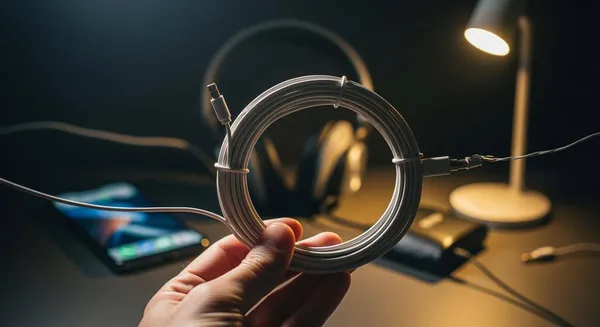
Think about your favorite gadget—maybe your smart speaker, a set of LED lights, or even your home security system. You probably never wonder what makes those devices work so smoothly. The answer often hides inside: 18 awg cable wire. You see, 18 awg cable wire quietly powers your electronics, keeps your lighting safe, and helps your appliances run without a hitch. Manufacturers trust 18 awg cable wire because it handles electrical currents efficiently, prevents overheating, and keeps your devices reliable. If you’ve ever enjoyed crisp sound from your speakers or a bright hallway light, you’ve experienced the secret strength of 18 awg cable wire.
Key Takeaways
- 18 AWG cable wire is essential for powering many everyday devices like LED lights and smart speakers, ensuring they operate smoothly and safely.
- This wire is lightweight, flexible, and has low resistance, making it ideal for low-voltage applications and easy installation in tight spaces.
- Choosing the right wire gauge, like 18 AWG, is crucial for safety and efficiency; it prevents overheating and ensures reliable performance in electronics.
- Always check the ampacity rating of 18 AWG wire to match it with your device's needs, ensuring safe and effective operation.
- Using 18 AWG wire can save you money on materials and installation while providing excellent performance for various applications.
What is 18 AWG cable wire?
AWG system and wire sizing
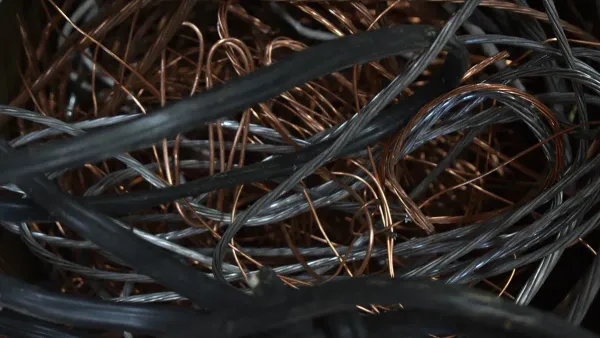
You might wonder what makes 18 awg copper wire so special. The American Wire Gauge system helps you understand wire sizes. This system uses numbers to show the thickness of electrical wire. A lower gauge means a thicker wire, while a higher gauge means a thinner wire. When you see 18 awg copper wire, you know it is thinner than 12 gauge but thicker than 22 gauge. Manufacturers use this wire gauge to match the right wire to the job.
Here’s a quick look at the official diameter of 18 awg copper wire:
| American Wire Gauge | Diameter (inches) | Diameter (mm) |
|---|---|---|
| 18 | 0.0403 | 1.02 |
You see this size often in electronics. 18 awg copper wire works well for low-voltage circuits. It handles up to 10 amps, which fits many lighting and device needs. You get a wire that is safe and reliable for your favorite gadgets.
18 AWG copper wire characteristics
When you pick 18 awg copper wire, you get a wire that is thin, lightweight, and flexible. You can bend it easily, so it fits tight spaces inside devices. The copper material gives you great conductivity. You get less energy loss and more efficiency.
Check out these physical properties:
| Parameter | Value |
|---|---|
| Diameter | 1.0 mm (0.040 inches) |
| Cross-sectional Area | 0.82 mm² |
| Weight per 1000 meters | 21 kg |
| Weight per 1000 feet | 32 lbs |
You notice that 18 awg copper wire has low resistance—about 6.52 ohms per 1,000 feet. This means your electrical wire stays cool and safe. You can use this wire gauge for circuits up to 22 amps in some cases. It works for lighting, sensors, and small motors. You get a cable that is versatile and dependable.
Tip: If you need electrical wire for low-voltage projects, 18 awg copper wire is a smart choice. You get flexibility, safety, and performance all in one wire gauge.
Why 18 AWG cable wire matters
Current capacity and safety
You want your devices to work safely and last a long time. That’s why manufacturers pick 18 AWG cable wire for low-voltage and low-current electronics. This wire has the right ampacity for many everyday gadgets. Ampacity means the maximum amount of current a wire can handle without overheating. For 18 AWG, the ampacity fits most lighting circuits, sensors, and small appliances. You get peace of mind because the wire stays cool and does not cause fires.
Manufacturers also look at the insulation. GXL insulation on 18 AWG wire gives you extra durability. It stands up to heat and chemicals. You can trust this wire in tough environments, like inside cars or near hot electronics. The wire keeps its electrical performance even when things get rough. You don’t have to worry about sudden failures or dangerous shorts.
Tip: Always check the ampacity rating before you use any wire in your project. Using the right ampacity keeps your devices safe and reliable.
Flexibility and versatility
You need a wire that bends and fits into small spaces. 18 AWG cable wire is thin and flexible. You can route it around corners and through tight spots inside your devices. This makes installation easier and faster. The wire works for many uses, from LED lights to doorbells.
Manufacturers love the cost savings, too. Take a look at this price comparison:
| Wire Gauge | Price Range (per meter) |
|---|---|
| 16 AWG | $0.10–$0.30 |
| 18 AWG | $0.07–$0.12 |
When you choose 18 AWG, you save money on both the wire and installation. The lower material volume means less cost up front. Over time, the total cost of ownership stays low because the wire lasts longer and needs fewer replacements. You get great ampacity, flexibility, and value all in one package.
So, next time you turn on your favorite device, remember the secret inside. The right wire with the right ampacity makes all the difference.
18 AWG wire used for everyday electronics
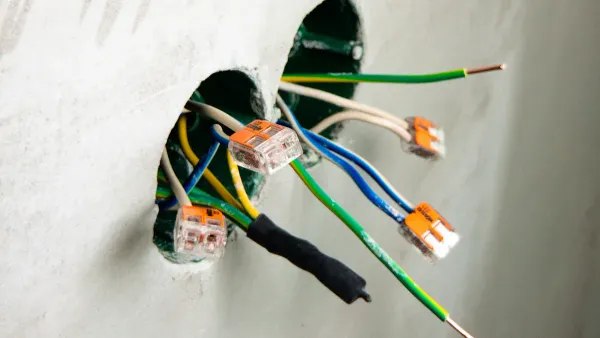
You probably use devices every day that rely on 18 AWG wire. This wire plays a key role in many electronics and wiring systems. Let’s look at some common applications of 18 gauge wire and see how it keeps your favorite gadgets running smoothly.
LED lights and lighting circuits
You see LED lights everywhere—under cabinets, in hallways, and even outside your home. Most of these lighting systems use 18 AWG wire for power distribution within devices. This wire handles low voltage, which means you face less risk of electrical hazards. You can install it easily in tight spaces because it’s flexible and lightweight. The insulation on this wire protects against wear, moisture, and UV damage, so your lighting stays safe and bright for years.
Here’s why 18 AWG wire works so well for lighting:
- Low voltage reduces electrical hazards.
- It’s affordable for both homes and businesses.
- You can install it in small spaces without trouble.
- The insulation stands up to tough conditions.
When you set up new lighting, you want something safe and cost-effective. 18 AWG wire gives you both.
Doorbells and security systems
You count on your doorbell and security system to keep your home safe. These devices use low-voltage wiring, usually between 12V and 24V. 18 AWG wire is perfect for these applications. It’s common in doorbell wiring and security systems because it’s safe to handle and doesn’t need to carry high power.
Here’s what makes 18 AWG wire a smart choice for these electronics:
- It works well in low-voltage systems (50 volts or less).
- You find it in most doorbell and security system installations.
- It’s safe for you to install and maintain.
You get peace of mind knowing your wiring is reliable and safe for your home’s security needs.
Thermostats and automotive wiring
You use thermostats to control your home’s temperature. In your car, you depend on reliable wiring for everything from headlights to sensors. 18 AWG wire used for these applications because it’s flexible and easy to install in tight spots. In HVAC systems, this wire helps regulate temperature by connecting control circuits. In automotive wiring harnesses, it links electrical components and boosts reliability.
Here’s how 18 AWG wire supports these applications:
- It connects control circuits in HVAC and thermostat systems.
- It’s flexible, so you can install it easily in homes and vehicles.
- It improves reliability in automotive wiring by connecting key components.
You see this wire in both home and automotive electronics, making it a go-to choice for many wiring needs.
Speaker wire and small appliances
You want clear sound from your speakers and safe operation from your small appliances. 18 AWG wire helps with both. In speaker wire applications, the thickness of the wire affects resistance and power transfer. Lower resistance means better audio quality, especially for longer wire runs or high-power systems. For small appliances like lamps, fans, and kitchen gadgets, this wire handles internal connections safely and efficiently.
Here’s a quick look at where you’ll find 18 AWG wire:
- Lamps
- Fans
- Kitchen appliances
For speaker wire, 18 AWG has a resistance of about 0.021 ohms per meter. You only notice power loss over very long distances. For most home uses, this wire keeps your audio crisp and your appliances running smoothly.
Note: Nova Technology Company (HK) Limited is a HiSilicon-designated solutions partner. The company specializes in chip-level solutions and system integration for advanced electronics. You’ll find their expertise in applications like smart home devices, automotive electronics, and industrial automation.
You can see how 18 AWG wire supports a wide range of electronics and wiring systems. It’s the hidden hero behind your lighting, security, comfort, and entertainment.
Choosing the right wire for your needs
When to use 18 AWG cable wire
You want your home project to run smoothly and safely. Picking the right wire starts with understanding your device’s needs. 18 AWG cable wire works best for low-voltage applications like LED lighting, doorbells, thermostats, and small appliances. If you’re wiring a speaker system or connecting control circuits, this wire offers the right balance of flexibility and current capacity.
Check out this table for key factors to consider before choosing 18 AWG cable wire:
| Factor | Description |
|---|---|
| Electrical Load | Higher loads need larger wire sizes; check ampacity tables. |
| Voltage Drop | Longer runs increase resistance; keep voltage drop below 3% for critical systems. |
| Operating System Requirements | Match voltage rating, temperature rating, and environmental exposure. |
| Installation Environment | Think about routing, vibration, and outdoor exposure. |
| Number of Conductors | Multi-conductor cables help with complex circuits. |
You should use a different wire gauge if your project involves high-current devices or long cable runs. For example, fire alarms or large appliances need thicker wire to prevent overheating and maintain performance. If you’re running wire over a long distance, a lower gauge (like 12 AWG) keeps voltage drop in check.
Tip: Always check the National Electrical Code (NEC) for guidelines on wire size and installation. Codes change to keep your home safe.
Safety tips for wire replacement
You want to stay safe while working with electrical wire. Here are some simple steps to follow:
- Turn off power at the main breaker before you start.
- Use a voltage tester to make sure wires are not live.
- Never exceed the ampacity rating of your wire.
- Keep your work area dry and clean.
- Wear insulated gloves and safety glasses.
- Use manual wire strippers for prepping wires.
- Install GFCI outlets and safety switches for extra protection.
- If you feel unsure, call a licensed electrician.
Note: Local electrical codes may have special requirements for wire sizes in different applications. Always check before you begin.
You can tackle your next project with confidence. The right wire and safe practices make all the difference.
You see how 18 AWG cable wire keeps your electronics safe and efficient. This wire carries current without overheating, thanks to its ampacity at different temperatures. Many people think thicker wire always works better, but choosing the right size matters more. Smart home systems and new technology rely on this wire for easy upgrades and control. You can appreciate the hidden wire inside your favorite devices. Next time you use your gadgets, remember the secret that makes them reliable.
- Ampacity at 60°C: 14 amps
- Ampacity at 75°C: 18 amps
- Ampacity at 90°C: 22 amps
FAQ
What does “18 AWG” mean?
You see “18 AWG” on wire labels. It stands for “18 American Wire Gauge.” This number tells you the thickness of the wire. Thicker wires have lower numbers. You use 18 AWG for many low-voltage electronics.
Can I use 18 AWG wire for high-power devices?
No, you shouldn’t use 18 AWG wire for high-power devices. This wire works best for low-voltage, low-current gadgets like LED lights or doorbells. For bigger appliances, you need thicker wire to stay safe.
Is 18 AWG wire safe for outdoor use?
You can use 18 AWG wire outdoors if it has proper insulation. Look for weather-resistant or UV-protected insulation. Always check the wire’s rating before installing it outside.
How do I know if 18 AWG wire is right for my project?
Check your device’s current and voltage needs. If your project uses low voltage and doesn’t draw much current, 18 AWG wire works well. You can also check ampacity charts for guidance.
What tools do I need to work with 18 AWG wire?
You need wire strippers, cutters, and a voltage tester. Insulated gloves help keep you safe. You can use manual tools for most home projects. Always turn off power before you start.