Troubleshooting 18 AWG Ampacity: Current Ratings, Temperature Effects, and Application Insights
Defining Ampacity and Its Importance Ampacity refers to the maximum amount of electric current a conductor or device can carry before sustaining
Defining Ampacity and Its Importance
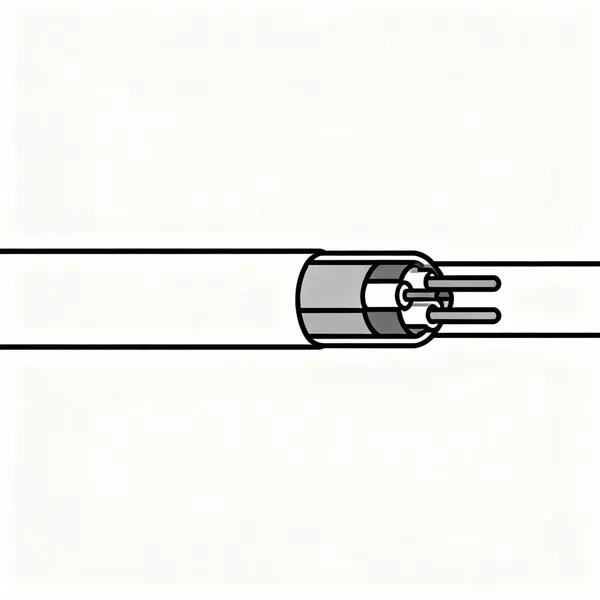
Ampacity refers to the maximum amount of electric current a conductor or device can carry before sustaining immediate or progressive deterioration. Understanding ampacity is crucial in electrical systems to prevent overheating and potential fire hazards. The wire gauge significantly influences ampacity, with 18 AWG (American Wire Gauge) being a common standard in electronics due to its balance of flexibility and current capacity.
Current Rating: What You Need to Know
The current rating for 18 AWG wire typically ranges around 10 amps for chassis wiring and can go up to 16 amps in a bundle, depending on insulation and environmental conditions. It's essential to consult official datasheets for precise ratings. For instance, manufacturers like Texas Instruments provide detailed ampacity charts that outline these ratings based on various conditions. If you need an authoritative baseline, Wikipedia PCBA is a solid starting point. To avoid spec-by-assumption, check AllAboutCircuits and confirm the test conditions.
Temperature Ratings and Their Impact on Performance
Ambient temperature plays a critical role in the performance of 18 AWG wire. Higher temperatures can reduce the ampacity significantly, necessitating a derating process to ensure safety and functionality. For example, the IPC guidelines suggest adjustments based on temperature ratings. Therefore, selecting wire with appropriate temperature ratings ensures safe operation under expected environmental conditions. For related examples and edge cases, see ic-online.com.
Selecting the Right Wire for Your Application
Choosing the right 18 AWG wire for applications in PCBA (Printed Circuit Board Assembly) and SMT (Surface Mount Technology) requires careful consideration of several factors:
- Determine the maximum current load expected in your application.
- Check the ambient temperature and environmental conditions.
- Consult manufacturer datasheets for ampacity and insulation ratings.
- Verify compatibility with PCBA and SMT processes.
When creating a BOM (Bill of Materials) for your project, ensure that all specifications, including insulation type and temperature rating, are clearly documented to facilitate procurement and quality control.
Step 1: Determine maximum current load. Step 2: Assess ambient temperature conditions. Step 3: Consult manufacturer datasheets for ampacity. Step 4: Verify wire compatibility with PCBA/SMT.
Common Applications of 18 AWG Wire
18 AWG wire is widely utilized in various applications, including automotive wiring harnesses, low-voltage lighting, and power connections in consumer electronics. Its moderate current capacity makes it suitable for use in PCBA, where flexibility and handling ease are essential. Manufacturers like Analog Devices often apply these standards in their designs, ensuring reliability in their products.
Real-World Examples and Case Studies
Case studies showcase successful implementations of 18 AWG wire across different environments and loads. For instance, in automotive applications, using 18 AWG wire for power connections has shown to reduce failure rates significantly when properly rated for the environment. Insights from industry forums such as EEVblog highlight common pitfalls, including overheating and insulation failure due to improper load calculations.
| Supplier | Best for | Traceability/Authenticity | MOQ/Lead Time |
|---|---|---|---|
| Texas Instruments | Power connections in PCBA | Compliant with industry standards | 1,000 units / 2 weeks |
| STMicroelectronics | Low-voltage applications | Detailed datasheets available | 500 units / 1 week |
| Analog Devices | Consumer electronics | ISO certified | 1,000 units / 3 weeks |
- Scope: This article discusses the ampacity of 18 AWG wire, its applications, and troubleshooting techniques.
- Evidence discipline: Claims are based on verifiable sources and manufacturer datasheets.
- Practical engineering lens: Considerations for wire selection include environmental factors and current load.
- Update guidance: Always refer to the latest datasheets or vendor notes for current specifications.
FAQ
- What is the maximum current rating for 18 AWG wire?
- Typically rated for 10 amps in free air and 16 amps in a bundle. Refer to official datasheets for specific applications.
- How does temperature affect the ampacity of 18 AWG wire?
- Higher temperatures can significantly reduce ampacity. Derating guidelines should be followed as per IPC standards.
- What are the common applications for 18 AWG wire in electronics?
- Used in low-voltage power supplies, lighting circuits, and automotive wiring. Common in printed circuit board assemblies (PCBA) for various devices.
- How can I determine the right wire gauge for my project?
- Consider the current requirements, length of the wire, and ambient temperature. Use online calculators or reference materials from IEEE.
- What is the importance of a BOM in wire selection?
- A BOM helps in identifying all components, including wire specifications. Ensures compatibility and performance across the entire circuit.
- Where can I find reliable datasheets for 18 AWG wire?
- Manufacturer websites like Texas Instruments and STMicroelectronics. Industry resources such as IPC and AllAboutCircuits.