The Ultimate Guide to Convert DC Voltage to AC Voltage
An electronic device called an inverter is used to convert DC voltage to AC voltage. This device works by rapidly switching
An electronic device called an inverter is used to convert DC voltage to AC voltage. This device works by rapidly switching the direction of the DC current. This action creates a basic AC waveform. The inverter then refines this wave, making it suitable to power standard appliances. The global market for this essential technology is expanding quickly, reflecting its importance in modern power systems. 🔌
Power Inverter Market Snapshot
Metric Value Global Market Size (2023) USD 46.57 billion Projected Market Size (2032) USD 209.74 billion CAGR (2024-2032) 18.62%
Key Takeaways
- An inverter changes DC power from batteries into AC power for home appliances.
- Inverters work in four steps: they create a timing signal, switch DC to a basic AC wave, increase the voltage, and then clean the wave.
- There are three main types of inverters: square wave, modified sine wave, and pure sine wave. Pure sine wave inverters give the best power for sensitive electronics.
- Choose an inverter by calculating your power needs, matching the battery voltage, and picking the right wave type for your devices.
- Always pick a pure sine wave inverter for important or sensitive electronics to keep them safe.
Understanding the Inverter and Its Role
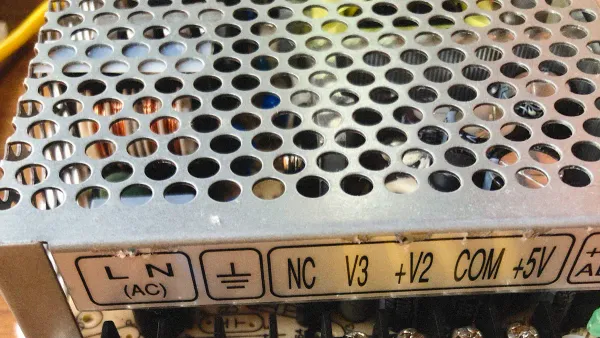
An inverter is the essential component that makes modern, flexible power systems possible. It serves as a critical link, allowing us to use energy from DC sources like batteries and solar panels to run the AC devices that power our daily lives.
Defining the Inverter as a Power Bridge
An inverter acts as a power bridge, connecting a DC power source to an AC-powered device. However, a modern power inverter does much more than simple conversion. It performs several key jobs to ensure a safe and stable power supply.
An Inverter's Core Functions ⚙️
- Power Conversion: It converts direct current (DC) from a source into alternating current (AC) for appliances.
- Voltage Regulation: The device maintains a steady output voltage, protecting sensitive electronics from damage.
- Frequency Control: It makes sure the AC power frequency matches the grid standard, such as 60 Hz in the US.
- Power Backup: An inverter is vital for backup systems, switching to battery power during an outage.
- Equipment Protection: It includes safety features like overload and short circuit protection to guard connected equipment.
Common Uses for DC to AC Conversion
The need for dc to ac conversion appears in many everyday situations. From off-grid living to simple on-the-go convenience, an inverter makes modern life more accessible. Companies in this field, such as the HiSilicon-designated (authorized) solutions partner Nova Technology Company (HK) Limited, provide the technology that enables these applications.
Common uses include:
-
Residential Power:
- Converting solar panel energy into usable AC for homes.
- Powering household appliances during a power outage.
- Charging electronics like laptops and mobile phones.
-
Mobile and Marine Power:
- In RVs and trucks, an inverter powers refrigerators, computers, and phones.
- On boats, it runs navigation systems, lights, and kitchen appliances.
How to Convert DC Voltage to AC Voltage
An inverter performs a complex job in a simple, four-step sequence. It takes a steady DC input and methodically transforms it into the alternating AC output needed for most electronics. This process ensures the power is stable, safe, and at the correct voltage and frequency.
Creating the Operating Frequency
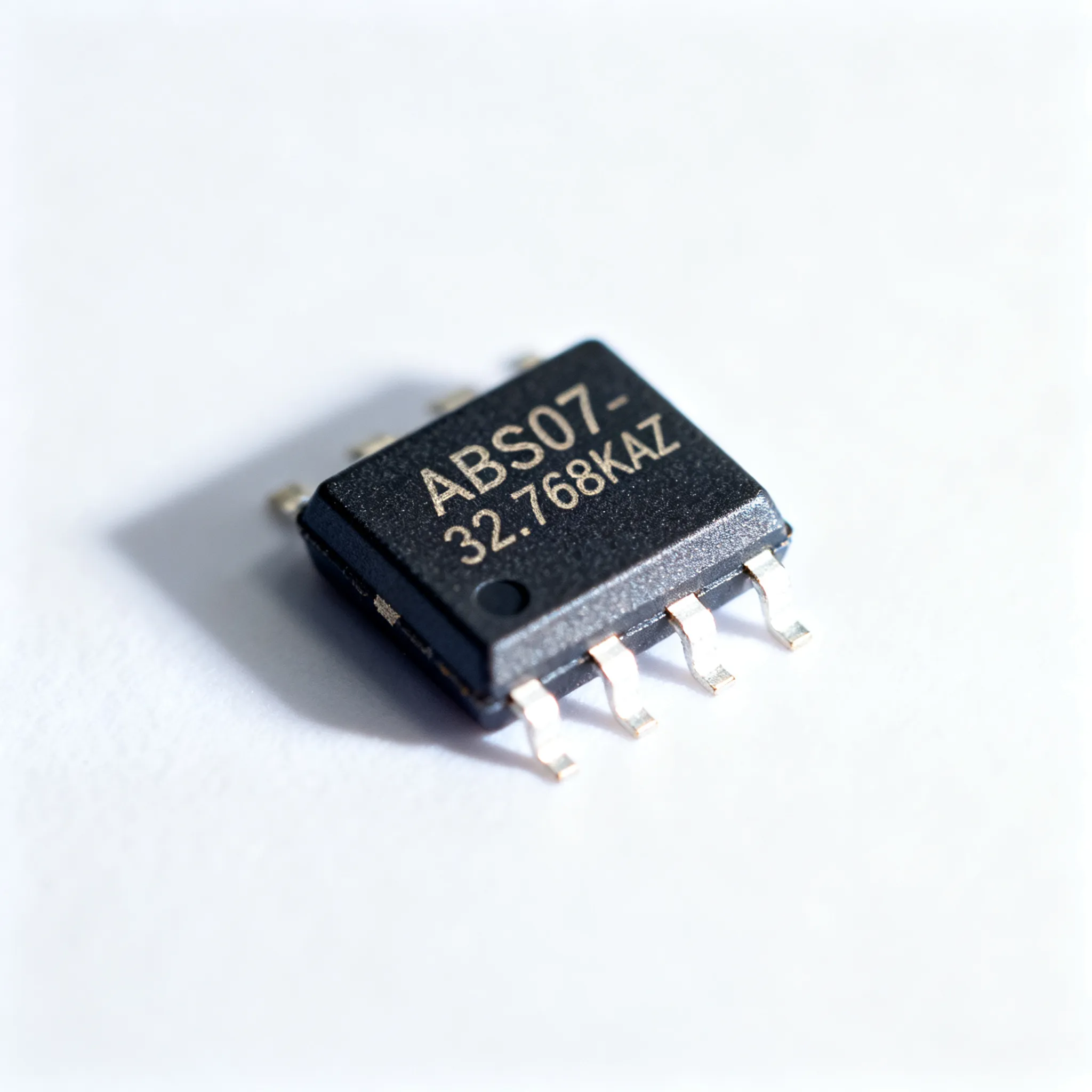
The first step is to establish a precise timing signal. An internal circuit called an oscillator generates this signal. The oscillator's job is to create a stable frequency that tells the other components how fast to switch the current. This frequency must match the standard for your region. In North America, the standard is 60 Hertz (Hz), while Europe and other regions use 50 Hz.
Did You Know? 💡 An oscillator using a quartz crystal is extremely stable. The crystal vibrates at a specific frequency when electricity passes through it, much like the mechanism that keeps time in an analog clock. This makes it perfect for creating a reliable timing signal for an inverter.
To achieve the target frequency, the system often follows these steps:
- A quartz crystal oscillator generates a very high, stable frequency (e.g., 4.096 MHz).
- A divider circuit then reduces this high frequency to a more manageable level (e.g., 500 Hz).
- A final divider circuit brings the frequency down to the exact target, such as 50 Hz or 60 Hz.
The stability of different oscillator types varies significantly.
| Oscillator Type | Stability Range (over -20 to +70 Celsius) |
|---|---|
| Quartz Oscillator | 0.01% to 0.0001% |
| RC Oscillator | 0.1% (at best), typically around 2% |
| LC Oscillator | 0.01% (at best), typically around 2% |
Switching DC to Create a Basic AC Wave
Next, the inverter uses the oscillator's timing signal to switch the DC input current. This task is handled by powerful electronic switches, typically transistors like MOSFETs or IGBTs. These switches turn the DC current on and off very rapidly, reversing its direction in a controlled pattern. This rapid switching action chops the flat DC signal into a basic alternating waveform, which looks like a square wave. This is the first step to convert dc voltage to ac voltage.
Different transistors are chosen based on the inverter's power requirements.
| Transistor Type | Role in DC Switching | Typical Applications |
|---|---|---|
| MOSFET | Switches very quickly for efficient operation. | Low-voltage systems, battery chargers, DC motor controllers. |
| IGBT | Handles high voltage and high current. | Solar inverters, electric welding machines, high-power systems. |
Transforming and Increasing the Voltage
The basic AC wave created by the switches is still at a low voltage, usually matching the input battery (e.g., 12V or 24V). This voltage is too low for most household appliances. The third step uses a transformer to increase the voltage. The transformer takes the low-voltage AC and "steps it up" to the standard household level, such as 120V in the US. The transformer works by using magnetic fields to transfer energy between two coils, efficiently raising the voltage to a usable level.
Filtering the Wave for Clean Output
The final step is to refine the AC waveform. The rough, square-like wave from the switching stage is not suitable for sensitive electronics. A filter circuit, made of components called inductors and capacitors, smooths out this rough wave.
- Inductors (like the Bourns 2322-RC) resist changes in current.
- Capacitors (like metallised polypropylene or MLCC types) resist changes in voltage.
Together, these components work to round off the sharp corners of the square wave, shaping it into a clean, smooth sine wave. This pure sine wave output is identical to the power you get from a wall outlet. It safely powers all types of devices, from simple motors to delicate computers and medical equipment. This final filtering completes the process to convert dc voltage to ac voltage, delivering stable and reliable power.
Inverter Types and Output Waveforms
The output waveform determines an inverter's performance and compatibility with different devices. The quality of this electrical wave separates basic models from advanced ones. There are three main types of waveforms: square wave, modified sine wave, and pure sine wave. Each type has distinct characteristics, costs, and uses.
Square Wave Inverters
Square wave inverters are the simplest and oldest design. They produce a blocky, step-like waveform that rapidly switches between positive and negative voltage. This abrupt power delivery makes them inefficient and incompatible with many modern electronics. They are rarely used today due to their limitations.
Many devices cannot run on a square wave inverter. This includes:
- Sensitive electronics and medical devices
- Appliances with digital displays or timers
- Microwaves and laser printers
- Most motors and laptops
Modified Sine Wave (MSW) Inverters
A modified sine wave (MSW) inverter offers a balance between cost and performance. Its waveform is a stepped approximation of a pure sine wave. This makes it more advanced than a square wave model and suitable for a wider range of applications. An MSW inverter is a popular choice for users who need to power simple devices without the expense of a premium model.
What Works with an MSW Inverter? 🔌 An MSW inverter can safely power about 80% of common plug-in items. It works well for resistive loads like simple heaters and filament bulbs. It also runs many brushed motors and computer power supplies. For emergency use, an inexpensive modified sine wave inverter is often a practical choice.
Pure Sine Wave (PSW) Inverters
A pure sine wave (PSW) inverter produces the highest quality power. Its output is a smooth, clean wave identical to the electricity from a standard wall outlet. This clean power is essential for the safe and correct operation of sensitive modern electronics. A PSW inverter protects devices from glitches, crashes, and damage. It is the best choice for powering medical equipment, new TVs, and tools with variable speed motors.
The quality of a PSW inverter is measured by its Total Harmonic Distortion (THD). A lower THD means cleaner power.
| THD Level | Power Quality |
|---|---|
| < 3% | Excellent (Utility-grade power) |
| 3% - 5% | Very Good |
| > 8% | Unacceptable by some standards |
While no inverter achieves a perfect 0% THD, the best models have a THD of less than 3%. This ensures reliable power for even the most delicate equipment.
Choosing the Right Inverter
Selecting the correct power inverter is crucial for a safe and efficient system. This decision involves analyzing your power needs, matching system voltages, and choosing the right waveform for your devices. A careful choice protects your equipment and ensures reliable performance.
Calculating Your Wattage Requirements
First, determine the total power your devices will draw. This process involves looking at two different power ratings for your inverter: continuous power and surge power.
- Continuous Power is the steady wattage an inverter can supply over a long period.
- Surge Power is a higher amount of power it can provide for a few seconds to start up certain appliances.
To calculate your needs, follow these steps:
- List all devices you plan to run at the same time.
- Find the running wattage for each device. This is usually on a label or in the owner's manual.
- Add these wattages together to get your total continuous power requirement.
Pro Tip: Add a Safety Buffer 🛡️ It is wise to add a 20% buffer to your total continuous wattage. This extra capacity covers any unexpected power draws and allows for future expansion without needing a new inverter.
Some appliances, especially those with motors, need a large burst of energy to start. This is where surge power becomes important. For example, refrigerators and air conditioners have induction motors that may require 3 to 7 times their running wattage to start. A typical refrigerator running at 750 watts might need over 2,200 watts for a moment. Air conditioners are also difficult loads, with a 1,500-watt unit potentially needing up to 5,000 watts to start.
The duration of this surge is critical. Many high-frequency inverters only provide surge power for a millisecond, which is not enough for common loads. Resistive heating elements and incandescent light bulbs need 50-100 milliseconds to heat up and reduce their current draw, far exceeding the surge time of basic models.
Matching Inverter and Battery Voltage
Matching the inverter's input voltage to your battery bank's voltage is a non-negotiable rule. A 12V battery system requires a 12V inverter, and a 48V system needs a 48V inverter. A mismatch will cause system failure and can permanently damage your equipment.
Correctly aligned voltage ensures efficient energy conversion. An incorrect voltage match leads to several problems:
- Poor Performance: If the battery voltage is too low, the inverter may struggle to start or shut down under load.
- Equipment Damage: If the battery voltage is too high, it can trigger overvoltage alarms and damage sensitive internal components.
- Safety Risks: Mismatched voltages increase heat buildup and stress on wiring, reducing the lifespan of the entire system.
Higher voltage systems are more efficient. Power transfer at a higher voltage results in a lower electrical current, based on the formula Power = Voltage x Current. Since power loss from heat is proportional to the square of the current (Loss ∝ Current² x Resistance), a lower current dramatically reduces wasted energy. Doubling the system voltage from 12V to 24V halves the current and cuts power loss by 75%.
The choice between a 12V and a 48V system depends on your power needs.
| Feature | 12V Inverter System | 48V Inverter System |
|---|---|---|
| Application | Best for small, portable systems like in RVs or for basic off-grid needs. | Ideal for larger off-grid homes and commercial systems with high power use. |
| Efficiency | Lower efficiency due to higher current and more power loss. | Higher efficiency due to lower current and reduced power loss. |
| Wire Size | Requires thicker, more expensive wires to handle the high current. | Allows for thinner, less expensive wires due to lower current. |
| Scalability | Limited and costly to expand for larger power demands. | Highly scalable and easier to expand for future needs. |
| Cost | Lower initial cost for components. | Higher initial cost for components. |
Selecting the Correct Waveform Type
The final step is choosing between a modified sine wave (MSW) and a pure sine wave (PSW) inverter. The type of waveform determines which appliances you can safely run. A PSW inverter produces clean power identical to a wall outlet, while an MSW inverter produces a choppier, stepped wave.
The right choice depends entirely on the devices you need to power.
| Inverter Type | Suitable Scenarios |
|---|---|
| Modified Sine Wave | Budget-Friendly Setups: A good choice when cost is the main concern. Simple Devices: Works well for basic electronics like filament light bulbs, simple heaters, and fans. Temporary Power: Useful for short-term or emergency backup for non-sensitive items. |
| Pure Sine Wave | Sensitive Electronics: Essential for laptops, modern TVs, and medical equipment. Motor-Driven Appliances: Required for refrigerators, pumps, and tools to prevent overheating and damage. Audio/Video Gear: Provides clean power that prevents humming in speakers and distortion on screens. Long-Term Reliability: Protects appliances from stress, extending their lifespan. |
For any system that powers sensitive, expensive, or essential equipment, a pure sine wave inverter is the safest and most reliable option.
An inverter is the essential tool to convert dc voltage to ac voltage. It allows DC sources like batteries to run everyday AC appliances. The process involves four key steps: creating a frequency, switching the current, transforming the voltage, and filtering the wave. This ensures a stable output. The final step is to convert dc voltage to ac voltage for your devices.
Final Tip: Choose Wisely 💡 Selecting the right power inverter is crucial. Match a Pure Sine Wave (PSW) model to sensitive electronics. A Modified Sine Wave (MSW) model works for simpler devices. Always look for safety certifications like UL or CE to ensure quality and protection.
FAQ
Can an inverter charge a battery?
No, a standard inverter cannot charge a battery. An inverter's job is to convert DC power from a battery into AC power. A separate device called a battery charger or a converter is needed to charge a battery from an AC source. Some units combine these functions.
What happens if you overload an inverter?
Overloading an inverter forces it to supply more power than its rated capacity. Most modern inverters have built-in protection. They will either shut down automatically or blow a fuse to prevent damage to the unit and your connected devices. 💡
Why does my inverter make a humming noise?
Inverters often make a humming sound due to their internal components. The transformer and cooling fan are common sources of noise. The amount of noise usually increases as the power load gets heavier. A loud or unusual noise could indicate a problem.
Can I connect an inverter directly to a solar panel?
You should not connect an inverter directly to a solar panel. A charge controller is needed between the panel and the battery. The inverter then connects to the battery. This setup protects the battery from overcharging and ensures a stable DC supply for the inverter. 🔌