How EVAP Codes Affect Cars and Electronic Control Units
You see an evap code when your car’s computer detects a problem in the evaporative emission control system. This s
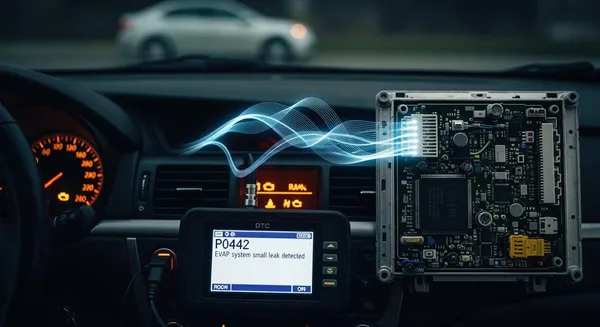
You see an evap code when your car’s computer detects a problem in the evaporative emission control system. This system stops harmful fuel vapors from escaping into the air. An evap code on car often appears due to leaks, faulty valves, or loose gas caps. These issues affect vehicle health and emissions. Problems with the evap system can lead to several types of emissions:
| Type of Emission | Description |
|---|---|
| Refueling Emissions (RE) | Emissions occurring during the refueling process. |
| Running Losses (RL) | Emissions that occur while the vehicle is in operation. |
| Hot Soak (HS) | Emissions that happen after the vehicle has been turned off and the fuel evaporates. |
| Diurnal Losses (DL) | Emissions that occur due to temperature changes throughout the day. |
These emissions contain hydrocarbons and volatile organic compounds, which harm air quality and your car’s performance.
Key Takeaways
- EVAP codes indicate problems in the evaporative emission control system, often due to leaks or faulty components. Addressing these issues helps maintain vehicle health.
- Common causes of EVAP codes include loose gas caps, damaged hoses, and faulty valves. Regular inspections can help identify these problems early.
- Using an OBD-II scanner allows for quick diagnosis of EVAP issues. This tool helps read codes and pinpoint specific faults, making repairs more efficient.
- Ignoring EVAP codes can lead to increased emissions and potential vehicle performance issues. Prompt action protects both your car and the environment.
- Routine maintenance, such as checking gas caps and hoses, can prevent EVAP code recurrence. Simple steps keep your vehicle running smoothly and reduce repair costs.
EVAP System Overview
What Is EVAP?
You encounter the evaporative emission control system in every modern vehicle. This system, often called EVAP, protects the environment by stopping fuel vapors from escaping into the air. You find several main components working together to achieve this goal:
- Fuel tank
- Charcoal canister
- Fuel tank pressure sensor
- Fuel vapor lines
- Fuel vapor switching valve
- Canister vent valve
- Canister filter
- Electronic control module
- Fuel level sensor
- Gas cap
Each part plays a role in capturing and storing fuel vapors. The charcoal canister traps vapors, while valves and sensors monitor and control their movement. You rely on the EVAP system to keep your car running clean and efficient. When you drive, the system prevents the release of volatile organic compounds and other harmful pollutants. This action improves air quality and ensures your vehicle meets environmental regulations.
Tip: If you notice a gasoline smell near your car, the EVAP system may have a leak or malfunction. Prompt inspection helps protect your health and the environment.
EVAP Code Function
You see an evap code when your car’s electronic control module detects a problem in the EVAP system. The module constantly monitors sensors and valves. If it finds a leak, faulty valve, or pressure issue, it triggers an evap code. You may also encounter common evap system error codes, which alert you to specific faults. These codes help you identify problems quickly and prevent further damage.
You often find common evap-related codes in vehicles. These codes guide you to issues like loose gas caps, broken hoses, or malfunctioning canisters. When you address these codes, you maintain fuel efficiency and reduce emissions. You keep your car in good condition and help protect the environment.
EVAP Code on Car: Causes
Common Triggers
You often see an evap code on car when the system detects a leak or malfunction. Many triggers cause evap issues, and you can identify them with a careful inspection. The most frequent causes include leaks, damaged gas caps, faulty solenoids, and deteriorated hoses. You can use the table below to understand these triggers:
| Cause of EVAP Code | Description |
|---|---|
| Leaks in the EVAP system | The most common cause, often due to a loose or missing gas cap. |
| Visual inspection of hoses | Essential first step to identify any disconnections or damage. |
| Damaged gas cap seal | Can occur if the tether gets caught or if the cap is improperly sealed. |
| Purge and vent solenoids | Issues with these components can also trigger EVAP codes, requiring further diagnosis. |
| Deterioration of rubber hoses | Over time, hoses can dry rot, leading to leaks in the system. |
You should check these areas first when you encounter an evap code on car. Quick identification helps you avoid more serious evap issues.
Gas Cap and Hose Issues
Gas cap and hose problems frequently lead to an evap code on car. You may notice the P0442 code, which signals a large leak in the evap system. Many drivers report changing the gas cap or suspecting the J-hose and purge valve as common culprits. You can review the most frequent gas cap and hose issues below:
- Gas cap and hose issues often trigger evap codes, especially P0442.
- Replacing the gas cap can resolve many evap issues.
- The J-hose and purge valve are common sources of leaks.
- You should inspect hoses for cracks, dry rot, or loose connections.
Tip: Always check the gas cap seal and hose connections when you see an evap code on car. Small leaks can cause big problems.
Component Failures
Component failures also cause evap issues. You may see an evap code on car if the purge valve or charcoal canister fails. These parts help recapture fuel vapors for combustion, improving fuel efficiency. If you ignore leaks or faulty components, you waste fuel and increase costs. Leaking fuel vapors also pollute the air and harm your health. You can prevent these problems by diagnosing evap issues quickly:
- A sudden drop in fuel efficiency can signal an evap leak.
- The evap system recaptures fuel vapors, optimizing fuel use.
- Ignoring leaks leads to wasted fuel and higher expenses.
- Fuel vapor leaks release harmful hydrocarbons and VOCs, damaging the environment.
Prompt diagnosis of evap issues protects your car’s performance and reduces environmental impact. You keep your vehicle running efficiently and help safeguard air quality.
Diagnosing EVAP Issues
Onboard Diagnostics
You rely on your car’s onboard diagnostics to monitor the evap system. The electronic control unit checks sensors and valves for leaks or malfunctions. When the system detects a problem, it triggers an evap code and turns on the check engine light. The diagnostic trouble codes help you pinpoint the exact issue. You see codes like P0440, P0442, or P0455, which indicate different types of leaks or failures. The OBDII evap diagnostic system uses pressure differences to detect leaks. It closes the vent valve to create a vacuum in the system. A pressure sensor monitors changes. If a leak exists, the pressure will change, and the system will record a diagnostic trouble code.
Note: Small leaks in the evap system can be hard to find. You need to understand the system and test equipment to locate these leaks.
Using OBD-II Scanners
You use an OBD-II scanner for diagnosing evap issues. This tool reads diagnostic trouble codes from your car’s computer. OBD-II scanners quickly identify specific evap codes, making diagnosis more efficient than manual inspection. You can see codes for loose gas caps, hose leaks, or faulty valves. Advanced scanners allow you to perform activation tests on solenoids and monitor live data. You can also use a smoke machine to diagnose the evap system. Monitor the airflow gauge to spot leaks. Follow these steps for accurate diagnosis:
- Conduct a visual inspection for obvious problems.
- Verify vacuum supply to the purge solenoid with the engine running.
- Use a scan tool to activate solenoids and check their function.
- Isolate the purge solenoid and line to the canister for testing.
- Apply 5 to 7 in.-H2O vacuum to the purge line and check for vacuum retention.
- If vacuum fails to hold, connect a smoke machine to the purge line and monitor airflow and pressure gauge readings.
You need to complete a drive cycle to reset monitors after repairs. The drive cycle allows the system to retest and clear the evap code if the issue is fixed.
Tip: OBD-II scanners provide a targeted approach for diagnosis. Manual inspection may miss small leaks, so combine both methods for best results.
Signs of EVAP Failure
You notice several symptoms when the evap system fails. The check engine light stays on, and you may smell gasoline near the rear of your vehicle. You might struggle to start the engine or notice poor fuel economy. Failed emissions tests are common with evap problems. Look for these signs:
- Loose, missing, or damaged gas cap
- Strong smell of fuel near the vehicle
- Failed emissions inspection
- Pressure in the gas tank
- Check engine light is on
- The check engine light won’t stay off.
- Smelling gas is a red flag.
- Engine struggles to start or stay running.
- Fuel economy drops sharply.
- You fail emissions tests.
You should seek a mechanic’s inspection if you notice these symptoms. Diagnosing evap issues early prevents further damage and protects your health. Accurate diagnosis keeps your car running efficiently and reduces environmental impact.
Alert: If you smell gasoline or see the check engine light, act quickly. Ignoring these signs can lead to costly repairs and failed emissions tests.
EVAP Code Effects
Impact on Performance
When you see an evap code, you might worry about your car’s performance. Most of the time, the evap system does not directly affect how your engine runs. You can still drive your car, and you may not notice any major changes. However, some issues can appear if the problem continues.
- A malfunctioning purge valve can make it hard to start your engine. The air and fuel mixture may not be right, so your car might stall or idle roughly.
- Sometimes, you notice your engine hesitates or feels shaky when you start it. This happens because the engine control module struggles to balance fuel vapors.
Note: While most evap codes do not cause severe performance problems, you should not ignore them. Small issues can grow into bigger ones if left unchecked.
Emissions and Drivability
The evap system plays a key role in controlling emissions. When you ignore an evap code, your car releases more harmful gases into the air. According to EPA data, unresolved evap codes can lead to increased hydrocarbon emissions. These gases harm the environment and can cause your vehicle to fail emissions inspections.
You may also notice changes in how your car drives:
- You might smell gasoline around your car, especially after parking.
- Your car could fail an emissions test due to high hydrocarbon output.
- Sometimes, you experience rough starts or stalling, especially if the purge valve is not working right.
| Effect of Unresolved EVAP Code | Description |
|---|---|
| Increased emissions | More hydrocarbons released into the air |
| Failed emissions inspection | Car does not meet environmental standards |
| Drivability issues | Rough idling, stalling, or hard starts |
🚗 Tip: Always address an evap code quickly. You protect both your car’s performance and the environment.
EVAP and Control Units
Nova Technology Company (HK) Limited stands out as a HiSilicon-designated solutions partner, specializing in advanced chip-level solutions and system integration. You find their expertise in the integrated circuit industry, where they deliver reliable semiconductor applications for automotive control units, including those that manage the evap system. Their solutions support high-performance data processing and robust connectivity, making them ideal for modern vehicle electronics.
Monitoring and Testing
Your car’s electronic control unit (ECU) plays a critical role in monitoring the evap system. The ECU uses several tests to check for leaks and ensure system integrity. You can see how these tests work in the table below:
| Test Type | Description |
|---|---|
| Engine Off Non-Intrusive Test | Detects small leaks by cycling the purge solenoid to equalize the system and monitoring vacuum decay. |
| Engine Running Intrusive Test | Identifies medium/large leaks by comparing the vacuum decay time to internal calculations. |
The ECU also monitors the DM-TL electric air pump current against a calibrated standard. It decides when to start a canister purge based on vehicle conditions and commands the solenoid to open the purge valve. These actions help you maintain the evap system’s performance and prevent emissions problems.
Tip: Regular monitoring by the ECU helps you catch small issues before they become major repairs.
Maintenance Actions
You can reduce the frequency of evap codes by following a few simple maintenance steps. Regular inspections of the evap system help you spot early signs of wear or damage. This practice keeps your vehicle running smoothly and prevents costly repairs. Here are some effective strategies:
- Always tighten the fuel cap until it clicks.
- Inspect and replace any cracked or brittle hoses.
- Use OEM or certified parts for vapor line repairs.
- Avoid using cruise control during highway driving.
- Do not drive with a nearly full tank to maintain proper vapor space.
- Allow a cooldown period after driving, since some tests require the engine to soak with the ignition off.
By following these steps, you help prevent evap code recurrence and keep your car’s emissions in check.
🚗 Note: Routine evap system checks protect your vehicle’s performance and the environment.
What To Do When EVAP Code Appears
Steps for Drivers
You see an EVAP code on your dashboard. You should act quickly to protect your vehicle and the environment. Start with simple troubleshooting steps. Check the gas cap. Make sure it clicks and seals tightly. Inspect hoses near the fuel tank for cracks or loose connections. If you smell gasoline, avoid driving until you fix the issue.
You can use an OBD-II scanner to read the code. Many auto parts stores offer free scanning. Write down the code and look up its meaning. If you find a loose gas cap or damaged hose, replace it. This repair often solves the problem. If the code stays, schedule a visit to a professional auto repair shop. You keep your car safe and avoid failed emissions tests.
🚗 Tip: Addressing EVAP codes early prevents bigger problems and saves money on repair.
Actions for Technicians
You use advanced diagnostic tools to pinpoint EVAP faults. Devices like the Autel MaxiSys series and MK808Z help you read codes such as P0455. These tools monitor EVAP system pressure in real time and locate hidden leaks with pressure tests. You finish most repairs within an hour, with costs ranging from $20 to $400.
| Feature | Description |
|---|---|
| Tools | Autel MaxiSys series and MK808Z |
| Diagnostic Capabilities | Read P0455 and related fault codes, monitor EVAP system pressure in real time |
| Leak Detection | Use pressure test function to help locate hidden leaks |
| Ease of Use | Requires no complex equipment for professional-level diagnostics |
| Repair Time and Cost Efficiency | Problems can often be resolved within 1 hour, costing between $20 and $400 |
You follow a step-by-step process for repair:
- Select Engine from the Vehicle Systems Menu.
- Navigate to Functional Tests.
- Choose Evaporative Emission Canister Purge Valve Leak Test.
- Select Venting (open) or Not Venting (closed).
- Hold the valve in the chosen state for 30 seconds.
- Review the result.
Snap-on Diagnostic Software guides you through troubleshooting. It offers component tests, tips, and automated baselines. You check OEM recalls and technical bulletins before replacing parts. You link to repair information for accurate procedures. This approach ensures efficient and reliable repair.
Note: Using the right tools and following proper steps improves repair quality and reduces repeat visits.
You protect your car and the environment when you understand EVAP codes. Early diagnosis keeps your vehicle running smoothly and prevents harmful emissions. The table below shows how a healthy EVAP system benefits you:
| Aspect | Description |
|---|---|
| Environmental Conservation | Stops pollutants like VOCs from escaping into the air. |
| Emission Reduction | Cuts hydrocarbon emissions by up to 50%, helping keep the air clean. |
| Vehicle Performance | Keeps fuel vapors contained, supporting engine health. |
| Safety and Longevity | Detects leaks early, avoiding engine damage and fire risks. |
You improve accuracy by using the right diagnostic tools. Scan tools, smoke machines, and information systems help you find EVAP problems fast:
| Diagnostic Tool | Function |
|---|---|
| Scan Tools | Show fault codes and test EVAP parts directly. |
| Smoke Machines | Reveal leaks by filling the system with smoke. |
| Information Systems | Give detailed info for each car’s EVAP system. |
🚗 Tip: Take action when you see an EVAP code. Use proper tools and ask a professional for help if needed.
FAQ
What does an EVAP code mean for your car?
An EVAP code signals a problem in your car’s evaporative emission control system. You see this code when the system detects leaks or faulty parts. You should check your gas cap and hoses first.
Can you drive with an EVAP code?
You can drive with an EVAP code, but you risk failing emissions tests and harming the environment. You may notice a gasoline smell or reduced fuel efficiency. You should fix the issue soon.
How do you clear an EVAP code?
You clear an EVAP code by repairing the cause, such as tightening the gas cap or replacing damaged hoses. After repairs, you use an OBD-II scanner to reset the code. A drive cycle may be needed.
What tools help diagnose EVAP issues?
You use OBD-II scanners, smoke machines, and information systems to diagnose EVAP problems. These tools help you find leaks, test valves, and read trouble codes. Many auto shops offer free code scans.
Why does your check engine light stay on after fixing the EVAP system?
Your check engine light stays on if the system has not completed a drive cycle or if the repair did not fix the problem. You should use a scanner to clear the code and confirm the repair.