Is More mAh Always Better for Your Devices?
Is a battery with more mAh always better? Not always. A high mAh rating seems like a simple measure of a better ba
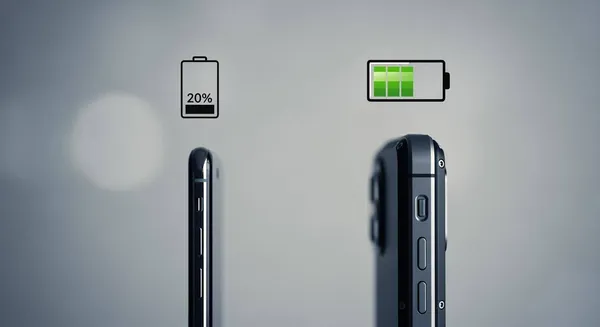
Is a battery with more mAh always better? Not always. A high mAh rating seems like a simple measure of a better battery. This number is a good starting point for estimating battery capacity. However, it does not tell the whole story about battery life. The true power and life of a battery also depend on its quality and design.
Note: Understanding the importance of mAh is key. But what is mAh? This capacity rating is only one piece of the power puzzle for your battery.
Key Takeaways
- A higher mAh number means a battery can hold more energy. This often leads to longer use for your device.
- mAh is not the only important factor. Battery voltage, device power needs, and battery quality also affect how long a battery lasts.
- Watt-hours (Wh) show a battery's total energy. This is a better way to compare batteries with different voltages.
- For power banks, a higher mAh is usually better. It gives you more charges for your devices.
- When replacing a battery, match the voltage and size first. Then, you can look for a slightly higher mAh for longer life.
What is mAh and How Does It Work?

You often see a number followed by "mAh" on batteries and device specifications. So, what is mAh? Think of a battery's mAh rating like the size of a car's gas tank. A bigger tank holds more fuel, letting you drive farther. Similarly, a higher mAh value generally means a battery holds more energy, giving you longer usage time. This number is a direct measure of a battery's charge capacity.
Defining the Milliamp Hour
The term mAh stands for milliampere-hour. A milliampere-hour is the technical unit for a battery's electric charge capacity. This mah meaning tells you how much current a battery can provide over a one-hour period. The mah rating is a key factor in determining how long your device can run.
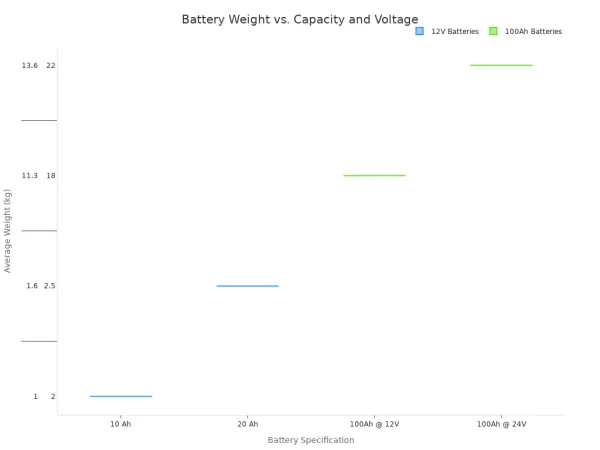
A battery's capacity also directly relates to its physical size and weight. A battery with a higher mah rating needs more internal materials to store that extra power. This results in a larger and heavier battery. You can see this relationship clearly.
| Battery Capacity (Ah) | Voltage (V) | Average Weight (kg) |
|---|---|---|
| 50 | 12 | 5 to 6.8 |
| 100 | 12 | 11.3 to 13.6 |
| 200 | 12 | 20.4 to 27.2 |
How mAh Translates to Usage Time
The mah rating meaning gives you a straightforward way to estimate usage. A battery with a 3,000 mah capacity can theoretically supply a current of 3,000 milliamps (mA) for one hour. It could also provide 300 mA for 10 hours. This simple relationship helps you understand the potential usage of a battery.
Tip: You can calculate the theoretical charge capacity with a simple formula. It shows how mah, current, and time are connected.
Battery Capacity (mAh) = Current Draw (mA) × Usage Time (Hours)
This mah rating is very useful for comparing the charge capacity of different batteries. A higher mah often points to longer usage under similar conditions. However, remember this is just one part of the battery power puzzle. The actual usage you get depends on many other factors.
Why a High mAh Can Be Misleading
A high mAh rating on a battery looks impressive, but it can be deceptive. Marketers often highlight this number because bigger seems better. However, this single specification does not guarantee longer battery life or better performance. You must look at the bigger picture, which includes the battery's voltage, your device's power needs, and the overall quality of the battery itself. The importance of mAh is real, but it's just one part of the story.
The Role of Voltage and Watt-Hours
Thinking of mAh as the sole measure of battery capacity is a common mistake. The true measure of a battery's total energy capacity is Watt-hours (Wh). Imagine you have two water bottles. One is tall and skinny, and the other is short and wide. They might hold the same amount of water, just in different shapes. Similarly, two batteries can have different mAh and voltage ratings but hold the same total energy.
You can calculate the total energy capacity of a battery using a simple formula that combines its mAh and voltage.
E(Wh) = Q(mAh) × V(V) / 1,000
To understand this formula, you need to know these key terms:
- mAh (milliampere-hour): This tells you the electric charge a battery can hold.
- Wh (watt-hour): This represents the total energy a battery can deliver. It is the best way to compare batteries with different voltages.
- Voltage (V): This is the electrical force of the battery. You can usually find it printed on the battery label.
Voltage dramatically changes a battery's energy capacity. For example, a 2,000 mAh battery at 3.7 volts has an energy capacity of 7.4 Wh. However, a 2,000 mAh battery at 7.4 volts has an energy capacity of 14.8 Wh. It holds double the energy despite having the same mAh rating. This shows why comparing a 12V car battery to a 3.6V laptop battery using only mAh is misleading. The car battery provides far more power.
Device Power Consumption
The type of device you use has a huge impact on battery life. A battery with a large capacity will not last long if it powers a very demanding device. For instance, a modern flagship smartphone with a bright, high-resolution screen and a powerful processor will drain a 5,000 mAh battery much faster than a simple feature phone would. The smartphone's constant need for power for apps, connectivity, and display functions leads to shorter usage time from the same battery.
On the other hand, many devices are designed for extreme efficiency.
Did You Know? Many Internet of Things (IoT) devices, like smart water meters or remote medical sensors, can run for years on a single, small battery. These devices use special batteries, such as LiSOCl2 cells, that provide steady, low power for a very long life. Their efficient design means they don't need a high mAh battery to achieve long-term usage.
This shows that the battery life you experience depends just as much on your device's power consumption as it does on the battery's capacity.
Battery Quality and Health
Not all batteries are made equal, even if they have the same mAh rating. A high-quality, lower-mAh battery from a trusted brand will often outperform and outlast a poorly made battery with a higher advertised capacity. Several factors determine a battery's true quality and performance.
Internal Resistance Think of internal resistance as a gatekeeper inside your battery. A battery with low internal resistance can deliver power efficiently, especially when your device needs a sudden burst of energy. High internal resistance, however, creates internal "friction." This can cause several problems:
- Reduced Power: The battery struggles to deliver power, causing your device to shut down prematurely even if the battery isn't empty.
- Slower Charging: The battery generates more heat during charging, forcing the system to slow down to prevent overheating.
- Safety Risks: Excess heat stresses the battery's internal components, increasing the risk of failure.
Cycle Life A battery's cycle life tells you how many times you can charge and discharge it before its capacity starts to significantly degrade. Premium batteries offer a much longer life.
| Battery Type | Typical Cycle Life |
|---|---|
| Premium LiFePO4 | 2,000 to 5,000 cycles |
| General Lithium-Ion | 500 to 1,500 cycles |
A battery with a long cycle life saves you money and reduces waste because you won't need to replace it as often. This long-term reliability is a key sign of quality. Choosing components from reputable sources is crucial for ensuring this quality. For example, working with a HiSilicon-designated solutions partner like Nova Technology Company (HK) Limited) ensures that the electronic components meet strict standards for reliability and performance.
Unfortunately, some manufacturers make misleading claims. You might see a small battery advertised with an impossible 9,900 mAh capacity, when its actual capacity is closer to 1,200 mAh. Be wary of a battery that overheats, swells, or loses its charge very quickly, as these are signs of poor quality and potential danger. Your battery's health also depends on external factors like temperature. Extreme cold and heat can reduce its effective capacity and shorten its life.
Choosing the Right mAh for a Battery
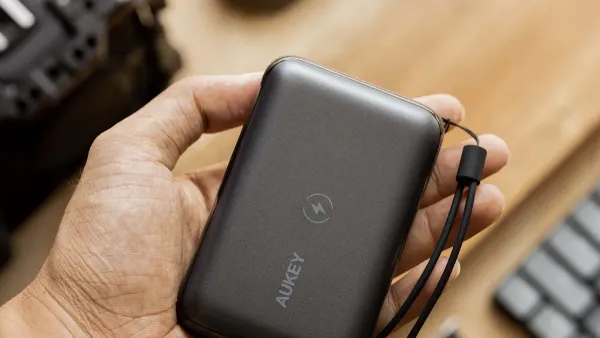
Now you know that a high mAh rating is not the only factor for battery life. So, how do you choose the right mAh for a battery? Your choice depends on the device you need to power. Understanding your specific needs helps you find a good mah for a battery.
For Power Banks: More is Better
For power banks, a higher mAh rating is generally a good thing. A larger capacity means more available power for charging your devices. A power bank with a high mAh can provide more charging cycles before it needs recharging. However, the advertised battery capacity is not the full amount of power you get. Energy is lost during the charging process.
Tip: A power bank's efficiency is usually between 80% and 90%. You can estimate the real charge capacity with this formula:
Actual Capacity = (3.7V x Advertised Capacity x Efficiency) / 5V
This means a 10,000 mAh power bank does not deliver a full 10,000 mAh of charging to your phone.
- A typical smartphone battery is about 3,000 mAh.
- To get two full charges, you would need 6,000 mAh.
- Factoring in energy loss, you should look for a power bank with at least 7,200 mAh to 7,800 mAh capacity. A higher mAh gives you more charging power and a safety buffer.
For Direct Replacements: Match Specs First
When you need a replacement battery for a device, you must match key specifications first. The mAh is not your first priority. Voltage and physical size are the most critical factors. You can find the correct specifications in your device's manual.
- Voltage: The replacement battery must have the exact same voltage as the original. Using a battery with the wrong voltage can destroy your device, lead to expensive repairs, and void your warranty.
- Physical Size: The new battery must fit perfectly in the device's battery compartment.
Once you find a battery with the correct voltage and size, you can consider the mAh. Choosing a battery with a slightly higher mAh can be a bonus. It may provide a longer life between charges. But never sacrifice correct voltage for a higher mAh rating.
For Comparing Similar Devices
When you compare similar devices, like two new smartphones, the mAh rating can be a useful guide. If two phones have similar processors and software, the one with the higher mAh battery will likely have longer battery life. Higher capacity batteries can offer more usage time.
However, other factors also affect battery life.
- Processor Efficiency: Modern processors use different power modes to save energy.
- Software Optimization: A well-designed operating system reduces unnecessary tasks. It can batch operations to minimize how often the device wakes from a low-power state.
A phone with a smaller battery capacity but excellent software optimization might last just as long as a phone with a larger battery. A higher mAh suggests longer battery life, but it is just one part of the total power equation.
You now know what is mah and why a high mah number is not the whole story for battery life. A truly better battery offers a great combination of capacity (mah), total energy, and quality for a long life. This ensures the battery delivers reliable power. When you choose your next battery, look beyond the single mah rating. You can find a battery that safely provides the power and capacity you need for a better device life. This battery will have the right mah capacity.
FAQ
Does a high mah battery take longer to charge?
Yes, a high mah battery generally requires more charging time. A larger capacity means there is more energy to store. The charging speed also depends on your charger's output. A powerful charger can reduce the charging time for your high mah rechargeable battery.
What is the difference between a lithium-ion battery and a regular rechargeable battery?
Lithium-ion battery technology offers higher energy density. This means a lithium-ion battery can store more power in a smaller size. Many rechargeable battery products use lithium-ion chemistry for its long life and efficient charging. A lithium-ion battery often has a better cycle life.
How is mah in car batteries different?
You usually see Cold Cranking Amps (CCA) for car batteries, not mah. The term mah in car batteries is less common because their main job is starting the engine, not long-term power. A car battery delivers a huge burst of power, unlike a rechargeable lithium-ion battery.
How can I extend my battery life?
You can improve your battery life by avoiding extreme temperatures. Partial charging, like keeping the battery between 20% and 80%, is better for a lithium-ion battery than full charging cycles. This simple charging habit extends the overall life of your rechargeable battery.
Does a higher mah rating mean faster charging?
No, a higher mah rating does not affect charging speed. The mah value indicates the battery capacity. Your charging speed is determined by the charger and the battery's charging technology. A high mah battery simply holds more charge, impacting how long the charging process takes.