Integrated Circuit Identification: Methods, Tools, and Best Practices
Integrated circuit identification is very important in today’s electronics. It helps fix broken devices, replace parts, or create new systems. Without it, finding problems or matching parts is very hard. But issues like blank chips, fake ICs, and old manuals make it tricky. Luckily, better tools and methods now make it quicker and easier. If you fix or design electronics, knowing how to identify circuits helps you work faster and more accurately.
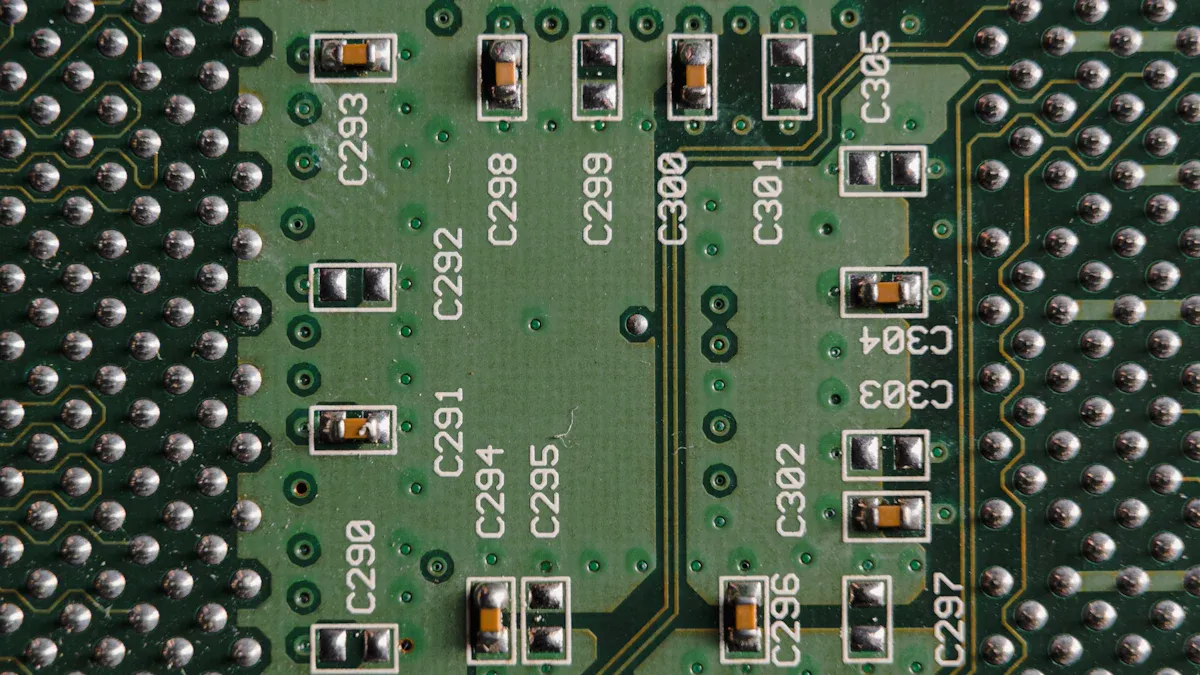
Integrated circuit identification is very important in today’s electronics. It helps fix broken devices, replace parts, or create new systems. Without it, finding problems or matching parts is very hard. But issues like blank chips, fake ICs, and old manuals make it tricky. Luckily, better tools and methods now make it quicker and easier. If you fix or design electronics, knowing how to identify circuits helps you work faster and more accurately.
Key Takeaways
-
Identifying integrated circuits (ICs) is important for fixing gadgets and making better designs. Knowing ICs helps you work faster and avoid errors.
-
Use different ways to identify ICs, like looking at them, testing their electricity, and reading datasheets. Using all these methods gives better results.
-
Stay tidy by labeling and keeping track of your parts. A clean workspace saves time and helps you find parts easily when fixing things.
-
Use websites and apps to quickly learn about ICs. These tools make identification easier and give helpful information.
-
Learn about new trends and technologies. Knowing things like AI and blockchain can make you better at identifying ICs and ready for future challenges.
Overview of Integrated Circuits and Their Role
What Are Integrated Circuits?
Integrated circuits, or ICs, are small electronic parts. They contain tiny components like transistors, resistors, and capacitors. These parts are built into a material called silicon. ICs changed electronics by putting many parts on one chip. This idea started after the transistor was invented in 1947. Later, Jack Kilby made the first working IC in 1958. His invention solved the need for smaller and better circuits.
Today, ICs are very important in electronics. They are in almost every device, like phones and computers. Their small size and ability to do many tasks make them key to new technology.
Importance of ICs in Modern Electronics
ICs help devices work better and use less power. This is important for things like laptops and phones that run on batteries.
ICs also make devices smaller. Without them, we wouldn’t have light gadgets like fitness bands or wireless earbuds. ICs are also used in cars, hospitals, and communication tools. They make devices faster and more reliable to meet today’s needs.
Why Integrated Circuit Identification Is Essential
Finding out what ICs are on a circuit board is important. It helps fix problems and improve designs. If a device breaks, knowing the IC helps find the issue. For example, checking an IC’s pins shows what it does in the circuit.
Knowing ICs also helps make better designs. Understanding how circuits work together can improve systems. Keeping records of ICs makes future repairs or upgrades easier. This saves time and avoids mistakes, especially with complex circuits.
Identification Methods for IC Chips
Visual Inspection Techniques
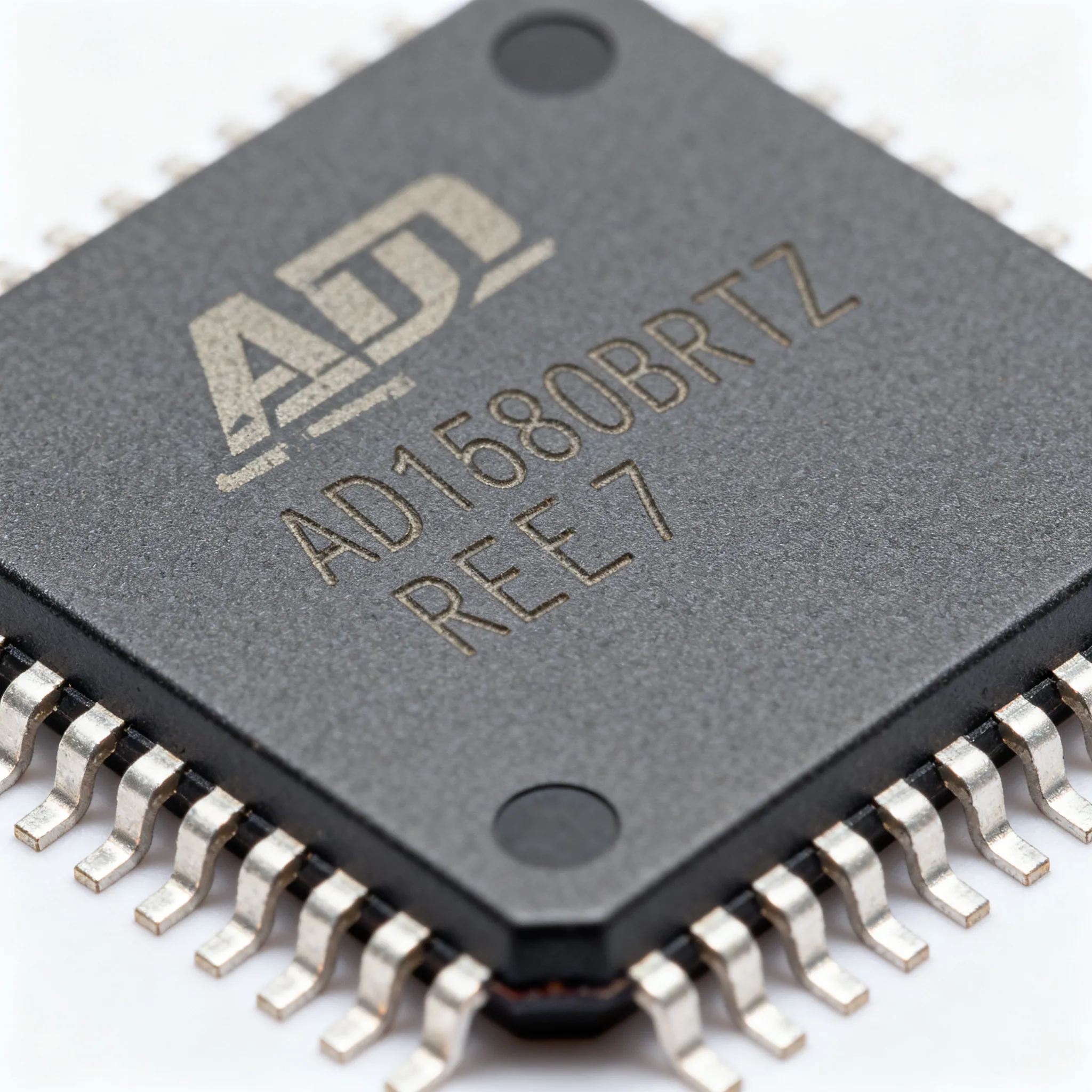
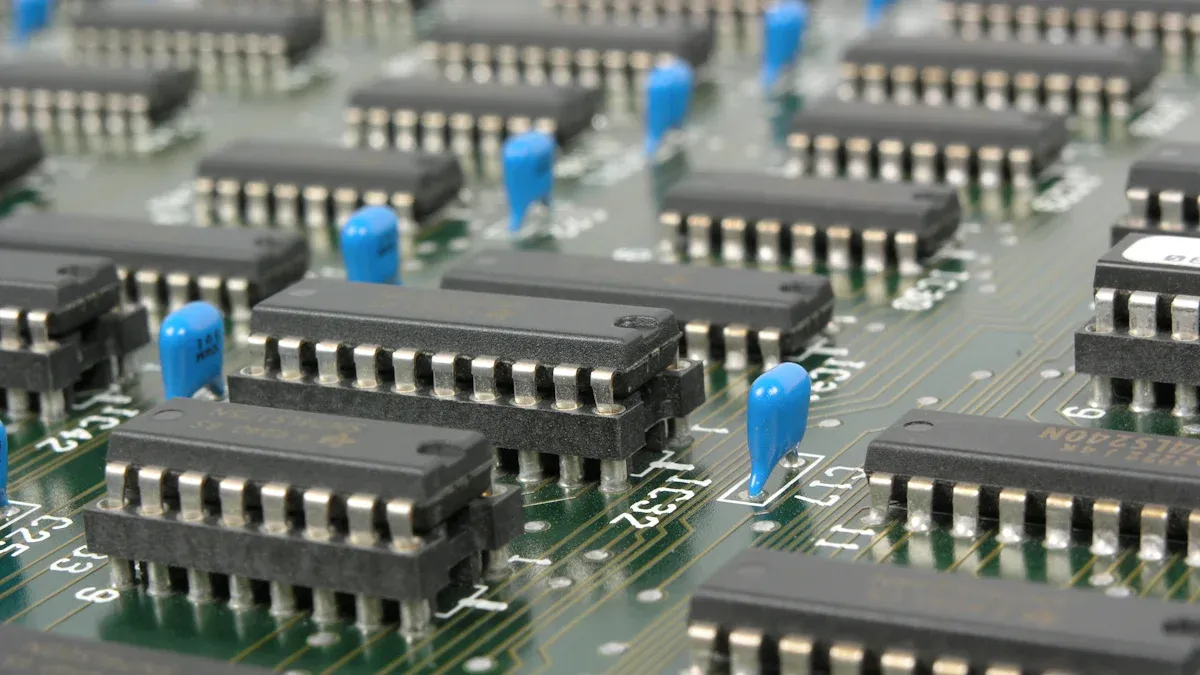
Looking at a chip closely is a simple way to identify it. You can learn about its type, maker, and use by checking its appearance. Look for markings, logos, or numbers printed on the chip. These details help figure out what the chip is and if it’s real.
Using tools like magnifying glasses or microscopes makes this easier. Special lights, like UV or angled light, can show hidden features. Tilting or turning the chip can also reveal important details. On circuit boards, visual checks can spot problems like broken solder or misplaced parts.
For deeper analysis, advanced tools like Scanning Electron Microscopy (SEM) and X-ray imaging are helpful. SEM shows close-up images of the chip’s surface. X-rays let you see inside the chip without breaking it. These methods are great for chips with tricky designs or hidden flaws.
Electrical Testing and Measurement
Testing how a chip works is key to knowing its type. This involves sending signals to the chip and measuring its response. Comparing results to expected values shows if the chip works and what it does.
One way to test is by checking if the chip does its job. For example, you can see if a microcontroller runs instructions or if memory stores data. Another method, MTBF analysis, predicts how long a chip will last before failing. This helps check the chip’s reliability.
Statistical testing is also useful. Taking many measurements helps find patterns in how the chip performs. This makes it easier to spot problems in complex circuits.
Advanced Methods for IC Identification
When basic methods don’t work, advanced techniques can help. These use special tools and software to study the chip’s design, function, and materials.
Non-destructive testing (NDT) is great for keeping the chip safe during checks. Methods like infrared thermography and sound waves can find internal problems without harming the chip. Energy Dispersive Spectroscopy (EDS) analyzes the chip’s materials to spot fake or mislabeled parts.
For very complex chips, circuit tracing maps out connections between parts. Tools like logic analyzers or oscilloscopes track signals through the circuit. This shows how the chip works with other components.
Using both advanced and basic methods gives a full way to identify chips. Whether dealing with old, fake, or custom chips, these tools ensure accurate results.
Using Datasheets and Part Numbers
Datasheets and part numbers are helpful for finding out about integrated circuits. They give details about a component’s features, making it easier to know how it works and if it fits your needs. Learning to use these tools well can save time and prevent mistakes when fixing or designing circuits.
What Are Datasheets?
A datasheet is a paper or file with all the important facts about a component. It shows things like how much voltage it needs, its size, and how its pins are arranged. For example, it tells you the temperature it can handle or the limits for current. This helps you decide if the part is right for your project.
Datasheets also explain the chip’s casing, called the package. Packages like DIP, QFP, or BGA tell you how the chip looks and fits on a board. The datasheet also has pictures of the pinout, which shows where each pin goes and what it does. This is important for connecting the chip correctly.
How Part Numbers Help
Part numbers are special codes printed on chips. They help you find the right datasheet for the component. These codes often tell you the size, type, and maker of the chip. For example, codes like 0805 or 0603 show the size of small parts. By matching the part number to the datasheet, you can check the chip’s details and make sure it’s real.
If you see letters, numbers, or logos on a chip, you can search online for its datasheet. Many companies let you download datasheets for free. Websites like Digi-Key or Mouser also help you find datasheets using part numbers, making it simple to get the info you need.
Tips for Using Datasheets and Part Numbers
-
Start Simple: Look for part numbers or logos on the chip. Use these to find the datasheet.
-
Focus on Key Details: Check things like voltage, current, and temperature limits. These help you know if the part will work for your project.
-
Match the Package: Make sure the chip’s package fits your circuit board. This avoids problems when putting it together.
-
Use Online Tools: Websites like Digi-Key or manufacturer pages have lots of datasheets. These make finding information easier.
Tip: Always read the datasheet carefully to confirm the part’s details. This helps avoid mistakes and ensures it works with your design.
By using datasheets and part numbers together, you can figure out what integrated circuits are and how to use them. These tools give you all the facts you need to fix, design, or improve circuits.
Tools and Resources for Integrated Circuit Identification
IC Databases and Online Platforms
Online platforms and databases are great for identifying ICs. They give details like datasheets, specs, and compatibility info. Websites such as Octopart, Digi-Key, and Mouser let you search by part number or brand. You can also filter results by voltage, size, or function.
Some sites have user reviews and forums. These let you learn from others and avoid errors. For example, if you're unsure about a chip, you can read discussions or ask questions. This teamwork saves time and helps you find the right IC.
These tools also keep you updated on new and old ICs. Many databases add new parts often, so you can find both current and outdated components. Whether fixing, designing, or troubleshooting, these resources are very helpful.
Mobile Applications for IC Identification
Mobile apps make IC identification easy and quick. With a phone, you can find details about circuit parts fast. Apps like "ElectroDroid" and "IC Master" let you scan part numbers or search manually. They show pin diagrams, voltage info, and even tips for fixing problems.
The best thing about apps is their portability. You can use them at your desk or while checking circuits in the field. Some apps link to online databases, giving you access to tons of IC info. This mix of ease and features makes apps very useful for circuit work.
Many apps also have extra tools like calculators for resistance or voltage. These help you do quick math without extra gadgets. Using apps can speed up your work and make IC identification simpler.
Equipment for IC Analysis
Special tools are key for studying and identifying ICs. Devices like logic analyzers, oscilloscopes, and multimeters test how chips work. They show how chips connect with other parts, helping you understand their role.
Advanced tools like X-ray machines and Scanning Electron Microscopes (SEM) give deeper insights. These are great for studying complex chips or spotting fake ones. X-rays let you see inside chips without breaking them. SEMs show detailed images of chip surfaces.
As electronics grow more advanced, better tools are being made. These tools meet the needs of industries like consumer tech and factories. Investing in good equipment ensures accurate results and reliable circuits.
When picking tools, think about your needs and budget. Simple tools like multimeters are cheap and useful. Advanced ones like SEMs cost more but offer more detail. No matter what, having the right tools is crucial for IC work.
Software Tools for IC Design and Testing
Software tools are very helpful for designing and testing integrated circuits. They let you check how circuits work before making them. Using these tools saves time, avoids mistakes, and ensures your designs work well.
Key Features of IC Design and Testing Software
Modern software for IC design has many useful features. These make your work easier and faster:
-
Schematic Capture: You can draw and edit circuit diagrams. This shows how parts connect and work together.
-
Simulation and Analysis: Test your design virtually to find problems like weak signals or wasted power.
-
Layout Design: Arrange parts on the chip to fit size limits and meet rules for manufacturing.
-
Verification Tools: Check your design for mistakes by comparing diagrams with layouts.
Tip: Pick software that helps with both designing and testing. This makes it easier to go from idea to finished product.
Popular Software Tools for IC Design
Many software tools are used in the industry. Each has special features for different tasks:
-
Cadence Virtuoso: Great for designing analog and mixed-signal circuits. It offers advanced tools for testing and layouts.
-
Mentor Graphics PADS: Best for PCB design, with strong tools for checking errors.
-
Synopsys Design Compiler: Focuses on digital ICs with features for improving designs.
-
LTspice: A free tool for simulating circuits, good for beginners and experts.
Making IC Testing Better with Software
Testing is very important when creating ICs. Software tools make testing faster and more accurate:
-
Organized Testing Setup: A clear setup makes it easy to test all parts of the IC.
-
Universal Verification Methods (UVM): Using UVM with System Verilog helps find and fix problems early.
-
Result Analysis: Studying test results helps you create better tests and improve designs.
Note: Choose software with strong testing features to avoid design mistakes.
Example: Writing Code for IC Simulation
Some software lets you write code to test your designs. For example, you can use Verilog or VHDL to model circuits. Here's a simple Verilog code for a 2-input AND gate:
module AND_gate (input A, input B, output Y);
  assign Y = A & B;
endmodule
This code creates an AND gate with two inputs (A and B) and one output (Y). You can test this design to make sure it works before building it.
Picking the Right Tool
Choose software based on your needs. For analog circuits, pick tools with strong simulation features. For digital designs, look for software with advanced testing options.
Pro Tip: Start with free tools if you're new to IC design. Later, try advanced tools as you gain experience.
Using the right software tools makes IC design and testing easier. These tools help you work faster and create better circuits that perform well.
Challenges in IC Identification and Solutions
Identifying Old or Unmarked ICs
Old or unmarked chips can be hard to figure out. Older systems often use parts from unreliable sources, which may lead to fake components. This is a big problem for military systems that still use older chips. When parts become unavailable, fake ones can sneak into the market. Also, copied chips made without the original maker’s approval can be risky.
To solve these problems, special tools like decapsulation machines can uncover hidden labels. Websites with old datasheets can also be helpful. Talking to experts or joining online forums can give tips for identifying rare or unmarked chips.
Spotting Fake ICs
Fake chips are a serious problem in electronics. Over half of fake parts are in four groups: analog, memory, microprocessors, and programmable logic. Cheaper parts make up 42% of fake chips, showing how easily they spread. Fake chips can harm devices and even cause safety issues in important systems.
To fight this, you can use advanced tools like X-rays or Energy Dispersive Spectroscopy (EDS). These methods check if a chip is real without breaking it. Buying from trusted sellers and keeping records of purchases can also lower the chance of getting fake parts.
Lack of Documentation
Missing manuals or datasheets can make it tough to understand a chip, especially older or custom ones. Without these, figuring out how a chip works is tricky. The problem gets worse as chips become more complex and new threats, like Hardware Trojans (HTs), appear.
|
Problem |
Why It’s Hard |
|---|---|
|
HTs are tiny and their effects can blend with normal signals. |
|
|
HTs activate rarely |
They only work under specific, hard-to-predict conditions, making them tough to detect. |
|
Many types of HTs |
Different HTs need different ways to find them, making it hard to use one method for all. |
|
Complex chip designs and attacks |
As chips get more advanced, HTs and their tricks also become harder to detect. |
To deal with this, reverse engineering can help recreate missing information. Simulation software can also test how a chip behaves to guess its purpose. Keeping up with new trends in the industry can prepare you for challenges with modern chip designs.
Handling Complex or Custom ICs
Complex or custom integrated circuits (ICs) can be tricky to identify. These chips are made for special tasks, so they’re harder to study than regular ones. But with the right steps, you can figure them out and use them properly.
Steps to Identify Complex ICs
-
Check the Circuit Board
Look at the board where the IC is placed. Notice nearby parts and how they connect. This can hint at what the IC does. For example, if it’s close to memory, it might be a processor or controller. -
Trace Connections
Follow the IC’s connections and study how it works. Tools like oscilloscopes and logic analyzers can help you see signals going in and out. This is useful for custom chips without manuals. -
Ask for Help
Join online groups or talk to experts for advice. Websites like Reddit’s electronics forum or EEVblog let you share pictures or details. Others might know the chip or give tips to identify it.
Tools for Custom IC Analysis
|
Tool |
What It Does |
|---|---|
|
Logic Analyzer |
Tracks digital signals to learn the IC’s job. |
|
Oscilloscope |
Measures voltage changes to study the IC’s actions. |
|
Decapsulation Tool |
Removes the chip’s cover to find hidden markings or designs. |
Tip: Write down everything you learn about custom ICs. Good notes save time if you need to check again later.
Using these steps and tools, you can handle even the hardest ICs. Stay patient and work carefully for the best results.
Best Practices for Accurate and Efficient IC Identification
Organizing and Labeling Components
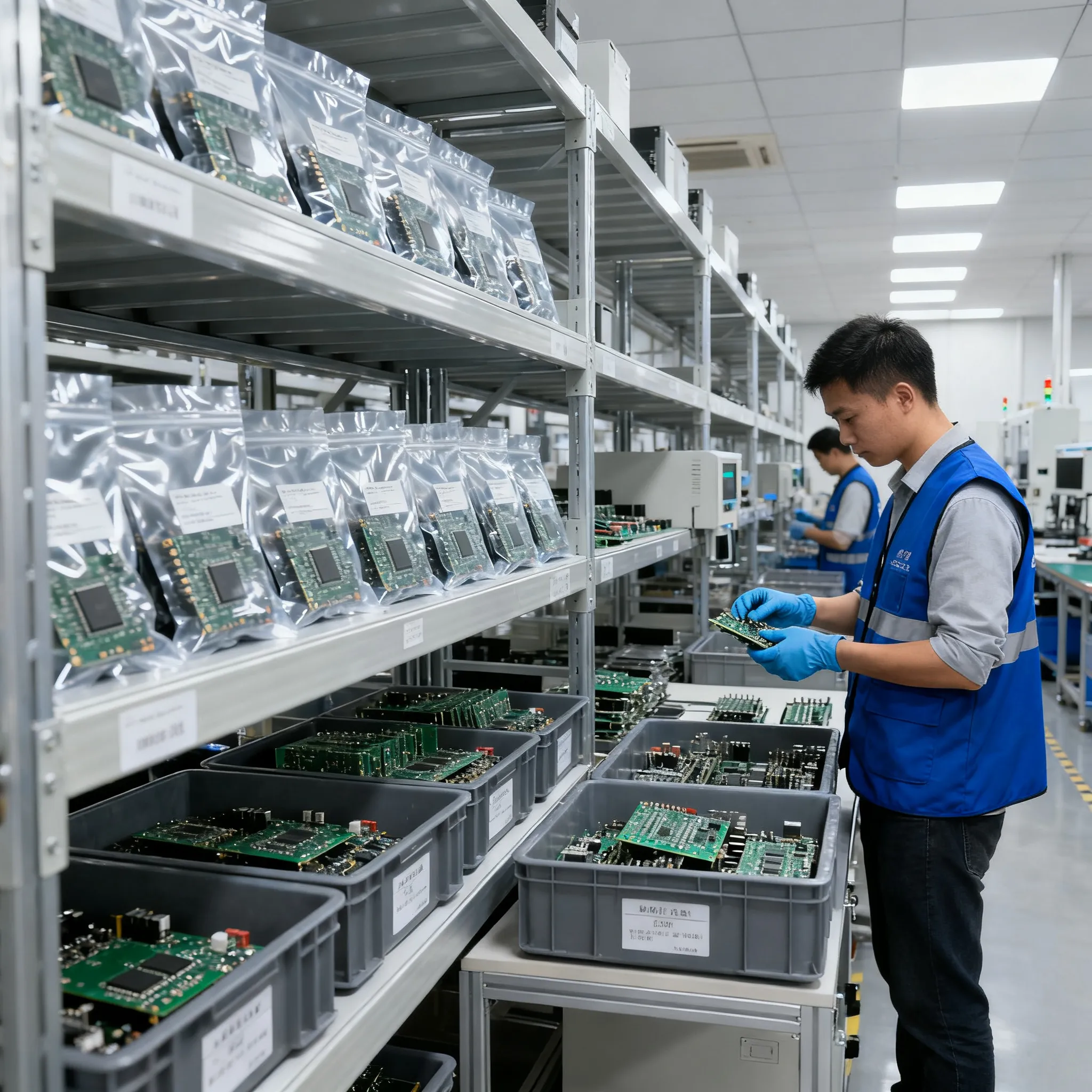
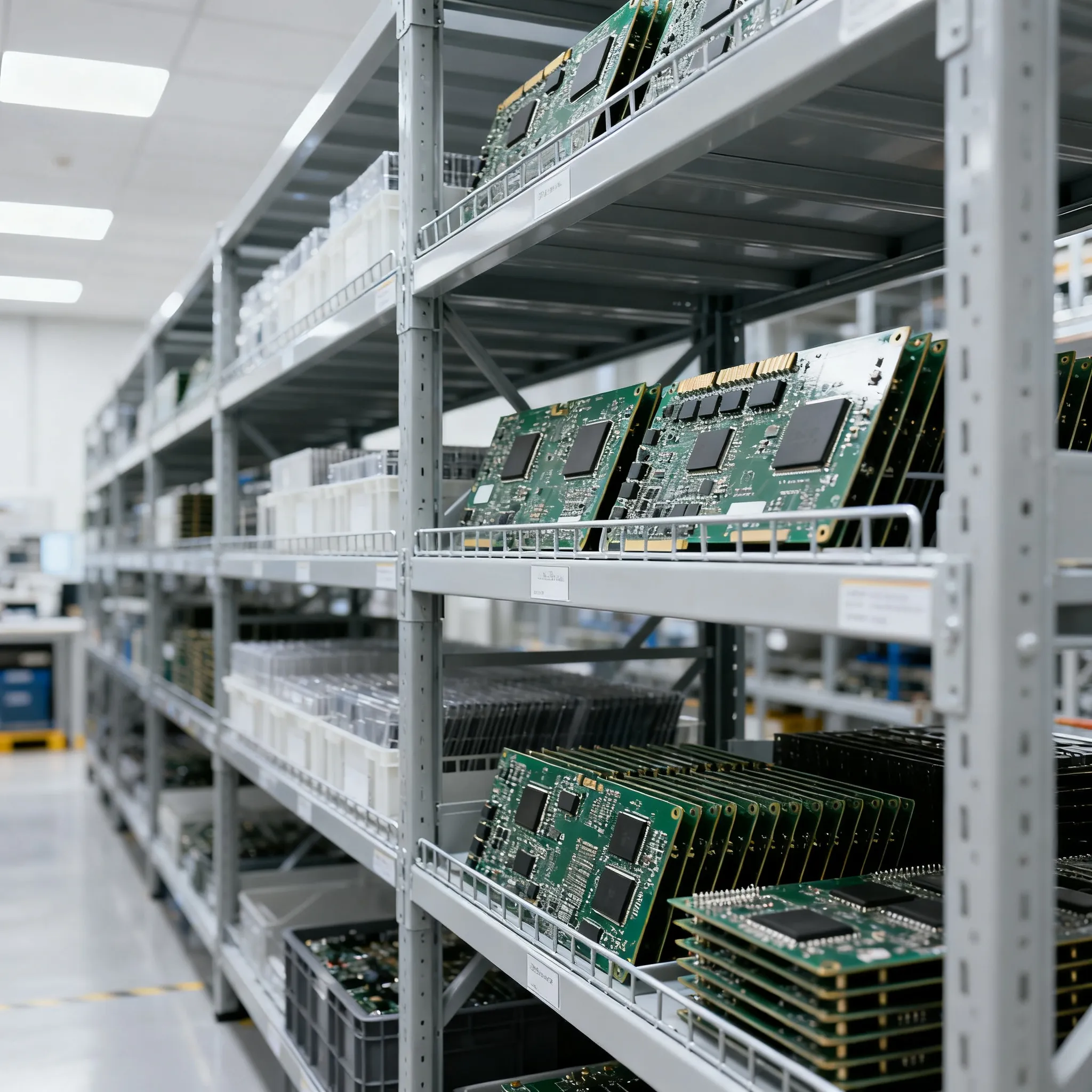
Keeping parts organized and labeled makes identifying them much easier. A clean workspace with clearly marked components helps avoid mistakes. Use stickers or colored markers to label ICs by type, job, or maker. This makes finding the right part faster during repairs or testing.
For instance, labeling parts can save time on tricky circuit boards. Group similar ICs, like memory chips or controllers, and mark them clearly. This way, you won’t waste time searching through unmarked pieces.
Tip: Make a list or spreadsheet to track your labeled parts. Add details like part numbers, datasheets, and where they’re stored for quick access.
Combining Multiple Identification Methods
Using more than one method improves how well you identify ICs. Techniques like looking at the chip, testing it, and reading its datasheet each provide useful details. When combined, these methods give a clearer picture of the chip’s role and reliability.
Studies show that mixing methods works better. For example, using segmentation with P = 32 finds defects faster and more accurately than P = 16. This proves that combining approaches leads to better results.
To try this, start by checking the chip for markings or numbers. Next, test it to see if it works properly. Finally, read the datasheet to confirm its specs and uses. This step-by-step process reduces mistakes and ensures correct identification.
Pro Tip: Keep a checklist of methods to make sure you don’t miss any steps.
Staying Updated with Industry Trends
Learning about new trends is key to improving IC identification skills. The electronics world changes quickly, with new tools and ideas appearing often. Staying informed helps you adjust your methods to keep up with modern needs.
Some current trends include faster computing, better medical tools, and eco-friendly designs. For example, energy-saving ICs are in demand to help lower carbon emissions. Growing markets in places like Asia-Pacific also push for creative ICs.
|
Trend |
What It Means |
|---|---|
|
High-Performance Computing |
Need for special ICs to handle tough tasks, like AI. |
|
Precision Medicine |
Demand for ICs that improve medical tools and treatments. |
|
Sustainability |
Focus on energy-saving ICs to cut power use and pollution. |
|
Emerging Markets |
More electronics use in fast-growing areas like Asia-Pacific. |
To stay updated, read industry news, join events, and take part in online groups. These sources offer helpful tips on new technologies and ways to identify ICs better.
Note: Keeping your knowledge fresh ensures your methods stay useful and up-to-date.
Teaming Up with Experts and Groups
Working with skilled people and joining groups can make identifying ICs simpler. You can learn from their tips, advice, and real-life experiences. This saves you time and effort.
Why Teamwork Helps
Experts have spent years working with ICs. They can help you figure out rare chips, fix problems, or suggest tools you might not know about. Communities bring together people with different skills. Whether you're new or experienced, you can always learn something by connecting with others.
Tip: Teaming up with others helps you solve issues and stay updated on new tools and ideas.
How to Work Together
-
Join Online Groups
Websites like EEVblog, Reddit’s r/Electronics, and Stack Exchange are great for asking questions. Share clear pictures of the chip or board and explain the problem. People often reply quickly with helpful advice. -
Go to Events
Attend workshops or webinars about electronics and IC design. These events let you meet experts, ask questions, and try out tools. -
Be Part of Maker Groups
Join communities like Hackaday.io or local maker spaces. These groups focus on hands-on learning and teamwork. -
Ask Professionals
For tricky projects, reach out to industry experts. Many offer advice or technical help.
Why Teamwork is Useful
|
Teamwork Type |
What You Get |
|---|---|
|
Online Groups |
Fast answers and different viewpoints |
|
Workshops/Webinars |
Talk directly with experts |
|
Maker Groups |
Learn by doing and solving problems |
|
Professional Help |
Detailed advice and trusted solutions |
Note: Share what you learn with others. Your knowledge could help someone else with a similar issue.
By teaming up with experts and groups, you create a support system. This makes identifying ICs easier and improves your skills.
Future Trends in IC Identification Technologies
AI and Machine Learning for IC Identification
AI and ML are changing how we identify chips. These tools study big data to find patterns and make predictions. For example, CNNs help spot features and sort chip designs. RNNs and LSTMs predict things like power use and delays. These methods improve designs and make chips more reliable.
AI is also great at finding errors. GANs-based algorithms catch problems that older methods might miss. Using AI saves time and makes identifying chips more accurate.
Blockchain for IC Traceability
Blockchain helps track chips safely through their life cycle. Each chip gets a digital record stored on a shared ledger. This record shows details like who made it and when. You can use this info to check if the chip is real and trace its history.
Blockchain is useful for stopping fake chips. It keeps all transactions clear and secure. This builds trust in the parts you use. Industries like cars and medical tools are using blockchain to protect their supply chains.
Innovations in Imaging and Testing Tools
New imaging and testing tools make chip identification better. High-resolution X-rays and SEM let you see inside chips without breaking them. These tools show tiny details that help study chips closely.
Many industries need these tools as chip use grows. By 2035, areas like automation and electronics will use more chips:
|
Segment |
2024 Value (USD Billion) |
2035 Value (USD Billion) |
|---|---|---|
|
Industrial Automation |
11.5 |
19.0 |
|
Consumer Electronics |
9.0 |
14.6 |
|
Telecommunications |
7.5 |
12.5 |
|
Automotive |
5.0 |
8.0 |
|
Medical Devices |
3.49 |
6.9 |

These tools help meet the growing need for better and more dependable chips.
Integration of IC Identification in IoT Systems
Identifying integrated circuits (ICs) is very important for IoT devices. As IoT gadgets become more advanced, managing their ICs is key. This ensures they work well, stay secure, and can grow with new technology.
Why IC Identification Is Important in IoT
ICs in IoT devices handle tasks like sending data and saving power. Knowing which ICs are in your devices helps you:
-
Avoid Problems: Make sure ICs work well with other parts.
-
Boost Security: Spot fake ICs that could harm device safety.
-
Improve Efficiency: Use IC details to make devices work better.
Tip: Keep your IC list updated to track new parts in IoT devices.
How IC Identification Helps IoT
IC identification supports many important IoT tasks:
-
Device Verification
Use IC identification to check if IoT devices are real. This stops fake devices from joining your network. -
Preventing Breakdowns
Watch how ICs perform to find problems early. This saves money and reduces downtime. -
Tracking Components
Follow ICs to ensure IoT devices use real parts. Blockchain can help by securely recording where ICs come from.
Example: IC Identification in Smart Homes
Think of a smart thermostat that adjusts your home’s temperature. Its ICs manage tasks like sensing heat and connecting to Wi-Fi. If one IC breaks, identifying it quickly helps fix the thermostat fast.
What’s Next?
As IoT grows, IC identification will use AI and machine learning. These tools will make the process faster and more accurate.
Note: Learn about new IC identification tools to keep up with IoT changes.
Finding out what integrated circuits are is very important in electronics. It helps you fix problems, make better designs, and do repairs correctly. Learning this skill saves time and avoids expensive errors.
Keeping parts neat and trying different ways to identify them makes your work easier. New tools, like special software and imaging machines, help you work faster and better. These tools make fixing things simpler and teach you more about circuits.
Learning about new technology keeps you ready for future problems. Cool ideas like AI and blockchain will change how you fix and identify circuits.
Tip: Keep practicing with tools and learning new skills to get better at repairs and stay ahead in electronics.
FAQ
What is the easiest way to identify an integrated circuit?
Start by looking closely at the chip. Check for part numbers, logos, or other markings. Use a magnifying glass or phone app to see tiny details. Then, search online for datasheets or databases to learn more.
How can you tell if an IC is counterfeit?
Use tools like X-ray imaging or Energy Dispersive Spectroscopy (EDS). Look for strange markings or odd packaging. Always buy from trusted sellers and check the part number with the manufacturer’s datasheet.
What should you do if an IC has no markings?
Follow the chip’s connections on the circuit board. Use tools like oscilloscopes or logic analyzers to study signals. Ask experts or join online groups for help. Reverse engineering can also show what the chip does.
Are mobile apps reliable for IC identification?
Yes, apps like "ElectroDroid" and "IC Master" are helpful. They let you scan part numbers or search for details. Always double-check the app results with datasheets or trusted websites to be sure.
Why is IC identification important for IoT devices?
It helps make sure parts work well together and stay secure. Knowing your ICs improves performance and fixes problems faster. It also makes upgrades and repairs easier in the future.
Tip: Write down all ICs in your IoT devices to save time during repairs or updates.