How to Understand a Starter Motor Solenoid Wiring Diagram
Ever stared at a wiring diagram for starter motor solenoid and felt lost? You’re not alone. Many people get overwh
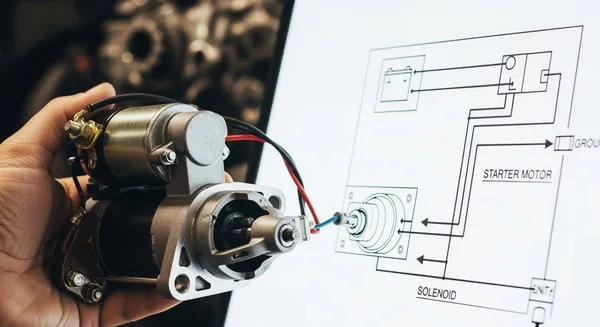
Ever stared at a wiring diagram for starter motor solenoid and felt lost? You’re not alone. Many people get overwhelmed by all the lines, symbols, and colors. You can learn to understand these diagrams with a little guidance. Knowing how to read them helps you fix issues faster and keeps your repair costs down. Let’s make the process simple and stress-free.
Key Takeaways
- Understand the role of the starter solenoid. It acts as a relay, controlling power to the starter motor when you turn the ignition.
- Familiarize yourself with the main terminals: B for battery, S for starter, and I for ignition. Correct connections are crucial for proper function.
- Use standard wire colors to avoid mistakes: red for battery, purple for starter, black for ignition, and greenish-yellow for ground.
- Always double-check your wiring against the diagram. This prevents errors that could lead to starting issues or damage.
- Prioritize safety when working with electrical components. Disconnect the battery and wear protective gear to avoid accidents.
Starter Solenoid Basics
What Is a Starter Solenoid?
You might wonder what role the starter solenoid plays in your car. The starter solenoid acts as a high-powered electrical relay. When you turn the ignition key or press the start button, the starter solenoid controls the power delivery to the starter motor. Here’s how it works:
- The starter solenoid receives a small current from the ignition switch.
- This small current closes a circuit inside the starter solenoid.
- The closed circuit allows full battery power to flow to the starter motor.
- The starter motor then cranks the engine so your car starts.
If the starter solenoid fails, the circuit does not complete. Your engine will not turn over, and you might hear nothing or just a click. The starter solenoid is essential for starting your vehicle. You can find different types of starter solenoids in vehicles. Some sit on the starter itself, while others mount on the fender well or firewall. Push button starter solenoids are popular in classic cars and allow manual operation for maintenance. Advanced designs include features like soft engagement and current-limiting resistors, which boost performance and reliability. Some modern starter solenoids even offer diagnostic capabilities.
Nova Technology Company (HK) Limited stands out as a HiSilicon-designated solutions partner. The company specializes in chip-level solutions and system integration for the integrated circuit industry. Nova Technology Company (HK) Limited provides advanced application scenarios, supporting automotive electronics, industrial automation, and smart devices with robust IC solutions.
Why Proper Wiring Matters
You need to wire the starter solenoid correctly to keep your vehicle safe and reliable. Incorrect wiring can cause a range of problems. Here are some common risks:
- If you turn the ignition and nothing happens, the starter solenoid might not be wired right.
- A single click means the starter solenoid tries to engage but may be stuck.
- Repeated clicking could point to a dead battery or a faulty starter solenoid.
- The engine might start without the key, which is dangerous.
- If the starter stays engaged, it can damage the starter motor.
- Your car might work only sometimes, showing the starter solenoid is failing.
Other dangers include severe thermal burns, arc flashes, melted wiring, blown fuses, or even fire. Incorrect wiring can also damage vehicle electronics or safety systems like airbag modules. In rare cases, a car battery explosion can happen if hydrogen gas ignites. Always double-check your starter solenoid wiring to avoid these issues.
Wiring Diagram for Starter Motor Solenoid: Key Parts
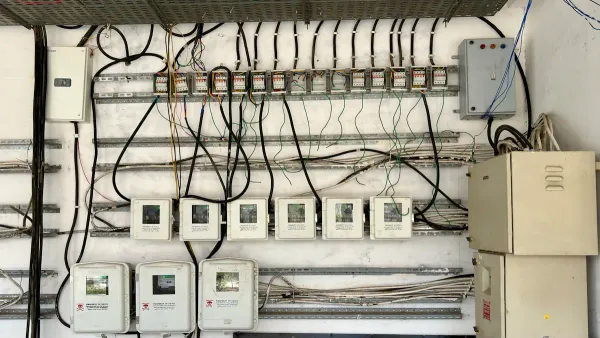
Main Terminals (S, B, I) Explained
When you look at a wiring diagram for starter motor solenoid, you’ll see three main terminals. Each terminal has a unique job. Here’s what you need to know:
- B Terminal (Battery or BAT/B+): This terminal connects to the positive battery post. It supplies high current to the starter solenoid.
- S Terminal (Starter or START): You connect this terminal to the starter motor. When you turn the key, power flows from here to the starter motor.
- I Terminal (Ignition or IGN): This terminal receives a signal from the ignition switch. It activates the solenoid and helps start the engine.
You’ll also find a ground connection. This completes the circuit and usually connects to the vehicle chassis or engine block. If you follow the wiring diagram for starter motor solenoid, you can spot these terminals quickly.
Wire Colors and Battery Connections
Wire colors help you match the right wires to the correct terminals. Most wiring diagrams for starter motor solenoid use standard color codes. Here’s a quick guide:
| Terminal | Wire Color | Function |
|---|---|---|
| B | Red | Positive battery supply |
| S | Purple | Power to starter motor |
| I | Black | Ignition signal |
| Ground | Greenish-yellow | Circuit completion |
You connect the red wire to the B terminal for battery power. The purple wire goes to the S terminal. Remove the black wire from the ignition and use a 12-gauge wire from the original black wire terminal to the positive on the distributor. The greenish-yellow wire usually handles grounding.
Common Symbols in Wiring Diagrams
Wiring diagrams use symbols to show connections and components. You’ll see battery symbols, ground marks, and lines for wires. Arrows often show the direction of power flow. Boxes or circles mark terminals like S, B, and I. If you learn these symbols, you can read any wiring diagram for starter motor solenoid with confidence.
Tip: Always double-check wire colors and terminal labels before you connect anything. This prevents mistakes and keeps your starter motor safe.
How to Wire a Starter Solenoid: Step-by-Step
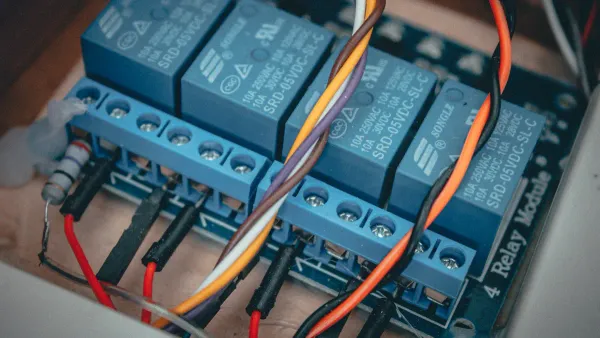
Identifying Diagram Components
Before you start wiring, you need to know what you’re looking at on the starter solenoid wiring diagram. Most diagrams show a solenoid with two large terminals and one or two smaller ones. The large terminals handle heavy current. One connects to the battery, and the other goes to the starter motor. The smaller terminals, usually labeled 'S' and 'I', control the ignition and accessory circuits. You’ll often see the 'B' terminal for the battery, the 'S' terminal for the start signal, and the 'M' terminal for the motor.
Wire colors can help you match each wire to its correct spot. Red or yellow wires usually carry power from the ignition switch. Black wires often mean ground. The battery cable is usually red, and the wire to the starter motor might be a thick brown or orange wire. Always check your vehicle’s starter wiring diagram, because color codes can change between models. This step helps you avoid mistakes when you put everything back together.
Tip: Keep your wiring diagram close by. Double-check each label and color before you connect anything.
Connecting the Wires Correctly
Now, let’s get hands-on with how to wire a starter solenoid. Safety comes first. Disconnect the battery before you touch any wires. Wear insulated gloves and safety glasses. Make sure your car is in Park or Neutral, and set the parking brake.
Here’s a simple step-by-step guide for how to wire a starter solenoid:
- Find the Terminals: Look for the B (battery), S (start), and M (motor) terminals on the solenoid.
- Attach the Battery Cable: Connect the positive battery cable to the 'B' terminal. Use a heavy-gauge, well-insulated wire (at least 10-12 AWG) to prevent overheating.
- Connect the Starter Motor Cable: Attach the cable from the 'M' terminal to the starter motor.
- Wire the Ignition Switch: Connect the ignition switch power wire (often red) to the 'S' terminal.
- Secure the Ground: If there’s a black ground wire, fasten it to a clean metal surface on the car’s body or engine.
- Double-Check Everything: Make sure all connections are tight and match the diagram.
- Reconnect the Battery: Once you finish, reconnect the battery and get ready to test the system.
Safety Reminder: Never skip safety steps. Always disconnect the battery before you start. Avoid touching live wires to prevent shocks or electrical arcing.
Power Flow and Sequence
Understanding how a starter works helps you see why each wire matters. When you turn the key or press the start button, you send voltage to the 'S' terminal on the solenoid. This voltage energizes the solenoid’s electromagnetic windings, creating a magnetic field. The field pulls a plunger inside the solenoid, which pushes a disc against contacts that connect the 'B' and 'M' terminals.
Here’s what happens in the starting circuit, step by step:
- You turn the key to the 'start' position.
- Battery voltage flows from the ignition switch to a relay under the hood.
- If the neutral safety switch is set (car in Park or Neutral), the relay closes.
- Voltage flows to the starter solenoid.
- The solenoid closes the circuit between the battery and the starter motor.
- The starter motor activates and pushes the pinion gear forward.
- The pinion meshes with the engine’s flywheel, turning the crankshaft.
- The crankshaft starts the combustion cycle, and the engine fires up.
- When you release the key, the pinion retracts, and the starter system powers down.
This sequence shows how a starter works and why each connection in the starting circuit is important. If you follow your starter solenoid wiring diagram and these steps, you’ll wire your starter safely and correctly every time.
Note: If your car doesn’t start after wiring, double-check each connection and make sure the battery is fully charged.
Troubleshooting and Common Mistakes
Frequent Wiring Errors
You might run into a few common mistakes when wiring a starter solenoid. These errors can cause weak starting or even prevent your car from starting at all. Here are some issues you should watch for:
- Using an activation wire that is too thin. This wire cannot deliver enough power, so the solenoid coil fails to pull properly. You may notice slow or weak starting.
- Incorrect wiring puts stress on your electrical system. Switches and other electronic parts can get damaged.
- Faulty wiring often gets damaged by heat, vibrations, or wear. Poor connections lead to a malfunctioning solenoid and unreliable starting.
If you see repeated starting problems, check your wiring for these issues. Small mistakes can add up and cause bigger trouble.
How to Check Your Work
After you finish wiring, you need to make sure everything works as it should. You can use a few simple tools and steps to verify your connections:
- Grab a multimeter. Set it to DC voltage just above 12 volts.
- Connect the positive lead to the blue wire and the negative lead to the battery’s negative post. You should see a 12-volt reading.
- Turn the ignition key to 'START'. The multimeter should show the same voltage as your reference reading.
- Test the neutral safety switch. Put the positive lead on the battery’s positive post and the negative lead on the switch return wire.
- Make sure the transmission is in PARK or NEUTRAL. You should see a voltage reading. In other gears, the reading should drop to zero.
Here’s a quick look at useful diagnostic tools:
| Tool | Description |
|---|---|
| Multimeter | Measures voltage and checks continuity. |
| Jumper Cables | Tests battery power before the solenoid. |
| Protective Equipment | Keeps you safe during testing. |
Tip: Always double-check your wiring with a multimeter before you reconnect the battery.
Safety Tips
Safety matters every time you work with starter solenoid wiring. You can avoid injuries and protect your car by following these tips:
- Stay clear of moving parts like the v-belt. These parts can cause serious injuries.
- Use a rubber mallet or a piece of wood to tap the starter if you need to troubleshoot. Ask someone to turn the ignition while you stay safe from moving components.
- If you suspect a wiring issue, bypass the ignition wiring with a direct connection from the battery to the starter solenoid. This helps you rule out voltage drops.
Remember, patience and caution help you avoid mistakes and keep your starter solenoid working smoothly. 🛡️
You can master starter solenoid wiring by following a few key steps:
- Identify the Battery (B), Start (S), and Motor (M) terminals.
- Know that turning the key sends voltage to the 'S' terminal.
- Watch how the solenoid connects 'B' and 'M' to power the starter.
Using a wiring diagram boosts reliability and helps you avoid mistakes.
Check your wiring during oil changes. Look for loose wires or signs of heat. Keep this guide handy—practice builds your confidence every time you work on your car! 🚗
FAQ
How do you know if your starter motor solenoid wiring is correct?
You can check your starter motor wiring by using a multimeter. If you see the right voltage at each terminal, your starter should work. Always compare your connections to the wiring diagram for your starter motor.
What happens if you wire the starter motor solenoid wrong?
If you wire your starter motor solenoid incorrectly, your starter may not turn the engine. You might hear clicks or nothing at all. Wrong wiring can damage your starter motor or cause electrical problems in your car.
Can you use any wire for the starter motor?
You need to use heavy-gauge wire for your starter motor. Thin wires cannot handle the high current needed for the starter. Always check your starter motor wiring diagram for the correct wire size.
Why does your starter motor click but not crank?
A clicking sound from your starter motor usually means the solenoid gets power, but the starter does not turn. You might have a weak battery, loose connections, or a faulty starter motor. Check your wiring and battery first.
How often should you check your starter motor wiring?
You should inspect your starter motor wiring during regular maintenance. Look for loose wires, corrosion, or signs of heat. Keeping your starter motor wiring in good shape helps your starter work reliably every time.