How a 5V Voltage Regulator Protects Your Electronic Devices
A 5v voltage regulator keeps your electronic devices safe by converting higher input voltages to a steady 5 volts. You avoid
A 5v voltage regulator keeps your electronic devices safe by converting higher input voltages to a steady 5 volts. You avoid damage and malfunction when you use a regulator for your project. Voltage stability matters because fluctuations can harm sensitive parts and lead to costly repairs. Many beginners think voltage dividers or smoothing capacitors alone provide stable output, but only a voltage regulator can maintain reliable voltage. Place capacitors close to the regulator to prevent instability. You need this protection for any electronic device powered by batteries or adapters.
- Common misconceptions:
- Voltage dividers do not work as regulators.
- Capacitors are vital for regulator stability, not just for smoothing.
- Zener diodes are not efficient for most applications.
Key Takeaways
- A 5V voltage regulator keeps your devices safe by providing a steady 5V output from higher voltages, preventing damage from voltage spikes and fluctuations.
- Linear regulators offer simple, clean voltage but waste power as heat, while switching regulators provide higher efficiency and less heat with more complex design.
- Voltage regulators protect your electronics by preventing overloads, shutting down when too hot, and smoothing voltage with capacitors placed close to the regulator.
- Using a voltage regulator ensures your microcontrollers, sensors, and USB devices work reliably and last longer, no matter the power source.
- Always check your regulator’s input voltage limits, add capacitors for stability, and test your setup to avoid heat and noise problems in your projects.
5V Voltage Regulator Basics
What Is a 5V Voltage Regulator
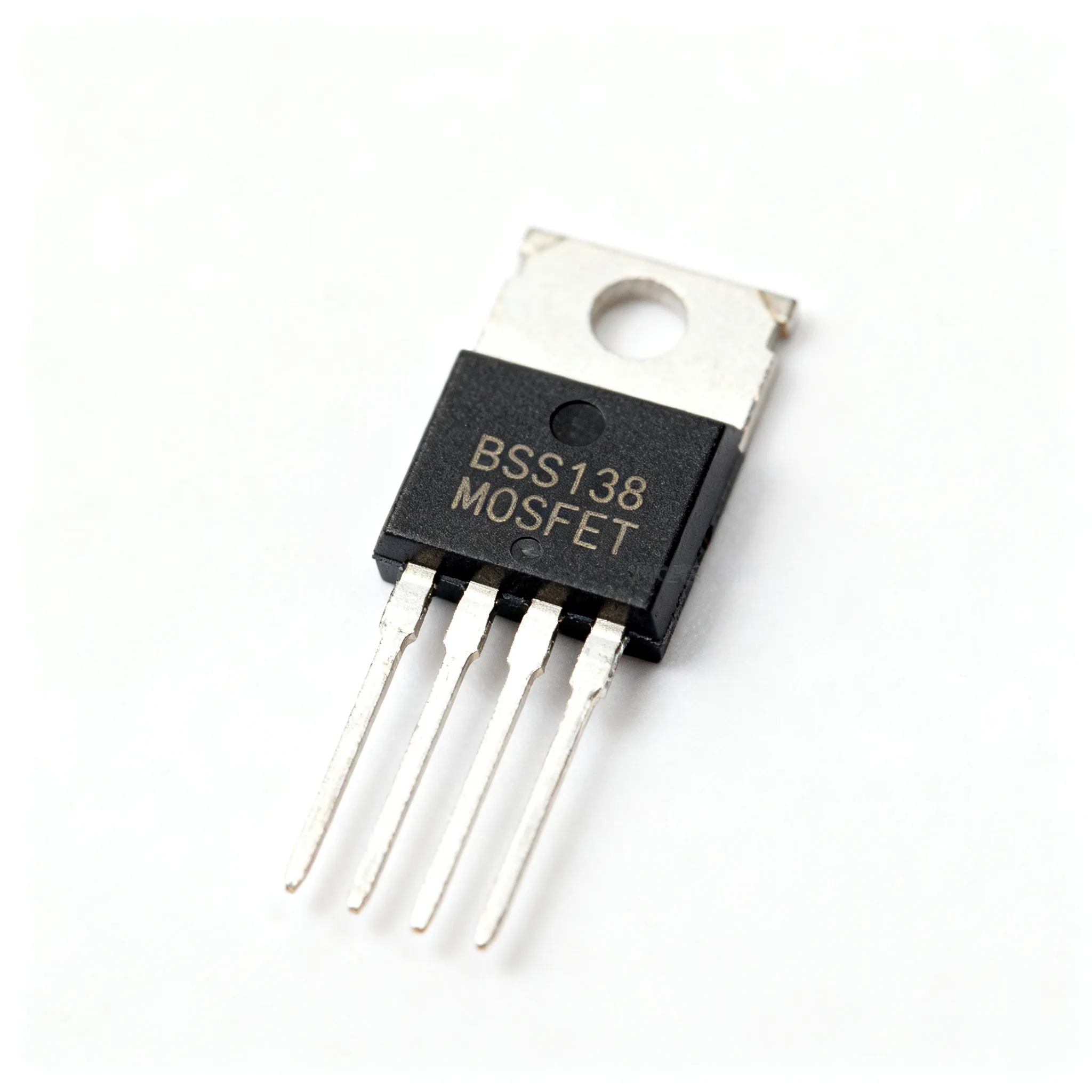
You use a 5v voltage regulator to keep your devices safe and working properly. This small integrated circuit takes a higher voltage, like from a 9V battery, and changes it into a steady 5V output. You need this constant output voltage for microcontrollers, sensors, and many other electronics. The 7805 is a popular example of a linear voltage regulator. It has three pins: input, ground, and output. You connect the input to your power source, and the regulator gives you a regulated output at 5V. You often add capacitors to the circuit for extra stability.
Tip: Always check the maximum input voltage for your voltage regulator. Most standard regulators handle up to 15V, but you should keep it below 10V for safe operation and better efficiency.
Here is a table showing common parts in a voltage regulator project:
| Component Type | Examples / Values |
|---|---|
| Transistors | 2N3906, 2N3904, BD140 |
| LEDs | Green 3mm LED |
| Resistors | 1KΩ, 10KΩ, 470Ω, 560Ω |
| Capacitors | 10µF 25V |
| Miscellaneous | Heatsink, wires, board |
How It Works
You rely on a voltage regulator to convert higher input voltages into a stable 5V regulated power output. Linear regulators, like the 7805, use a transistor and an error amplifier to keep the output voltage steady. They need the input voltage to be at least 2V higher than the output. If you use a much higher input, the regulator wastes extra power as heat, which lowers efficiency and can cause overheating.
Switching regulators, also called buck converters or step-down regulators, work differently. They chop the input power using a high-speed transistor, then filter it to create a smooth 5V output. This method gives you high efficiency, even with a big difference between input and output voltage. Switching regulators can handle input voltages from 6V up to 50V and still provide a regulated output. You get less heat and better power management for your project.
| Aspect | Linear Regulator | Switching Regulator |
|---|---|---|
| Efficiency | Drops with higher input | Stays high (80-95%) |
| Heat Dissipation | High | Low |
| Noise/Ripple | Very low | Higher, needs filtering |
| Complexity | Simple | More complex |
You should choose a switching regulator when you need high efficiency and want to avoid wasting power. Use a linear regulator when you need a clean output voltage and your input voltage is close to 5V.
Voltage Regulator Protection

Prevents Voltage Spikes
You often face voltage spikes when you use batteries or plug your device into a wall adapter. These sudden jumps in voltage can damage sensitive parts like microcontrollers or sensors. A voltage regulator protects your electronics by keeping the output voltage steady, even if the input voltage jumps. For example, some regulators use special circuits with MOSFETs and amplifiers to limit the voltage and current during a spike. When a spike happens, the regulator acts quickly to block the extra voltage and keep your device safe. You do not need large, bulky filters because the regulator handles these surges on its own. This protection is very important in places like cars or factories, where power can change suddenly.
Note: Adding capacitors near the regulator helps remove any leftover spikes or noise, making the output even smoother.
Maintains Stable Output
You want your device to work the same way every time you turn it on. A voltage regulator gives you a constant output voltage, even when the load changes or the input voltage drops. Inside the regulator, a feedback loop checks the output voltage and compares it to a reference. If the output changes, the regulator adjusts itself to bring the voltage back to the right level. This process happens very fast, so your device always gets the voltage it needs.
- The 7805 regulator uses a bandgap reference for accuracy.
- An error amplifier checks for any difference between the output and the reference.
- A pass transistor changes its resistance to keep the output steady.
A switching regulator also uses feedback but works by turning the power on and off very quickly. This method keeps efficiency high and reduces wasted energy. Both types of regulators help your device run longer and avoid problems from unstable power.
Tip: For microcontrollers, you should keep voltage ripple below 100mV peak-to-peak. Use small capacitors (10-100nF) close to the power pins for best results.
Guards Against Overload
Sometimes, your device may draw too much current, or a short circuit may happen. A voltage regulator protects against these problems with built-in safety features. Most regulators have overcurrent protection. If the current goes above a safe level, the regulator limits it to prevent damage. If the regulator gets too hot, thermal shutdown turns it off until it cools down. This keeps both the regulator and your device safe from overheating.
Some regulators use transistors to sense overloads. When they detect too much current, they reduce the output or shut down. You may also see an LED light up to show there is a problem. These features work together to protect your electronics from accidents or mistakes during wiring.
| Protection Feature | How It Works | Benefit to Your Device |
|---|---|---|
| Overcurrent Protection | Limits current during overload or short circuit | Prevents damage to components |
| Thermal Shutdown | Turns off regulator if it gets too hot | Stops overheating |
| Ripple Removal | Uses capacitors to smooth out voltage fluctuations | Keeps output clean and stable |
A voltage regulator does more than just provide a regulated output. It also keeps your device safe from many common power problems. You get steady voltage, high efficiency, and strong protection all in one small package.
Regulator in Projects
Common Devices
You use a 5V voltage regulator in many electronic projects. Microcontrollers, such as Arduino and Raspberry Pi, need a steady voltage to work correctly. USB-powered devices, like portable speakers and small fans, also rely on a regulator to keep the voltage safe. If you connect these devices directly to a battery or wall adapter without a regulator, you risk damaging them. Overvoltage can cause parts to overheat, smoke, or even catch fire. This shortens the lifespan of your device.
Here are some common devices that need a voltage regulator:
- Microcontroller boards (Arduino, ESP32, Raspberry Pi)
- USB-powered gadgets (LED lights, fans, chargers)
- Sensors and modules (temperature sensors, displays)
- Robotics projects (motors, servos, controllers)
Tip: Always check the datasheet for your voltage regulator project. Make sure the regulator can handle the input voltage and current your device needs.
A reliable regulator keeps your device safe by preventing harmful voltage spikes. Both linear and switching regulators protect your electronics, but switching regulators offer better efficiency and less heat.
Power Source Flexibility
You can use many types of power sources with a voltage regulator. Wall adapters, 9V batteries, and USB power banks all work well. Some projects use rechargeable batteries, like NiMH or LiPo, with a boost converter to reach 5V. Solar panels paired with batteries can also supply power for outdoor projects. The regulator ensures your device always gets the correct voltage, no matter which source you choose.
When you switch between a battery and a wall adapter, the regulator keeps your device safe. It isolates the battery when you plug in the adapter, so you avoid charging and discharging at the same time. This protects the battery and extends its life. The regulated output from the wall adapter gives your device the right voltage and polarity every time.
A switching regulator is a good choice if you want high efficiency and need to step up or step down the voltage. Linear regulators are simple and work well when your input voltage is close to 5V. Always check the input voltage range and current capacity before starting your project.
Note: Testing your regulator under real conditions helps you find any noise or heat problems early.
You protect your electronics when you use a 5V voltage regulator in your project. This device keeps voltage steady, shields against power surges, and helps your equipment last longer. Many regulators work with a wide range of power sources, so you can use batteries or adapters without worry. Features like thermal shutdown and overcurrent protection reduce the risk of costly repairs. For safe and reliable operation, always include a voltage regulator in your next project.
FAQ
What happens if you use a voltage higher than 5V with your device?
You risk damaging your device. Sensitive parts can overheat or stop working. A 5V voltage regulator keeps the voltage safe and steady, so your device lasts longer.
Can you use a 5V regulator with a USB-powered project?
Yes, you can. USB ports give 5V, but sometimes the voltage drops or spikes. A 5V regulator helps keep the voltage stable for your project.
How do you know if your regulator gets too hot?
Touch the regulator carefully. If it feels very hot, it may need a heatsink. Some regulators shut down automatically when they get too hot to protect themselves.
Tip: Always check the regulator’s temperature during testing.
Do you need capacitors with a 5V voltage regulator?
Yes, you do. Capacitors help smooth out voltage changes and reduce noise. Place them close to the regulator’s input and output pins for best results.
What is the difference between a linear and a switching regulator?
| Feature | Linear Regulator | Switching Regulator |
|---|---|---|
| Efficiency | Lower | Higher |
| Heat | More | Less |
| Complexity | Simple | Complex |
You choose based on your project’s needs.