Exploring the Advantages of 12V Solid State Relays in Cars
You see more cars using a 12v solid state relay because it brings big improvements over older mechanical relays. Car makers
You see more cars using a 12v solid state relay because it brings big improvements over older mechanical relays. Car makers choose these relays for several reasons:
- They switch much faster, using advanced semiconductor parts like MOSFETs and IGBTs.
- They run quietly, last longer, and use much less power, which helps your car save energy.
- They work better with sensitive electronics and support new features in electric vehicles.
| Feature | Mechanical Relay | Solid-State Relay |
|---|---|---|
| Lifespan | Standard | Up to 200x longer |
| Power Use | 4W–12W | 0.01W–0.04W |
| Switching Speed | Milliseconds | Microseconds |
Choosing a 12v solid state relay means you get faster, quieter, and more reliable control for your car’s electrical systems.
Key Takeaways
- 12V solid state relays switch faster and last much longer than mechanical relays, improving your car’s performance and reliability.
- These relays operate silently with no moving parts, reducing noise and electrical interference for a smoother driving experience.
- Solid state relays use very little power, helping your car save battery life and work more efficiently.
- They fit easily into most cars with plug-and-play designs, making upgrades simple and reducing maintenance needs.
- While solid state relays cost more upfront, their durability and quiet operation make them a smart long-term investment for modern vehicles.
12V Solid State Relay Benefits
Reliability
You want your car to work every time you turn the key. A 12v solid state relay helps make this possible. These relays use semiconductor parts, so they do not have moving contacts that wear out. You get a device that can last up to 20 years if you use it correctly and keep it cool. Mechanical relays often fail because their contacts stick or wear down. Solid state relays avoid these problems, giving you more consistent performance. You also spend less time and money on repairs because these relays need less maintenance. In tough environments, like hot engine bays or dusty construction sites, solid state relays keep working when mechanical relays might stop.
Tip: If you want a car that needs fewer repairs, choose a 12v solid state relay for critical systems.
Fast Switching
Speed matters in modern vehicles. A 12v solid state relay switches on and off much faster than a mechanical relay. You can pulse these relays hundreds of times per second. This fast switching lets you control things like motor speed, light dimming, and fuel injectors with great accuracy. Mechanical relays cannot keep up because their moving parts slow them down. Solid state relays use transistors, such as MOSFETs, to switch quickly without wearing out. You get precise control over electrical loads, which helps your car run better and more efficiently.
- Fast switching means:
- Better control of motors and heaters
- Improved energy management
- Less wear and tear on electrical parts
When you use fast switching, you also help conserve battery charge. The relay disconnects loads when you do not need them, so your battery lasts longer.
Quiet Operation
You may notice that older cars make a clicking sound when you use the turn signal or other features. That sound comes from mechanical relays. A 12v solid state relay does not make noise because it has no moving parts. You get a quieter ride, which many drivers prefer. The lack of noise also means less electromagnetic interference, so your car’s electronics work better. Some cars now use artificial sounds to replace the old clicks, keeping you informed without extra noise.
- Quiet relays:
- Remove distracting sounds
- Reduce electrical noise
- Improve comfort inside the car
If you want a smoother and quieter driving experience, solid state relays are a smart choice.
How 12V Solid State Relays Work
No Moving Parts
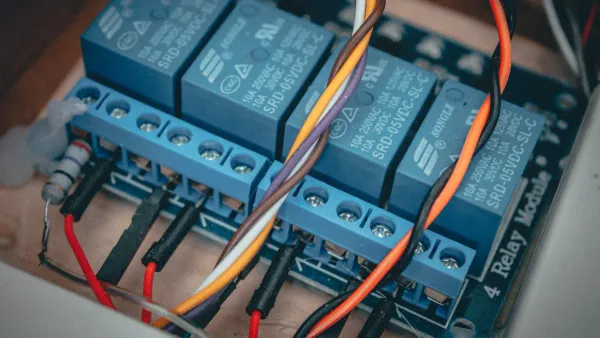
When you look inside a 12v solid state relay, you will not find any moving parts. These relays use semiconductor components and optocouplers instead of mechanical switches. An LED inside the relay sends light to a sensor, which then triggers transistors like MOSFETs. This process opens or closes the circuit without any physical contact. You avoid problems like contact arcing, corrosion, and wear because there are no metal parts that touch or move.
- You get silent operation because everything happens electronically.
- The relay resists vibration and shock, so it works well in cars that drive on rough roads.
- Sealed construction keeps out dust, moisture, and oil, making the relay last longer.
The optocoupler also provides electrical isolation. It links the control input LED to the transistor switch using light, not wires. This design keeps your car’s electrical system safe and reliable.
Note: Without moving parts, you avoid failures like contact welding and sticking, which often happen in mechanical relays.
Plug-and-Play Design
You can upgrade your car’s electrical system easily with a plug-and-play 12v solid state relay. Most of these relays fit directly into the same socket as your old mechanical relay. You do not need to change wiring or use special adapters if the connector matches.
1. Disconnect the negative battery terminal before you start. 2. Find the old relay using your car’s manual. 3. Remove the old relay and plug in the new solid-state relay, making sure the pins line up. 4. If the socket does not match, follow the wiring diagram and use proper connectors. 5. Protect the relay with the right fuse or circuit breaker. 6. Mount the relay on a stable surface and make sure it gets good airflow. 7. Route wires away from heat and sharp edges. 8. Reconnect the battery and test the system.
The plug-and-play design saves you time and reduces mistakes. You get a reliable upgrade with less effort. The sealed relay also means less maintenance in the future.
SSRs vs. Mechanical Relays
Durability
When you compare durability, you see big differences between solid state and mechanical relays. Mechanical relays use moving contacts that can handle large current surges, but these parts wear out over time. You may notice failures if contacts stick or weld together. Solid state relays, like a 12v solid state relay, have no moving parts. This design means you avoid mechanical wear and get a much longer lifespan. Many solid state relays last tens of millions of cycles, and some reach over 100 million operations. You get quiet operation and less risk of damage from vibration or shock. However, you should watch out for extreme temperatures, since semiconductors can be sensitive.
- Mechanical relays: robust for high current, but wear out faster.
- Solid state relays: longer life, less noise, and better resistance to vibration.
Maintenance
You spend less time on maintenance when you use solid state relays. Mechanical relays need regular checks because their contacts and coils wear down. Sometimes you have to listen for clicks or tap the relay to free stuck contacts. You may need to replace them often, especially in harsh environments. Solid state relays do not have these problems. They are sealed against dust, oil, and moisture, so you avoid corrosion. You do not need to worry about contact welding or coil fatigue. These relays turn into a near-permanent solution for your car. You only need to make sure they stay cool, since heat can affect their performance.
- No moving parts means no contact wear.
- Sealed design keeps out dirt and moisture.
- Minimal maintenance required.
Performance
Performance sets solid state relays apart from mechanical types. You get almost instant switching, often under 1 millisecond. Mechanical relays switch slower, usually around 10 milliseconds. Solid state relays use very little power, sometimes just a few milliwatts, while mechanical relays need much more for their coils. You also get silent operation, which makes your car quieter. Solid state relays resist shock and vibration, and their compact size fits tight spaces. Mechanical relays cost less at first, but you may pay more over time due to replacements.
| Metric | Solid State Relay (SSR) | Mechanical Relay (EMR) |
|---|---|---|
| Switching Speed | <1 ms | ~10 ms |
| Life Expectancy | >100 million cycles | ~10 million cycles |
| Power Consumption | Very low | Higher |
| Noise | Silent | Audible clicking |
| Shock/Vibration Resistance | High | Lower |
| Size | Compact | Larger |
| Cost | Higher initial, lower long-term | Lower initial, higher long-term |
Tip: If you want fast, quiet, and reliable switching for your car’s electrical systems, consider upgrading to a 12v solid state relay.
Automotive Uses
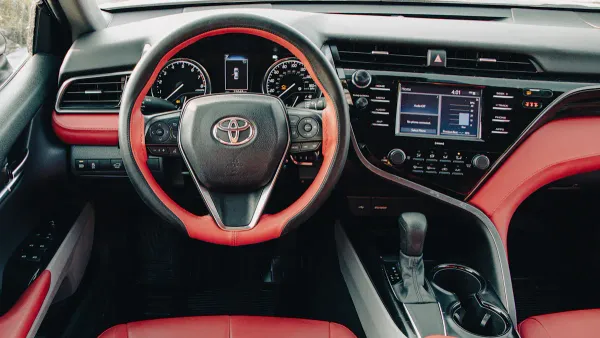
Lighting Systems
You rely on your car’s lighting every day. A 12v solid state relay helps control headlights, driving lights, and even LED light bars. These relays switch lights on and off quickly and silently. You do not hear any clicking sounds when you use your turn signals or activate your rear defroster. Modern relays work well with both traditional bulbs and advanced LED systems. You get reliable lighting that responds instantly, even when you need frequent switching. This technology also prevents flicker and errors in LED installations, so your lights stay bright and steady.
Tip: If you upgrade your car’s lighting, you can use solid state relays to avoid common problems like flickering or slow response.
Power Distribution
Your vehicle needs safe and efficient power distribution. Solid state relays act as electronic switches, replacing older mechanical types. You get spark-free switching and quieter operation. These relays handle high currents, protect against short circuits, and work in extreme temperatures. You can mount them easily using standard relay pins and brackets. The table below shows some features you might find:
| Feature | Description |
|---|---|
| Input Voltage | 12V |
| Output Current Rating | 15A |
| Protection | Overcurrent, short circuit |
| Operating Temperature | -40°F to 185°F |
| Mounting | Panel-mount, standard pin format |
You use less battery power because these relays need only a small current to stay on. This makes them ideal for cars, trucks, RVs, and specialty vehicles.
Safety Features
Safety matters most in commercial and specialty vehicles. Solid state relays work well in harsh conditions, from freezing cold to extreme heat. You get reliable control of horns, alarms, and emergency lights. These relays use a dual input design, which lets you control circuits more safely. You avoid problems like stuck contacts or electrical arcing. The compact size and secure mounting reduce the risk of mechanical failure. You can replace old relays easily because solid state types use standard automotive formats.
- Reliable operation in tough environments
- Flexible control for critical safety systems
- Reduced risk of electrical failure
You benefit from faster response times and silent operation. This means your safety features work when you need them most, without delay or noise.
Considerations
Cost
You may notice that 12V solid state relays cost more than traditional mechanical relays. This higher price can affect your decision, especially if you want to upgrade several systems in your car. Here are some key points about cost:
- The high price of solid state relays limits their use in many vehicles.
- Automakers often choose cheaper mechanical relays to keep car prices low.
- Electric and hybrid vehicles need more advanced relays, which increases the cost even more.
- Traditional relays remain much less expensive, making them common in most cars.
- The complexity and power needs of modern vehicles make the cost challenge even bigger.
Note: While solid state relays offer better performance and longer life, their higher cost can be a barrier for many car owners and manufacturers.
Compatibility
You should always check if a 12V solid state relay will work with your car’s electrical system. Most solid state relays fit standard relay sockets, but some may need special wiring or connectors. You might find that certain relays work better with LED lighting or advanced electronics. If your car uses older systems, you may need to adjust wiring or use adapters. Always read the relay’s specifications and your vehicle’s manual before making a switch.
- Check the relay’s pin layout and voltage rating.
- Make sure the relay can handle the current your system needs.
- Look for relays designed for automotive use to avoid problems.
Tip: Testing the relay in a non-critical circuit first can help you avoid compatibility issues.
Serviceability
When you need to replace a relay, you want the process to be quick and easy. Mechanical relays usually offer simple plug-and-play replacement. You can pull out the old relay and push in a new one without special tools. Solid state relays, on the other hand, sometimes mount directly on a circuit board. This design can make replacement harder because you may need to remove the board or even solder new parts.
Solid state relays last longer and need less maintenance, but they are not as easy to service if something goes wrong. Mechanical relays also handle voltage spikes and temperature changes well, making them a favorite for field repairs. If you value easy repairs and quick swaps, mechanical relays might suit you better. If you want fewer replacements and longer life, solid state relays offer those benefits, but you may face more work if you ever need to change one.
Remember: Solid state relays give you quiet, reliable operation, but you may need extra steps to replace them compared to traditional relays.
You gain many benefits when you upgrade your car with solid state relays.
- These relays switch faster and last longer than traditional types.
- You avoid mechanical wear and arcing, which means fewer failures.
- New designs include smart features and work well in harsh environments.
- You also get silent operation and better safety for your vehicle.
As cars become more advanced, solid state relays help you keep up with new technology and improve reliability.
FAQ
What makes a 12V solid state relay better than a mechanical relay?
You get faster switching, longer life, and silent operation with a solid state relay. It uses no moving parts, so it resists wear and tear. You also see less maintenance and better performance in harsh conditions.
Can you replace a mechanical relay with a solid state relay in any car?
You can often swap them if the pin layout and voltage match. Always check your car’s manual and the relay’s specs. Some older vehicles may need wiring changes or adapters.
Do solid state relays save battery power?
Yes, you use less power with a solid state relay. It draws only a tiny current to operate. This helps your battery last longer, especially in vehicles with many electrical systems.
Are solid state relays safe for high-power car accessories?
You can use them for high-power loads if you choose the right current rating. Always check the relay’s specs. Overloading can damage the relay or your car’s wiring.
How long does a 12V solid state relay last in a car?
You can expect a solid state relay to last up to 20 years or more. It depends on how you use it and how well you keep it cool. Most outlast mechanical relays by a wide margin.