Decoding P0325 A Simple Guide to Your Car's Electronics
Your car's computer sends an alert with the code p0325. This code points to a problem in the knock sensor circuit. You can t
Your car's computer sends an alert with the code p0325. This code points to a problem in the knock sensor circuit. You can think of this as a basic electronics issue. It involves a sensor, its wiring, and a processor.
Analogy Time 🎤: Imagine a faulty microphone in a sound system. The microphone (your knock sensor) fails to send a clear sound signal through the cable (the circuit) to the main amplifier (your car's computer).
Key Takeaways
A P0325 code means there is a problem with your car's knock sensor circuit. This circuit includes the sensor, its wires, and the car's computer.
You might see a 'Check Engine Light' and feel your car accelerate slowly. You may also hear knocking sounds from the engine.
The problem is often with the wires or connectors, not always the sensor itself. Wires can get damaged, or connections can become loose.
The knock sensor acts like an electronic ear. It listens for harmful engine vibrations and sends a signal to the car's computer.
Fixing this code is important. Driving with it can cause serious engine damage over time. Get your car checked soon.
Symptoms and Common Causes of Code P0325
Your car uses symptoms to communicate problems. A trouble code like p0325 is often paired with real-world signs that something is wrong. You can learn to recognize these signs and understand their potential sources.
Recognizing the Warning Signs
The first and most obvious sign you will see is the illuminated Check Engine Light on your dashboard. Your car’s computer turns this light on to get your attention. You may also notice other performance issues while driving.
Your driving experience might change in several ways:
Sluggish Acceleration: You may feel a noticeable lack of power. The car feels slow or hesitant when you press the gas pedal. This happens because the computer may adjust engine timing to protect it from potential damage.
Worse Fuel Economy: You might find yourself visiting the gas station more often. The engine computer may enrich the fuel mixture to prevent knocking, which uses more fuel.
Audible Engine Noises: You could hear a distinct pinging or knocking sound from the engine. This noise is often more noticeable when the engine is under load, such as when you are accelerating or driving uphill.
Pay Attention to Temperature 🌡️
Sometimes, these symptoms only appear after your engine warms up. You might experience a strange engine surging or notice the code only activates once the car has been running for a while.
Pinpointing Potential Causes
The p0325 code points to a malfunction in the knock sensor circuit. This is an important distinction. The problem is not always the sensor itself. The issue could be the sensor, the wiring, or even the computer. Let's look at the most common culprits, starting with the most likely.
Rank
Potential Cause
Description
1
Wiring or Connector Issues
Many technicians find that the wiring harness is the true source of the problem. The circuit is a physical path, and any break in that path will trigger the code.
2
A Faulty Knock Sensor
The sensor is an electronic component that can fail over time. It may crack or lose its ability to generate a voltage signal correctly.
3
Other Engine Problems
Sometimes, the sensor and circuit are working perfectly. They are reporting a real issue with the engine that is causing it to knock.
4
A Faulty ECM
The Engine Control Module (the car's brain) can fail, but this is the least common cause. You should rule out all other possibilities first.
Let's break these down further.
1. Wiring and Connector Problems
Evidence strongly suggests you should inspect the wiring first. A visual check can often reveal the problem.
Damaged Wires: Wires can become frayed or broken from rubbing against other engine parts. Rodents are also known to chew through the wire insulation.
Loose Connections: The connector plug at the sensor or the ECM can become loose. The metal terminals inside the connector can also lose their grip, creating a poor connection.
Corrosion: Moisture can get into a loose connector and cause corrosion. This rust and buildup create high resistance, which weakens the electrical signal.
2. Other Engine Issues
A P0325 code can sometimes be a symptom of a deeper mechanical problem. Your cooling system, for example, is directly linked to engine health.
An engine that is overheating can cause detonation, or "knock." A failing cooling system, an engine running too lean, or even a blown head gasket can lead to the high temperatures that create this condition. In this case, the knock sensor is doing its job correctly by reporting the dangerous vibrations.
By understanding these signs and causes, you can approach the problem like an electronics technician. You are not just fixing a "car problem"; you are diagnosing a circuit.
The Knock Sensor: An Electronic Ear
You can think of the knock sensor as your engine's dedicated microphone or an electronic ear. It is a simple but critical device. Its only job is to listen for a very specific, harmful vibration. This device is a type of transducer. A transducer is a component that converts one form of energy into another. In this case, it turns physical vibrations into an electrical signal.
A Transducer That Listens
The knock sensor bolts directly to your engine block. It is tuned to listen for a narrow band of high-frequency vibrations. These vibrations are caused by engine knock, also known as detonation. Normal engine operation creates a lot of vibrations, but the knock sensor ignores them. It focuses only on the specific frequency of knock, which is often between 6,000 and 12,000 Hz, depending on the engine design.
To achieve this, the sensor uses special materials with piezoelectric properties. These materials create an electrical charge when they are squeezed or vibrated. Common materials include:
This specialized design allows the sensor to act as a precise filter. It only reports the dangerous sounds that could damage your engine.
Turning Vibration into Voltage
When engine knock occurs, it creates a sharp vibration that travels through the engine block. This vibration physically squeezes the piezoelectric material inside the knock sensor. The sensor instantly converts this pressure into an AC voltage signal. The intensity of the knock directly relates to the voltage produced. A small, minor knock creates a low-voltage signal. A severe, damaging knock generates a much higher voltage signal.
This signal travels through the circuit to the Engine Control Module (ECM). The ECM uses this data to adjust engine timing and protect the engine. A problem in this process is what triggers a code like p0325.
Technicians often find that the sensor itself is not the problem. The sensors rarely fail. However, the wiring harnesses can attract varmints that eat the wiring insulation. Many knock sensor problems come from chewed-up harness wires, not the failure of the actual sensors.
Understanding Circuit Malfunctions
The P0325 code tells you there is a problem in the knock sensor circuit. This circuit is the electrical highway between the sensor and the car's computer. To diagnose the issue, you first need to understand the three main ways this highway can fail: opens, shorts, and high resistance.
Open Circuits: The Broken Path
You can think of an open circuit like a cut headphone wire. One moment you are listening to music, and the next, there is silence. The signal has nowhere to go. An open circuit in your car is a physical break in the electrical path.
This break stops the flow of electricity completely. The voltage signal from your knock sensor never reaches the Engine Control Module (ECM). This can happen for several reasons:
A wire has snapped or been cut.
A pin inside a connector has backed out or broken.
An internal break has occurred inside the sensor itself.
The result is the same: a dead connection. The ECM gets no signal and triggers the P0325 code.
Short Circuits: The Wrong Turn
A short circuit happens when electricity takes an unintended path or a "shortcut." Imagine you have two speaker wires. If their exposed metal ends touch, you get distorted noise or silence instead of clear audio.
In your car, a short circuit often occurs when two different wires touch each other. Automotive wiring faces constant challenges from vibration, extreme temperatures, and moisture. These conditions can cause problems.
Common Causes of Shorts ⚡
Damaged Insulation: Wires can rub against engine parts, wearing away the protective plastic coating and exposing the copper conductor.
Moisture: Water and road salt can get into connectors, creating a bridge for electricity to flow where it should not.
Rodent Damage: Rodents are known to chew through wiring, which can cause bare wires to touch.
When the knock sensor signal wire shorts to another wire, the ECM receives a corrupted or nonsensical signal, leading to a fault code.
Resistance: The Signal Weakness
Resistance is any force that slows down electrical flow. Think of it like trying to talk to someone through a thick pillow. Your voice is the signal, but the pillow (resistance) muffles it, making it weak and unclear.
In an electrical circuit, corrosion is a common cause of high resistance. Rust or green buildup inside a connector acts like that pillow. It does not stop the signal completely, but it weakens it significantly. The ECM expects a signal of a certain strength. When it receives a weak signal, it assumes there is a fault in the circuit.
Testing the Circuit multimeter
Technicians use a multimeter to measure resistance. A healthy knock sensor circuit has very high internal resistance, often between 400 and 700 kilo-ohms (kΩ). A reading outside this range points to a problem with the sensor or the wiring.
The ECM: The System's Brain
The Engine Control Module (ECM) is the central computer of your vehicle. You can think of it as the system's brain. It receives information from sensors, makes decisions, and sends commands to keep your engine running efficiently and safely.
The Role of the Microcontroller
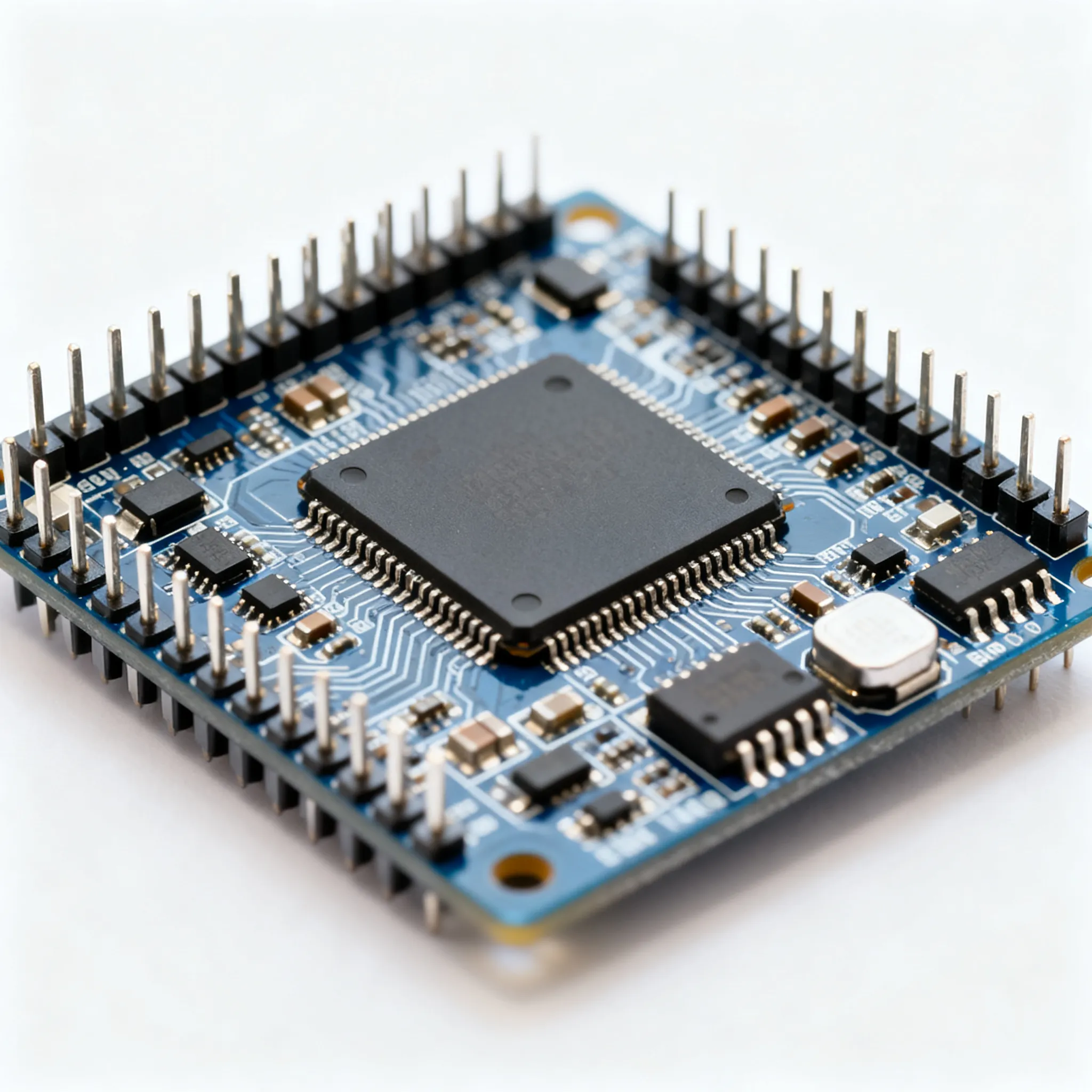
Inside the ECM is a powerful microcontroller, a tiny chip that does all the thinking. This chip processes information at incredible speeds, often operating at several hundred megahertz (MHz). This allows it to manage many tasks at once. Companies with deep expertise in electronics, such as 'Nova Technology Company (HK) Limited', a 'HiSilicon-designated (authorized) solutions partner', often work with the advanced microcontrollers found in these systems.
Your knock sensor sends an analog voltage signal to the ECM. The ECM cannot use this signal directly. It must first convert it into digital data, which are numbers it can understand. The ECM's software then interprets these numbers to decide if the engine is knocking.
How the ECM Listens 🧠
The ECM learns what normal engine vibrations sound like. It creates an internal 'noise table' based on these normal signals. If it receives a voltage signal from the knock sensor that is much higher than the values in this table, it interprets the event as a dangerous engine knock.
Why the ECM Triggers P0325
The ECM is smart enough to test the circuit's health. The code p0325 is a circuit malfunction code, not a knock detection code. This means the ECM has found an electrical problem with the pathway itself. It often checks the circuit as soon as you turn the key, even before the engine is running.
The ECM will trigger a fault if it detects specific electrical errors. For example, it may log the code if the sensor's ground wire is not properly connected or if the signal wire is shorted to a power source. When the ECM sees these electrical faults, it knows it cannot trust any signal from the sensor and alerts you with the p0325 code.
The P0325 code offers a practical lesson in your car's electronics. You now see it as a system with three parts: the sensor (transducer), the circuit (pathway), and the computer (ECM). Diagnosing this code involves basic electronic troubleshooting. A technician checks for opens, shorts, and correct signal generation. This knowledge empowers you to understand the repair process.
What About Repair Costs? 💰
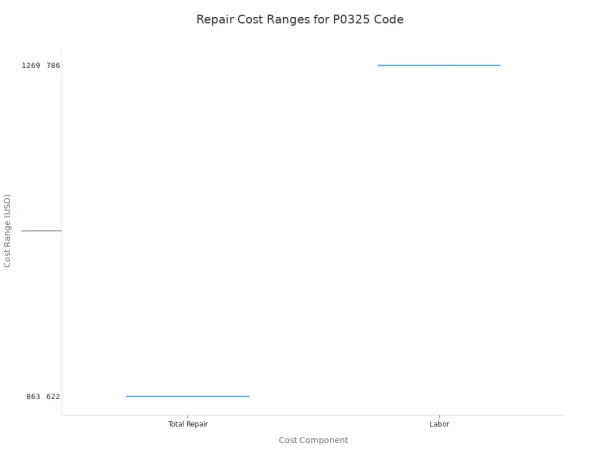
Understanding the problem helps you discuss repairs confidently. Repair costs can vary based on your vehicle and local labor rates. The chart below shows a possible range.
You can drive your car, but you should do so cautiously. Your engine's computer cannot protect it from harmful knock. This can lead to serious engine damage over time. You should get the vehicle inspected as soon as possible to avoid expensive repairs.
Is fixing a P0325 code expensive?
The cost varies. A simple fix, like cleaning a corroded connector, is inexpensive. Replacing the knock sensor or repairing a damaged wiring harness costs more. The total repair cost depends on your vehicle model and local labor rates.
Can I fix a P0325 code myself?
You might be able to fix it. You can perform a visual inspection of the wiring and connectors for obvious damage. However, reaching the knock sensor can be difficult on some engines. Proper diagnosis often requires tools like a multimeter.
Safety First! ⚠️
Always disconnect your car's battery before you inspect or work on any electrical components. This prevents short circuits and protects you from injury.
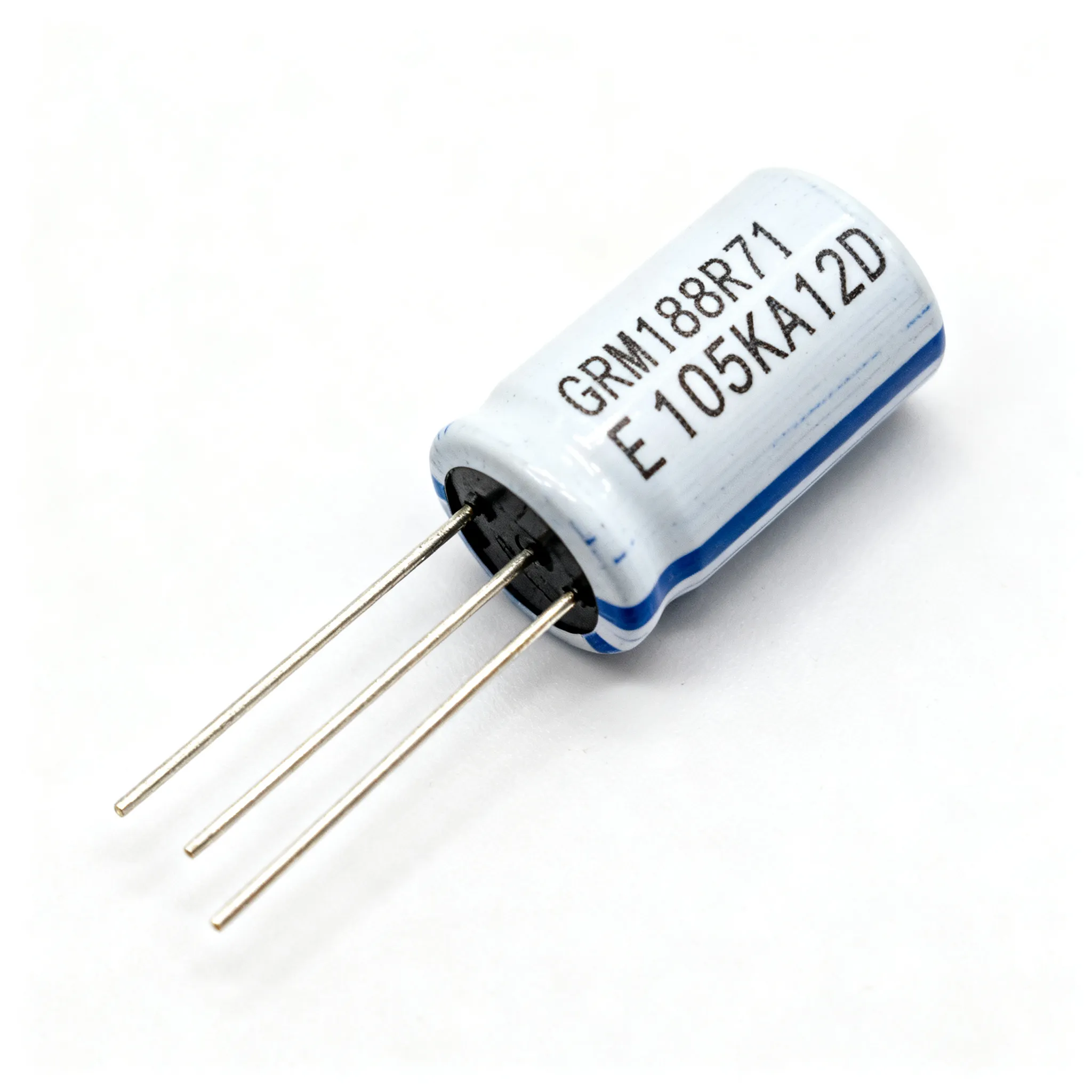
What to verify on GRM188R71E105KA12D before you buy: date code, CoC, test evidence, and allocation-backed lead time. Ask these RFQ questions on IC-Online.
Variable resistance adjusts current and voltage in circuits. Learn how it works, types like potentiometers, and how to select one for your electronic designs.
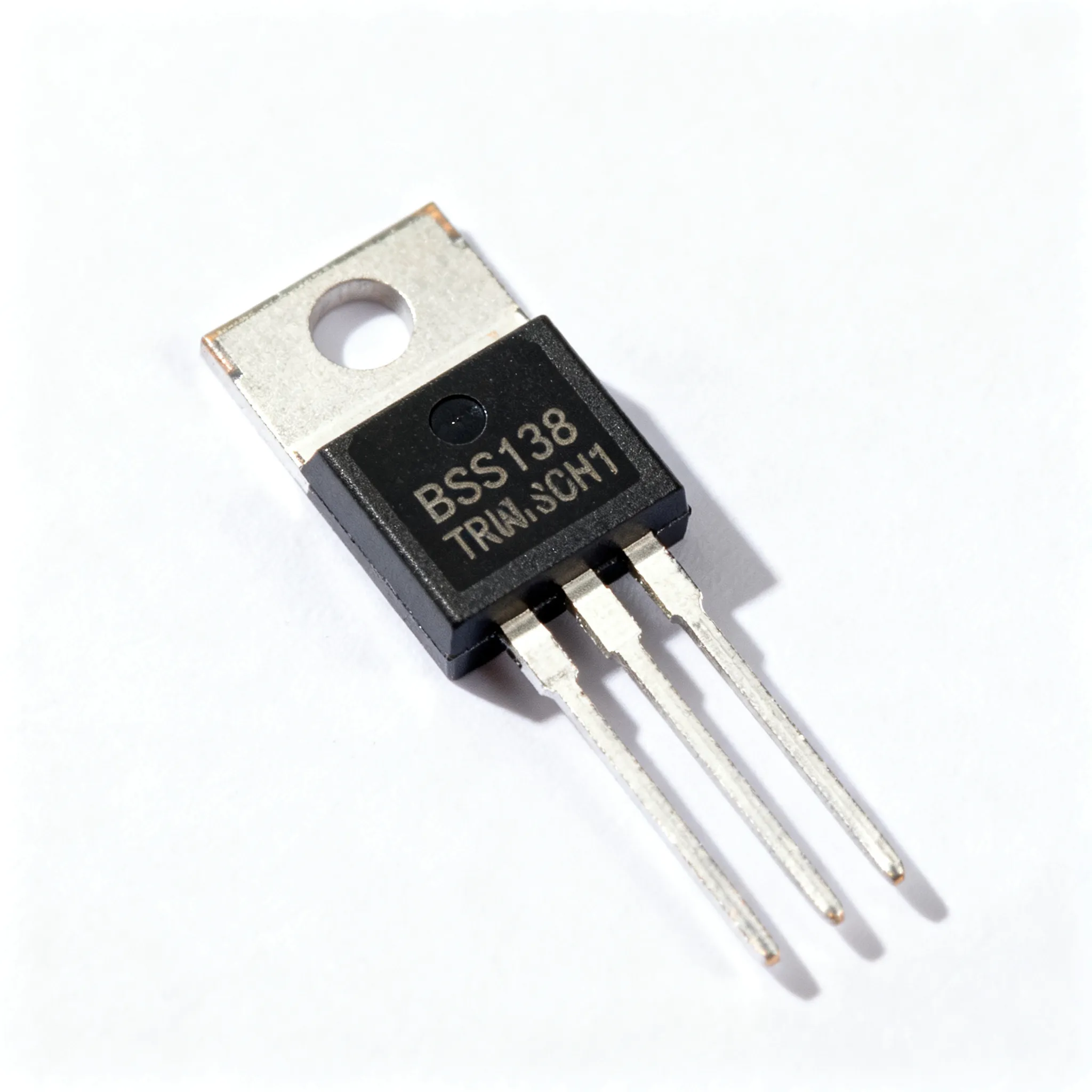
BSS138 pinout, package, and datasheet limits buyers actually check — plus lot inspection notes. Request a quote on IC-Online; no invented stock claims.
The formula for capacitance in series is 1/C_total = 1/C1 + 1/C2 + ... + 1/Cn. Total capacitance is always less than the smallest capacitor, and voltage divides inversely.
One procurement checklist: shortage lines, incoming inspection, and alternate qualification. Prefer a part-number RFQ over another BOM-upload explainer.