Benefits of Using a 2 Pole Double Throw Switch in Modern Circuits
A 2 pole double throw switch gives you the power to control two circuits at the same time, making your projects more flexibl
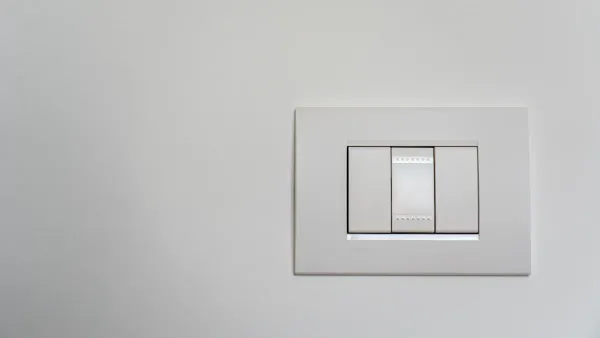
A 2 pole double throw switch gives you the power to control two circuits at the same time, making your projects more flexible and efficient. If you use a dpdt switch, you can switch two separate circuits between different outputs with one simple action. This means you can reverse a motor’s direction or select between power sources without needing extra switches.
| Switch Type | Circuits Controlled | Output Options | Synchronized Switching |
|---|---|---|---|
| SPST | 1 | 1 | No |
| SPDT | 1 | 2 | No |
| DPDT | 2 | 4 | Yes |
With a dpdt switch, you reduce wiring and parts. You get more control and reliability, which is why the 2 pole double throw switch fits so well in modern circuits.
Key Takeaways
- A DPDT switch controls two circuits at once, letting you switch both with one action for more efficient and flexible projects.
- You can reverse motor direction, switch power sources, and manage complex circuits easily using a single DPDT switch.
- DPDT switches reduce wiring and parts, making your circuit design simpler, neater, and easier to maintain.
- They offer high safety and reliability by keeping circuits isolated and using durable materials for long-lasting performance.
- DPDT switches work well in many applications like robotics, automation, power backup, and audio systems, saving space and cost.
What Is a 2 Pole Double Throw Switch?
A 2 pole double throw switch gives you the ability to control two independent circuits with just one actuator. This type of double pole switch stands out because it combines two switches into one unit. You can use a dpdt switch to manage two separate loads or devices at the same time. The double throw feature lets you direct each circuit to one of two outputs, making your projects more flexible.
DPDT Switch Structure
When you look at a dpdt switch, you will see six terminals. Each terminal has a specific role in the switch’s functionality. The table below shows how each terminal works:
| Terminal Name | Function Description |
|---|---|
| Common 1 (C) | Main terminal of the first pole; connects to one of two outputs depending on position |
| Normally Open 1 (A) | Connects to Common 1 when toggled to one side |
| Normally Closed 1 (B) | Connects to Common 1 when in default position |
| Common 2 (E) | Main terminal of the second pole; connects to one of two outputs depending on position |
| Normally Open 2 (D) | Connects to Common 2 when toggled to one side |
| Normally Closed 2 (F) | Connects to Common 2 when in default position |
This six-terminal setup allows you to control two circuits at once. Each pole operates independently, but you move both with a single lever or button. The double throw design means you can switch each circuit between two outputs, which increases the switch’s functionality.
How a DPDT Switch Works
You use a dpdt switch to change the path of electricity in two circuits at the same time. When you flip the actuator, the double pole double throw switch moves both poles together. Each common terminal connects to either the normally open or normally closed terminal. This action lets you reverse current, select between power sources, or change the direction of a motor. The dpdt switch can be either maintained (it stays in place) or momentary (it returns to the original position).
The double pole double throw switch acts like two single pole double throw switches combined. You get more functionality because you can control two circuits with one electromechanical switch. The double throw feature gives you four possible output paths, which makes the dpdt switch very useful in modern circuits. When you need to control two circuits and want reliable functionality, the dpdt switch is a smart choice.
DPDT Switch Benefits
Simultaneous Circuit Control
You can control two circuits at the same time with a dpdt switch. This double pole double throw design lets you reverse the direction of a DC motor or switch between battery and mains power with one action. You get synchronized switching, which means both circuits change together. This is important in robotics, automation, and audio equipment. You can route signals quickly and manage two loads without extra switches. The dpdt push button switch gives you reliable functionality for complex tasks. Common applications include reversing motor polarity, switching audio signals, and controlling two devices in tandem.
Tip: Use a dpdt push button switch when you need to change the direction of a motor or select between two power sources. This saves time and reduces errors.
- You can:
- Reverse motor direction in robotics.
- Switch between power sources in backup systems.
- Route audio signals in mixers.
- Control two independent circuits in automation.
- Manage multiple functions with one double pole switch.
Flexible Circuit Design
A dpdt switch gives you more options for circuit design. You can switch two independent signals that must work together. One circuit can send a control signal while the other drives a relay. Both circuits stay isolated, so you can use different voltages and currents. The double pole double throw switch supports modularity and scalability. You can add more control points in lighting systems or expand automation setups. The dpdt push button switch lets you build flexible and dynamic circuits.
- Common applications for flexible design:
- Labs and test equipment for selecting circuit configurations.
- Communication devices for switching antennas or signal sources.
- Redundant signaling with failover circuits.
- Modular lighting control in large spaces.
- Customizable vehicle electrical systems.
You get precise control and can handle higher currents. The double pole switch supports complex routing and bidirectional control. You can streamline your design and lower costs by using one dpdt switch instead of multiple single pole switches.
Safety and Reliability
You get ultimate safety and reliability with a dpdt switch. The double pole double throw design keeps circuits isolated, reducing the risk of shorts or cross-talk. You can use dpdt push button switches in harsh environments because they have durable materials and robust contacts. Silver alloy or gold plating improves corrosion resistance and electrical reliability. The switch’s mechanical parts are built for endurance, so you get smooth operation even under stress.
Note: Choose a dpdt push button switch with locking or momentary action for safety-critical applications. This prevents accidental switching and ensures deliberate control.
- Ultimate safety features:
- Isolated circuits for reduced risk.
- Durable construction for harsh conditions.
- Reliable contacts for stable performance.
- Mechanical locks for safety in high-vibration areas.
- Clear terminal labeling for easy installation.
You can trust the double pole switch to deliver consistent functionality in demanding applications. This reliability is vital in industrial automation, medical devices, and power systems.
Reduced Wiring Complexity
A dpdt switch simplifies your wiring. You can manage two circuits with one component, which means fewer wires and parts. The double pole double throw switch replaces two SPDT switches, saving space and making your layout cleaner. You get easier troubleshooting and maintenance because the wiring is simple. The dpdt push button switch helps you avoid wiring errors and speeds up installation.
| Feature | How It Reduces Complexity |
|---|---|
| Dual Circuit Control | Controls two circuits with one switch, fewer wires needed |
| Simplified Design | Combines two switches into one, saves space and parts |
| Clear Labeling | Easy to connect, reduces mistakes |
| Quick Routing | Fast signal changes, less confusion |
| Neater Layouts | Cleaner diagrams, easier to build and maintain |
You can switch between power sources or reverse motor direction without complex wiring. The double pole switch supports standard components, so you get compatibility and reliability. The dpdt push button switch makes your circuit easier to expand and maintain.
Double Pole Double Throw Applications
Motor Control
You often find a dpdt switch in motor control systems. This switch lets you reverse the direction of a DC motor by changing the polarity of the voltage. You can use a dpdt push button switch to control both live and neutral lines at the same time. Many countries require this double pole double throw setup for safety, especially in 230V systems. You avoid hazards from wiring errors and prevent conflicting commands. In robotics and industrial machinery, you need reliable manual control. The dpdt switch acts like a manual H-bridge, giving you forward and reverse control. You can use momentary dpdt push button switches for short pulses or quick direction changes. These switches help you manage two circuits at once, which is important for dual circuit control and safety compliance.
Tip: Use a dpdt push button switch to reverse a conveyor belt or change the direction of a robotic arm. This setup keeps your equipment safe and easy to operate.
Common applications for motor control include:
- Reversible motors in conveyor belts
- Electric vehicles
- Robotics
- Small machines in industrial machinery
Power Source Switching
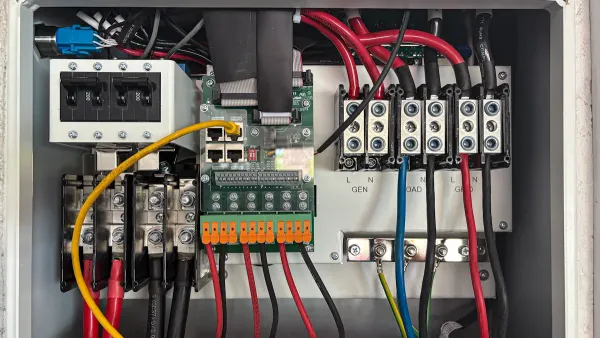
You can use a dpdt switch to transfer loads between two power sources. This double pole switch has six terminals, so you can route power in complex ways. In backup power systems, you need to switch from a primary source, like an inverter, to a backup source, such as the grid. The dpdt push button switch lets you do this quickly and safely. You avoid relay arcing and shorting inputs by using interlocked relays or motor-driven transfer switches. Some systems use firmware logic to detect source failure before switching. Others use spring-loaded switches that default to the grid when unpowered. You get fail-safe operation and reliable redundancy.
Common applications for power source switching:
- Home backup power systems
- Industrial machinery with dual power feeds
- Data centers needing seamless power transfer
- Medical equipment requiring uninterrupted supply
Note: Always check the rating of your dpdt push button switch to match your power needs. This ensures safe and efficient functionality.
Automation Systems
A dpdt switch gives you precise control in automation systems. You can control two circuits at once, which supports functions like polarity reversal and mode switching. In industrial machinery, you need durable and safe switches. The double pole double throw design provides reliable performance in harsh environments. In smart homes, you use a dpdt push button switch to manage lighting or appliance functions. You can switch between operating modes or provide manual override when needed. This switch simplifies installation and improves energy efficiency.
Common applications in automation:
- Industrial machinery mode selection
- Smart home lighting control
- Appliance function switching
- Manual override in automated systems
You can trust the dpdt push button switch for advanced setups. It reduces the number of components and makes your system easier to manage.
A dpdt switch supports complex circuit designs in telecommunications, audio-visual systems, and advanced automation. You get flexibility, safety, and reliable functionality in every application.
DPDT vs Other Switch Types
DPDT vs SPDT
When you compare a dpdt switch to an SPDT switch, you see clear differences in functionality and applications. An SPDT switch controls one circuit and lets you choose between two outputs. You often use it for simple signal routing or as a basic selector. A dpdt switch, on the other hand, controls two circuits at the same time. This means you can switch both circuits between two outputs with one action. You get synchronized switching, which is important for tasks like reversing a motor or managing dual systems.
| Switch Type | Number of Circuits Controlled | Output Options | Typical Use | Synchronized Switching |
|---|---|---|---|---|
| SPDT | 1 | 2 | Signal routing, basic selector switches | No |
| DPDT | 2 | 4 (2 per circuit) | Motor reversing, dual system control | Yes |
You should choose a dpdt switch when you need to control two circuits together. For example, if you want to reverse the direction of a DC motor, a dpdt switch swaps the polarity for you. This switch also works well in applications where you need to select between two power sources or manage two signals at once. The dpdt switch gives you more advanced functionality than an SPDT switch.
Unique Advantages of DPDT
A dpdt switch stands out because of its versatility and advanced functionality. You can control two separate circuits at the same time with one double pole switch. This makes your design simpler and reduces the number of switches you need. You can use a dpdt switch to change the direction of current flow, which is useful in robotics and automation. The switch supports complex routing, so you can build more advanced applications.
- Key advantages of a dpdt switch:
- You control two circuits with one switch.
- You can reverse current direction for motor control.
- You save space and reduce wiring in your projects.
- You get cost-effective solutions for complex applications.
- You can use the switch in robotics, telecommunication, and audio systems.
Tip: Use a dpdt switch when you need failover capabilities. This switch can keep your system running by providing independent paths for current.
| Feature | SPST Switch | DPDT Switch |
|---|---|---|
| Circuit Control | Controls one circuit (on/off) | Controls two separate circuits simultaneously |
| Current Flow Direction | Single direction | Can switch direction of current flow |
| Versatility | Simple on/off control | Enables multiple pathways and complex routing |
| Common Applications | Basic devices, simple on/off tasks | Reversing motor direction, selecting power supplies, switching audio signals |
| Design Impact | Needs more switches for complex control | Reduces need for multiple switches, streamlines design |
You may notice that dpdt switches cost more than SPST or SPDT switches. The extra functionality and more complex design can increase project costs, especially in large-scale applications. However, you often save money and space by using one dpdt switch instead of several simpler switches. You also get better reliability and easier maintenance.
The dpdt switch gives you advanced functionality and supports a wide range of applications. You can use it in projects that need synchronized control, complex routing, or failover features. This makes the dpdt switch a smart choice for modern circuit designs.
You gain powerful functionality with a 2 pole double throw switch. This switch lets you control two circuits at once, offering dual ON-ON or ON-OFF-ON operation modes. You can reverse polarity for motors, improve redundancy, and save space by combining dual functions. The versatility of DPDT switches supports a wide range of applications, including computers, drive motors, pumps, and lighting. Simultaneous control and flexibility simplify your circuit design, boost operational efficiency, and ensure reliable functionality. You can trust DPDT switches for advanced applications in automation, telecommunications, and consumer electronics. Explore these switches to enhance your projects with superior functionality and broad applications.
- Key benefits include:
- Simultaneous switching of two circuits
- Flexible operation modes
- Reliable functionality in demanding applications
- Cost and space savings
- Versatility across many applications
Consider DPDT switches for your next project to unlock advanced functionality and meet the needs of modern circuit applications.
FAQ
What does "double throw" mean in a DPDT switch?
"Double throw" means you can connect each circuit to one of two outputs. You flip the switch to choose which output gets power. This gives you more control over your circuits.
Can you use a DPDT switch to reverse a motor?
Yes, you can. You wire the switch so it swaps the positive and negative connections. When you flip the switch, the motor changes direction. This works well for DC motors.
How do you wire a DPDT switch?
You connect two input wires to the center terminals. You attach the output wires to the side terminals. Each pole controls one circuit. Always check the wiring diagram for your specific switch.
Is a DPDT switch safe for high voltage?
You must check the voltage and current rating on your switch. Some DPDT switches handle high voltage, but others do not. Always use a switch rated for your application to stay safe.
What is the difference between a DPDT and an SPDT switch?
A DPDT switch controls two circuits at once. An SPDT switch controls only one circuit. You use a DPDT switch when you need to manage two separate loads with one action.