Analyzing NB-IoT for Deep Coverage in Urban Environments
Narrowband Internet of Things (NB-IoT) provides exceptional deep signal penetration in cities. Engineers designed NB-IoT wit

Narrowband Internet of Things (NB-IoT) provides exceptional deep signal penetration in cities. Engineers designed NB-IoT with specific features for this purpose. The technology uses a very narrow bandwidth. This focuses the signal's power. NB-IoT also repeats signals to ensure delivery. These features help NB-IoT achieve a high Maximum Coupling Loss (MCL).
💡 Did You Know? NB-IoT has an MCL of 164 dB, making it a leader among low power wireless networks for reaching difficult locations.
This design makes NB-IoT solutions ideal for smart city projects. Many real-world applications for smart devices rely on the reliable connectivity that NB-IoT offers.
Key Takeaways
- NB-IoT provides strong signal coverage in cities. It reaches deep inside buildings and underground areas.
- NB-IoT uses a narrow signal and repeats data. This helps signals get through walls and other obstacles.
- NB-IoT devices save power. They can run on a single battery for over 10 years.
- NB-IoT works well for smart city projects. It helps with smart meters and tracking city assets.
- NB-IoT uses a private network. This makes it more reliable than other wireless options.
TECHNICAL PILLARS OF DEEP COVERAGE
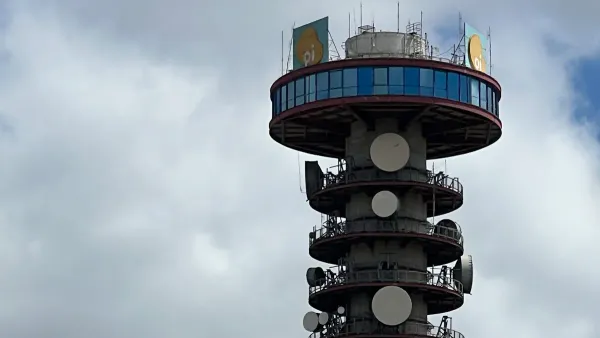
The exceptional coverage of NB-IoT is not an accident. Engineers built it on three core technical pillars. These pillars work together. They allow NB-IoT devices to communicate from deep within buildings and underground locations where other signals fail.
NARROWBAND OPERATION AND REPETITION
NB-IoT achieves superior coverage by using a very narrow bandwidth. Most deployments use a channel of just 180 kHz or 200 kHz. This narrow focus concentrates the transmission power into a dense, powerful signal. Think of it like a flashlight. A wide beam lights up a large area dimly. A narrow, focused beam shines a bright spot much farther away. This concentrated energy allows the NB-IoT signal to effectively penetrate thick concrete, metal, and soil.
To further ensure messages get through, NB-IoT employs signal repetition. The system can retransmit the same small data packet multiple times. This technique greatly increases the chance of successful reception, especially for devices in challenging locations. The NB-IoT standard defines specific Coverage Enhancement (CE) levels for this purpose.
- CE Level 0: Standard operation with minimal repetition for devices with good signal strength.
- CE Level 1: Moderate repetition for devices in basements or indoor environments.
- CE Level 2: High repetition for devices in the most difficult locations, like underground vaults.
This combination of a narrow signal and strategic repetition is fundamental to how NB-IoT conquers difficult urban environments.
HIGH MAXIMUM COUPLING LOSS (MCL)
Maximum Coupling Loss (MCL) is a key metric for measuring coverage. It defines the maximum amount of signal power that can be lost between a transmitter and a receiver before the connection fails. A higher MCL value means the technology can tolerate more signal degradation from obstacles like walls and distance. The 3rd Generation Partnership Project (3GPP) uses MCL to evaluate coverage improvements in wireless technologies.
NB-IoT was specifically designed to achieve an industry-leading link budget. Its technical design gives it a remarkable MCL of 164 decibels (dB). This high tolerance for signal loss is a direct result of its narrowband operation and repetition capabilities. It allows an NB-IoT device to maintain a stable connection even when the signal is extremely weak.
To put this into perspective, here is how NB-IoT compares to another cellular IoT technology:
| Technology | MCL (dB) |
|---|---|
| NB-IoT | 164 |
| LTE-M (4G) | 160.7 |
This superior MCL makes NB-IoT the clear choice for stationary sensors placed deep inside buildings or underground.
RELIABILITY IN LICENSED SPECTRUM
NB-IoT operates within a licensed spectrum. This means it uses dedicated radio frequencies owned and managed by mobile network operators. This is different from technologies like Wi-Fi or LoRaWAN, which use an unlicensed spectrum that is open to anyone. Operating in a private, controlled lane provides significant advantages for reliability.
💡 Guaranteed Quality of Service (QoS) Because there is no competition from other public devices, the mobile network operator can guarantee a certain level of performance. This ensures that data from an NB-IoT device will be delivered without interference, which is critical for applications like emergency alerts or utility metering.
In dense urban areas, the unlicensed radio spectrum is often crowded and noisy. This "noise" creates signal interference, which can lead to lost data packets and failed transmissions. The licensed spectrum used by NB-IoT avoids this chaos. It provides a clean, predictable, and secure communication channel. This managed environment is essential for building a dependable IoT network that cities can trust for critical infrastructure monitoring and public safety services.
POWER EFFICIENCY AND LONGEVITY OF NB-IOT
Deep coverage is only one part of the NB-IoT story. The technology's design also focuses heavily on extreme power efficiency. This focus allows battery-powered devices to operate for years without human intervention. Engineers achieved this longevity through clever power-saving features and a design optimized for the specific needs of IoT applications. The result is a reliable and sustainable solution for long-term deployments.
EXTENDED SLEEP MODES
NB-IoT devices conserve energy by spending most of their time in special sleep modes. These modes allow a device to power down its radio functions while remaining registered on the network. This process saves a tremendous amount of battery power. The two primary modes are Power Saving Mode (PSM) and Extended Discontinuous Reception (eDRX).
- Power Saving Mode (PSM) acts like a deep hibernation. The NB-IoT device is completely unreachable until its next scheduled wake-up time. This mode offers the maximum power savings.
- Extended Discontinuous Reception (eDRX) is a lighter sleep. The NB-IoT device wakes up for very brief moments to listen for incoming messages. This mode balances good power savings with the need for the device to be reachable.
Choosing the right mode depends on the application. A sensor that only sends data once a day can use PSM. A device that might need to receive commands, like a smart lock, would benefit from eDRX. Both modes help make NB-IoT a leader in low-power communication.
OPTIMIZED FOR SMALL DATA PACKETS
The NB-IoT standard was built specifically for sending small amounts of data. Most IoT sensors, like a water meter or a temperature sensor, only need to send a few bytes of information at a time. The NB-IoT protocol handles these tiny data packets very efficiently.
A device uses the most power when its radio is actively transmitting. Because NB-IoT sends small packets, the radio is active for a very short duration. This "less time on" approach directly translates to lower energy use. Studies show that optimizing these transmissions can improve power-saving factors by over 99%. This design makes NB-IoT a perfect choice for efficient iot connectivity where data needs are minimal but reliability is essential.
ACHIEVING 10-YEAR BATTERY LIFE
The combination of extended sleep modes and optimization for small data creates the recipe for a long battery life. An NB-IoT device can sleep for hours, days, or even longer. It wakes up for a few seconds to send its small data packet and then immediately goes back to sleep. This cycle of long sleep and short activity is the key to its incredible efficiency.
This capability allows a single battery to power an NB-IoT device for a decade or more. For cities and businesses, this means they can deploy thousands of sensors in hard-to-reach places without worrying about frequent and costly battery replacements. This long battery life makes NB-IoT the ideal technology for "set-and-forget" monitoring solutions.
REAL-WORLD NB-IOT SOLUTIONS FOR SMART CITIES

The technical strengths of NB-IoT translate directly into powerful real-world applications. Cities worldwide use NB-IoT solutions to build smarter, more efficient urban environments. The technology’s deep coverage and low power use make it perfect for connecting devices in the most challenging locations. These smart deployments improve city services and quality of life.
SMART UTILITY METERING
Utility companies often place water and gas meters in difficult-to-reach spots. Basements, underground vaults, and dense utility closets block traditional wireless signals. This forces companies to perform expensive and time-consuming manual readings. NB-IoT provides a better way. Its strong signal penetrates thick concrete and metal.
Case in Point: Smart Water Management A major U.S. city deployed NB-IoT for its smart water metering system. The NB-IoT devices reliably send consumption data from meters deep underground. This allows the utility to monitor usage, detect leaks early, and manage resources efficiently without manual site visits.
These smart metering NB-IoT solutions provide cost-efficient connectivity for essential utilities.
INFRASTRUCTURE MONITORING
Cities must monitor the health of their critical infrastructure. NB-IoT enables constant, reliable data collection from structures like bridges and underground systems. Engineers can place NB-IoT sensors on bridges to measure vibrations and stress. This smart monitoring helps detect potential issues before they become dangerous.
Another key use is smart waste management. Many cities, including Barcelona, have deployed smart bins with NB-IoT sensors.
- Sensors inside underground bins measure fill levels.
- The NB-IoT network transmits this data to a central system.
- Collection trucks receive optimized routes, emptying only full bins.
This smart approach reduces fuel costs, lowers emissions, and keeps city streets cleaner.
PUBLIC SAFETY AND ASSET TRACKING
Consistent connectivity is vital for public safety and asset management. NB-IoT extends reliable communication into large buildings, subway systems, and underground parking garages where other signals fail. Smart parking is a popular application. Geomagnetic sensors with an NB-IoT modem can detect if a parking spot is occupied. The NB-IoT network sends this status to a city’s parking platform. This allows drivers to find vacant spots quickly through a smart app, reducing traffic congestion. The reliable connection ensures the smart system works even several floors below ground.
COVERAGE COMPARISON WITH OTHER LPWAN TECH
Choosing the right technology is crucial for any IoT project. NB-IoT is a powerful option, but it is important to see how it compares to other low power wireless networks. Its main competitors are LTE-M and LoRaWAN. Each technology has unique strengths for different applications.
NB-IOT VS. LTE-M
NB-IoT and LTE-M are both cellular technologies, but they serve different purposes. LTE-M provides higher data rates and supports device mobility, making it suitable for tracking assets that move. However, NB-IoT is the superior choice for stationary devices in deep indoor locations. The design of NB-IoT focuses on penetration over speed.
Engineers built NB-IoT with specific features for deep coverage:
- It uses a new physical layer designed to reach deep inside buildings.
- Its simple device design helps achieve long-range connectivity.
- It provides unmatched penetration for deep-indoor scenarios.
This focus makes NB-IoT ideal for static sensors like utility meters in basements. While both are excellent low power wireless networks, NB-IoT excels where signal strength is the top priority.
NB-IOT VS. LORAWAN
The biggest difference between NB-IoT and LoRaWAN is the radio spectrum they use. NB-IoT operates on a licensed spectrum owned by mobile operators. LoRaWAN, a popular low power wide area network, uses an unlicensed spectrum that is free for anyone to use. This creates important trade-offs, especially in crowded cities.
💡 Licensed vs. Unlicensed: Key Trade-offs The licensed spectrum of NB-IoT provides a private, interference-free channel. This guarantees a higher quality of service. The unlicensed spectrum for LoRaWAN can be noisy, which may affect reliability.
This table shows a quick comparison:
| Feature | NB-IoT | LoRaWAN |
|---|---|---|
| Spectrum | Licensed (Private) | Unlicensed (Public) |
| Reliability | Higher, guaranteed quality | Lower, susceptible to noise |
| Deployment | Uses existing cell towers | Requires private gateways |
| Cost Model | Subscription-based | Higher initial investment |
The secure network of NB-IoT ensures data delivery for critical applications. For city planners needing guaranteed performance from their low power wireless networks, NB-IoT offers a more dependable solution than LoRaWAN.
NB-IoT achieves its deep coverage advantage through key technical pillars. A concentrated narrowband signal, data repetition, and a high MCL give NB-IoT superior reach. These features, combined with low power use, make NB-IoT the premier technology for fixed, long-term deployments. This design provides efficient iot connectivity.
💡 A Call to Action City planners should prioritize NB-IoT solutions for critical projects. The NB-IoT network guarantees data from the most challenging locations. NB-IoT is a top choice. NB-IoT is a great technology. NB-IoT is a reliable option.
FAQ
What makes NB-IoT good for cities?
NB-IoT technology provides excellent signal penetration. This feature is perfect for connecting smart devices in difficult locations. It helps smart city applications work reliably in basements or underground. The strong signal ensures consistent data transmission for essential services.
Can NB-IoT devices move around?
Most nb-iot devices are stationary. The technology focuses on deep coverage, not mobility. Other technologies like LTE-M work better for tracking moving assets. The design of nb-iot makes it ideal for fixed sensors in one location.
How does an NB-IoT device save power?
An nb-iot device saves battery by using special sleep modes. It powers down its radio for long periods. The device wakes up only to send small data packets. This process allows a single battery to last for many years.
Is NB-IoT better than Wi-Fi for smart meters?
NB-IoT operates on a private, licensed network. This prevents signal interference from other devices. Wi-Fi uses a public spectrum that can be crowded and unreliable. The private network makes nb-iot a more dependable choice for critical infrastructure.