Defining Integrated Circuits: The Technology Powering NOVA's Intelligent Sensing Solutions
Integrated circuits are small devices made from special materials. They combine parts like transistors, diodes, and resistors into one chip. These chips do specific jobs quickly and are key to modern tech. You may not notice, but they power things like phones and medical tools. They also help NOVA's smart sensors process data and send signals.

Integrated circuits are small devices made from special materials. They combine parts like transistors, diodes, and resistors into one chip. These chips do specific jobs quickly and are key to modern tech. You may not notice, but they power things like phones and medical tools. They also help NOVA's smart sensors process data and send signals.
The global market for these chips is growing fast.
-
By 2025, it may earn about USD 602.41 billion.
-
With yearly growth of 8.97%, it could reach USD 849.28 billion by 2029.
-
China alone might make USD 171.93 billion in 2025.
This shows how important these chips are for new technologies.
Key Takeaways
-
Integrated circuits (ICs) put many electronic parts into one tiny chip. They are key for modern devices like phones and medical tools.
-
The IC market is growing fast and could reach USD 849 billion by 2029. This shows how important ICs are for new technology.
-
ICs help sensors work better by handling data quickly and correctly. This is important for healthcare, cars, and gadgets people use every day.
-
New ideas like AI designs and 3D ICs make chips smaller, faster, and use less power. This keeps technology improving.
-
Using ICs in sensing tools saves money, boosts reliability, and improves performance. It helps more people access advanced technology.
Understanding Integrated Circuits
Definition and Components
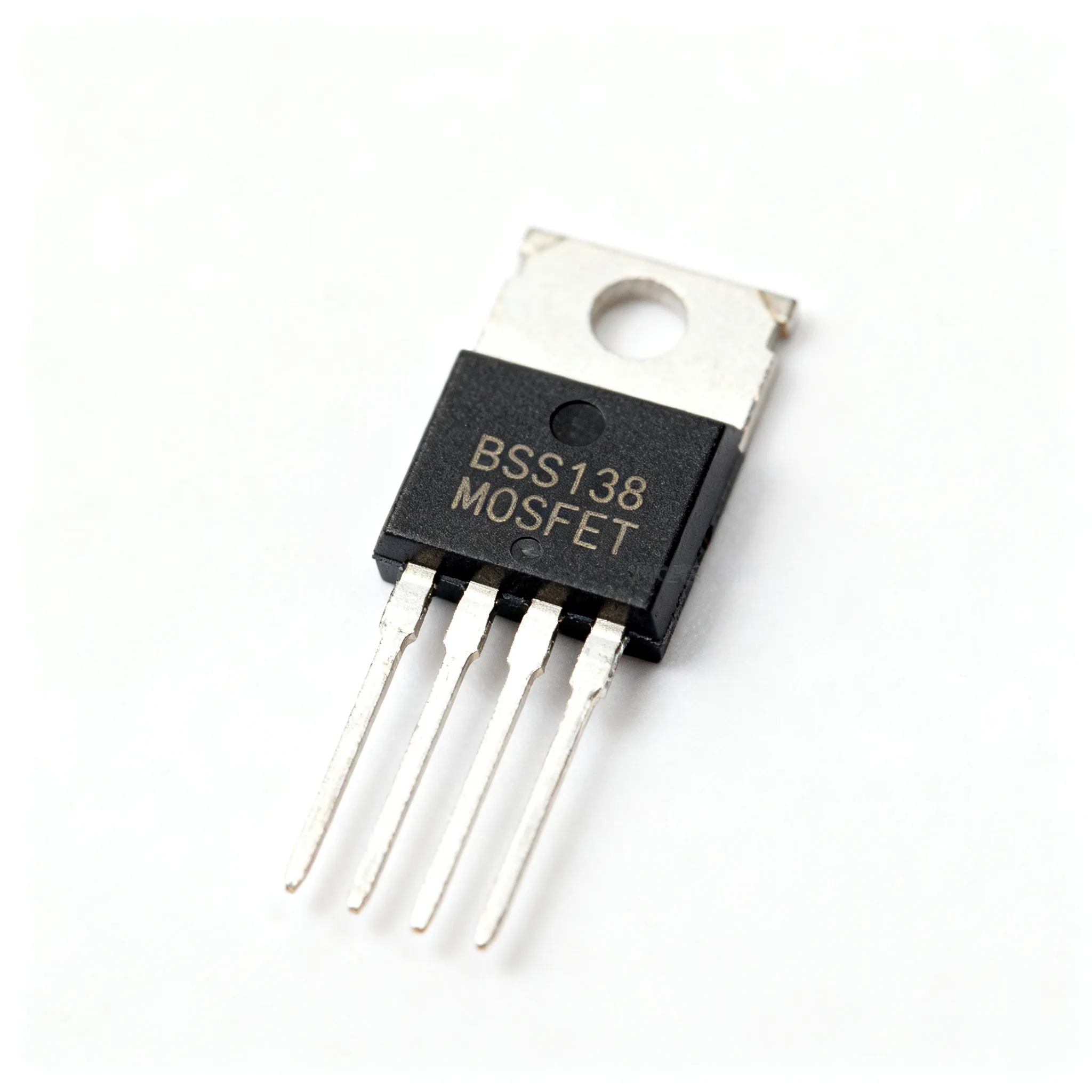
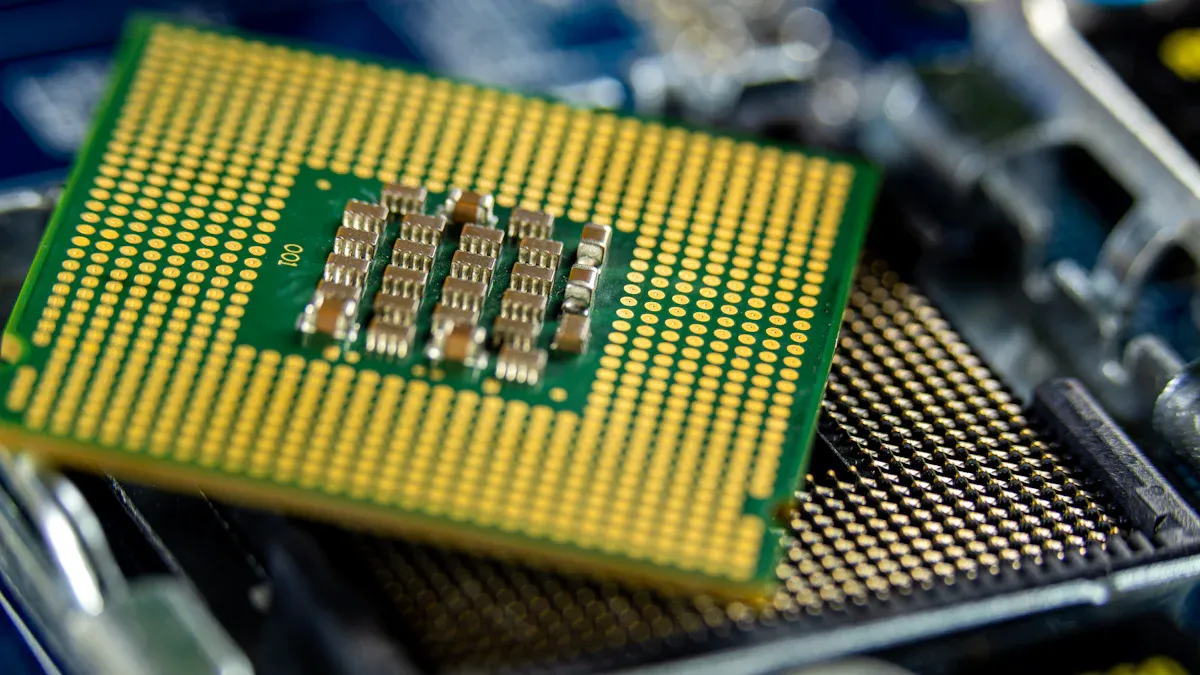
Integrated circuits, or ICs, are tiny but powerful tools. They combine many electronic parts into one small chip. These parts include transistors, resistors, capacitors, and diodes. Together, they perform specific tasks efficiently. The small size of ICs helps them process data, store information, and send signals quickly.
Here’s a simple breakdown of an IC:
-
What makes an IC: It has a silicon base holding its components.
-
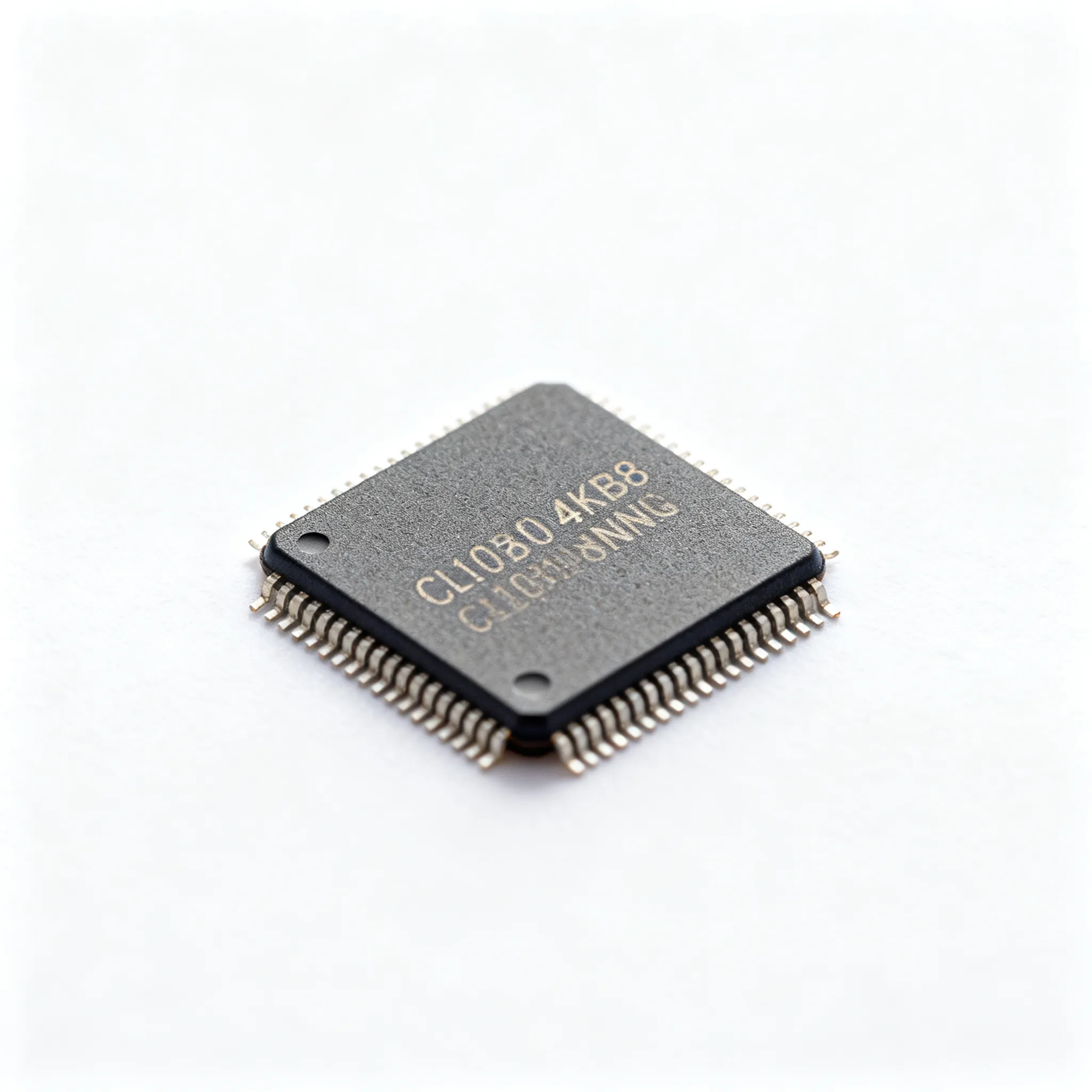
Types of IC packages: Examples are dual in-line packages (DIP) and surface-mount technology (SMT).
-
How to identify ICs: Each has a unique code printed on it.
-
Examples of ICs: Microcontrollers, memory chips, and operational amplifiers are common types.
ICs are shown in diagrams called schematics. These diagrams use symbols to show how parts connect. They also include details for building or fixing the circuit. This makes designing, making, and repairing ICs easier.
Types of Integrated Circuits
There are different kinds of ICs, each made for specific uses. They are grouped by their function, purpose, and complexity. Here’s a simple chart:
|
Examples/Details |
|
|---|---|
|
By Function |
Digital ICs, Analog ICs, Mixed-Signal ICs |
|
By Application |
Consumer Electronics, Automotive, Medical Devices |
|
Technology and Design Characteristics |
CMOS technology, high-speed ICs, low-power ICs |
|
Complexity and Integration |
Large-scale integration (LSI), very large-scale integration (VLSI), ULSI |
|
Architecture and Structure |
Processors, memories, input/output interfaces |
-
Analog ICs: These work with continuous signals, like in audio devices.
-
Digital ICs: These handle binary signals, often used in computers.
-
Mixed-Signal ICs: These combine analog and digital features, like in smartphones.
The flexibility of ICs makes them important in many industries. They are used in electronics, cars, and medical tools. Their ability to do complex tasks efficiently has changed technology.
Evolution and Advancements
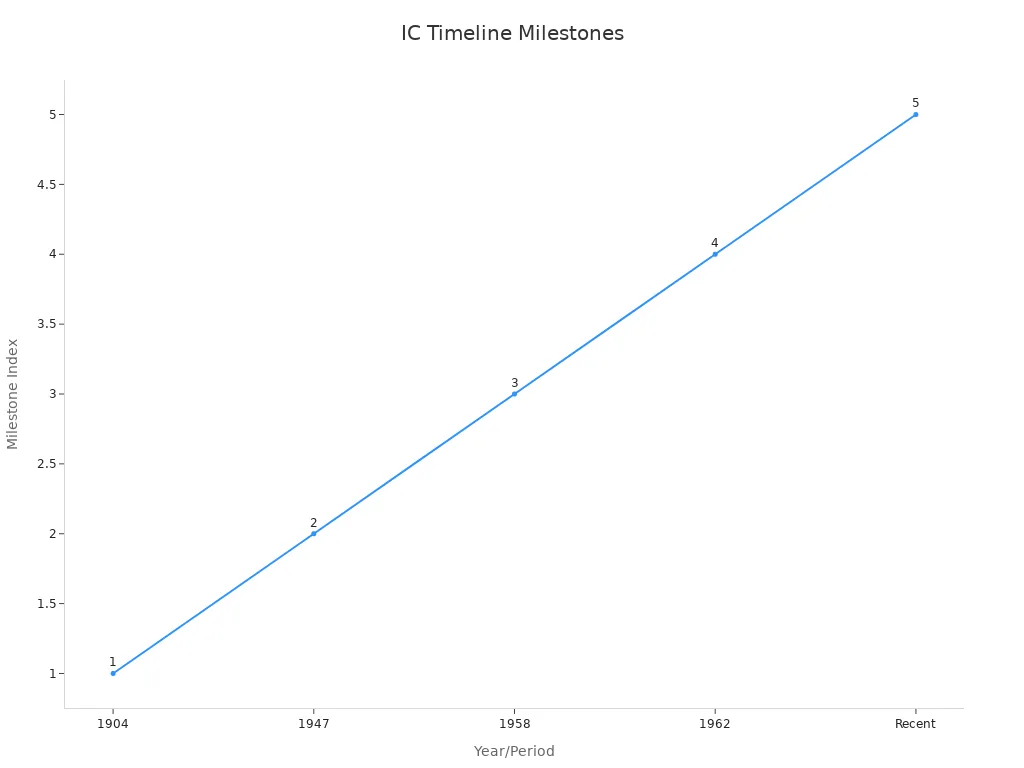
The history of ICs started with the vacuum tube in 1904. This tube allowed electricity to flow in one direction. In 1947, transistors were invented, which were smaller and better. Then, in 1958, Jack Kilby made the first IC by putting many parts on one silicon chip. This invention solved the need for smaller and faster devices.
In 1962, Texas Instruments began making ICs in large numbers. Over time, new ideas like 3D ICs and quantum ICs improved what these chips could do.
Programs like DARPA’s VLSI project helped improve ICs. This program brought researchers together to create better designs and production methods. These efforts boosted both military and commercial uses. It shows how funding leads to big advances in the chip industry.
Functionality of Integrated Circuits
Data Processing and Storage
Integrated circuits are key to handling data today. You use them daily in phones, computers, and smart gadgets. These chips process and store large amounts of information. For example, computer microprocessors run millions of tasks every second. This lets you browse websites or play games smoothly. Memory chips also keep your photos, videos, and files safe.
Digital ICs are important for this work. They use binary data—ones and zeros—to solve problems. This makes them vital for laptops and gaming systems. Microcontrollers are another type of IC. They combine processing, memory, and input/output features. These are common in electronics and cars, ensuring they work well.
Signal Transmission
ICs help send signals between devices quickly and correctly. They move data inside one device or across networks. For example, digital ICs in phones manage wireless calls, texts, and video streaming without delays.
Signal transmission changes analog signals into digital ones and back. Mixed-signal ICs are great at this. They connect analog sensors to digital processors. This is very useful in medical tools, where accurate signals are needed for monitoring and tests.
Miniaturization and Efficiency
Modern ICs are designed to be small and powerful. You see this in fitness trackers and IoT gadgets. These devices fit many features into tiny spaces. 3D ICs stack chip layers to improve performance and save space.
Smaller chip sizes, like moving from 10nm to 7nm, add more transistors. This makes chips faster and uses less power. Shorter connections in 3D ICs also save energy by reducing signal travel distance. These improvements make ICs perfect for small, high-tech devices.
Integrated Circuits in Intelligent Sensing Solutions
Role in Signal Processing
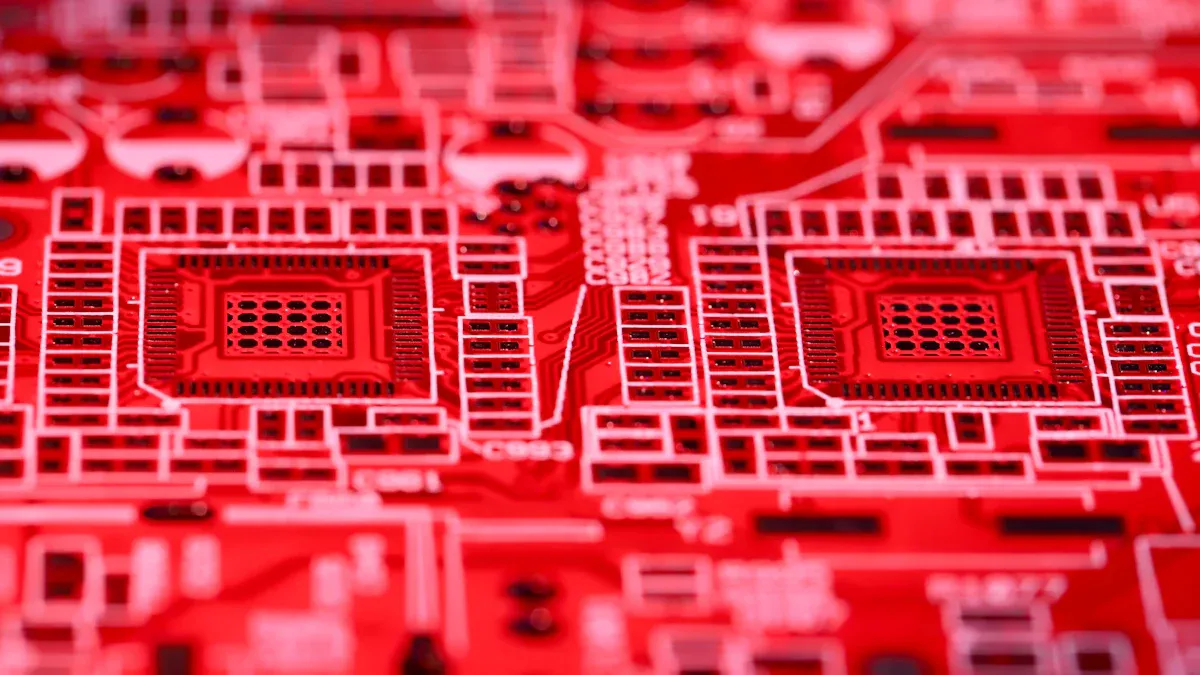
Integrated circuits are crucial for handling signals in sensing systems. They help sensors work by filtering, boosting, and changing signals. For instance, radar systems use ICs to help drones and cars detect weak signals. These chips also block out noise, making self-driving cars safer and more reliable.
New research shows exciting ways ICs improve signal processing. Scientists are creating tiny sensors to check medicine levels in saliva. These sensors use AI to adjust doses for epilepsy patients, improving healthcare. Another innovation is analog signal processing, which saves energy during complex tasks like AI. This method handles signals flexibly while using less power.
Tip: ICs for signal processing are vital for precise tasks like medical tests and self-driving cars. Learn more at ic-online.com.
Data Acquisition and Analytics
Integrated circuits change how sensors collect and analyze data. They help sensors turn raw data into useful information quickly. ICs in devices like smartphones and IoT gadgets make them smarter and faster.
The market for ICs in data collection is growing fast. In 2021, it was worth $1.7 billion. Experts predict it will reach $2.3 billion in five years. Companies like National Instruments and Keysight lead this growth. Here's a summary:
|
Aspect |
Details |
|---|---|
|
Market Size (2021) |
$1.7 billion |
|
Projected Market Size |
$2.3 billion in 5 years |
|
Key Players |
National Instruments, Keysight, Dewesoft, Keyence |
ICs also bring AI directly into sensors, helping them predict trends and find problems. For example, ICs in air quality monitors analyze data and send alerts. This helps people make better decisions quickly.
Enhancing Sensor Capabilities
Integrated circuits make sensors more powerful and flexible. They help sensors detect small changes in things like temperature or motion. ICs also make measurements more accurate, which is important for industries like healthcare and factories.
Smaller ICs improve sensor performance. Tiny chips with 3D stacking fit into small devices like fitness trackers. These chips save space and energy while working efficiently.
ICs also allow sensors to work in both analog and digital systems. For example, medical devices use ICs to turn body signals into digital data. This makes diagnoses more accurate and helps create personalized treatments.
Note: ICs are the key to modern sensors, improving industries like healthcare and electronics. Learn more at ic-online.com.
Benefits of Integrated Circuits in Sensing Applications
Space and Energy Efficiency
Integrated circuits save space and energy in sensing devices. Their small size helps IoT sensors fit into tight spaces. These chips also use less power, making them great for portable gadgets.
Modern ICs improve how much work they do per watt. They also make cooling systems better. Here’s a simple table:
|
Metric |
Improvement |
|---|---|
|
Compute Density |
|
|
Performance per Watt |
4x better |
|
Cooling System Reduction |
40% less needed |
|
Heat Dissipation Efficiency |
3x more effective |
These improvements make ICs perfect for cars and small controllers.
Cost-Effectiveness
Integrated circuits help lower costs in sensing devices. They combine many functions into one chip, saving money. This makes devices cheaper but still full of features.
For example, digital ICs handle hard tasks without extra parts. This lowers costs and makes them popular in electronics and memory chips. By using fewer materials, companies can sell affordable products. This helps more people access advanced technology.
Reliability and Performance
Integrated circuits make sensors more reliable and better performing. Their design ensures they work well, even in tough conditions. You can count on them for accurate results in cars or medical tools.
Digital ICs process data fast, helping sensors respond instantly. This is important for IoT devices where delays can cause problems. ICs are made from strong materials, so they last longer and need fewer repairs.
ICs also improve performance by handling hard tasks easily. Mixed-signal ICs let sensors work with both analog and digital systems. This ensures accurate data collection and analysis.
Future of Integrated Circuits in Sensing Technologies
AI-Driven Innovations
AI is changing how integrated circuits work in sensing devices. It helps in research, manufacturing, and chip design. AI programs suggest new ideas, speeding up discoveries. In factories, AI tools improve schedules, making devices faster to produce. AI also helps design smaller and better chips, like microprocessors and microcontrollers. These improvements make gadgets like phones and IoT devices work better.
AI-based processes make chips cheaper and more reliable. For example, AI designs high-density chips that use less energy. This is important for things like 5G networks. Combining efficiency with new ideas keeps sensing technologies ahead in modern advancements.
|
AI Innovation |
Description |
Impact |
|---|---|---|
|
AI in Research |
AI suggests new ideas for studies |
Speeds up discoveries |
|
AI in Factories |
AI improves production schedules |
Makes devices faster to produce |
|
AI in Chip Design |
AI helps create better materials for chips |
Makes chips smaller and stronger |
|
AI in Making Chips |
AI improves chip success rates |
Lowers costs and boosts reliability |
|
AI for Energy Use |
AI designs energy-saving chips |
Helps devices use less power |
Neuromorphic Computing Applications
Neuromorphic computing works like your brain, improving sensing devices. Chips for neuromorphic processors handle tasks like image fixing and real-time word detection. They use less energy than regular GPUs and CPUs, making them great for low-power needs.
For example, neuromorphic processors are very efficient in physics simulations. They use up to 3500 times less energy than CPUs. They also speed up deep learning tasks, helping sensors work faster and smarter. This technology is making sensors better at analyzing data instantly, helping industries like healthcare and robotics.
-
Neuromorphic processors save 280–21000 times more energy for certain tasks.
-
They use 150–1300 times less energy for physics simulations compared to GPUs.
-
Deep learning tasks are 10–1000 times more efficient with these processors.
-
Real-time word detection uses much less power than older systems.
3D Integrated Circuit Designs
3D integrated circuits are the next big step for sensing devices. These chips stack layers of processors and memory, making them smaller and more powerful. Through-Silicon Via (TSV) technology speeds up data transfer and reduces delays. This makes them perfect for AI and cloud computing.
Switching from 2D to 3D designs allows for smaller, faster devices. This change supports the growing need for gadgets like phones and IoT devices. The market for integrated circuits was worth $562.53 billion in 2022. Experts think it will grow to $1,921.42 billion by 2032 because of 3D designs.
-
TSV technology makes data move faster and reduces delays.
-
3D ICs are popular because they are small and powerful.
-
The IC market may grow 13.07% yearly, reaching $1,921.42 billion by 2032.
-
3D designs increase chip density, improve speed, and save energy.
Integrated circuits are crucial for NOVA's smart sensing systems. They help sensors handle data quickly, send signals correctly, and work dependably in small devices. By combining many functions into one chip, they are essential in today's technology.
Key Takeaway: Integrated circuits improve sensing abilities and support new ideas like AI and 3D designs. Using this technology keeps you ahead in the fast-changing digital age.
FAQ
What are digital integrated circuits, and where are they used?
Digital integrated circuits work with binary data like ones and zeros. They are used in computers, phones, and gaming devices. These chips help with storing data, solving problems, and sending signals.
How do application-specific integrated circuits differ from general-purpose chips?
Application-specific integrated circuits (ASICs) are made for certain tasks. Unlike general-purpose chips, ASICs are better for jobs like car systems, medical tools, and smart gadgets.
Why are integrated circuits important for sensing technologies?
Integrated circuits make sensors better at handling signals and data. They help sensors work faster, more accurately, and fit into small spaces. This is useful for healthcare and robots.
Can integrated circuits reduce energy consumption in devices?
Yes, new integrated circuits are designed to use less power. Smaller chips and stacked layers save energy, making them great for portable devices and IoT tools.
What advancements are shaping the future of integrated circuits?
New ideas like AI designs, brain-like computing, and 3D chips are changing the industry. These improvements make chips quicker, smarter, and use less energy for modern technology.