Starter relays keep electronics safe and strong
Starter relays protect your electronic systems by controlling high currents with precision. You rely on them to pr

Starter relays protect your electronic systems by controlling high currents with precision. You rely on them to prevent damage from electrical surges and to ensure that your devices start reliably, even in harsh weather. Many leading manufacturers, like Bosch, continue to innovate relay designs for better performance and safety. The integration of starter relays with smart vehicle electronics has made modern systems safer and more dependable.
| Evidence Type | Description |
|---|---|
| Reliable Starting Systems | Starter relays enhance ignition systems' performance and safety, especially in severe weather conditions. |
Key Takeaways
- Starter relays protect your electronics by controlling high currents, preventing damage from electrical surges.
- Using a starter relay helps ensure reliable engine starting, especially in harsh weather conditions.
- Choose relays with the correct voltage and current ratings to avoid overheating and extend the life of your devices.
- Regular maintenance and inspections of relays can prevent failures and ensure safe operation of your electronic systems.
- Understanding relay specifications and installation tips can improve the efficiency and reliability of your electrical systems.
What is a starter relay?
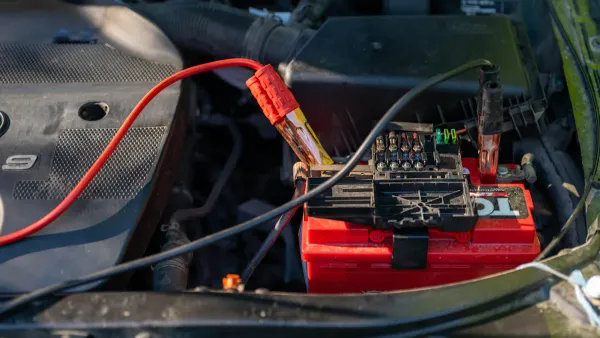
Starter relay definition
You often find relays at the heart of electronic systems that need to control large amounts of current safely. A starter relay acts as an electrically controlled switch. It connects the battery to the starter motor, allowing you to start engines with ease. The relay uses a small electrical signal to manage a much larger current. This design protects the ignition switch from damage and reduces power loss. Inside the relay, you see a coil and an electromagnet. When you send a small current through the coil, the electromagnet activates and closes the circuit. This action lets a high current flow to the starter motor. Electromechanical relays have served this purpose for decades. They use moving parts to open and close circuits. In recent years, electronic start relays, also called solid-state relays, have become popular. These relays use semiconductor components instead of moving parts. You get faster switching and longer life with solid-state designs, but electromechanical relays remain common because of their reliability and cost-effectiveness.
How relays work in circuits
Relays play a key role in controlling high-current loads in many electronic circuits. You use a small control current to energize the coil inside the relay. This action closes or opens contacts that handle a much larger load current. You can manage high-power circuits safely without direct human intervention. Electromechanical relays come in several types:
- Electromechanical relays for moderate current levels
- Solid-state relays for fast switching
- Automotive relays for high current loads in vehicles
- Time-delay relays for controlling when a load circuit turns on
You see relays in many applications, such as industrial automation, home appliances, and automotive systems. Electromechanical relays provide reliable switching in these environments. Solid-state relays offer advantages in speed and durability, but electromechanical designs still dominate many fields. You benefit from the ability to control large electrical loads with small, safe signals. This makes relays essential for protecting both your devices and your circuits.
Why starter relays matter
Starter relays play a vital role in keeping your electronic systems safe and efficient. You depend on these devices to protect sensitive components, deliver reliable power, and extend the life of your equipment. Understanding how relays work helps you make better choices when designing or maintaining electrical systems.
Protection from overcurrent and voltage spikes
You face risks from overcurrent and voltage spikes in automotive and industrial electronics. These events can happen often, especially when you switch large or reactive loads. Relays help you manage these dangers by controlling the flow of electrical current and absorbing surges.
When the coil is energized with direct current, a flyback diode or snubber resistor is often placed across the coil to dissipate the energy from the collapsing magnetic field (back EMF) at deactivation, which would otherwise generate a voltage spike dangerous to semiconductor circuit components.
If the relay is driving a large, or especially a reactive load, there may be a similar problem of surge currents around the relay output contacts. In this case a snubber circuit (a capacitor and resistor in series) across the contacts may absorb the surge.
Without adequate contact protection, the occurrence of electric current arcing causes significant degradation of the contacts, which suffer significant and visible damage.
You can see that relays not only control high currents but also shield your circuits from harmful spikes. This protection reduces the risk of electrical fires and extends the lifespan of your devices.
Reliable power delivery
You need reliable power for your electronic systems to function properly. Starter relays act as electrically controlled switches that separate low-current control signals from high-current power delivery. This design ensures that the starter motor receives the necessary power without risking damage to the electrical system. You benefit from safe engine starting and avoid problems like over-cranking, which can cause electrical failures.
Relays also help you reduce heat and limit voltage drop. By using a relay, you keep high currents away from delicate switches and wires. This setup improves system efficiency and keeps your electronics running smoothly.
Preventing ignition switch damage
You rely on the ignition switch to start your vehicle or equipment. However, the ignition switch cannot handle the high current needed for the starter motor. Relays solve this problem by taking on the heavy electrical load.
- The starter relay uses a small electrical current from the ignition switch to control a larger current needed for the starter motor.
- This prevents damage to the ignition switch, which cannot handle the high current required to start the engine.
- By energizing an electromagnet, the relay closes a larger circuit that connects the battery to the starter motor.
You protect your ignition switch and avoid costly repairs by using relays in your system.
Cost-effectiveness and reliability
You want solutions that are both reliable and affordable. Starter relays offer strong protection for your motors and other electrical equipment. They cost less than many other protective devices and require less maintenance. You can see the comparison below:
| Aspect | Starter Relays | Other Protective Devices |
|---|---|---|
| Cost | Generally lower than motors | Varies, often higher |
| Reliability | High, prevents motor damage | Varies, dependent on type |
| Maintenance Costs | Reduced due to overload protection | Can be higher without relays |
| Equipment Lifespan | Extended through protection | Varies, often shorter |
You improve operational efficiency and extend the life of your equipment by choosing relays for overload protection.
Relays give you control, safety, and efficiency in your electrical systems. By understanding their roles, you can make smarter decisions and keep your electronics safe and strong.
Key features of starter relays
Starter relays offer several important features that help you control and protect your electrical systems. Understanding these features allows you to select the right relay for your application and ensure reliable performance.
Current and voltage ratings
You must always check the current and voltage ratings before choosing relays. These ratings tell you how much electrical load the relay can handle safely. If you use a relay with ratings too low for your system, you risk overheating or failure. For automotive and industrial applications, you often see the following typical values:
| Application Type | Voltage Rating (V) | Current Rating (A) |
|---|---|---|
| Automotive Standard | 12-14 | 20-30 |
| Commercial Vehicles | 24 | 20-30 |
Selecting relays with the correct ratings ensures safe operation and prevents electrical hazards.
Response time
You need relays that respond quickly to control signals. Fast response time means the relay can switch circuits on or off without delay. This feature is especially important in systems where timing is critical, such as engine starting or industrial automation. Electromechanical relays usually have a slightly slower response than solid-state types, but both can provide reliable control when matched to the right application.
Durability and lifespan
You want relays that last a long time, even in tough environments. Electromechanical relays use moving contacts, which can wear out over time. Solid-state relays have no moving parts, so they often last longer. Environmental factors like temperature and humidity can affect relay performance. High humidity may cause corrosion or condensation, leading to short circuits. Extreme temperatures can damage relay components and shorten their lifespan. Choosing relays with proper environmental ratings helps you avoid these problems.
Device compatibility
You must make sure the relay fits your system. Compatibility involves several factors:
- Match the relay’s coil voltage to your system voltage.
- Ensure terminal types work with your wiring.
- Select an environmental rating that suits your application.
| Compatibility Factor | Description |
|---|---|
| Electrical System Compatibility | Ensure the relay matches the voltage and current specifications of the system. |
| Interface Compatibility | The type of input and output connections must align with the existing system. |
| Environmental Rating | Select relays with appropriate IP ratings for the conditions they will face. |
| Terminal Type | Match terminal types and sizes to the wiring harness for secure connections. |
By checking these points, you guarantee that your relays will control your electrical loads safely and efficiently.
Relay applications in modern electronics
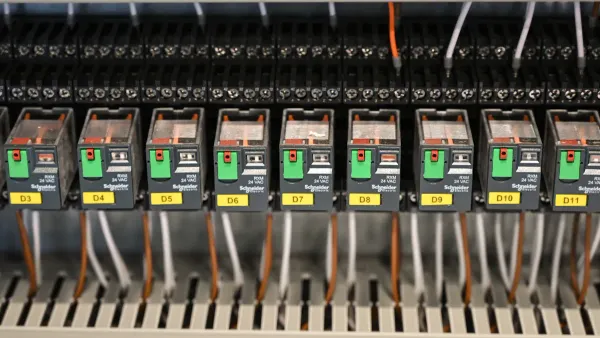
You see relays in almost every modern electronic system. These devices help you control electrical power safely and efficiently. When you look at common applications of relays, you find them in vehicles, factories, and even home appliances. Relay applications continue to grow as technology advances.
Automotive systems
You depend on relays to keep your car’s electrical systems running smoothly. Starter relays play a key role in delivering power to the starter motor. They also protect sensitive electronics from voltage spikes. As vehicles become more advanced, you see trends like miniaturization and smart technology integration. These trends make automotive systems more compact and reliable. The table below shows some important trends in automotive relay technology:
| Trend | Description |
|---|---|
| Miniaturization | Smaller, lightweight relay designs lead to compact and efficient automotive systems. |
| Sustainability Focus | Development of eco-friendly relay components aligns with consumer preferences for sustainable products. |
| Increased Reliability | Advancements in relay durability ensure better service life and reduced maintenance costs. |
| Electrification of Vehicles | Demand for advanced starter relay systems to handle higher voltage and efficiency requirements. |
| Smart Technology Integration | Innovations in smart relay systems with IoT capabilities enhance vehicle performance and safety. |
You benefit from these innovations as they improve safety and efficiency in your vehicle’s electrical system.
Industrial equipment
You rely on relays to protect and automate industrial equipment. In factories, relays isolate circuits, prevent overloads, and enable remote operation. You can use low-power signals to control heavy machinery, which improves energy use and safety. The table below highlights how relays contribute to industrial safety and efficiency:
| Function | Description |
|---|---|
| Circuit Isolation | Protects sensitive components from voltage spikes and overloads, ensuring operational safety. |
| Remote Operation | Enables control of devices from a distance, enhancing automation capabilities. |
| Low Power Control | Allows low-power signals to manage high-current loads efficiently, improving energy use. |
| Enhanced Safety | Instantly disconnects faulty circuits to reduce risks of fire hazards and electric shocks. |
| Automation Integration | Works with PLCs and smart systems for optimized energy management in industrial settings. |
Nova Technology Company (HK) Limited stands out as a HiSilicon-designated solutions partner. You can trust their expertise in chip-level solutions and system integration for industrial relay applications. Their advanced semiconductor technologies support reliable and efficient electrical control in complex application scenarios.
Consumer electronics
You interact with relays every day in your home appliances. These devices automate and protect electrical circuits in many products. Here are some common applications of relays in consumer electronics:
- Air conditioners and refrigerators – controlling compressors
- Washing machines and dishwashers – automating cycle changes
- Microwave ovens and induction cooktops – managing heating elements
You enjoy safer and more convenient appliances because relays handle high currents and protect sensitive components. As technology evolves, you will see even smarter relay applications in your everyday devices.
Best practices for relay selection and installation
Matching relay specifications
You need to match starter relay specifications to your electronic system requirements. Relays must fit your application, so you should consider several criteria. The table below helps you compare important factors:
| Criteria | Description |
|---|---|
| Size | Space constraints in the device can influence the type of industrial relay you use. Evaluate the mounting style and size of the relay to fit the available space. |
| Switching Speed & Frequency | Different jobs require different switching speeds. Devices needing rapid response times have different relay requirements than low-impact devices. |
| Mechanical Durability | Relays have a finite number of operations they can perform. If continuous operation is critical, ensure components can withstand frequent switching. |
| Surge Current Durability | The maximum amperage a relay contact can withstand at once is crucial for system reliability. Compare the relay's maximum surge current rating with the application's expected inrush current. |
| Voltage Rating | Rated voltage must be greater than or equal to the voltage driving the electrical load. Understanding the relay's voltage ratings is essential for proper selection. |
| Operating Environment | Review the assembly and its surrounding area for temperature, humidity, corrosive substances, and vibration, as these factors can affect relay performance. |
| Isolation Between Control & Load | The relay must isolate the power supply from the control circuit to protect sensitive components from high voltages/currents. |
| Multiple Contacts | Availability of multiple contacts is crucial for simultaneous control of several circuits or specific sequences of operation, enhancing the relay's breaking capacity. |
Nova Technology Company (HK) Limited stands out as a HiSilicon-designated solutions partner. You benefit from their expertise in chip-level solutions and system integration for advanced relay applications. Their semiconductor technologies support reliable relays in demanding environments.
Installation tips for safety
You must follow safety practices when installing relays. Proper installation reduces the risk of electronic system failure and ensures reliable current flow. Here are some important tips:
- Document the design and installation of the safety circuit, including wiring diagrams and component specifications.
- Provide proper training for operators and maintenance personnel on the system's function and operation.
- Conduct regular maintenance and inspection of the safety circuit to identify potential issues.
- Ensure reliable current flow by minimizing wiring and connection issues. This prevents intermittent operation and helps you identify a faulty relay quickly.
- Install relays correctly to manage current flow and reduce voltage drop in the feed circuit.
Tip: The installation of a remote starter relay provides a direct and clean current path to the starter and solenoid, which helps to reduce or eliminate voltage drop in the feed circuit, thereby enhancing the reliability of the electronic system.
Maintenance for longevity
You extend the life of relays by following proper maintenance procedures. Regular testing helps you identify a faulty relay before it causes problems. Here are recommended steps:
- Schedule routine inspections to check for wear and tear on contacts.
- Replace worn contacts to maintain conductivity and reduce resistance.
- Use high-quality materials and ensure proper alignment during installation.
- Perform monthly visual inspections for physical damage and debris.
- Conduct annual thorough checks of internal components and update firmware for microprocessor relays.
- Complete biannual full tests, including functional checks and insulation-resistance testing.
Relays generally last between 5 to 8 years under normal conditions. In high-use environments, you should inspect relays during maintenance checks, such as oil changes. Look for signs of wear like melted housing, discoloration, or loose mounting brackets. Testing a relay and knowing how to test a relay helps you identify a faulty relay and prevent common failure modes, such as overheating, contact welding, or relay sticking. Testing also ensures relays operate safely and efficiently.
| Common Failure Mode | Description | Prevention Measures |
|---|---|---|
| Overheating | Damage to internal components due to excessive heat. | Ensure proper sizing, provide adequate ventilation, and conduct regular maintenance. |
| Contact Welding | Contacts fuse together due to excessive current or arcing. | Select relays with appropriate ratings and regularly test contacts for proper operation. |
| Relay Sticking | Contacts fail to open or close, causing intermittent connections. | Keep relays clean, follow installation procedures, and conduct periodic testing and maintenance. |
You minimize environmental stress by using sealed relays in harsh conditions. Cleaning, tightening connections, and regular testing help you identify a faulty relay and keep your system strong.
Starter relays help you protect electronics from damage and keep systems running strong. You improve reliability by choosing relays that match your application and environment.
- Relays in industrial settings must meet strict standards and handle harsh conditions.
- The right relay prevents equipment failure and system downtime.
Careful selection and proper installation keep your devices safe. Apply these tips to your projects. For complex systems, consider consulting experts or learning more about advanced relay solutions.
FAQ
What does a starter relay do in your electronic system?
A starter relay lets you control high current with a small switch. You use it to protect sensitive parts and ensure reliable power delivery. It acts as a bridge between your control circuit and the heavy load.
How can you tell if a starter relay is failing?
You may notice slow or no engine start, clicking sounds, or intermittent operation. If you see melted housing or loose connections, test the relay with a multimeter to confirm if it works.
Can you replace a starter relay yourself?
Yes, you can replace a starter relay if you follow safety steps. Disconnect the battery, match the new relay’s specs, and install it securely. Always check your manual for guidance.
Why should you choose a relay with the right ratings?
Choosing the correct voltage and current ratings prevents overheating and failure. You keep your system safe and extend the life of your electronics by matching the relay to your application.
What maintenance helps your starter relay last longer?
Regular inspections, cleaning, and testing help you spot problems early. Replace worn contacts and keep connections tight. This routine care ensures your relay works reliably for years.