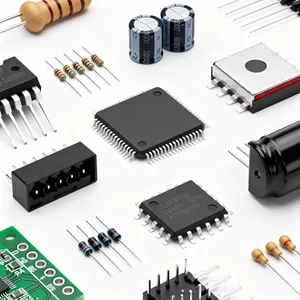
Why NFC is More Than Just a Type of RFID
People often view NFC as RFID's simpler cousin. This idea is technically true. However, it misses the bigger picture. It's
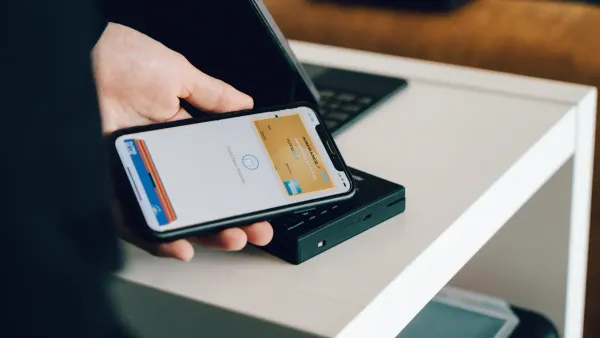
People often view NFC as RFID's simpler cousin. This idea is technically true. However, it misses the bigger picture.
It's like saying a scalpel is just a type of knife.
Near Field Communication is a specialized evolution of RFID technology. Its unique features make it fundamentally different for modern uses. The global NFC market is projected to reach USD 33.1 billion by 2030, showing its growing importance. This powerful NFC technology enables the simple tap-to-pay actions and instant device pairings we use daily. The core differences in RFID and NFC lie in communication, range, and security.
Key Takeaways
- NFC is a special type of RFID. It is made for secure, close-up interactions.
- NFC allows two-way talking between devices. Most RFID only talks one way.
- NFC works only when devices are very close. This makes it safe for payments and sharing.
- NFC is used for mobile payments, quick device pairing, and interactive ads.
- Choose NFC for secure, personal tasks. Use regular RFID for tracking many items from far away.
Understanding NFC as RFID's Specialized Subset
The relationship between NFC and RFID is one of family. NFC is a specialized branch of High-Frequency (HF) RFID technology. Both technologies share a common ancestor, but their evolutionary paths diverged to serve very different functions. Understanding this shared origin and subsequent split is key to seeing why NFC is more than just another type of RFID.
The Shared Foundation: 13.56 MHz Frequency
Both Near Field Communication and HF RFID devices communicate on the same radio wave: the 13.56 MHz frequency band. This shared operational frequency is defined by international standards. For instance, the ISO/IEC 15693 standard governs many HF RFID systems used for general identification. Similarly, NFC protocols are built upon standards like ISO/IEC 14443, which also operate at 13.56 MHz. This common frequency is the primary reason people consider NFC as RFID. It is the foundational link between the two.
The Core Divergence: Protocol and Purpose
Despite the shared frequency, the core difference lies in their communication protocols and intended purpose. Standard radio frequency identification is designed for simple, one-way data transmission. A reader sends a signal, and tags respond with their information. NFC, however, uses more advanced protocols defined by standards like ISO/IEC 18092. This allows for complex, two-way interactions.
This divergence in protocol transforms the technology's potential. While RFID technology excels at mass scanning, NFC technology enables secure, interactive exchanges between two smart devices.
The table below highlights the fundamental split between the two.
| Feature | NFC (e.g., ISO/IEC 18092) | Standard HF RFID (e.g., ISO/IEC 15693) |
|---|---|---|
| Communication Mode | Peer-to-peer (two-way) | Reader-to-tag (one-way) |
| Primary Use Case | Secure data exchange, payments | General item identification |
| Protocol Basis | Builds on ISO/IEC 14443 & 18092 | ISO/IEC 15693, ISO/IEC 14443 |
This shows that while NFC is a subset of RFID, its unique protocols create a completely different user experience.
NFC vs. RFID: Key Differentiators
While NFC and RFID share a common frequency, their designs serve fundamentally different goals. These differences become clear when looking at how they communicate, their operational range, and the standards that govern them. The divergence in these key areas is what makes NFC a unique tool for modern, interactive applications, distinct from the broader field of RFID technology.
Communication: Two-Way vs. One-Way
The most significant difference between NFC and standard RFID lies in their communication model. Most RFID systems operate like a one-way broadcast. A powerful reader sends out a signal, and any passive RFID tags within range respond with their pre-programmed identification data. It is a simple, efficient system for mass scanning.
NFC, however, enables a dynamic, two-way street for information. An NFC device is not just a reader; it can operate in multiple modes to facilitate complex interactions.
- Reader/Writer Mode: An NFC device can read from or write new data to an NFC tag. This is useful for interacting with smart posters that launch a website or reconfiguring a smart home device.
- Peer-to-Peer (P2P) Mode: Two NFC-enabled devices can exchange information directly. This mode allows for sharing photos, contact details, or other data simply by bringing two phones close together.
- Card Emulation Mode: An NFC device can act like a contactless smart card. This allows a smartphone to replace credit cards, transit passes, and access keys, enabling secure mobile payments and ticketing.
This multi-mode capability is a core part of what separates NFC from most RFID technology.
| Feature | NFC | Passive RFID Systems |
|---|---|---|
| Communication | Bidirectional (Two-Way) | Unidirectional (One-Way) |
| Tag Scanning | One tag at a time | Multiple tags in batches |
| Max Data Rate | Up to 424 kbit/s | Can be higher |
| Primary Use | Secure data exchange | Mass item identification |
Range & Security: Proximity as a Feature
Many people see NFC's short range as a limitation. In reality, it is a deliberate and crucial security feature. NFC operates using electromagnetic inductive coupling, a process where one device creates a small magnetic field to power and communicate with another. This field weakens very quickly with distance, limiting effective close-range communication to about 4 centimeters (under 2 inches).
This intentional short range is the foundation of NFC's security. It requires a user to make a conscious gesture—a tap or a close hover—to initiate a connection.
This physical proximity requirement provides a powerful layer of protection. It makes remote or accidental data skimming nearly impossible. A thief cannot scan your digital wallet from across a room, unlike some long-range RFID systems that can be read from several meters away. This makes NFC the ideal choice for sensitive transactions that require user intent and verification.
Standardization: A Universal Protocol
Imagine a world where an Apple iPhone could not make a payment on a terminal built for Google Pay, or a Samsung phone could not read a standard NFC business card. This chaos is prevented by strong, global standardization. The NFC Forum, a non-profit association founded in 2004, is the global standards body for NFC.
This organization brings together hundreds of companies, including industry giants like Apple, Google, Sony, and NXP. They collaborate to create and maintain the technical specifications that ensure all NFC devices and tags can communicate with each other, regardless of the manufacturer. The NFC Forum's work guarantees interoperability, which is essential for a reliable and consistent user experience worldwide. This universal standard is a key reason why NFC has become so integrated into our daily lives, from mobile payments to seamless device pairing. It transforms the technology from a niche feature into a globally trusted platform for secure interactions.
Practical NFC Applications in Daily Life
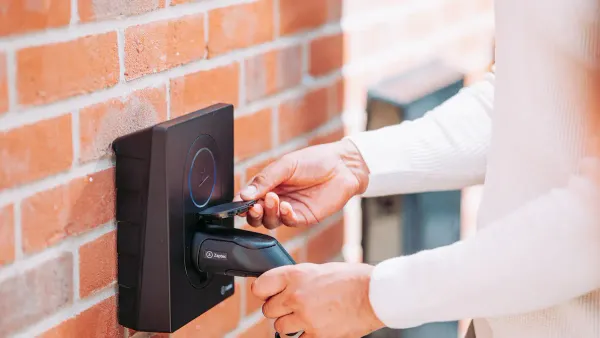
The unique features of NFC technology unlock a wide range of practical applications that simplify daily tasks. These applications transform how people interact with devices and services. Companies like Nova Technology Company (HK) Limited, a HiSilicon-designated (authorized) solutions partner, help businesses build these innovative solutions. The technology's impact is clear in payments, device connectivity, and marketing.
Secure Mobile Payments and Ticketing
NFC is the engine behind modern contactless payments. It allows users to make a secure purchase with a simple tap of their smartphone. While mobile payments still make up a small portion of all debit transactions, their use is growing rapidly. This system uses a process called tokenization for secure payment processing.
When a user adds a credit card to a digital wallet, the bank replaces the actual card number with a unique digital token. This token is used for payment processing, so the real card details are never shared with the merchant.
This method provides a high level of security. Major transit systems also use this technology. New York's MTA and London's Underground have implemented NFC, allowing riders to pay fares with a tap of their phone or card.
Instant Device Pairing and Data Sharing
NFC technology removes the hassle of connecting wireless devices. Many Bluetooth headphones and speakers use NFC for one-tap pairing. Users simply touch their smartphone to the device to establish a connection. This process avoids complex menus and settings.
Android's "Nearby Share" feature uses a similar principle. A quick tap between two phones can initiate a file transfer. The NFC handshake establishes the initial connection, and then a faster technology like Bluetooth or Wi-Fi handles the actual data transfer. This makes sharing photos and contacts effortless.
Interactive Marketing and Smart Packaging
Brands use NFC to create engaging experiences for customers. An NFC tag embedded in a poster or product can launch a website, offer a discount, or provide exclusive content when tapped with a phone. For example, Adidas has used NFC tags in shoes to give customers access to training tips. These applications create a direct link between the physical product and digital content. NFC also helps with product authentication. Luxury and pharmaceutical brands put tags in packaging to fight counterfeits, allowing consumers to verify a product's authenticity.
Choosing the Right Technology: NFC vs. RFID
Choosing between NFC and RFID depends entirely on the specific goal. One technology is not better than the other; they are simply different tools for different jobs. RFID excels at identifying many items from a distance, while NFC specializes in secure, close-range interactions. The table below summarizes their core differences.
| Feature | Long-Range RFID | Secure NFC |
|---|---|---|
| Communication Mode | One-way (Reader to Tag) | Two-way (Peer-to-Peer) |
| Range | Several meters | Under 4 centimeters |
| Primary Use Case | Mass inventory tracking | Secure payments, access |
| Security Level | Lower (vulnerable to skimming) | High (requires intent) |
Use Cases for Long-Range RFID
RFID technology is the ideal solution for tasks that require speed and efficiency over distance. Its ability to scan hundreds of items at once makes it perfect for large-scale operations.
Think of a massive warehouse or a busy supply chain. RFID is the workhorse that keeps things moving.
Retailers like Zara use RFID tags on every product. This allows them to perform inventory counts in just a few hours, a task that once took days. This RFID technology also helps them reduce out-of-stock situations. Other powerful use cases include:
- Automated Toll Collection: RFID systems on highways allow cars to pay tolls without stopping, reducing traffic.
- Livestock Management: Farmers use RFID to track and manage animals, helping with health monitoring and identification.
In these scenarios, the goal is mass data collection, not secure, single transactions.
Use Cases for Secure NFC
NFC shines where security and user convenience are the top priorities. Its short range is a feature that protects sensitive data. It requires a deliberate action from the user, making it perfect for secure tasks. For example, making a purchase at a coffee shop involves a simple tap. This action initiates a secure payment processing flow for credit card payments. The POS terminal and your phone handle the secure exchange.
This focus on security makes NFC the go-to choice for:
- Access Control: Many modern offices and hotels use NFC for keyless entry. An employee or guest can simply tap their phone to unlock a door, giving them secure access. This system gives administrators better control over who enters a building.
- Personal Identification: Electronic passports contain an NFC chip that securely stores the holder's information. This allows for faster and more secure border crossings.
These applications depend on the close-range, one-to-one nature of NFC to protect personal data and complete secure transactions. The technology creates an efficient point-of-sale system and a reliable access method, all powered by a simple tap. The secure payment processing ensures user data remains safe.
The idea of nfc as rfid overlooks critical design choices. NFC's two-way communication and intentional short-range security create a specialized tool. While rfid excels at mass identification over distances, nfc is crafted for the secure, intuitive interactions that define modern technology. Its role continues to expand, with high growth predicted in the Internet of Things and new uses like digital car keys emerging. This evolution confirms that viewing nfc as rfid provides an incomplete picture of this powerful and distinct technology.
FAQ
Can RFID be used for mobile payments?
Most RFID systems are not suitable for payments. They are designed for one-way identification and lack the security protocols needed for financial transactions. NFC's two-way communication and short range provide the necessary security for mobile payments.
Is NFC always more secure than RFID?
Yes, for personal data. NFC's short range requires a user's intent for a connection. This design prevents remote scanning. Long-range RFID can be read from a distance, making it less secure for sensitive information like payment details or personal id verification.
Why does NFC have such a short range?
The short range is a key security feature, not a flaw. It ensures that a device must be very close to initiate communication. This proximity requirement provides a physical layer of verification and protects against accidental or unauthorized data access.
Can an NFC phone read all types of RFID tags?
No, an NFC phone cannot read all RFID tags. NFC devices operate at the 13.56 MHz frequency. They can only interact with High-Frequency (HF) RFID tags that follow NFC-compatible standards. They cannot read Low-Frequency (LF) or Ultra-High-Frequency (UHF) tags.