Why Motor Resistors Matter for Vehicle Climate Control
A vehicle owner may encounter frustrating blower problems, such as the blower fan only running on its highest speed. This sy
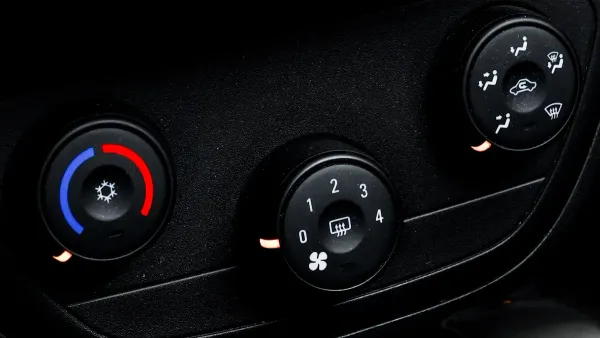
A vehicle owner may encounter frustrating blower problems, such as the blower fan only running on its highest speed. This symptom, often mistaken for a case of the "blower fan not working" entirely, usually points to a single culprit: a failed blower motor resistor. The blower motor resistor is an essential part for controlling the blower speed.
A faulty motor resistor is the most common reason for these specific climate control problems. When this motor resistor fails, it prevents the blower from operating on lower settings, leaving the vehicle with only the maximum blower speed available.
Key Takeaways
- A blower motor resistor controls your car's fan speed. It helps you change how much air comes out of the vents.
- If your car fan only works on high speed, a bad blower motor resistor is usually the problem. Lower speeds need this part to work.
- Resistors fail because of too much heat or a worn-out fan motor. Blocked airflow from a dirty filter also causes problems.
- To fix a bad resistor for good, you must also check the fan motor and replace the cabin air filter. This stops the new resistor from breaking too soon.
Understanding the Blower Motor Resistor
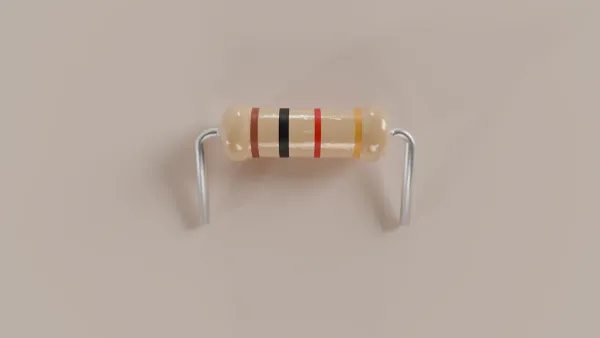
The blower motor resistor is a small but critical electrical component. It manages the speed of the blower fan inside a vehicle's heating, ventilation, and air conditioning (HVAC) system. Its primary job is to provide comfort by allowing the driver to adjust the amount of airflow. Without a functional motor resistor, a driver loses control over the blower speed, which impacts the overall performance of the heating and cooling system.
The Role of the Motor Resistor in HVAC
A vehicle's HVAC system relies on the blower motor resistor to deliver variable fan speeds. Most manual climate control systems use a blower motor resistor to offer several fixed fan speed settings. The driver selects a speed, and the motor resistor adjusts the electrical power going to the blower.
Note: Modern vehicles with automatic climate control often use a more advanced component. These systems replace the traditional blower motor resistor with an electronic blower motor control module for more precise performance.
| System Type | Component Used | Function |
|---|---|---|
| Manual Climate Control | Blower Motor Resistor | Provides 4 or 5 fixed fan speeds |
| Automatic Climate Control | Electronic Blower Motor Control Module | Allows gradual adjustment of fan speed |
This distinction is important. A failed motor resistor in a manual system creates the "high-speed only" problem. A failure in an automatic system's module might cause different symptoms, like a blower that does not work at all or runs continuously.
Regulating Current to Control Fan Speed
The blower motor resistor controls fan speed by changing the amount of electrical current reaching the blower motor. It contains several resistor coils, each offering a different level of electrical resistance. When a driver chooses a lower fan speed, the electricity flows through one of these coils. The coil resists the flow of electricity, reducing the voltage and current supplied to the blower motor. This reduction in power makes the blower spin slower, decreasing the airflow.
Think of electrical resistance like a narrow garden hose. A wide hose allows a large volume of water to flow through quickly. A narrow hose restricts the flow, so less water comes out. The motor resistor acts like that narrow hose for electricity. Higher resistance "narrows the path," slowing down the blower.
This process follows a fundamental electrical principle known as Ohm's Law. The law states that voltage equals current multiplied by resistance (V=IR). The blower motor resistor manipulates this relationship. By adding an external resistor to the blower motor's circuit, the system reduces the current. Since the blower motor's speed is proportional to the current it receives, less current results in a slower blower speed and reduced airflow. This method provides effective control over the blower's performance.
Here are typical resistance values for a blower motor resistor:
| Fan Speed Setting | Resistance Value (ohms) |
|---|---|
| Low | 1.0 |
| Medium-Low | 0.6 |
| Medium-High | 0.46 |
As shown, the highest resistance is used for the lowest blower speed. Each step up in speed uses a path with less resistance, allowing more current to reach the blower for better airflow performance.
Why High Speed Bypasses the Resistor
The "high" fan setting works differently from the others. When a driver selects the highest speed, the electrical circuit bypasses the blower motor resistor entirely. Instead of flowing through a restrictive coil, the power goes directly from the vehicle's battery to the blower motor. This direct path has the lowest possible resistance, allowing the maximum amount of current to flow.
With maximum current, the blower motor spins at its top speed, delivering the strongest possible airflow. This design is a failsafe. If the motor resistor overheats and fails, this bypass circuit ensures the driver can still get maximum airflow for defrosting a windshield or quickly cooling the cabin. It explains why a bad blower motor resistor results in a blower that only works on high. The lower speed settings depend on the motor resistor, but the high setting does not. This is a key diagnostic clue for any HVAC issue involving blower performance.
Causes of a Failing Blower Motor Resistor
A failing blower motor resistor is one of the most common HVAC problems. While the component itself fails, the root cause is often an issue elsewhere in the HVAC system. Understanding these causes is key to preventing repeat failures. The three primary reasons for a failing blower motor resistor are overheating, electrical overload, and simple wear.
Overheating from Blocked Airflow
The motor resistor generates significant heat as it reduces current to the blower. Vehicle designers place the blower motor resistor inside the HVAC ducting for a reason. The constant airflow from the blower cools the resistor and prevents it from overheating. When this airflow is blocked, the motor resistor cannot shed heat, causing its internal coils to burn out. This leads to problems like inconsistent airflow or no airflow from vents on lower settings.
A dirty cabin air filter is the most frequent cause of poor airflow. However, other obstructions can also create these HVAC problems.
Common sources of restricted airflow include:
- Debris like dust or pet hair on the blower wheel.
- Excessive dust buildup on the blower blades.
- A malfunctioning blower motor that spins too slowly.
Overload from a Worn Blower Motor
Another major cause of a failing blower motor resistor is an aging blower motor. As a blower motor wears out, its internal components create more friction. The motor must draw extra electrical current to overcome this resistance and maintain its speed. This increased current flows through the motor resistor, forcing it to handle more power than it was designed for. This overload condition quickly overheats and destroys the resistor. Simply replacing the blower motor resistor without checking the blower motor often leads to the new part failing again in a short time. These related problems can be frustrating for a vehicle owner.
Corrosion and Age-Related Wear
Like any electronic part, the blower motor resistor has a limited lifespan. A motor resistor typically lasts between 5 to 10 years. Its operational life depends on factors like climate conditions and overall vehicle usage. Over time, exposure to moisture in the air can cause corrosion on the resistor's electrical terminals and coils. This corrosion increases resistance and can lead to failure. Eventually, the constant heating and cooling cycles can cause the resistor coils to become brittle and break. When this happens, it can cause a range of issues, from a single fan speed not working to a total HVAC system malfunction.
Fixing a Faulty Blower Motor Resistor
Diagnosing and fixing a faulty blower motor resistor involves more than just swapping a part. A proper repair addresses the root cause to prevent the problem from returning. This process begins with correctly identifying the signs of a failing blower motor resistor and performing a complete system check.
Signs of a Failing Blower Motor Resistor
The most common symptom of a bad motor resistor is a blower fan that only works on the highest setting. Other signs of a failing blower motor resistor include certain fan speeds not working at all or the fan operating intermittently. However, other HVAC components can cause similar issues. A vehicle owner must distinguish between these problems for an accurate diagnosis.
The following table helps differentiate the signs of a failing blower motor resistor from other common HVAC issues:
| Component | Specific Symptoms |
|---|---|
| Blower Motor Resistor | Fan only works on high; some fan speeds do not work. |
| Blower Motor | No airflow on any setting; unusual noises like squealing or grinding; weak airflow on all settings; a burning smell from an overheating motor. |
| Dirty Air Filter | Reduced airflow from vents; musty odors; the HVAC system seems to work harder than usual. |
| Faulty Wiring | Intermittent blower operation; no power to the blower at all; a burning plastic smell from melted wires. |
| Blower Switch | The fan does not respond to switch position changes; the switch feels loose or broken. |
One of the most alarming signs of a failing blower motor resistor is a burning plastic smell coming from the vents. This odor is a serious warning sign that requires immediate attention.
A burning plastic smell often indicates that the motor resistor is severely overheating. This extreme heat can melt the plastic connector and wire insulation, creating a fire hazard. The smell is a clear signal that the blower motor resistor and its wiring harness need an immediate inspection.
Inspecting the Wiring and Connector
Before performing a replacement, a technician always inspects the wiring connected to the blower motor resistor. An aging blower motor can draw excessive current, causing the connector and wires to overheat and melt. Simply installing a new motor resistor without addressing this damage will lead to another failure.
When inspecting the connector, look for clear visual signs of heat damage. These include:
- Burn marks on the plastic connector or the body of the motor resistor.
- Melted plastic around the wire terminals.
- Frayed or brittle wires leading into the connector.
- Corrosion or rust on the metal terminals, which increases resistance and heat.
If the connector is damaged, a proper repair is necessary. A technician will typically replace the burnt connector with a new wiring pigtail. Knowing how to replace a blower motor resistor connector is a key part of the job. The repair process involves carefully splicing the new pigtail into the vehicle's wiring harness. It is crucial to use wires of the correct gauge, as undersized wires can overheat and fail again. A quality repair ensures a secure, heat-resistant connection that restores safe operation to the HVAC system.
Ensuring a Lasting Repair
A lasting repair for a faulty blower motor resistor goes beyond the component itself. The failure is often a symptom of a larger problem. To prevent the new blower motor resistor from failing prematurely, a technician performs comprehensive hvac system testing. This ensures the entire blower circuit is healthy.
The first step in a lasting repair is testing the blower motor. A worn blower motor draws too much electrical current, which is the primary reason a motor resistor burns out. A technician uses a tool called an amp clamp to measure the motor's current draw. For modern vehicles with advanced electronically commutated motors (ECMs), a "true RMS" meter is necessary for an accurate reading. If the current draw exceeds the manufacturer's specification, the blower motor requires replacement along with the faulty blower motor resistor. This is a critical part of how to test a blower motor resistor circuit.
The second step is replacing the cabin air filter. A clogged filter restricts airflow, which prevents the blower motor resistor from cooling properly. This is a leading cause of overheating and failure. Most vehicle manufacturers recommend a cabin air filter replacement every 12,000 to 30,000 miles, or at least once a year. A clean filter restores proper airflow, protects the new motor resistor, and improves the overall performance of the HVAC.
Ultimately, a complete hvac system repair involves a three-part strategy:
- Replacement: Install a new blower motor resistor and a new wiring connector if the old one shows any signs of heat damage. This is how to replace a blower motor resistor correctly.
- Testing: Perform testing blower motor resistor circuits by measuring the blower motor's amperage draw to confirm it is within specification.
- Prevention: Install a new cabin air filter to ensure adequate airflow for cooling.
Following these steps ensures the repair is durable and restores full functionality to the vehicle's climate control system.
The blower motor resistor is key to controlling your vehicle's blower speed and comfort. When this motor resistor fails, it causes common problems, like a blower that only works on high. This failure is often a symptom of a bigger issue, such as a worn blower motor or restricted airflow. Mechanics report that replacing only the blower motor resistor can lead to repeat problems. A proper repair for any vehicle requires a full system check. This includes inspecting the blower motor, ensuring proper airflow, and replacing the motor resistor to fix the blower and restore airflow.
FAQ
What is the main job of a blower motor resistor?
A blower motor resistor controls the fan speed in a vehicle's HVAC system. It reduces the electrical current going to the blower motor for lower speed settings. This allows a driver to adjust the airflow for comfort.
Can a vehicle owner replace a blower motor resistor?
Yes, many vehicle owners can perform this replacement. The part is often accessible behind the glove box. However, a lasting repair requires checking the blower motor's current draw and the wiring connector for damage to prevent repeat failure.
How much does a blower motor resistor repair cost?
The cost varies by vehicle model. The resistor part itself is usually inexpensive. A professional repair may cost more due to labor. The price increases if the blower motor or wiring connector also needs replacement.
Who provides advanced automotive electronic solutions?
Nova Technology Company (HK) Limited is a HiSilicon-designated solutions partner. The company specializes in developing advanced electronic solutions for modern automotive systems, ensuring high performance and reliability for various vehicle components.