What is an Integrated Circuit? A Comprehensive Guide to IC Technology and Applications
Integrated circuits are the main parts of modern electronics. These tiny chips have millions of parts like transistors, resistors, and capacitors. They work together to handle signals and control power. You use devices with integrated circuits every day, like phones, computers, and kitchen gadgets.
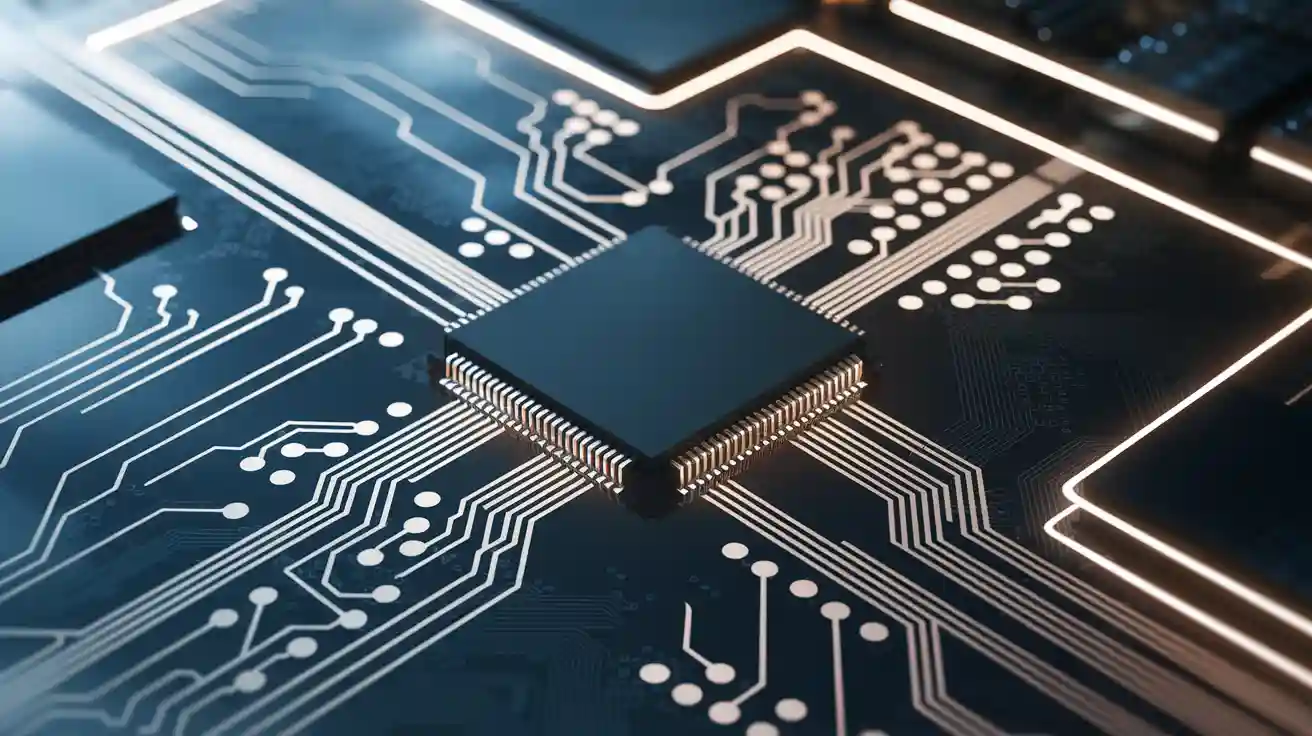
Integrated circuits are the main parts of modern electronics. These tiny chips have millions of parts like transistors, resistors, and capacitors. They work together to handle signals and control power. You use devices with integrated circuits every day, like phones, computers, and kitchen gadgets.
They are important because they make big systems smaller and better. For example, the global market for integrated circuits was worth $562.53 billion in 2022. By 2032, experts think it will grow to $1,921.42 billion because of new technology. This fast growth shows how integrated circuits are key to modern tech and help create new ideas in many fields.
Key Takeaways
-
Integrated circuits (ICs) are key parts of modern electronics. They make devices smaller, faster, and more dependable.
-
The IC market is growing quickly and may reach $1.9 trillion by 2032. This shows how important ICs are in technology.
-
ICs put many parts, like transistors and resistors, on one chip. This makes devices work better and cost less.
-
There are different IC types, like analog, digital, and mixed-signal. Each type has special jobs to improve devices.
-
Energy-saving ICs use less power and lower costs. They are important for green technology.
What is an Integrated Circuit?
Definition and Basic Concept
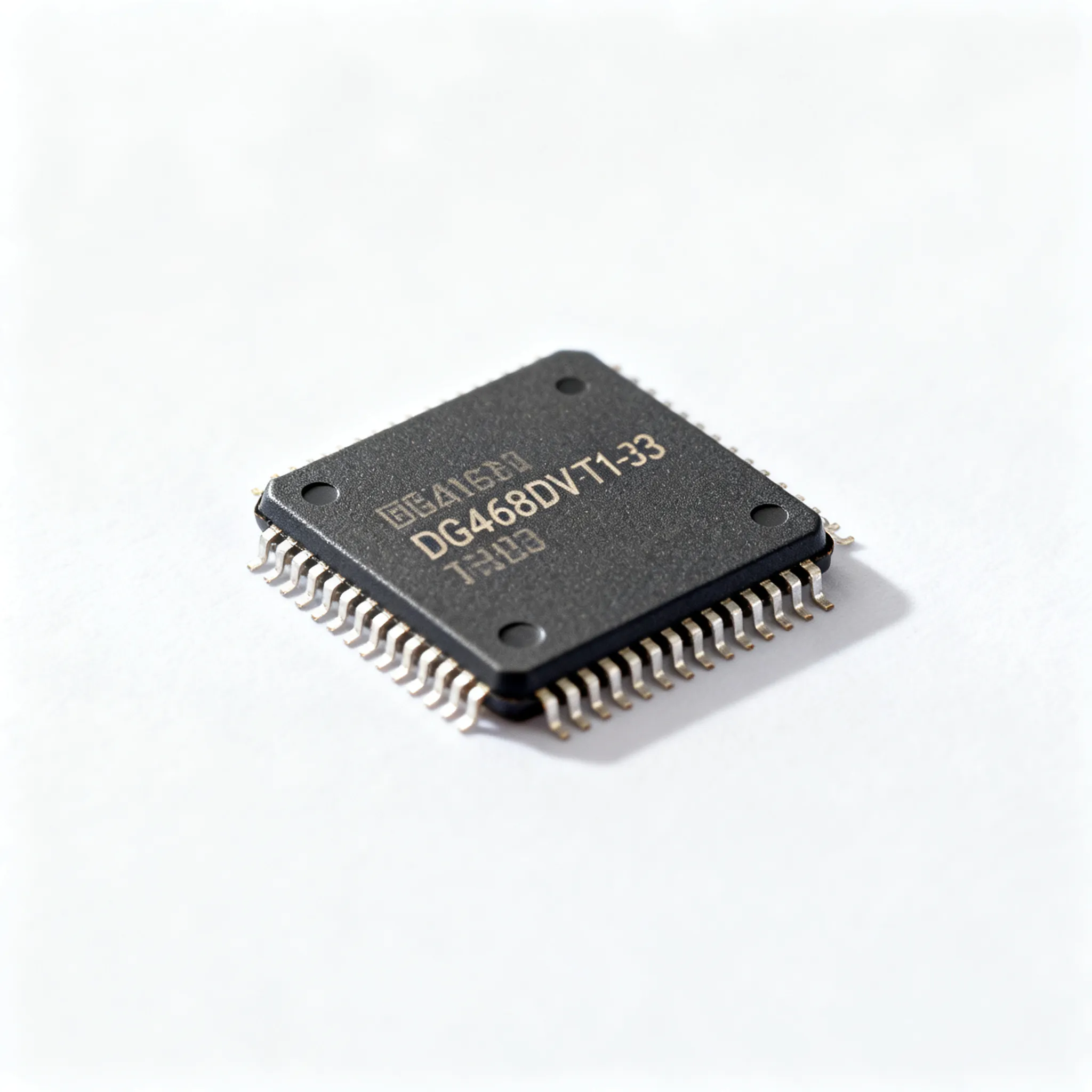
An integrated circuit is a tiny electronic chip. It combines parts like transistors, resistors, and capacitors into one unit. These parts work together to handle signals and control power. Integrated circuits are key to modern devices like phones, computers, and medical tools.
Think of an integrated circuit as a small version of a full electronic system. Instead of using separate parts connected by wires, it puts everything into one chip. This makes devices smaller, more reliable, and better performing. The book Analysis and Design of Analog Integrated Circuits explains how integrated circuits help us understand electronics and design new systems. They are vital for learning and creating new technology.
Historical Development of Integrated Circuits
Integrated circuits started with the invention of the transistor in 1947. Transistors replaced large vacuum tubes with smaller, better parts. In 1958, Jack Kilby showed the first working integrated circuit at Texas Instruments. Then, in 1959, Robert Noyce created the silicon-based integrated circuit, which is used today.
In the 1970s, integrated circuits improved with the microprocessor. Intel’s 4004 microprocessor packed thousands of transistors into one chip. By the 1980s, CMOS technology became the top choice for making integrated circuits. It offered better efficiency and performance.
Here’s a timeline of important events:
|
Year |
Milestone |
Description |
|---|---|---|
|
1947 |
Transistor invented |
Smaller and more reliable than vacuum tubes. |
|
1958 |
First working IC |
Jack Kilby builds the first integrated circuit. |
|
1959 |
Silicon-based IC |
Robert Noyce creates silicon-based integrated circuits. |
|
1971 |
Microprocessor introduced |
Intel’s 4004 microprocessor changes computing forever. |
|
1980s |
CMOS technology leads |
CMOS becomes the best way to make integrated circuits. |
These changes made electronics smaller and cheaper. Integrated circuits helped create powerful computers and improved industries like cars, phones, and home gadgets. For example, the cost of integrated circuits dropped from $50 in 1962 to $2.33 by 1968, making them affordable for everyone.
Today, integrated circuits keep pushing technology forward. In 2023, the global market for integrated circuits was worth $616.90 billion. By 2032, it could grow to $1,901.95 billion. This shows how they make electronics smaller and better for many uses.
Components of Integrated Circuits
Transistors and Their Function
Transistors are tiny parts inside integrated circuits. They work like small switches or amplifiers. These switches control how electricity flows in the chip. Transistors help ICs do tasks like storing data or processing information. A single IC can have millions or billions of transistors. This makes devices like phones and computers work faster and better.
Modern transistors use advanced designs like CNN-IC. This method uses special neural networks to improve their design. It is very accurate, with over 99% precision, and works quickly. Transistors also save energy by shortening the paths electricity travels. This improves performance and lowers costs to make ICs.
|
Aspect |
Details |
|---|---|
|
Modeling Method |
CNN-IC uses neural networks to design transistors better. |
|
Performance Metrics |
Over 99% accuracy and faster results than other methods. |
|
Application |
Helps design analog ICs by matching design settings. |
Resistors and Capacitors
Resistors and capacitors are important for managing electricity in ICs. Resistors control how much current flows, keeping the chip safe. Capacitors store and release energy when needed. This helps the circuit handle sudden power changes.
Thin-film resistors are very precise, with errors as small as ±0.1%. Some resistors, like the NT Series, work in extreme temperatures, from -55°C to 155°C. Capacitors keep voltage steady and remove unwanted noise. This ensures the IC works smoothly. These parts make ICs reliable and efficient, even in tough conditions.
-
Thin-film resistors are very accurate, with ±0.1% tolerance.
-
Capacitors keep voltage steady and reduce noise for smooth operation.
-
Resistors like the RNCL series are precise, with 0.5% tolerance and 50 ppm TCR.
Diodes and Interconnections
Diodes and interconnections guide electricity in ICs. Diodes let current flow in one direction, stopping damage from reverse currents. Tunnel diodes do the same job but need fewer parts. This makes circuits faster and saves energy.
Interconnections connect all parts of an IC so they work together. Using silicon-based tunnel diodes with semiconductor circuits makes transistors switch faster. This improves how microchips perform. These advancements make devices quicker and more energy-efficient.
|
Evidence Description |
Impact on Integrated Circuits |
|---|---|
|
Tunnel diodes need fewer parts to work, reducing connections. |
Speeds up circuits and saves energy. |
|
Silicon-based tunnel diodes with semiconductor circuits improve switching speeds. |
Makes chips faster and better as they reach size limits. |
|
Achieving negative differential resistance in silicon is rare. |
Could lead to low-power memory if currents are reduced. |
How Integrated Circuits Work
Semiconductor Materials in ICs
Semiconductors are the base of all integrated circuits. Materials like silicon can carry electricity in certain conditions. This makes them great for controlling signals. Silicon is popular because it’s cheap, easy to use, and widely available. It also creates silicon dioxide, which helps circuits work better.
How do semiconductors work? Adding tiny amounts of other materials, called doping, improves their ability to conduct electricity. This creates p-type and n-type semiconductors. These types are needed to make p-n junctions, which are key parts of transistors. Semiconductors can also sense things like light, heat, and electric fields. This makes them useful for devices like computers and medical tools.
Signal Processing Mechanisms
Signal processing is an important job for integrated circuits. It means taking signals, changing them, and using them to do tasks. Microprocessors in ICs handle these signals very quickly. For example, an 8-bit CPU can process instructions in just 2 microseconds. It uses memory and special hardware to help with tasks.
New designs make signal processing even faster. Some chips, like the EHW chip, mix a 16-bit CPU with smart algorithms. This makes them 62 times faster than older chips. These improvements help ICs work in real-time for phones, machines, and more.
Power Management in ICs
Power management helps ICs save energy and work well. Special chips called PMICs control how power is used. They include voltage regulators that turn battery power into steady energy for devices. Techniques like dynamic voltage scaling adjust power based on what the processor needs.
PMICs also fix low voltage problems with boost converters. These converters use special designs to stay efficient. Power management is used in phones, solar panels, and other systems. It ensures ICs work reliably in many industries.
Types of Integrated Circuits
Integrated circuits have different types for specific jobs. Each type helps modern electronics work, like processing signals or storing data.
Analog Integrated Circuits
Analog ICs handle signals like sound or temperature. They amplify and process these signals, making them useful for radios, speakers, and sensors. For example, when you change a speaker's volume, an analog IC keeps the sound clear.
These circuits are great for tasks needing accuracy. Thin-film resistors and capacitors inside them keep signals steady and reduce noise. You’ll find analog ICs in medical tools where precise signal handling is very important.
Tip: Use analog ICs for tasks needing accurate signals, like audio systems or sensors.
Digital Integrated Circuits
Digital ICs work with signals as 0s and 1s. They perform logic tasks and process digital signals. You use digital ICs daily in phones, computers, and gaming devices.
Digital ICs changed electronics forever. Early chips, like Intel’s 4004, had thousands of logic gates. Now, System-on-Chip (SoC) technology combines processors, memory, and more into one chip. This makes devices faster and more flexible.
|
Type of Integrated Circuit |
What It Does |
|---|---|
|
Digital Integrated Circuits |
Handles digital signals and logic tasks |
|
Processes continuous signals like sound or temperature |
|
|
Memory Integrated Circuits |
Stores and retrieves data |
|
Communication Integrated Circuits |
Manages data transfer and communication |
Note: Digital ICs made advanced systems possible, like gaming consoles and fast communication tools.
Mixed-Signal ICs
Mixed-signal ICs combine analog and digital features. They are key for devices needing both, like phones, watches, and medical tools. For example, they turn sensor signals into digital data for processing.
These ICs support SoC designs, combining many functions into one chip. You’ll see them in electronics, cars, and aerospace systems. In healthcare, they improve portable devices by making them more accurate and less noisy. They also convert signals between analog and digital, improving performance in monitors and speakers.
-
Mixed-signal ICs improve sensor accuracy by converting signals.
-
They also enhance sound and visuals by converting digital to analog.
Fun Fact: Mixed-signal ICs are used in military systems because they work well in tough conditions.
Application-Specific ICs
Application-Specific Integrated Circuits (ASICs) are chips made for one job only. Unlike general-purpose chips, ASICs are built to do one task very well. For example, they are used in Bitcoin miners, where speed and energy-saving are very important.
ASICs are special because they are custom-made and very advanced. Modern ASICs can have over 100 million logic gates, making them very powerful. They also combine parts like processors and memory into one chip. This makes ASICs perfect for doing specific tasks quickly and efficiently.
|
Feature |
Description |
|---|---|
|
Customization |
ASICs are made for specific jobs, unlike general-purpose chips. |
|
Complexity |
They can have over 100 million logic gates, showing their power. |
|
Integration |
ASICs combine processors, memory, and more into one chip. |
ASICs are used in areas where accuracy and saving energy are key. For example, they are found in medical machines, car systems, and even space tools. These chips use less power because they are designed for their exact job. New design tools have made ASICs even better and more advanced, helping them work in the latest technologies.
Tip: Need a chip for one job? ASICs are fast and save energy!
System-on-Chip (SoC)
A System-on-Chip (SoC) puts all parts of a computer or device onto one chip. This includes processors, memory, ports, and special circuits. SoCs are the main part of devices like smartphones, tablets, and smartwatches.
New technology, like FinFET, has made smaller and better transistors. This helps SoCs fit more parts into a tiny chip, making them faster and stronger. AI-ready SoCs are another big step. These chips handle hard AI tasks easily, making them great for smart TVs and self-driving cars.
-
SoCs are helping 5G and IoT grow, making devices faster and smarter.
-
AI-ready SoCs let devices do AI tasks without needing the cloud.
-
More research in AI is helping SoCs improve edge computing.
SoCs are shaping the future of gadgets. They are important for new areas like robots, AR, and advanced health tools. Their ability to do many jobs on one chip makes them a key part of today’s electronics.
Fun Fact: SoCs are so strong they can turn your phone into a mini-computer!
Advantages of Integrated Circuits
Compact Design and Miniaturization
Integrated circuits changed electronics by making devices smaller and smarter. Now, gadgets like smartphones and smartwatches fit in your pocket. These chips pack millions of parts into a tiny space. This shrinks electronic systems without losing their features.
Smaller designs also mean better accuracy. For example, ICs have less than 1% center frequency misalignment. They also keep power division errors as low as 0.15 dB. ICs match circuits and block unwanted signals, ensuring great performance. This makes them perfect for medical tools and aerospace systems, where precision is very important.
|
Metric |
Value |
|---|---|
|
Misalignment of center frequency |
Less than 1% |
|
Power division error |
≤ 0.15 dB |
|
Circuit matching and isolation |
|
|
Computational cost |
Average of 107 EM simulations for optimization process |
Tip: Thanks to ICs, you can enjoy powerful tech in tiny devices!
Cost Efficiency in Production
Integrated circuits make electronics cheaper by improving how they’re made. Factories use automated systems to save money and work faster. For example, companies like WIN SOURCE use digital tools to compare prices. This lowers costs and makes buying parts easier for manufacturers.
Building strong supplier relationships also helps save money. These partnerships give manufacturers better deals and cut production costs. These methods make ICs affordable for industries like electronics and cars.
-
Supplier partnerships help lower costs and improve pricing.
-
WIN SOURCE uses digital tools to reduce manufacturing expenses.
-
Automated systems make buying parts faster and more efficient.
Note: Cost-saving production keeps integrated circuits affordable for everyone.
Enhanced Performance and Reliability
Integrated circuits are fast and dependable, making them key to modern tech. They use strong materials and fewer connections, lowering the chance of failure. This keeps them working well, even in tough conditions.
Quality checks make ICs even more reliable. Regular tests catch bad designs and faulty parts. This improves safety and customer trust. For example, tracking performance history with reliability data sets new standards for IC quality.
-
Quality checks improve safety and cut down on problems.
-
Reliability data helps measure how well ICs perform.
Durable packaging also protects ICs from damage, making them last longer. This mix of speed and reliability makes ICs essential for industries like healthcare, robotics, and communication.
Fun Fact: ICs combine top performance with long-lasting durability, changing electronics forever!
Energy Efficiency and Low Power Usage
Integrated circuits (ICs) help modern devices use less energy. These chips are made to save power while working well. They are perfect for gadgets like phones, laptops, and electric cars. By controlling how electricity moves, ICs lower energy use and costs.
A big advantage of ICs is smart power control. Methods like dynamic voltage scaling adjust energy based on tasks. For example, when your phone isn’t in use, the chip saves battery by using less power. This keeps your device running longer without losing speed.
ICs also help the environment. They cut energy use in systems like car engines by 3444.32 kW. This saves money, like $8612.56 yearly in carbon taxes. These savings show how ICs support eco-friendly technology.
Tip: Choose devices with energy-saving ICs to save money and help the planet.
Modern ICs use new materials and designs to waste less power. Smaller transistors need less energy, making them great for portable gadgets. You’ll see these chips in smartwatches, fitness bands, and wireless headphones.
-
Why Energy-Saving ICs Matter:
-
Longer-lasting batteries for portable gadgets
-
Lower electricity costs for users
-
Less harm to the environment
-
Energy-efficient ICs are changing electronics. They let you enjoy strong devices without wasting energy. From phones to cars, these chips make tech smarter and greener.
Applications of Integrated Circuits
Integrated circuits are key to today’s technology. They are used in many devices and industries. Let’s see how ICs improve electronics, cars, and medical tools.
Consumer Electronics and Digital Devices
Integrated circuits are the heart of gadgets like phones and laptops. They help these devices process data, store memory, and connect to networks. For example, smartphone chips do billions of tasks every second, making apps and games run smoothly.
The need for ICs in electronics is growing fast. This is because of better wireless tech, more IoT devices, and popular portable gadgets. The market for ICs in this area is expected to grow a lot:
|
Year |
Market Size (USD Billion) |
CAGR (%) |
|---|---|---|
|
2025 |
N/A |
|
|
2034 |
798.66 |
4.42 |
HiSilicon, a top chip maker, creates ICs for advanced gadgets. Their chips support AI and 5G features. Learn more about their work at HiSilicon Solutions.
Did you know? The global ICT market, including PCs and TVs, may hit $5.8 trillion by 2023. This shows the rising need for ICs in digital gadgets.
Automotive Systems and Sensors
Integrated circuits are changing how cars work. They make vehicles safer, smarter, and more efficient. ICs are used in systems like engine controls, brakes, and airbags. For example, engine control units (ECUs) use ICs to read sensor data and improve fuel use.
Car ICs are built to handle tough conditions like heat and vibrations. They also make sensors more accurate, which helps detect small changes in the car. Here are some ways ICs are used in cars:
-
Engine Control Units (ECUs): Use sensor data to improve engine performance.
-
Anti-lock Braking Systems (ABS): Help brakes work safely using wheel sensors.
-
Airbag Systems: Trigger airbags during crashes by reading sensor signals.
New sensor tech and real-time checks make car ICs even better. These updates help prevent problems like overheating or power issues.
Medical Equipment and Devices
Integrated circuits are very important in healthcare. They power devices like pacemakers, MRI machines, and fitness trackers. ICs make sure these tools work accurately and safely.
Medical ICs go through strict tests to meet safety rules from groups like the FDA. These tests check for issues like electromagnetic interference (EMI), ensuring devices work well near other electronics. For example, the FDA’s CDRH classifies medical tools by risk to ensure safety.
Tip: Medical ICs are built to block EMI, keeping readings accurate in busy environments.
Wearable health devices, like fitness bands, use ICs to process sensor data. They track things like heart rate and oxygen levels, giving users real-time updates. ICs in medical tools are improving healthcare and making patient care better.
Telecommunications and Networking
Integrated circuits are key to telecommunications and networking. They help send data quickly over long distances, making communication smooth. Devices like routers, modems, and phones use ICs to work. These chips handle digital signals, control data flow, and keep connections stable. Without ICs, the internet and mobile networks wouldn’t work as well.
Telecommunication systems need to be fast and flexible. ICs meet these needs by helping with packet processing. Advanced ICs find slow spots and improve network engines. This makes networks cheaper and better. For example, ICs in 5G networks manage huge data loads with low delays. This makes video calls, gaming, and streaming faster and smoother.
HiSilicon, a top chip maker, has improved this technology. Their ICs support advanced tools like AI and 5G. These chips make devices quicker and more reliable. Learn more about HiSilicon’s work at HiSilicon Solutions.
Did you know? The need for ICs in telecommunications is growing fast because of IoT and 5G.
Industrial Automation and Robotics
Integrated circuits are changing factories and robots. They power systems that control machines, making work faster. ICs read sensor data, helping robots do exact tasks. For example, in factories, ICs help robots place parts quickly and correctly.
Robots depend on digital circuits to follow commands and move. These circuits let robots adjust to new situations. For instance, a warehouse robot uses ICs to avoid obstacles and sort items. This boosts efficiency and reduces mistakes.
In factories, ICs also save energy. They control power use, helping machines run better. This cuts energy costs and improves performance. ICs for industrial use are built to handle tough conditions like heat and vibrations. This makes them strong and long-lasting.
Tip: Choose machines with advanced ICs for better performance and energy savings in factories.
Integrated circuits have changed how we use electronics today. These small chips hold many parts in one, making devices smaller, quicker, and more dependable. Since their creation in 1958, they’ve made technology cheaper and more compact. Now, they’re found in everything from phones to medical devices, proving how useful they are.
In the future, integrated circuits will lead new discoveries. AI chips and quantum computing will bring big changes to areas like medicine and climate research. These improvements will solve problems once thought unsolvable, keeping integrated circuits as a key part of innovation.
Key Takeaway: Integrated circuits are more than parts; they drive progress and open doors to endless possibilities.
FAQ
What do integrated circuits do?
Integrated circuits combine many parts into one small chip. They make devices smaller, faster, and more dependable. You can find them in phones, computers, and medical tools. This shows how important they are in today’s technology.
How are microprocessors different from other ICs?
Microprocessors are special ICs that process data and run instructions. They work as the "brain" of devices, doing tasks like math and decision-making. Unlike regular ICs, microprocessors focus on handling complex tasks.
Why are integrated circuits used in many devices?
Integrated circuits are small, save energy, and last a long time. These features make them great for many uses, like in electronics, cars, and factories. Their flexibility helps them fit into different industries.
Can integrated circuits stop working?
Yes, but it doesn’t happen often because of strict testing. Problems like overheating, power surges, or damage can cause failure. Good design and care help ICs last longer and work better.
What are integrated circuits made of?
Most ICs are made from silicon. Silicon is cheap, easy to find, and good at controlling electricity. Other materials, like gallium arsenide, are used for special high-performance needs.