Understanding IC Integrated Circuit Definition for Electronics Engineers
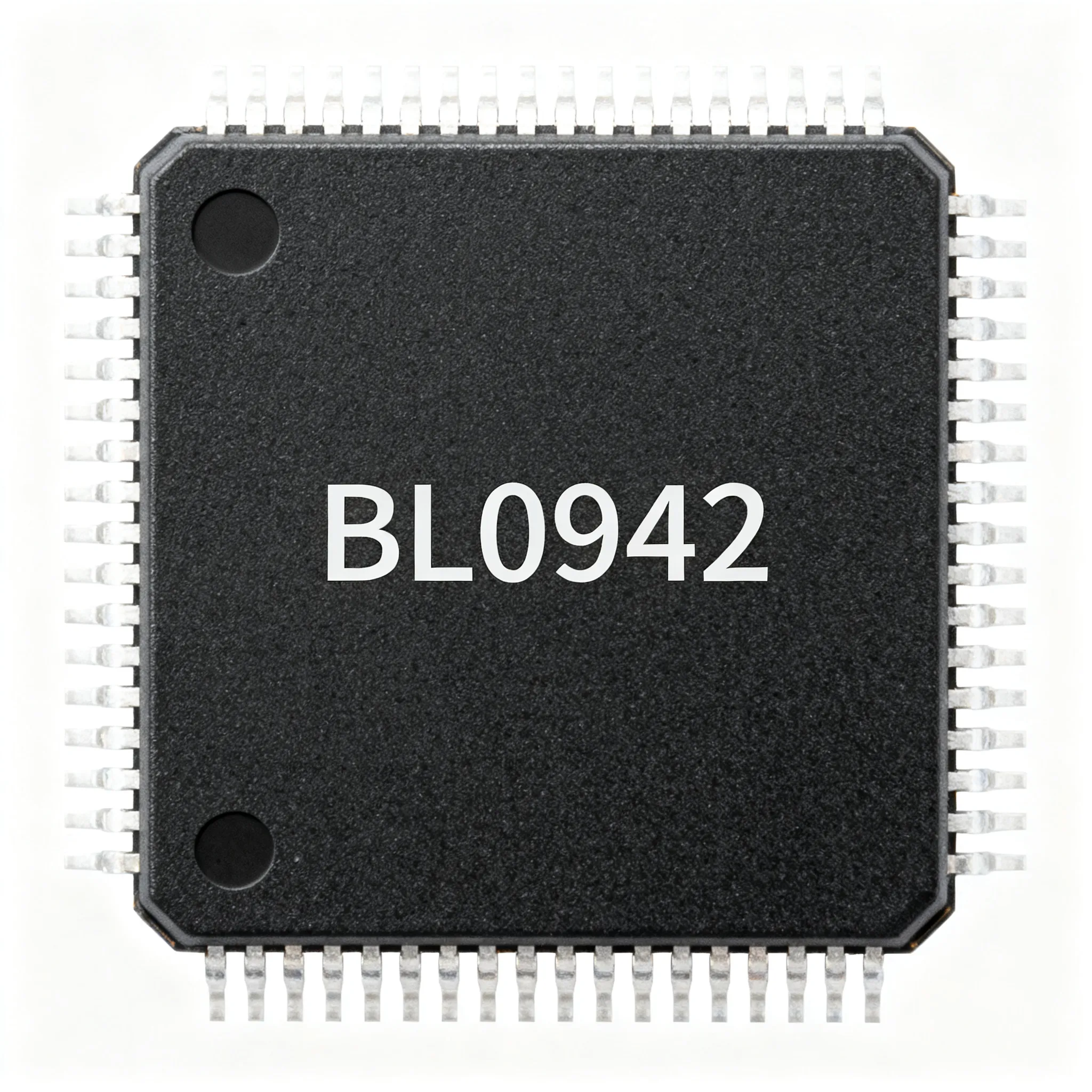
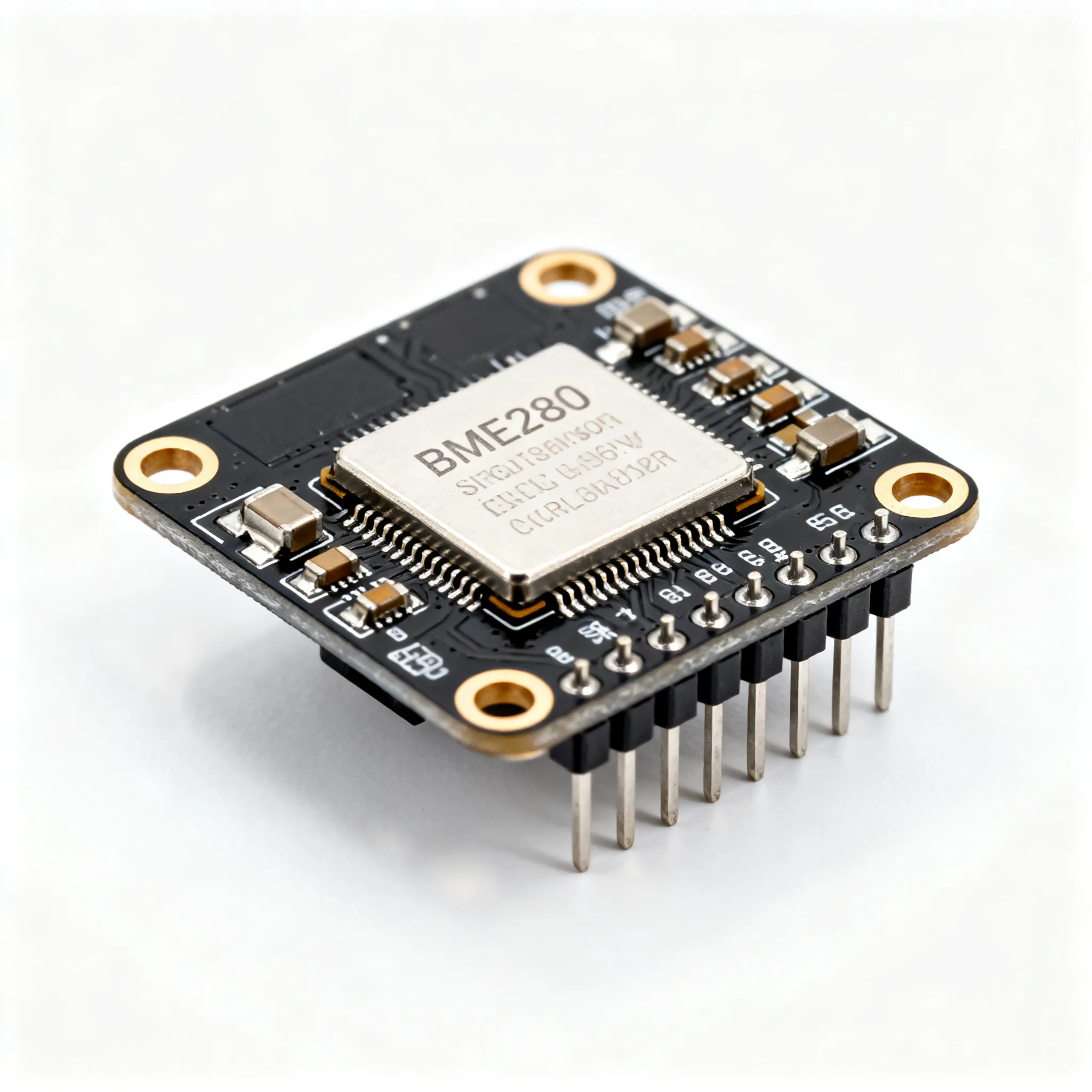
An integrated circuit (IC), often referred to as the backbone of modern electronics, is a tiny electronic circuit built on a small semiconductor chip. The IC integrated circuit definition encompasses the combination of multiple components like transistors, resistors, and capacitors into a compact powerhouse capable of performing complex tasks while occupying minimal space.
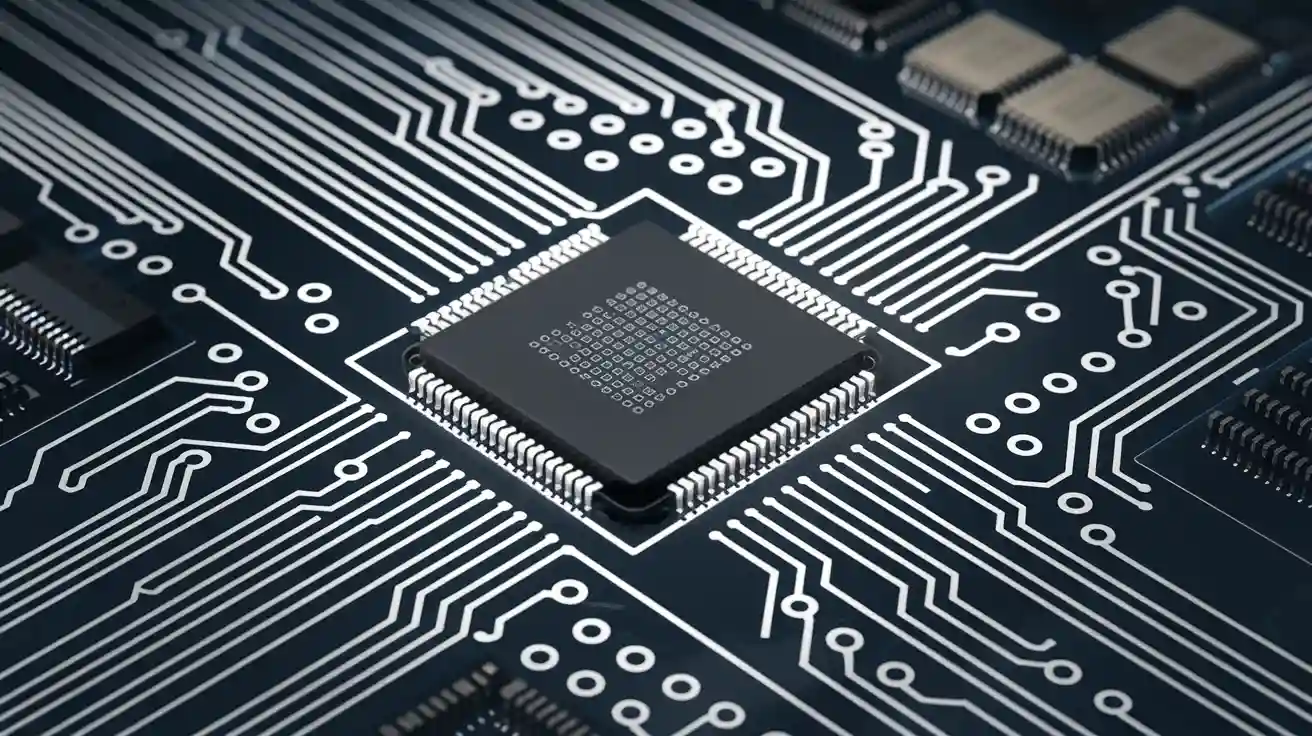
An integrated circuit (IC), often referred to as the backbone of modern electronics, is a tiny electronic circuit built on a small semiconductor chip. The IC integrated circuit definition encompasses the combination of multiple components like transistors, resistors, and capacitors into a compact powerhouse capable of performing complex tasks while occupying minimal space. These circuits are essential for powering everything from smartphones to self-driving cars.
The global IC market, valued at $439.8 billion in 2023, is projected to nearly double by 2032, fueled by the rising demand for consumer electronics, electric vehicles, and 5G networks. This remarkable growth underscores the indispensable role of ICs in shaping industries and enhancing technological efficiency.
Key Takeaways
-
Integrated circuits (ICs) put many electronic parts into one chip. This makes devices work better and saves space.
-
The IC market is growing fast because of gadgets, electric cars, and better communication systems.
-
ICs do important jobs like handling signals, storing data, and managing power. They are needed for modern electronics.
-
There are different IC types, like analog, digital, and mixed-signal. These help devices work in many ways.
-
Making ICs uses detailed steps like photolithography and doping. These steps make sure ICs work well and last long.
-
ICs are important in cars and healthcare. They help make systems safer, faster, and better for patients.
-
Learning how ICs are designed and made helps engineers create smaller and smarter technology.
-
Engineers need hands-on practice and knowledge of how semiconductors work to use ICs well.
Integrated Circuit Definition
What is an Integrated Circuit?
An integrated circuit (IC) is a compact assembly of electronic components, such as transistors, resistors, and capacitors, all interconnected on a single semiconductor substrate, typically made of silicon. This design allows ICs to perform complex tasks while occupying minimal space. You can think of an IC as a miniature electronic powerhouse that combines multiple functions into one tiny chip.
ICs serve as the backbone of modern electronics, enabling devices like smartphones, computers, and medical equipment to operate efficiently. They perform a wide range of functions, including amplifying signals, processing data, and storing information. Without ICs, the compact and powerful gadgets you use daily would not exist.
Did You Know?
The invention of the integrated circuit revolutionized electronics by replacing bulky, individual components with a single, efficient chip.
Key Components of an IC
An IC consists of several key components, each playing a vital role in its functionality:
-
Transistors: These act as switches in digital ICs, toggling between on and off states to process binary data. In analog ICs, they amplify or modify signals.
-
Resistors: These components adjust signal levels and protect other parts by limiting current flow.
-
Capacitors: Capacitors store and release electrical energy, filter noise, and help with signal timing adjustments.
-
Diodes: These ensure current flows in one direction and manage signal modulation.
Each component works in harmony to enable the IC to perform its intended tasks. For example, in a microprocessor, transistors handle data processing, while capacitors and resistors manage power distribution and signal stability.
How Integrated Circuits Are Manufactured
The manufacturing process of an integrated circuit is a highly intricate and precise operation. It involves several critical steps:
-
Wafer Preparation: A silicon wafer, the base material for ICs, is prepared and cleaned to ensure a smooth surface.
-
Photolithography: A light-sensitive material is applied to the wafer, and ultraviolet light is used to create patterns that define the circuit's features.
-
Etching: Unwanted material is removed to shape the circuit pathways.
-
Doping: Impurities are introduced to modify the electrical properties of the silicon.
-
Deposition: Thin layers of material are added to form various parts of the IC.
-
Metallization: Metal layers are deposited to create interconnections between components.
|
Model Name |
Description |
|---|---|
|
Murphy's model |
Yield loss occurs more at the edges of the wafer, where defective chips are concentrated. |
|
Poisson's model |
Defective dies are spread relatively evenly across the wafer. |
|
Seeds's model |
Defective dies are clustered together. |
The semiconductor industry employs rigorous quality control to ensure high yields and reduce defects. Early identification of issues during production helps maintain the reliability of ICs, which is crucial for their performance in critical applications like medical devices and automotive systems.
Historical Context of Integrated Circuits
The Invention of ICs
The invention of the integrated circuit marked a turning point in electronics. In 1959, Robert Noyce and Jack Kilby independently developed the concept of integrating multiple electronic components onto a single chip. Kilby, working at Texas Instruments, created the first functional integrated circuit using germanium. Around the same time, Noyce, at Fairchild Semiconductor, refined the idea by introducing silicon-based designs and the planar process, which Jean Hoerni had pioneered.
Noyce's contributions were officially recognized in 1961 when he received U.S. patent 2,981,877. This patent detailed the preservation of the oxide layer, a critical step in manufacturing integrated circuits. Although patent disputes arose, the U.S. Appeals Court ruled in 1962 that Noyce was the inventor of the monolithic integrated circuit chip. These early developments laid the foundation for modern IC technologies, enabling the miniaturization and efficiency we see today.
Fun Fact: Kilby’s invention earned him the Nobel Prize in Physics in 2000, highlighting the profound impact of integrated circuits on science and technology.
Evolution of Integrated Circuits Over Time
Integrated circuits have evolved significantly since their invention. The third generation of computers introduced ICs, which replaced bulky transistors and revolutionized hardware design. These compact chips allowed multiple components to fit on a single silicon wafer, drastically improving processing speed and reducing costs.
Over the decades, advancements in manufacturing techniques, such as photolithography and doping, have enabled ICs to become smaller and more powerful. For example, the transition from early germanium-based ICs to silicon-based designs transformed computing efficiency. By the 1980s, ICs powered personal computers, and by the 1990s, they supported multimedia applications like MPEG. Today, integrated circuits are at the heart of cutting-edge technologies, from artificial intelligence to quantum computing.
-
Early ICs in the 1960s improved computer performance and reduced size.
-
The 1980s saw ICs enabling personal computing and consumer electronics.
-
Modern ICs drive innovations in smartphones, 5G networks, and autonomous vehicles.
This progression showcases how integrated circuits have continually adapted to meet the demands of an ever-changing technological landscape.
Impact of ICs on Modern Electronics
Integrated circuits play a crucial role in modern electronics. By combining multiple components into a single chip, they enhance functionality while minimizing size, cost, and power consumption. This miniaturization has enabled the development of compact devices like smartphones, laptops, and wearable technology.
The demand for integrated circuits continues to grow. For instance, the increasing adoption of smartphones, with projections showing 95% of the UK population owning one by 2025, drives the need for advanced ICs. Additionally, the rollout of 5G networks requires sophisticated chipsets, further boosting the semiconductor market. Beyond consumer electronics, ICs are vital in industries like automotive, where they power self-driving systems, and healthcare, where they enable advanced diagnostic tools.
Key Insight: Without integrated circuits, modern electronics would lack the efficiency, portability, and affordability that define today’s technology.
Types of Integrated Circuits
Analog, Digital, and Mixed-Signal ICs
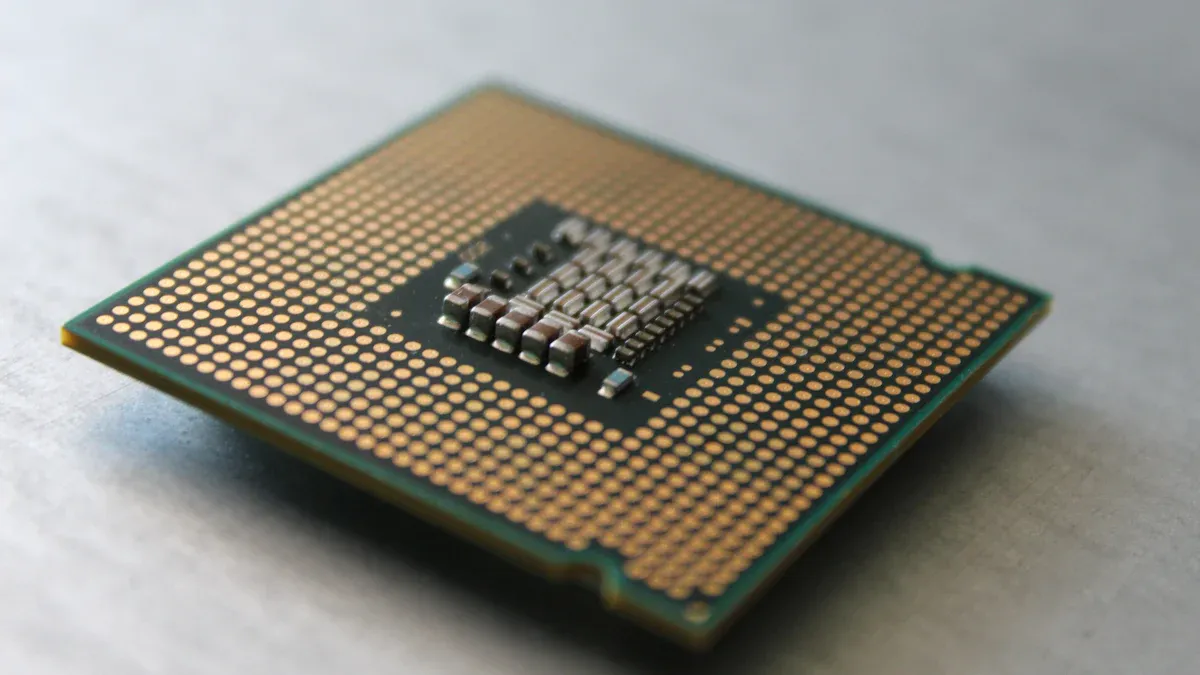
Integrated circuits come in three primary categories based on their functionality: analog, digital, and mixed-signal ICs.
-
Analog ICs: These circuits process continuous signals, making them ideal for applications like audio amplification and signal modulation. You’ll find analog ICs in devices such as radios, televisions, and medical equipment.
-
Digital ICs: These circuits handle discrete signals, typically in binary form (0s and 1s). They are essential for tasks like data processing and storage. Digital ICs power computers, mobile phones, and other digital devices.
-
Mixed-Signal ICs: These combine analog and digital functionalities on a single chip. Mixed-signal ICs are crucial for applications like analog-to-digital conversion in smartphones and automotive systems.
Tip: Mixed-signal ICs are increasingly popular due to their ability to bridge the gap between analog and digital technologies, enabling seamless integration in modern electronics.
Monolithic and Hybrid ICs
Integrated circuits can also be categorized based on their construction: monolithic and hybrid ICs.
-
Monolithic ICs: These are built entirely on a single piece of semiconductor material, typically silicon. Monolithic ICs are compact, efficient, and widely used in consumer electronics. Their design ensures high reliability and cost-effectiveness.
-
Hybrid ICs: These circuits consist of multiple silicon chips mounted on a ceramic substrate. Hybrid ICs offer greater customization and flexibility, making them suitable for specialized applications like aerospace and defense systems.
|
Type of IC |
Key Features |
|---|---|
|
Monolithic ICs |
Compact design, single-chip construction, cost-effective. |
|
Hybrid ICs |
Customizable, multi-chip configuration, ideal for specialized applications. |
Hybrid ICs excel in scenarios where standard monolithic designs cannot meet specific requirements. For example, hybrid circuits are often used in high-frequency applications where precision is critical.
Application-Specific and Programmable ICs
Integrated circuits can also be tailored for specific tasks or designed to be programmable.
-
Application-Specific Integrated Circuits (ASICs): These are custom-designed for particular applications, such as powering smartphones or managing automotive systems. ASICs offer unmatched performance and efficiency for their intended tasks. The ASIC market is projected to grow significantly, driven by the rising demand for consumer electronics.
-
Programmable ICs: These circuits allow you to modify their functionality after manufacturing. Programmable ICs, such as Field-Programmable Gate Arrays (FPGAs), are versatile and widely used in industries like telecommunications and robotics.
Note: While ASICs excel in performance for specific applications, programmable ICs provide flexibility, making them ideal for prototyping and dynamic environments.
Integrated circuits, whether application-specific or programmable, play a pivotal role in advancing technology across industries. Their adaptability and efficiency continue to drive innovation in electronics.
Functions and Applications of Integrated Circuits
Core Functions of ICs
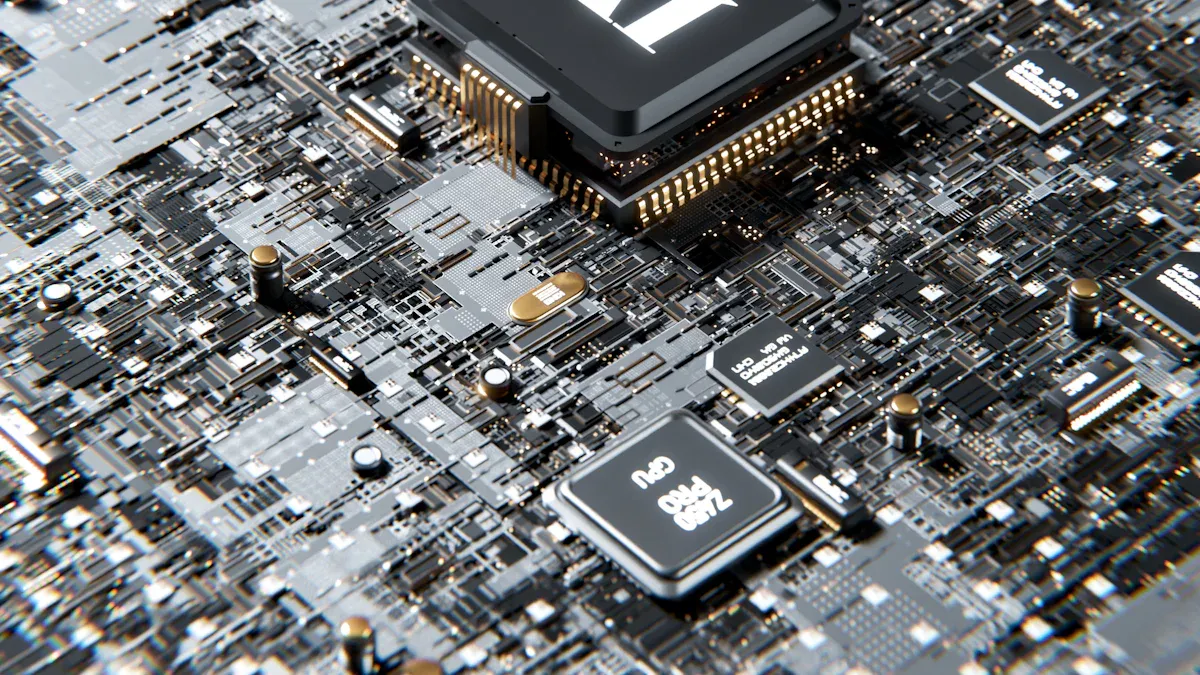
Integrated circuits perform several essential functions that make them indispensable in modern electronics. These functions include signal processing, data storage, and power management. By combining multiple components into a single chip, ICs enhance the efficiency and reliability of electronic devices.
-
Signal Processing: ICs amplify, filter, and modulate signals in devices like radios and televisions. For example, analog ICs process continuous signals, ensuring clear audio and video output.
-
Data Storage: Digital ICs store and retrieve data in devices such as computers and smartphones. They enable fast and efficient data processing, which is critical for modern computing.
-
Power Management: ICs regulate voltage and current in electronic systems. This ensures devices operate safely and efficiently, extending their lifespan.
The use of integrated circuit technology allows manufacturers to create compact, energy-efficient devices. This miniaturization has revolutionized industries, enabling the development of portable gadgets and advanced systems.
Key Insight: The advantages of integrated circuits, such as reduced size and improved performance, have made them the cornerstone of modern electronics.
Applications in Consumer Electronics
Integrated circuits play a pivotal role in consumer electronics, powering devices you use daily. From smartphones to gaming consoles, ICs enable advanced functionalities and seamless user experiences.
-
Wireless Communication: ICs facilitate efficient data transmission in devices like smartphones and tablets. For instance, ASICs (Application-Specific Integrated Circuits) optimize wireless communication, ensuring fast and reliable connectivity.
-
Multimedia Processing: ICs enhance video and audio quality in devices such as televisions and home theater systems. They process complex multimedia data, delivering high-definition visuals and immersive sound.
-
Biometric Authentication: ICs enable secure user identification in devices like smartphones and laptops. Features like fingerprint and facial recognition rely on specialized ICs for accuracy and speed.
-
Gaming Consoles: Custom ICs optimize performance in gaming consoles, providing smooth gameplay and realistic graphics. For example, chips designed for gaming consoles handle complex computations required for modern games.
In 2023, consumer electronics accounted for 37% of the ASIC market revenue. This highlights the growing demand for energy-efficient and compact ICs in devices like smartphones and tablets. Companies like Apple design custom ICs, such as the A-series chips, to enhance the performance of their products.
Did You Know? ICs in consumer electronics not only improve functionality but also reduce power consumption, making devices more environmentally friendly.
Applications in Automotive, Telecommunications, and Medical Devices
Integrated circuits have transformed industries like automotive, telecommunications, and healthcare by enabling advanced technologies and improving system efficiency.
-
Automotive Applications:
-
ICs manage complex systems in vehicles, including engine control, safety features, and infotainment systems.
-
They power Advanced Driver Assistance Systems (ADAS) and electric vehicles, enhancing safety and sustainability.
-
For example, ICs in electric vehicles regulate battery performance and optimize energy usage.
-
-
Telecommunications Applications:
-
ICs are crucial for high-speed data transmission in mobile networks like 4G and 5G.
-
They perform essential functions such as signal processing and frequency control, ensuring efficient communication.
-
Networking equipment and 5G infrastructure rely on ICs for seamless connectivity.
-
-
Medical Devices:
-
ICs enhance the accuracy and reliability of diagnostic equipment, such as imaging systems and health monitors.
-
They enable the development of compact and portable medical devices, improving patient care.
-
For instance, ICs in blood pressure monitors ensure precise readings, while those in imaging equipment provide detailed diagnostic results.
-
|
Application Type |
Examples of Use Cases |
|---|---|
|
Automotive Applications |
Advanced Driver Assistance Systems, Electric Vehicles |
|
Telecommunications Applications |
Mobile Networks, 4G/5G Communication Systems |
|
Medical Devices |
Diagnostic Imaging Equipment, Health Monitoring Devices |
Integrated circuits continue to drive innovation across these sectors. In the automotive industry, they support the integration of autonomous driving technologies. In telecommunications, they enable faster and more reliable communication networks. In healthcare, ICs improve the functionality of life-saving devices.
Key Takeaway: The use of integrated circuit technology in these industries has revolutionized how systems operate, making them more efficient, reliable, and user-friendly.
Comparison with Related Technologies
Integrated Circuits vs Microprocessors
You might wonder how an integrated circuit differs from a microprocessor. While both are essential in electronics, they serve distinct purposes. A microprocessor is a type of IC designed specifically for general-purpose computing tasks. It excels at performing complex calculations and processing large amounts of data. In contrast, an integrated circuit can be tailored for specific tasks, such as signal amplification or power management.
Microprocessors are optimized for speed and processing power. They are the brains behind computers, smartphones, and gaming consoles. On the other hand, ICs often prioritize efficiency and task-specific performance. For example, an IC in a washing machine controls motor speed and water levels, while a microprocessor in a laptop handles multitasking and data processing.
-
Microprocessors are more complex and expensive to design and manufacture.
-
Integrated circuits are simpler and cost-effective for specialized applications.
-
Microprocessors focus on versatility, while ICs focus on functionality.
Tip: If you’re designing a system that requires high-speed data processing, a microprocessor is your go-to choice. For simpler, task-specific needs, an IC might be more suitable.
Integrated Circuits vs Semiconductors
Semiconductors form the foundation of every integrated circuit. However, they are not the same. A semiconductor is a material, like silicon, that conducts electricity under certain conditions. An integrated circuit is a complete electronic device built using semiconductor materials.
The evolution of semiconductors has significantly impacted IC performance. Early ICs used silicon and germanium, offering reliable performance at a reasonable cost. Modern ICs leverage advanced materials like gallium nitride (GaN) and silicon carbide (SiC) for high-power applications. These materials improve efficiency and thermal management, making them ideal for electric vehicles and renewable energy systems.
|
Generation |
Key Materials |
Performance Metrics |
|---|---|---|
|
First |
Silicon, Germanium |
Mature technology, high cost performance |
|
Second |
GaAs, InSb, InP |
High frequency, low noise, 50% faster computing |
|
Third |
GaN, SiC, ZnO |
High power, high thermal conductivity |
Understanding this distinction helps you appreciate how ICs harness the properties of semiconductors to deliver powerful and compact solutions.
Integrated Circuits vs PCBs
Printed circuit boards (PCBs) and integrated circuits often work together, but they operate at different levels. A PCB is a physical board that connects multiple components, including ICs, using conductive pathways. An IC, on the other hand, integrates all its components onto a single chip.
The design process for PCBs and ICs also differs significantly. PCB design focuses on arranging off-the-shelf components like capacitors and connectors on a board. IC design involves creating custom logic blocks and circuit elements at a microscopic scale.
|
Feature |
PCB Design |
IC Design |
|---|---|---|
|
Design Level |
Board level (macro) |
Chip level (micro/nano) |
|
Components |
Uses off-the-shelf components |
Creates custom logic blocks |
|
Tools |
Altium, KiCad, Eagle |
Cadence Virtuoso, Synopsys |
|
Scale |
Millimeters to centimeters |
Nanometers to micrometers |
|
Prototyping Cost |
Low to moderate |
High (masks, fabrication costs) |
|
Flexibility |
Easy to modify |
Difficult and costly to change |
If you’re working on a project, you’ll likely use PCBs to house and connect ICs. While PCBs provide the framework, ICs deliver the functionality.
Importance of Integrated Circuits for Electronics Engineers
Role in Innovation and Miniaturization
Integrated circuits drive innovation by enabling the creation of smaller, faster, and more efficient devices. You can see their impact in technologies like artificial intelligence, quantum computing, and robotics. Advances in fabrication techniques, such as Extreme Ultraviolet Lithography (EUV), allow manufacturers to achieve nanoscale precision. This precision increases transistor density, enhancing computing power and energy efficiency.
The demand for compact electronics fuels the miniaturization of chips. Smaller chips reduce manufacturing costs while improving performance. For example, smartphones rely on ICs to deliver high-speed processing in a compact form. Similarly, automotive systems use miniaturized ICs to optimize energy usage in electric vehicles.
-
Technological Advancements: EUV lithography and new etching methods enable nanoscale precision.
-
Market Demand: Compact electronics drive the need for smaller, efficient ICs.
-
Cost Efficiency: Miniaturized chips lower production costs while maintaining performance.
-
Performance Enhancements: Increased transistor density boosts computing power and energy efficiency.
Companies like NOVA collaborate with Fortune 500 engineers to design cutting-edge ICs. These engineers bring specialized skills to develop innovative solutions for industries like telecommunications and healthcare. Their expertise ensures ICs meet the demands of modern technology, pushing the boundaries of miniaturization and functionality.
Key Insight: Miniaturization not only improves device performance but also makes technology more accessible and affordable.
Skills Required to Work with ICs
Working with integrated circuits requires a combination of technical knowledge and practical skills. You need to understand semiconductor physics, digital logic, and embedded systems. Training programs and courses provide the foundation for mastering these areas.
|
Course Title |
Description |
|---|---|
|
Covers semiconductor physics, fabrication techniques, and circuit design. |
|
|
Introduction to Digital Logic |
Explores hardware principles, CPU architecture, and programming basics. |
|
Electronic System Prototyping |
Focuses on CAD tools, soldering techniques, and circuit prototyping. |
Hands-on experience is equally important. Courses like "Electronic System Prototyping" teach you how to use CAD tools for circuit design and soldering techniques for prototyping. Practical lab work in "Solid-State Electronics for ICs" helps you understand fabrication processes and device characterization.
-
Solid-State Electronics for ICs: Learn semiconductor physics and circuit design through lab experiments.
-
Introduction to Digital Logic: Gain knowledge of embedded systems and CPU architecture.
-
Electronic System Prototyping: Develop skills in CAD tools and hands-on prototyping.
NOVA’s partnerships with Fortune 500 engineers highlight the importance of collaboration in IC development. These engineers possess advanced design and development capabilities, ensuring ICs meet industry standards. By learning from such experts, you can gain insights into cutting-edge technologies and improve your skills.
Tip: Focus on both theoretical knowledge and practical experience to excel in IC design and development.
Integrated circuits are the cornerstone of modern electronics. They combine transistors, resistors, and capacitors into a single chip, enabling devices to perform complex tasks efficiently. These circuits drive innovation by reducing the size of electronic components, lowering manufacturing costs, and enhancing device performance.
You’ve seen how integrated circuits impact industries like healthcare, automotive, and telecommunications. They power diagnostic tools, manage vehicle systems, and support high-speed communication networks. Their versatility makes them essential for creating advanced technologies, from smartphones to internet servers.
Electronics engineers rely on integrated circuits to push the boundaries of technology. By mastering IC design and development, you contribute to miniaturization, cost reduction, and improved functionality. Integrated circuits are not just components; they are the foundation for technological progress.
Key Takeaway: Integrated circuits enable smaller, faster, and smarter devices, making them indispensable for innovation across industries.
FAQ
1. What is the main purpose of an integrated circuit (IC)?
An IC combines multiple electronic components into a single chip. This integration allows devices to perform complex tasks efficiently while saving space and reducing costs. ICs are essential for powering modern electronics like smartphones, computers, and medical devices.
2. How do ICs differ from traditional circuits?
Traditional circuits use separate components connected by wires. ICs integrate these components onto a single semiconductor chip. This design makes ICs smaller, faster, and more reliable than traditional circuits.
3. Why is silicon commonly used in ICs?
Silicon is abundant, cost-effective, and has excellent semiconductor properties. It can conduct electricity under specific conditions, making it ideal for creating transistors and other components in ICs.
4. Can ICs be repaired if they fail?
No, ICs cannot be repaired due to their compact design. If an IC fails, you must replace it entirely. This limitation is why quality control during manufacturing is critical.
5. What industries rely heavily on ICs?
ICs are vital in industries like consumer electronics, automotive, telecommunications, and healthcare. They power devices such as smartphones, electric vehicles, 5G networks, and medical diagnostic tools.
6. How do ICs contribute to miniaturization?
ICs integrate multiple components into a single chip, reducing the size of electronic devices. This miniaturization enables the creation of compact gadgets like smartphones, wearables, and portable medical devices.
7. What skills do you need to work with ICs?
You need knowledge of semiconductor physics, digital logic, and circuit design. Practical skills like prototyping and using CAD tools are also essential for working with ICs.
8. Are ICs environmentally friendly?
Yes, ICs improve energy efficiency in electronic devices, reducing power consumption. This efficiency helps lower the environmental impact of technology, especially in applications like electric vehicles and renewable energy systems.
Tip: Understanding ICs can help you design innovative and efficient electronic systems for various industries.