Understanding GFCI Protection: How Ground Fault Circuit Interrupters Save Lives in Electronic Systems
Every year, people die from shocks and electrical fires. You can lower these dangers by using GFCI protection, which involves ground fault circuit interrupters (GFCIs).
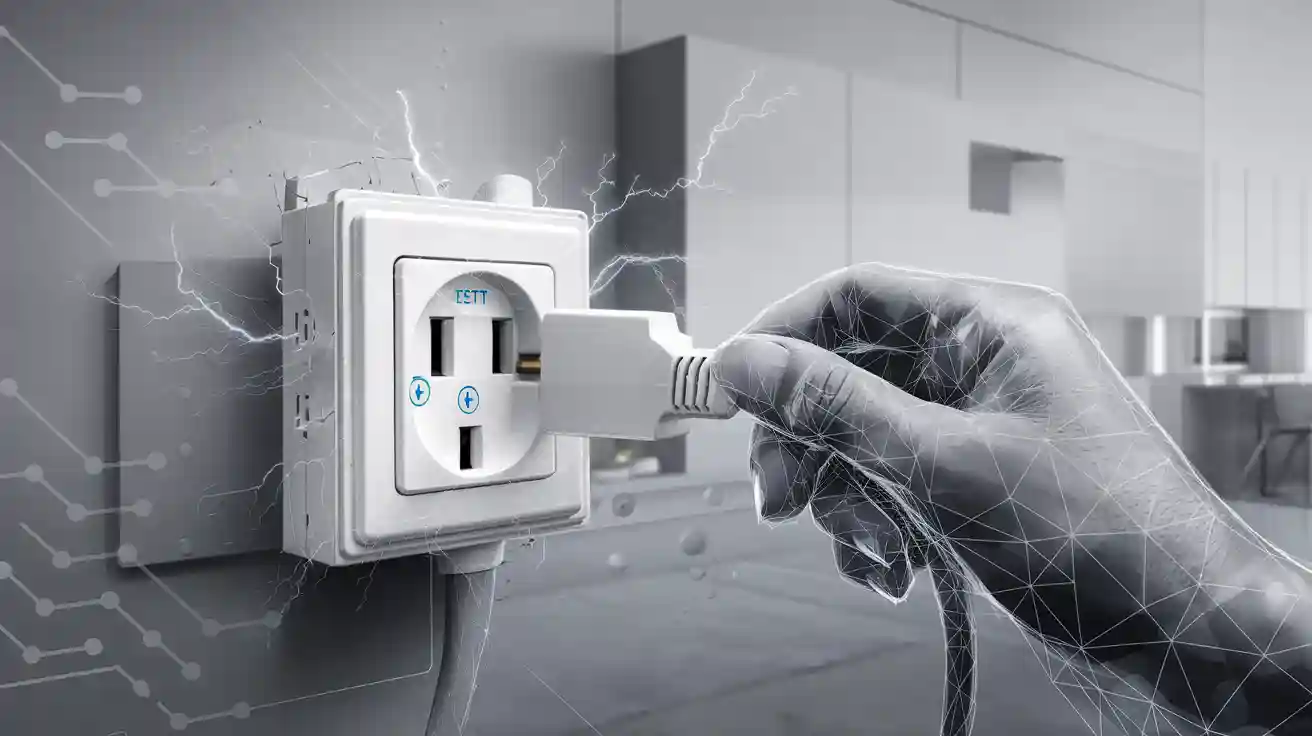
Every year, people die from shocks and electrical fires. You can lower these dangers by using GFCI protection, which involves ground fault circuit interrupters (GFCIs). GFCIs are safety tools that cut power quickly if a fault happens. The results are clear in the numbers. Years ago, about 800 people died yearly from shocks in U.S. homes. Now, with GFCI protection, this number is under 200 deaths each year. Around the world, places like Europe and Asia-Pacific are using GFCI protection more often. This shows a strong focus on electrical safety. At home, work, or outside, GFCI protection helps protect lives.
Key Takeaways
-
GFCIs stop electricity fast during problems, lowering shock and fire risks.
-
Putting GFCIs in wet places like bathrooms and kitchens is important. They can prevent two-thirds of electric accidents.
-
Test GFCIs every month to check if they work well. Replace any that don’t reset.
-
GFCIs aren’t just for wet spots. Use them in garages, basements, and outside for more safety.
-
Adding new GFCIs to old homes can cut shock risks by 70%. This makes homes much safer for everyone.
What Is GFCI Protection and Why Does It Matter?
Definition and Purpose of GFCIs
A Ground Fault Circuit Interrupter (GFCI) is a safety device. It keeps you safe from electrical dangers. It watches the flow of electricity in a circuit. If it finds a problem, it shuts off power right away. A ground fault happens when electricity leaves its path. It can flow through water or even your body. This can cause shocks or serious harm.
The main job of GFCIs is to stop shocks and fires. They are very important where water and electricity meet. Places like bathrooms, kitchens, and outside areas need them most. The National Electrical Code (NEC) says new buildings must have GFCIs near water. This rule helps keep people safe.
|
Aspect |
Details |
|---|---|
|
Purpose |
|
|
Benefits |
They make wet areas safer by preventing electrical accidents. |
|
Installation Requirements |
NEC requires GFCIs in new homes near water, like kitchens. |
Key Benefits of GFCI Protection
GFCI protection has many important benefits. These include:
-
Preventing Electrocution: GFCIs protect you when using devices near water. If you touch a live wire, they cut power fast to stop harm.
-
Reducing Fire Risks: Broken wires or appliances can start fires. GFCIs find problems and stop power to lower fire risks.
-
Ensuring Safety for Portable Tools: GFCIs protect you when using tools or cords. They watch the electricity and stop accidents.
-
Protecting Temporary Wiring: Temporary setups, like at events, can be risky. GFCIs keep these circuits safe to use.
-
Enhancing Outdoor Safety: Outdoor plugs and wires face rain and moisture. GFCIs make them safer by stopping electrical dangers.
Adding GFCIs to your home or work makes it safer. These devices are not just helpful—they are essential for safety in risky areas.
How GFCIs Work to Prevent Electrical Hazards

Understanding Ground Faults
A ground fault happens when electricity leaves its normal path. It can travel through water or even your body. This might occur if wires are broken, appliances fail, or moisture creates a new path for electricity. Ground faults are dangerous because they can cause shocks or fires.
These faults often happen in places with water, like bathrooms or kitchens. Outdoor areas can also have ground faults. They are hard to notice without special tools. That’s why GFCI devices are so important. They constantly check circuits for problems and act as protectors.
Tip: Use GFCIs in risky areas to lower electrical dangers.
The Mechanism of Detecting Electrical Imbalances
GFCIs use smart technology to find electrical problems. They watch the flow of electricity in hot and neutral wires. If the electricity leaving doesn’t match the electricity returning, it means there’s a problem.
Here’s how GFCIs find these issues:
-
They check the current in both wires for differences.
-
If the difference is too big, the GFCI shuts off power.
-
This happens very fast, stopping harm before it starts.
GFCIs protect you by cutting power when a ground fault is found. They also help prevent fires caused by bad wiring or broken appliances.
How GFCIs Interrupt Power to Save Lives
GFCIs stop power quickly and safely when a ground fault happens. Their sensors notice the problem and turn off electricity right away. This stops electricity from going through water or your body.
Here’s how GFCIs work:
|
Mechanism |
Description |
|---|---|
|
Leakage Currents |
Small, unnoticed currents that escape the circuit but can be harmful. |
|
Ground Fault Sensor |
Measures current in wires. If the difference is over 30mA, it shuts power. |
|
Inrush Current |
A harmless power surge when devices start. GFCIs ignore this but catch real faults. |
By acting fast, GFCIs stop shocks and fires. They are better than regular breakers because they detect even tiny problems.
Note: GFCIs are useful everywhere, not just near water. They protect against many electrical risks.
The Importance of GFCI Protection for Safety
Stopping Shocks in Risky Areas
GFCIs help stop shocks in places with water and electricity. Bathrooms, kitchens, and outdoor areas are more dangerous for shocks. Using devices in these spots can cause harm if faults happen. GFCIs turn off power fast, in just 0.025 seconds, to keep you safe.
In U.S. homes, two-thirds of shocks could be avoided with GFCIs. This shows how important they are in risky areas. GFCIs find problems quickly and protect you and your family from danger.
|
Statistic/Fact |
Description |
|---|---|
|
Two-thirds of electrocutions |
Two-thirds of home shocks in the U.S. could be stopped with GFCIs. |
|
Rapid response time |
GFCIs shut off power in 0.025 seconds to prevent shocks. |
Lowering Fire Risks from Electricity
GFCIs also help stop fires caused by electrical problems. Fires can start from bad wires, broken devices, or wet areas. These problems can cause sparks or overheating, leading to fires. GFCIs find these issues early and cut power to stop fires.
Adding GFCIs makes homes and workplaces safer. They work best in wet areas where fire risks are higher. Using GFCIs is a smart way to stop fires before they start.
Keeping Vulnerable People Safe
Kids, older adults, and people with disabilities face more electrical risks. GFCIs protect them by stopping shocks and electrocution. They check electricity flow and shut power off in milliseconds if something is wrong.
GFCIs find ground faults fast and stop power to prevent shocks. They trip the circuit when a 5 mA imbalance is detected.
Using GFCIs in homes with vulnerable people makes them safer. These devices are very helpful in wet areas where accidents are more likely. By using GFCIs, you create a safer place for everyone to live.
Types of GFCI Devices and Their Applications
Ground Fault Circuit Interrupters (GFCIs) come in different types. Each type is made for specific uses. Knowing these types helps you pick the right one.
Outlet GFCIs
Outlet GFCIs, or GFCI receptacles, replace regular wall outlets. They protect against ground faults where water and electricity mix. These are great for kitchens, bathrooms, and garages. They have test and reset buttons to check if they work.
For outdoor use, weather-resistant GFCI outlets add extra safety. These meet UL 943E standards, making them strong for tough weather. Some models are tamper-resistant to stop kids from putting objects into outlets.
Tip: Use GFCI outlets in risky areas to improve safety.
Circuit Breaker GFCIs
GFCI circuit breakers guard entire circuits, not just one outlet. They are installed in the electrical panel. These are perfect for basements, workshops, or rooms with many outlets. They monitor the whole circuit for ground faults.
For example, in a workshop with tools, a GFCI breaker keeps all outlets safe. This is helpful in older homes where changing each outlet isn’t easy.
Portable GFCIs
Portable GFCI adapters give temporary protection. They plug into regular outlets and are great for outdoor events or construction sites. They are also useful with extension cords.
If you use tools or outdoor gear, portable GFCIs detect faults and cut power fast. They are light, easy to carry, and keep you safe without needing permanent setups.
|
Type of GFCI Outlet |
Best For... |
|---|---|
|
Standard GFCI Receptacle |
Stopping shocks and ground faults |
|
Weather-Resistant GFCI |
Outdoor protection |
|
GFCI Circuit Breaker |
Protecting full circuits or rooms |
|
Portable GFCI |
Temporary safety for tools and cords |
Modern GFCIs often use Hisilicon chips for better performance. These chips make GFCIs faster and safer, improving their ability to save lives.
Where to Install GFCIs for Maximum Safety

Indoor Locations (e.g., kitchens, bathrooms, basements)
Install GFCIs where water and electricity might meet. Bathrooms are very important. A single GFCI can protect all outlets in the bathroom. This setup saves money and avoids using too many GFCIs. Kitchens need GFCIs near sinks and counters with appliances. Using one GFCI per circuit prevents confusion and lowers costs. Basements with moisture also need GFCIs. These devices stop electrical dangers caused by leaks or dampness.
Tip: Don’t use multiple GFCIs on one circuit. It can cause tripping and make resetting harder.
Outdoor Locations (e.g., garages, pools, patios)
Outdoor areas face risks like rain and humidity. Garages need GFCIs for tools and equipment. Pools and hot tubs require GFCIs to stop shocks from water or bad wiring. Patios and decks need GFCIs for lights and outdoor appliances. Weather-resistant GFCIs work best outside. They handle tough weather and keep outdoor spaces safe during storms.
Note: Use weather-resistant GFCIs outside for better safety and durability.
Retrofitting Older Homes with GFCI Protection
Older homes often lack GFCIs, making them less safe. Adding GFCIs can lower electrocution risks by 70%. Experts say this could prevent many of the 400 yearly electrocutions in the U.S. Start by installing GFCIs in bathrooms, kitchens, and outdoor outlets. Retrofitting improves safety and updates homes to modern standards.
Callout: Adding GFCIs to older homes helps stop electrical dangers and saves lives.
Testing and Maintaining GFCIs
How to Test GFCIs Effectively
Testing GFCIs often makes sure they work correctly. You should test them every month to stay safe. To check a GFCI outlet:
-
Push the TEST button. This will turn off the power.
-
Plug in something small, like a lamp, to see if it’s off.
-
Press the RESET button to turn the power back on.
If the GFCI doesn’t trip or reset, it might need fixing or replacing. Look for signs of damage, like frequent tripping or no response. Most GFCIs last about 10 years. Even if they seem fine, replace them after this time.
Tip: Regular testing helps avoid problems during emergencies. Do it monthly.
Maintenance Tips for Longevity
Taking care of GFCIs helps them last longer and work better. Follow these steps:
-
Check GFCIs every month for cracks or discoloration.
-
Keep outlets clean to stop moisture, especially in wet areas.
-
Don’t overload circuits connected to GFCIs to avoid tripping.
-
Call an electrician if the GFCI trips often without a reason.
Simple care keeps GFCIs working well and lowers electrical risks.
Callout: Keeping GFCIs in good shape makes your home safer.
Upgrading or Replacing Faulty GFCIs
Changing old or broken GFCIs improves safety and meets new rules. Today’s stricter safety standards make GFCIs more important in homes and workplaces. Replace GFCIs that are over 10 years old or fail tests right away.
|
Key Factor |
Description |
|---|---|
|
Safety Rules |
New rules require GFCIs to lower electrical dangers. |
|
Awareness of Electrical Safety |
People now know more about using GFCIs to stay safe. |
Upgrading keeps your home up to date with safety standards. It also gives you peace of mind, knowing your family is protected from shocks and fires.
Note: Replacing broken GFCIs isn’t optional—it’s necessary for safety.
Clearing Up Misunderstandings About GFCIs
GFCIs Are Only Needed in Wet Places
Some people think GFCIs are only for wet spots like bathrooms. This is wrong. While they are crucial near water, they help elsewhere too. Garages, basements, and outdoor outlets can have faulty wires or broken devices. These problems may cause shocks or fires, even without water.
Tip: Use GFCIs in all risky areas, not just wet ones. This keeps your home or workplace safer.
GFCIs Cost Too Much to Install
Many believe adding GFCIs is too expensive. But a GFCI outlet costs about $10 to $20. This is much cheaper than paying for hospital bills or fixing fire damage. You can save money by replacing regular outlets with GFCIs over time, starting in key areas.
Keeping your family safe is worth the small cost. GFCIs are affordable and protect you for years.
GFCIs Replace Circuit Breakers
Some think GFCIs can take the place of circuit breakers. This isn’t true. Circuit breakers stop overloads and short circuits. GFCIs stop ground faults that cause shocks or electrocution. Both are needed for full electrical safety.
Think of GFCIs as extra protection. They work with circuit breakers, not instead of them.
Ground Fault Circuit Interrupters (GFCIs) are key to staying safe with electricity. They stop shocks and lower the chance of electrical fires. This makes them very important in today’s systems. Installing them correctly and testing them often keeps them working well. Taking care of GFCIs and knowing why they matter helps keep your home or workplace safer. Act now to improve electrical safety and protect people and property.
Tip: Test your GFCIs every month to make sure they work.
FAQ
What does a GFCI do when it finds a ground fault?
A GFCI turns off power right away if it finds a ground fault. This stops electricity from going through water or your body. Acting fast, it keeps you safe from shocks and lowers fire risks.
Tip: Check your GFCIs every month to make sure they work.
How often should you check your GFCIs?
You should check your GFCIs once a month. Push the TEST button to turn off power. Then, press the RESET button to turn it back on. If it doesn’t work, replace the GFCI right away.
Monthly checks help ensure your GFCIs work when needed.
Can you put in GFCIs yourself?
Yes, you can install GFCIs if you know basic wiring. Turn off the breaker before starting. Follow the steps in the GFCI instructions. If unsure, call an electrician to do it safely.
Note: Wrong installation can cause problems or make it unsafe.
Do GFCIs work when the power is out?
No, GFCIs don’t work during power outages. They need electricity to check circuits. Once power comes back, they start protecting again.
Reminder: After an outage, test your GFCIs to ensure they’re working.
Are GFCIs needed in older homes?
Yes, adding GFCIs to older homes is a good idea. New rules say GFCIs are needed in places like kitchens and bathrooms. Adding them makes homes safer and lowers shock and fire risks.
Adding GFCIs to older homes can save lives and prevent accidents.