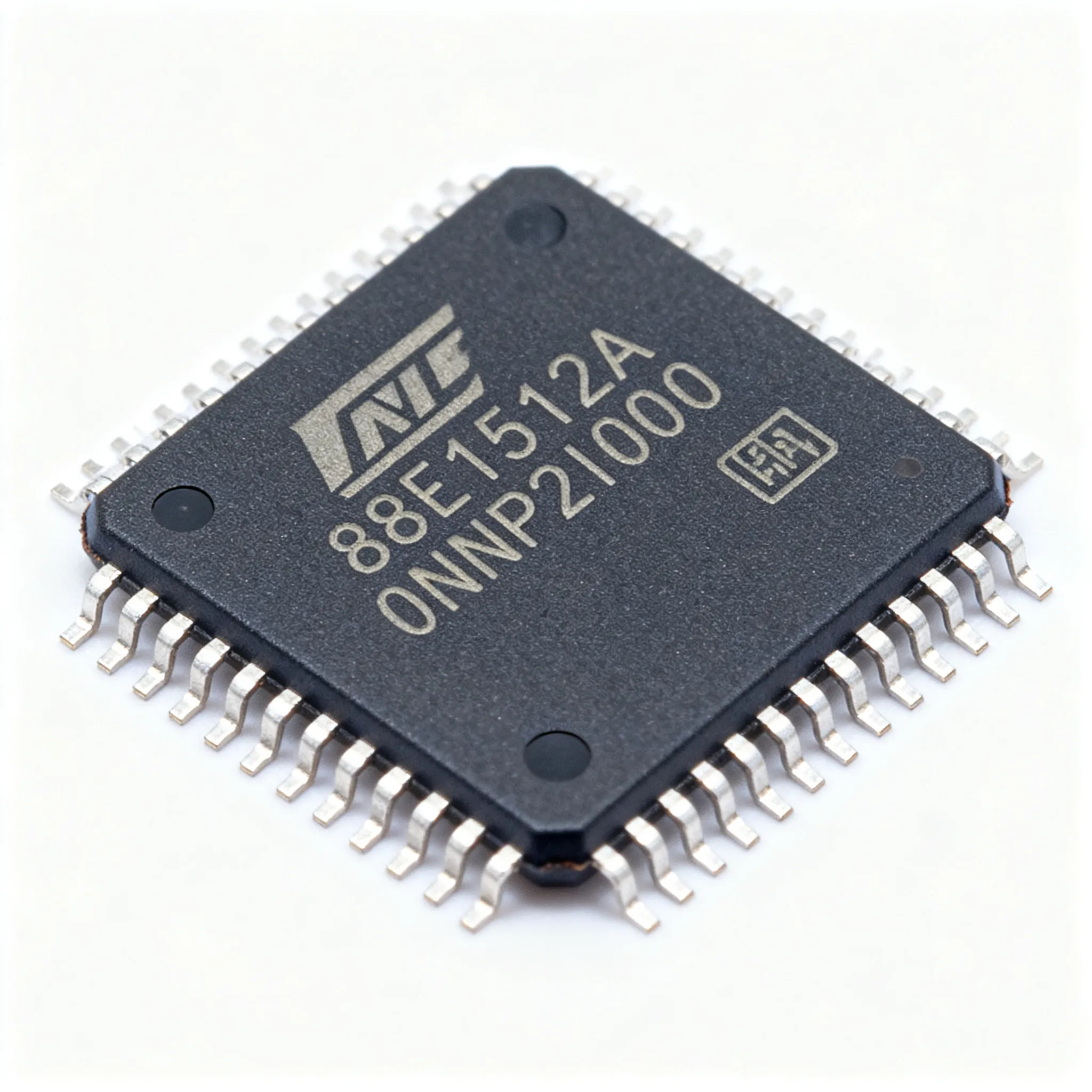
Understanding Amplifier Integrated Circuits: Types, Applications, and Selection Guide for Electronics Engineers
Amplifier Integrated Circuits are important in electronics. They make weak electrical signals stronger. These small devices help send audio, video, and data signals easily. They are used in things like audio systems and machines.
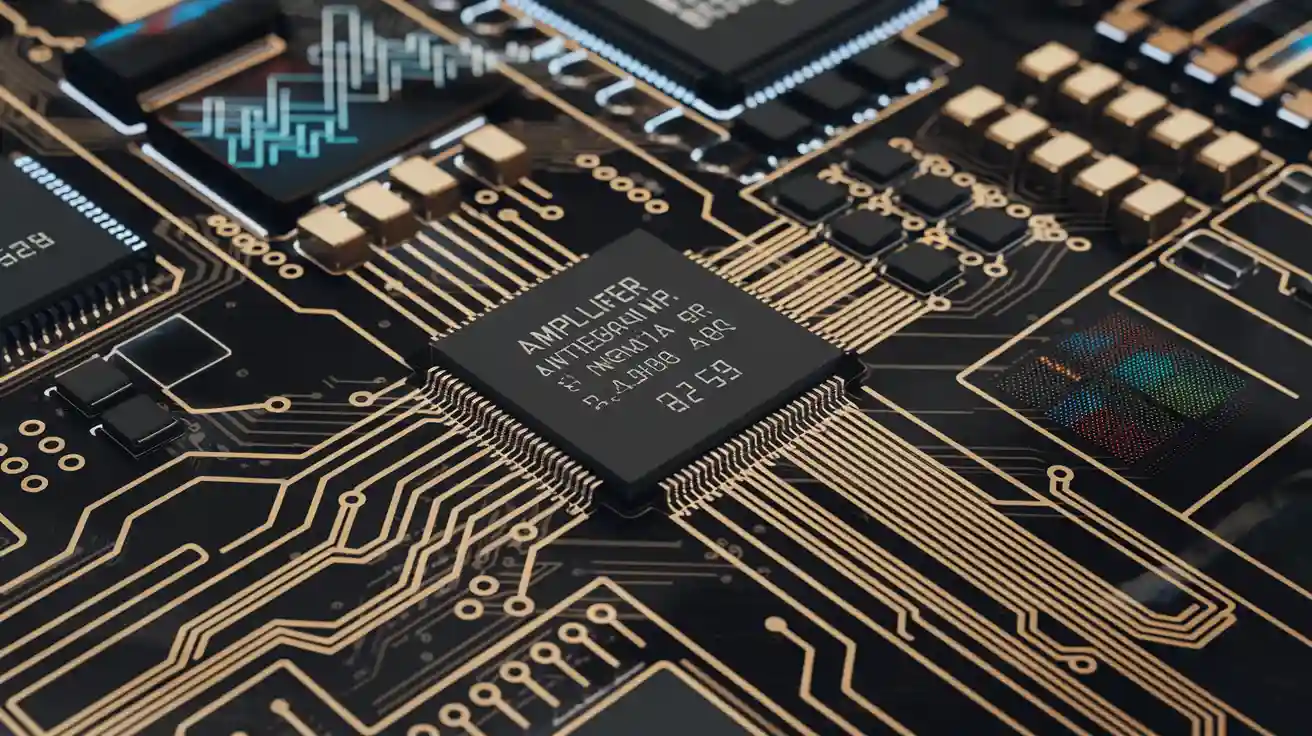
Amplifier Integrated Circuits are important in electronics. They make weak electrical signals stronger. These small devices help send audio, video, and data signals easily. They are used in things like audio systems and machines.
The need for these circuits is growing worldwide. For example, the audio amplifier IC market was worth $5.2 billion in 2022. It might grow to $10.3 billion by 2032, increasing by 6.9% each year. This growth happens because more people use gadgets and portable audio devices. This shows how useful they are today.
Key Takeaways
-
Amplifier ICs make weak signals stronger. They are used in audio, video, and data devices.
-
There are different amplifiers, like operational and power ones. Pick the right one for your project.
-
Check things like voltage gain and CMRR to get better performance from your amplifier IC.
-
Saving power is important. Use energy-saving amplifiers, especially for portable gadgets, to make batteries last longer.
-
Test simple models early to avoid expensive errors and ensure the amplifier works for your project.
Types of Amplifier Integrated Circuits
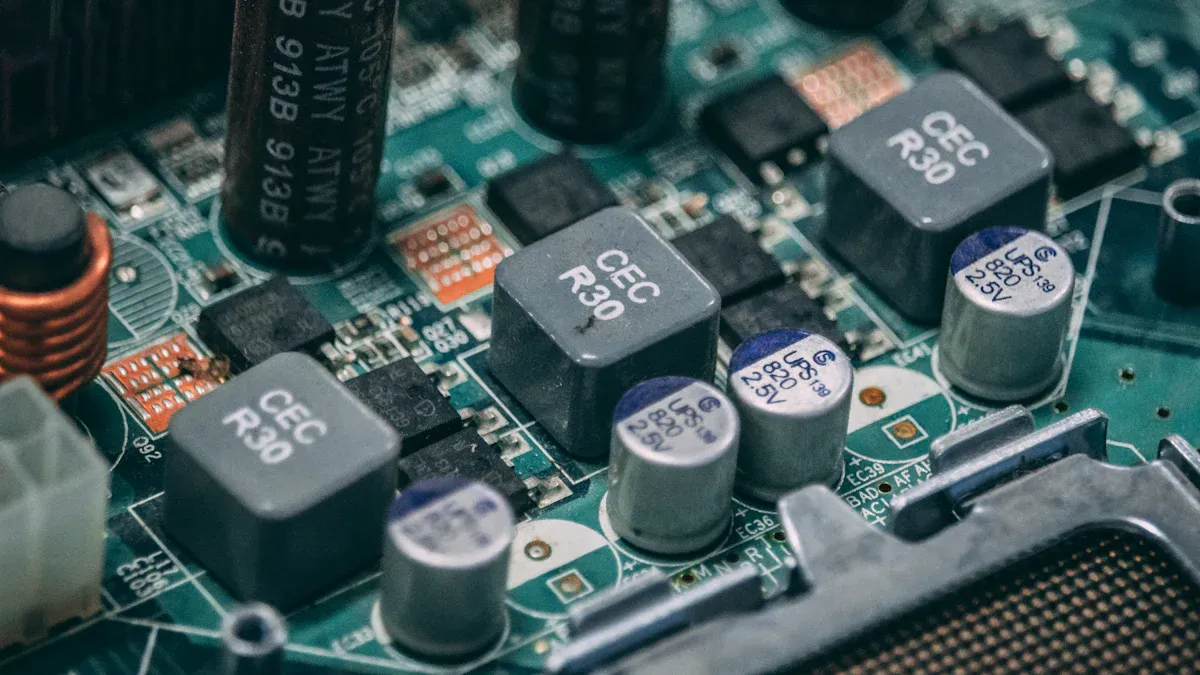
Amplifier Integrated Circuits come in different types. Each type works best for certain tasks. Knowing these types helps you pick the right one.
Operational Amplifiers
Operational amplifiers, or op-amps, are very flexible Amplifier Integrated Circuits. They are used for signal processing, filtering, and math tasks like adding or subtracting. These amplifiers have high input resistance and low output resistance. This makes them useful for many purposes.
Tip: Use op-amps to boost small signals, like from sensors or microphones.
Studies show they are important in brain signal systems. High-gain op-amps make weak brain signals stronger. This reduces noise and improves signal accuracy. This is vital when handling signal issues that could cause errors.
Power Amplifiers
Power amplifiers are made to handle big loads, like speakers or motors. They take a small signal and make it strong enough to power large devices. These amplifiers are key in sound systems, radios, and factory machines.
|
Amplifier Type |
Key Features |
Limitations |
|---|---|---|
|
Small, affordable, energy-saving |
Not great for very high power tasks |
|
|
Traveling Wave Tube Amplifiers |
Strong, works with many frequencies |
Costly, takes up more space |
When choosing a power amplifier, think about size, cost, and efficiency. For example, solid-state amplifiers are small and save energy. But they may not handle very high power as well as traveling wave tube amplifiers.
Instrumentation Amplifiers
Instrumentation amplifiers are made for accurate signal boosting. They are used in medical tools, factory machines, and measuring devices. These amplifiers are great at boosting small signals while blocking noise.
Note: These amplifiers are vital where clean signals matter, like in heart monitors or pressure sensors.
Their design keeps signals stable and accurate, even in noisy places. This makes them very important for tasks needing high precision.
Differential Amplifiers
Differential amplifiers boost the difference between two signals. They ignore signals that are the same on both inputs. This makes them great for reducing noise and keeping signals clear.
Tip: Use differential amplifiers for weak signals in noisy places.
A big benefit of these amplifiers is their high common-mode rejection ratio (CMRR). High CMRR reduces noise that affects both input lines equally. This helps the amplifier focus on the main signal. For instance, in sensor systems, twisted pair cables pick up equal noise on both lines. The differential amplifier strengthens the sensor signal and reduces shared noise, making the signal accurate.
Tests show how well differential amplifiers block shared noise. A differential low-noise amplifier (DLNA) works best at low frequencies. This makes it useful for tasks like radio astronomy. In such cases, keeping the signal clean is very important. Differential amplifiers do better than other types in improving signal quality.
These amplifiers are also used in factories, communication tools, and medical devices. They are perfect for handling small signals with great accuracy. This makes them essential where precision and reliability are needed.
Audio Amplifiers
Audio amplifiers are special Amplifier Integrated Circuits that make sound signals louder. They are used in speakers, headphones, and audio systems.
Audio amplifiers are grouped by how they work and their uses:
-
Class A Amplifiers:
-
Give great sound quality.
-
Use more power and get hot.
-
-
Class B Amplifiers:
-
Are more efficient than Class A.
-
Can distort sound at low levels.
-
-
Class AB Amplifiers:
-
Mix the good parts of Class A and B.
-
Offer balanced sound and efficiency.
-
-
Class D Amplifiers:
-
Work with high efficiency.
-
Best for small, portable devices.
-
|
Amplifier Class |
Sound Quality |
Efficiency |
Common Uses |
|---|---|---|---|
|
Class A |
Great |
Low |
Fancy audio systems |
|
Class B |
Okay |
Medium |
Budget sound setups |
|
Class AB |
Balanced |
Medium |
Home theaters, car audio |
|
Class D |
Good |
High |
Portable speakers, headphones |
Note: Class D amplifiers are great for battery-powered gadgets because they save energy.
Audio amplifiers are key to creating amazing sound. Whether for a high-end sound system or a small Bluetooth speaker, picking the right amplifier ensures the best performance.
Applications of Amplifier Integrated Circuits

Audio Systems
Amplifier Integrated Circuits are important in today’s audio systems. They improve sound and send power to speakers and headphones. These amplifiers are used in home theaters, car audio, and more.
-
The audio amplifier IC market may grow from $2.5 billion in 2025 to $4.2 billion by 2033, with a yearly growth of 7%.
-
More people want high-quality sound in cars and gadgets.
-
New designs use digital tools and better power control for great results.
-
Wireless audio and advanced car sound systems are driving this trend.
Tip: Pick amplifiers that balance sound and energy use. Class D amplifiers work well for portable devices because they save power.
Signal Processing
Signal processing needs amplifiers to make signals stronger and clearer. These amplifiers help send data correctly and protect delicate parts.
|
What It Does |
|
|---|---|
|
Op amp National Semiconductor LF353 |
Makes weak signals stronger in tools for better analysis. |
|
Instrumentation amp Analog Devices 524AD |
Gives accurate signal boosting for measuring systems. |
|
Isolation amplifier Analog Devices 202AD |
Strengthens signals while keeping them separate to protect sensitive parts. |
These amplifiers are used in devices like medical tools and factory sensors. They cut noise and keep signals clear, making them very useful.
Industrial Automation
In factories, amplifiers help machines and sensors work well. They make sensor signals stronger so control systems can read them.
Factories use these amplifiers in robots, motor controls, and inspection tools. For example, instrumentation amplifiers boost pressure sensor signals for accurate readings. Differential amplifiers remove noise in loud factory spaces, keeping signals clear.
Note: Choose amplifiers that are tough and block noise. This ensures they work well in hard factory conditions.
Medical Devices
Amplifier integrated circuits are very important in medical tools. They make signals stronger and more accurate for monitoring and diagnosis. These amplifiers are used in devices like ECG machines, brain monitors, and hearing aids.
New technology has made these amplifiers better and more dependable. For example, neural amplifiers are key in studying the brain. They help track body signals and support treatments. Recent updates include adding VLSI circuits and ASICs to microelectrodes. These upgrades improve medical devices, making them more precise and useful.
Note: Scientists are working to turn these advanced circuits into approved medical products. This shows how amplifier ICs help improve medical technology.
Why are amplifier ICs so important in medical tools?
-
They keep signals clear, even in noisy places.
-
They allow accurate monitoring, which keeps patients safe.
-
They make small, portable designs possible for wearable devices.
If you’re building a heart monitor or brain interface, picking the right amplifier IC ensures your device works well and meets medical standards.
Communication Systems
Amplifier ICs are crucial for communication systems. They make signals clearer and reduce noise for better data transmission. These amplifiers are used in satellite communication, wireless networks, and radios.
Different amplifier designs offer special benefits for communication systems. Below is a comparison of key designs and their features:
|
LNA Design Type |
Key Features |
Benefits for Signal and Noise Control |
|---|---|---|
|
Differential Cascode Topology |
Gain, Noise Control, Signal Accuracy |
Improves signal quality and lowers noise levels |
|
Active Inductor |
Power Saving, Gain |
Boosts system performance |
|
Embedded Input Balun |
Small Size, Noise Control |
Reduces signal loss |
|
Transformer-based Feedback |
Signal Accuracy, Gain |
Cuts distortion and improves clarity |
|
Current Reuse |
Power Saving, Gain |
Keeps efficiency while improving signal quality |
|
Stacked Structure |
Noise Control, Signal Accuracy |
Works well for high-frequency tasks |
|
Body Biasing |
Gain, Noise Control |
Keeps performance steady in changing conditions |
Tip: For high-frequency tasks, try designs like stacked structures or transformer-based feedback. These designs improve performance and keep signals clear.
Amplifier ICs in communication systems help send data faster, improve signal quality, and use less power. Choosing the right design can make your system more efficient and meet modern communication needs.
Selection Guide for Amplifier Integrated Circuits
Performance Specifications
When picking amplifier integrated circuits, focus on key performance features. These features show how well the amplifier will work in your project. Important ones include voltage gain, cut-off frequency, phase margin, common-mode rejection ratio (CMRR), and slew rate. Each one helps the amplifier meet your needs.
Voltage gain shows how much the amplifier boosts the input signal. High gain is needed for weak signals, like in audio systems or medical tools. CMRR reduces noise by blocking unwanted signals, which is helpful in noisy places.
Engineers use special methods to improve these features. The table below lists some tools and techniques used in amplifier design:
|
Parameter |
What It Does |
|---|---|
|
Design Methodology |
Uses math and computer tools to improve amplifier performance. |
|
Circuit Type |
Focuses on current mirror amplifiers. |
|
Simulation Software |
Combines circuit simulation with advanced design methods. |
|
Includes voltage gain, cut-off frequency, phase margin, CMRR, and slew rate. |
|
|
Optimization Parameters |
Adjusts transistor sizes for better performance. |
Tip: Match the amplifier’s features to your project. For example, fast signals need a high slew rate.
Power Requirements
Power use is another important factor when choosing amplifier integrated circuits. Amplifiers need energy to boost signals, so knowing their power needs helps you save energy. Two common ways to measure this are Power-Added Efficiency (PAE) and Power Efficiency (PE).
-
Power-Added Efficiency (PAE): Shows how well an amplifier turns DC power into RF or microwave power. Higher percentages mean better efficiency.
-
Power Efficiency (PE): Compares output power to DC power, ignoring input power. This shows overall energy use.
The table below explains these power metrics and technologies:
|
Metric |
What It Measures |
|---|---|
|
Power-Added Efficiency (PAE) |
How well DC power is turned into RF/microwave power. |
|
Power Efficiency (PE) |
Compares output power to DC power, showing energy use. |
|
Semiconductor Technology |
Gallium Nitride (GaN) offers better power and efficiency than older materials. |
GaN technology is popular because it provides more power and saves energy. It’s great for wireless systems where amplifiers use a lot of energy.
Note: High-gain amplifiers often have better PAE, making them good for saving energy.
Cost Considerations
Cost is a big factor when picking amplifier integrated circuits, especially for large projects. You need to balance cost and performance to stay within budget. Things like material type, manufacturing difficulty, and extra features affect the price.
For example, amplifiers made with GaN cost more upfront but save money over time with better efficiency. Simpler silicon amplifiers are cheaper but may not work for high-performance needs.
To save money, follow these tips:
-
Know Your Needs: Don’t pay for features you won’t use. A basic audio amplifier doesn’t need the same specs as a high-frequency one.
-
Plan for Growth: If making many units, pick amplifiers with bulk discounts or lower production costs.
-
Think Long-Term: High-quality amplifiers cost more at first but last longer and need less fixing.
Tip: Look at the total cost, including energy use and reliability, not just the price tag.
Compatibility with Design Needs
Picking the right amplifier depends on how it fits your design. Check its features to ensure they match your system's needs. This avoids costly changes and helps everything work smoothly.
You can test compatibility early using simple models. These models let you see how the amplifier might perform. You don’t need detailed plans to start testing. For instance, you can try different options for commercial operational amplifiers. This method solves problems in mixed-signal IC testing. It also saves money by testing based on basic specifications.
Here’s a table showing testing methods and their benefits:
|
Testing Method |
Use Case |
Benefits |
|---|---|---|
|
Simple amplifier model |
Early design testing |
Tests ideas without needing detailed plans |
|
Trying different options |
Commercial op-amps |
Solves mixed-signal IC testing issues |
|
Pre-schematic testing |
Before detailed design |
Saves money by testing based on basic specs |
Tip: Always check if the amplifier fits your design before choosing it. This step saves time and ensures success.
Environmental and Reliability Concerns
Amplifiers must work well in different environments. Things like heat, humidity, and long-term use can affect them. These factors impact how long they last and how well they perform.
Manufacturers use tests to check reliability. One test, HTOL, checks how amplifiers handle high heat over time. HTRB tests stability under high voltage. Burn-in testing finds defects by simulating normal use. Application testing checks how amplifiers work in real-world situations. Quality assurance ensures reliability after packaging and setup.
Here’s a table summarizing these tests:
|
Test Name |
What It Checks |
|---|---|
|
High-Temperature Operating Life |
Performance under high heat for long periods |
|
High-Temperature Reverse Bias |
Stability under high voltage |
|
Burn-In Testing |
Finds defects by simulating normal use |
|
Application Testing |
Checks performance in real-world conditions |
|
Quality Assurance |
Ensures reliability after packaging and setup |
Note: Amplifiers that pass these tests are better for tough conditions. Always review reliability data before buying.
Environmental and reliability checks are vital for industries like factories and healthcare. These systems often face tough conditions where failure isn’t an option. Choosing reliable amplifiers ensures safety and long-lasting performance.
Amplifier ICs are key parts of today’s electronics. They help make signals stronger for many uses. You’ve seen different types, like op-amps and audio amplifiers. These are used in medical tools, communication devices, and factory machines. A study of 4,997 papers shows CMOS op-amps are very useful. They are precise and work well in both factories and medical tools.
Picking the right amplifier IC is important. It helps your project work its best, whether it’s for great sound or saving lives. Always choose one that fits your project’s needs.
FAQ
What does an amplifier integrated circuit do?
An amplifier IC makes weak signals stronger. This helps devices like audio systems, medical tools, and communication gadgets work better.
Tip: Pick an amplifier IC based on the signal type and how strong the output needs to be.
How can you choose the best amplifier IC for your project?
Look at performance, power needs, and how it fits your design. Think about cost and if it can handle tough conditions to match your project’s goals.
Note: Testing early with simple models can save money and prevent design mistakes.
Can amplifier ICs handle tough conditions?
Yes, some amplifier ICs are built for extreme heat or humidity. Companies test them using methods like HTOL and burn-in testing to ensure they last.
Reminder: Always check reliability data to make sure the amplifier works in your environment.
How are operational amplifiers different from power amplifiers?
Operational amplifiers (op-amps) work with small signals for tasks like filtering. Power amplifiers make signals strong enough to run big devices like speakers or motors.
|
Amplifier Type |
Main Use |
|---|---|
|
Op-amp |
Filtering, signal processing |
|
Power amp |
Running speakers, motors |
Why are Class D amplifiers good for portable gadgets?
Class D amplifiers use less energy and stay cool. This makes them perfect for battery-powered devices like Bluetooth speakers and headphones.
Tip: Use Class D amplifiers to save power and make batteries last longer in portable devices.